
How To Repair Vacuum Cleaner Motor Not Spinning: Quick Fix
Replace worn brushes, clear blockages, and check thermal fuses to get the motor spinning again.
I have repaired dozens of vacuums as a technician and hobbyist. In this guide I’ll show you a clear, step-by-step approach to how to repair vacuum cleaner motor not spinning. You’ll learn how these motors fail, how to diagnose the exact problem, what to test with a multimeter, and which parts you can fix yourself. I’ll share real tips from hands-on work, common mistakes to avoid, and cost-smart decisions so you can fix your vacuum with confidence.
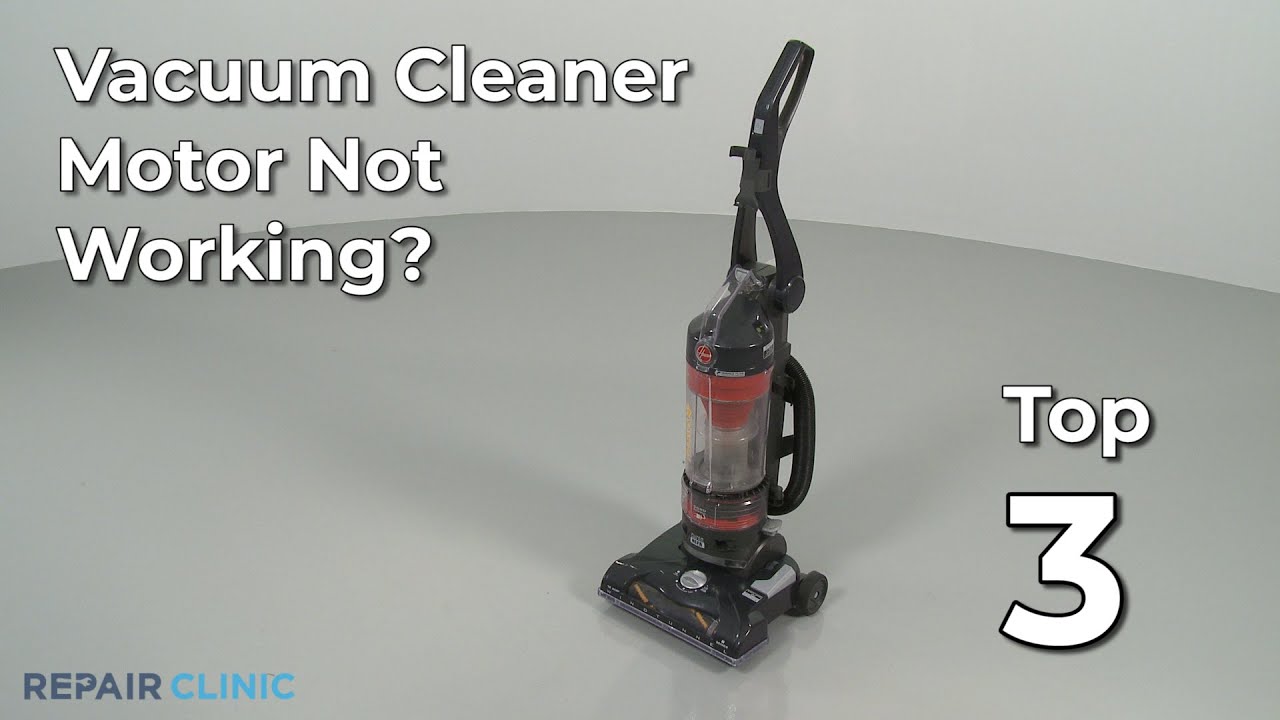
How vacuum motors work: a quick primer
A typical household vacuum uses a universal motor. It runs on AC and has brushes, an armature (rotor), and field coils. The brushes press on the commutator so current flows and the armature spins. If brushes wear out, bearings seize, or wiring fails, the motor will not spin.
Knowing how the parts interact makes diagnosing easier. When you learn how to repair vacuum cleaner motor not spinning, start by identifying whether the motor gets power and whether the moving parts turn freely. Simple tests separate electrical faults from mechanical ones.
Safety first: before you start repairing
Always unplug the vacuum before opening it. Remove the bag or canister and empty dirt to avoid mess and dust exposure. Wear gloves and safety glasses when handling sharp components or cleaning a clogged brush roll.
Label screws and take photos as you disassemble. If you are uncertain about mains wiring or soldered parts, consider a qualified technician. Safety prevents accidents and saves time during reassembly.

Tools and parts you'll need
Have the right tools before you begin. Common items:
- Screwdrivers set, including Torx and Phillips
- Needle-nose pliers and channel locks
- Multimeter for continuity and resistance checks
- Replacement brushes (model-specific) and brush springs
- Contact cleaner and a small wire brush or cotton swabs
- Lubricant for bearings (if serviceable)
- Soft cloth and compressed air for cleaning
Optional but useful:
- Soldering iron for loose wires
- Bearing puller if replacing sealed bearings
Prepare replacement parts that match your model. When learning how to repair vacuum cleaner motor not spinning, having parts on hand reduces downtime.

Diagnosis: why the vacuum cleaner motor not spinning
Start with a short checklist to find the cause:
- No power to motor: bad cord, plug, or switch
- Motor gets power but doesn’t spin: brushes, bearings, or seized rotor
- Motor hums but won’t start: jammed brush roll or seized bearing
- Motor stopped after overheating: thermal fuse or motor reset popped
People also ask:
- Why does my vacuum motor hum but not spin?
The motor may have electrical power but is mechanically stuck or has worn brushes that can't make good contact. - Can a vacuum motor be repaired or must it be replaced?
Many universal motors can be repaired by replacing brushes, bearings, or cleaning the commutator. Severe armature damage usually means replacement. - Is a burned smell a sign the motor is dead?
A burned smell indicates overheating or insulation damage; diagnose immediately because continued use can cause further damage.
A systematic diagnosis helps you decide how to repair vacuum cleaner motor not spinning. Check simple items first, like blockages or a tripped reset, before opening the motor housing.

Step-by-step repair guide for a non-spinning motor
Follow these steps. Work slowly and document each stage.
-
Confirm the problem and basic checks
- Plug the vacuum into a working outlet and test power to other devices.
- Try the vacuum with attachments removed; if it runs, the issue is downstream.
- If the motor does nothing at all, proceed to the next steps.
-
Check the power cord and switch
- Inspect the cord for cuts and test continuity with a multimeter.
- Test the on/off switch for continuity in the on position. Replace faulty parts.
- Replace or repair the cord if you find breaks or exposed wires.
-
Inspect for blockages and mechanical jams
- Remove the brush roll and check for tangled hair or debris.
- Spin the belt and brush by hand; if they are stiff, clear debris or replace the belt.
- A jammed brush roll often prevents the motor from starting.
-
Test thermal cut-offs and motor reset
- Many vacuums have a thermal fuse or reset button. Test the fuse for continuity.
- If the fuse is open, identify why it tripped (blockage or overheat) and replace the fuse.
- Reset buttons sometimes fail and must be replaced.
-
Access the motor and inspect brushes
- Remove motor housing to expose the brush assemblies. Carefully note brush orientation.
- Measure brush length; if worn down close to the metal holder, replace brushes.
- Clean the brush holders so springs move freely.
-
Check the commutator and clean contacts
- Inspect the commutator on the armature for heavy wear, grooving, or pitting.
- Light soot can be cleaned with contact cleaner and a soft brush. For minor grooving, fine sandpaper can be used carefully.
- If the commutator is deeply damaged or the armature is burnt, the motor may need replacement.
-
Spin the rotor and check bearings
- Rotate the rotor by hand. It should spin smoothly with slight resistance.
- Audible grinding or stiffness means bad bearings or bushings. Replace bearings or the motor if sealed.
-
Test armature and field windings
- Use a multimeter to check continuity across the armature and field coils.
- Compare readings to manufacturer specs if available. Shorted windings or open circuits require motor servicing or replacement.
-
Reassemble and test
- Replace any parts you swapped out (brushes, fuse, belt). Reassemble in reverse order.
- Test the vacuum in short bursts to ensure normal operation. Listen for unusual noise or vibration.
When you tackle how to repair vacuum cleaner motor not spinning, these steps cover most DIY fixes. Keep your workspace clean and take photos to help reassembly.
Testing motor and components with a multimeter
A multimeter is your best friend. Basic tests are:
- Power cord continuity: unplug and test across plug prongs to cord end.
- Switch test: ensure continuity when switched on.
- Thermal fuse: continuity test to see if it has blown.
- Brush continuity: test across brush terminals; a broken brush or spring will show open circuit.
- Armature resistance: measure between commutator segments; large variance or infinite reading indicates problems.
- Ground test: check for short between armature and ground (chassis).
Always disconnect power and remove motor leads before testing. Proper testing helps decide whether you can repair or must replace the motor when learning how to repair vacuum cleaner motor not spinning.

Common repairs, parts replacement, and costs
Typical fixes and rough price ranges:
- Replacement brushes: low cost, $10–$30. This is often the easiest DIY fix.
- Belt replacement: $5–$15. Belts wear and cause motor load issues.
- Thermal fuse or reset switch: $10–$40. Simple to replace.
- Bearings or bushings: $20–$80 for parts; labor varies if complicated.
- Motor replacement: $80–$300+ depending on brand and model.
I’ve replaced brushes dozens of times. Small parts are cheap and give big returns. If the armature or field windings are burnt, motor replacement may be more cost-effective. Knowing how to repair vacuum cleaner motor not spinning helps you choose the right fix without overspending.

Preventive maintenance and tips to avoid future failures
Simple care prolongs motor life:
- Empty the dust cup and clean filters regularly to reduce motor strain.
- Check and clear brush rolls and intake paths monthly.
- Replace belts at the first sign of cracking or stretching.
- Keep the vacuum stored in a dry place and avoid running it without airflow.
- Replace brushes before they wear to metal; this saves the commutator.
From my experience, small checks every few months prevent 80% of motor failures. A little maintenance keeps the motor spinning longer and reduces repair costs.

Frequently Asked Questions of how to repair vacuum cleaner motor not spinning
Why does my vacuum motor hum but not spin?
A humming motor usually has power but is mechanically blocked or has worn brushes. Check the brush roll for jams and inspect the brushes and bearings.
How long do vacuum motor brushes last?
Brush life varies by use but typically lasts 1–3 years under normal household use. Heavy use or coarse debris shortens life.
Can I fix a seized motor bearing myself?
If the bearing is serviceable you can clean and lubricate it, but sealed bearings often require replacement and more disassembly. If you are unsure, seek professional help.
What if the motor has a burnt smell after trying to run it?
Stop immediately. A burnt smell signals overheating or insulation damage. Test thermal fuses and windings; consider motor replacement if damage is internal.
Is it worth replacing the motor or buying a new vacuum?
Weigh motor replacement cost against the value and age of the vacuum. For high-end or recent models, motor replacement makes sense. For older or low-cost vacuums, replacement may be more economical.
Conclusion
You now have a clear roadmap for how to repair vacuum cleaner motor not spinning. Start with simple checks—power, blockages, and reset switches—then move to brushes, bearings, and electrical tests. Small fixes like replacing brushes or clearing jams fix most problems. If the armature or field windings are damaged, weigh repair cost against replacement.
Take action: try the basic checks today, keep notes, and decide whether you can DIY or need a service call. Share your results or questions below and subscribe for more hands-on repair guides.

Liora Pennings is a seasoned chef and kitchen enthusiast with a passion for turning everyday cooking into an effortless experience. With years of hands-on culinary expertise, she specializes in practical techniques, ingredient know-how, and smart kitchen solutions that help home cooks elevate their meals. At KitchFlair.com, Liora shares her best tips, time-saving tricks, and honest product reviews to guide readers toward a more efficient, enjoyable, and inspired cooking routine. Whether you’re a beginner or a seasoned home chef, Liora’s friendly, knowledge-packed insights make every visit to the kitchen a little easier—and a lot more delicious.