What Is A Good Suction Power For Vacuum Cleaner Kpa: Guide
A good vacuum suction power is typically between 15 and 25 kPa for most home cleaning.
I have worked with dozens of vacuums and tested models on carpet, hardwood, and pet hair. In this guide I will explain what is a good suction power for vacuum cleaner kpa, how to read kPa numbers, real-world ranges for different jobs, and practical tips to pick a vacuum that cleans well in your home. Expect clear recommendations, simple examples, and honest trade-offs based on hands-on experience.
Understanding kPa and suction power
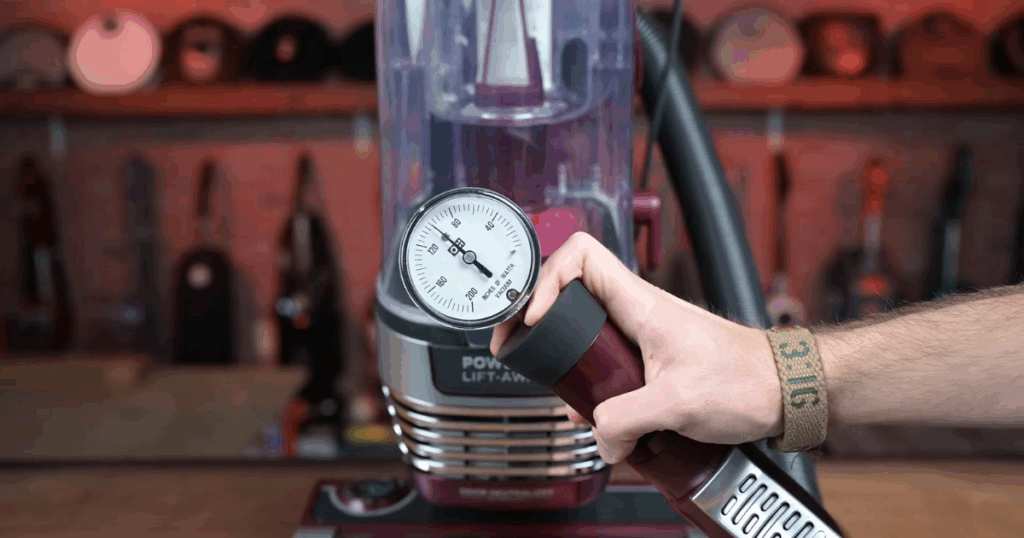
kPa stands for kilopascal. It measures pressure. In vacuum marketing, kPa often refers to suction pressure or "water lift." It tells you how strongly the vacuum can pull air through the nozzle.
Suction pressure alone does not equal cleaning power. Airflow and brush action matter too. Still, kPa is an easy number to compare models. If you want to know what is a good suction power for vacuum cleaner kpa, start with real ranges and match them to your needs.
Typical kPa ranges and what they mean
Here are common ranges and what they do well.
- Under 10 kPa — Light tasks, fine dust on hard floors, and quick pick-ups. Not great on carpet.
- 10 to 15 kPa — Good for hard floors and thin low-pile rugs. Fine for daily home use.
- 15 to 25 kPa — Solid all-around range for homes. Handles pet hair, medium carpets, and crevices well.
- 25 to 35 kPa — Strong suction for thick rugs, deep-cleaning, and embedded dirt. Often seen in high-end cordless and upright models.
- Above 35 kPa — Commercial or specialized machines. Great for very deep cleaning and heavy debris.
If you search "what is a good suction power for vacuum cleaner kpa," aim for 15–25 kPa for a balance of cleaning and ease of use. Higher numbers help on deep carpet, but they cost more and can reduce battery life in cordless units.

Factors that change how much kPa you actually need
kPa is one piece of the puzzle. Consider these too:
- Airflow (CFM or L/min) — Moves debris into the dustbin. Low kPa + high airflow can still clean well.
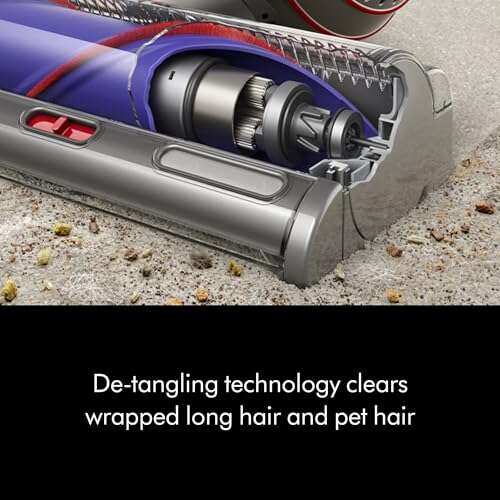
- Brushroll and agitation — Breaks loose dirt. A good brush can make lower kPa perform like a stronger unit.
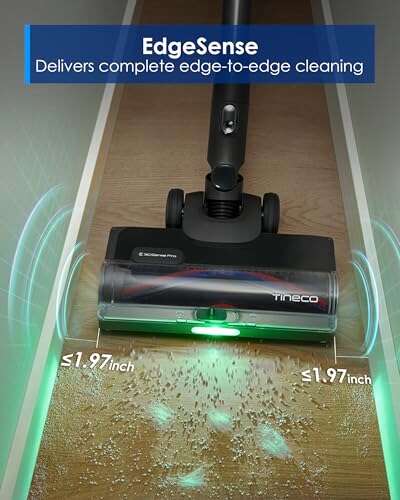
- Nozzle design and seals — Lossy seals drop effective suction. A sealed head uses kPa better.
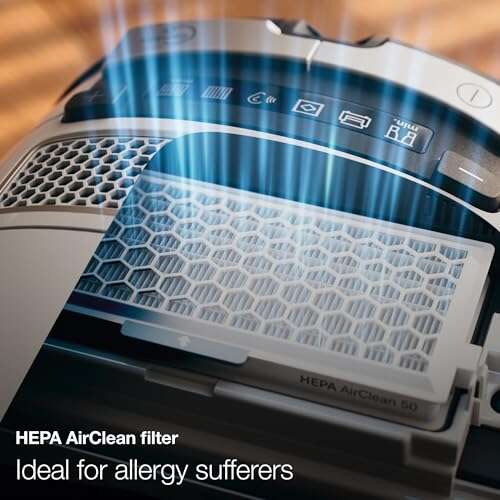
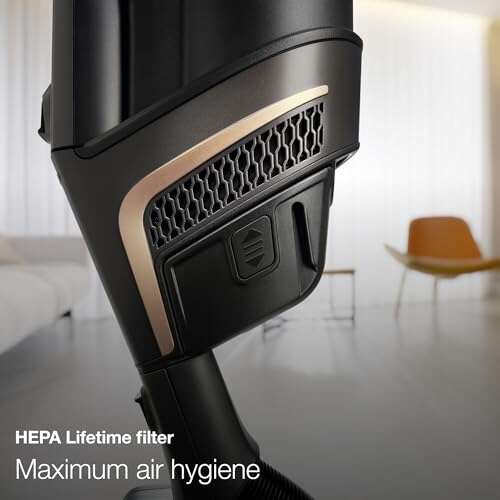
- Filter type — Clogged filters cut suction fast. HEPA or dense filters lower airflow.
- Floor type — Hard floors need less suction. High-pile carpet needs more.
- Battery and motor limits — Cordless vacuums trade peak kPa for runtime and weight.
In short: when asking what is a good suction power for vacuum cleaner kpa, remember kPa must be read with airflow and tools to judge real performance.

How to measure and compare suction power
Manufacturers use different tests. Here are practical ways to compare models.
- Look for kPa plus airflow numbers. Both matter.
- Check independent lab tests or consumer reviews with real-world cleaning scores.
- Compare how the vacuum performs on your floor type. Specs alone can mislead.
- Note that "motor watts" do not equal suction. Modern efficient motors can give strong kPa at lower wattage.
From my tests, two vacuums with the same kPa can clean very differently if one has better brush design or a tighter seal. So use kPa as a guide, not the only decision metric.
Practical recommendations by use case
Match the suction to how you live.
- Light apartment, mostly hard floors — 10 to 15 kPa is fine.
- Home with low-pile rugs and no pets — 15 to 20 kPa works well.
- Pets, hair, or mixed floors — 18 to 25 kPa is a strong sweet spot.
- Thick carpets, deep dirt, or heavy shedding — 25 kPa and up is better.
- Car detailing and wet pickups (special machines) — choose a model rated for those tasks; kPa helps but machine design is key.
When wondering "what is a good suction power for vacuum cleaner kpa" for pet owners, I recommend aiming at least 18 kPa and prioritizing brush roll design and filtration.
Tips to maximize cleaning without chasing huge kPa numbers
You can improve cleaning performance even with moderate kPa.
- Keep filters and brushrolls clean. Clogged parts cut suction fast.
- Use the right attachment and lower the floor head height on carpets.
- Seal gaps in the hose and head to prevent suction loss.
- Empty the bin before it gets too full; full bins reduce performance.
- Replace worn belts and brushes yearly or as needed.
From personal experience, a well-maintained 18 kPa vacuum with strong airflow cleaned more pet hair than an unmaintained 25 kPa unit. Maintenance and design beat raw numbers alone.
Buying guide: how to choose the right kPa for your purchase
Use this checklist before you buy.
- Decide your main floor types and tasks. Pick kPa by use case.
- Look for both kPa and airflow specs. Prefer models with tested cleaning scores.
- Read real reviews focusing on pet hair, deep-cleaning, and filter longevity.
- For cordless models, balance kPa with battery life. A very high kPa drain shortens runtime.
- Check warranty and ease of service; longevity matters more than peak numbers.
Ask yourself: do I need raw suction or consistent real-world cleaning? That will answer what is a good suction power for vacuum cleaner kpa for your needs.
Frequently Asked Questions of what is a good suction power for vacuum cleaner kpa
What does kPa mean for a vacuum cleaner?
kPa measures pressure and reflects suction strength. It indicates how strongly the vacuum can pull air through the nozzle, but it is best used alongside airflow numbers and design features.
Is higher kPa always better?
No. Higher kPa can help on deep carpet, but it may reduce battery life and add cost. Design, airflow, and brush action matter as much or more than raw kPa.
What kPa should I choose for pet hair?
Aim for 18 to 25 kPa and prioritize a strong brushroll and good filtration. That range balances suction and practical performance for pet fur on rugs and floors.
How does kPa relate to motor wattage?
They are different. Motor wattage measures energy use; kPa measures suction pressure. Efficient designs can deliver higher kPa at lower wattage, so compare specs carefully.
Can I test kPa at home?
Not easily without tools. Instead, test cleaning on a small area, check suction on a hand test, and inspect how well the brush picks up debris. Real cleaning trials beat numbers alone.
Conclusion
Choosing the right suction means matching kPa to your floors, pets, and cleaning habits. For most homes, 15–25 kPa is a reliable target, while pet owners and deep-cleaning needs push toward 25 kPa and above. Remember that airflow, brush design, and maintenance shape real cleaning more than a single number.
Try a short cleaning test in your home before you commit. Compare kPa, airflow, and reviews, and pick the model that balances power, runtime, and convenience. If you found this helpful, leave a comment with your floor type and I’ll suggest a suitable kPa range.

Liora Pennings is a seasoned chef and kitchen enthusiast with a passion for turning everyday cooking into an effortless experience. With years of hands-on culinary expertise, she specializes in practical techniques, ingredient know-how, and smart kitchen solutions that help home cooks elevate their meals. At KitchFlair.com, Liora shares her best tips, time-saving tricks, and honest product reviews to guide readers toward a more efficient, enjoyable, and inspired cooking routine. Whether you’re a beginner or a seasoned home chef, Liora’s friendly, knowledge-packed insights make every visit to the kitchen a little easier—and a lot more delicious.