Where To Store Vacuum Cleaner: Smart Storage Ideas
Store your vacuum in a dry, ventilated closet or a tall utility cupboard with cord hooks.
I’ve spent years advising homeowners on smart storage choices, and where to store vacuum cleaner matters more than most people think. This guide walks you through safe, space-smart, and appliance-preserving options for where to store vacuum cleaner, with tips from hands-on use and clear reasons why each spot works.

Why proper storage matters
Storing a vacuum correctly protects the motor, hose, and filters. When you know where to store vacuum cleaner, you cut repair bills and extend life. A damp or cramped spot can cause mold, crushed hoses, and tangled cords. I learned this the hard way after leaving a canister in a damp garage and needing a new belt.
Best places to store a vacuum cleaner
Pick a spot that is dry, cool, and easy to reach. Below are reliable options for where to store vacuum cleaner and why each one is a good choice.
- Closet shelf or utility closet. This keeps the vacuum out of sight and away from pets. Keep the hose coiled and the cord wound to avoid kinks.
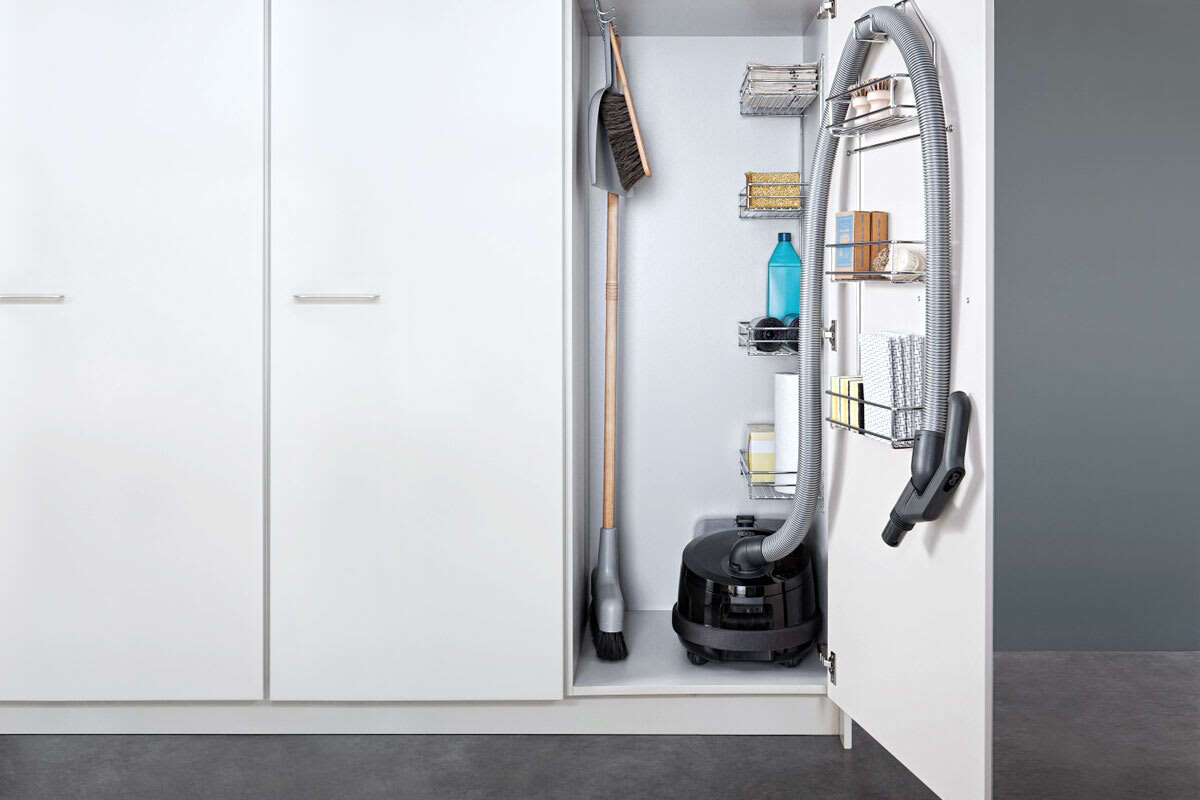
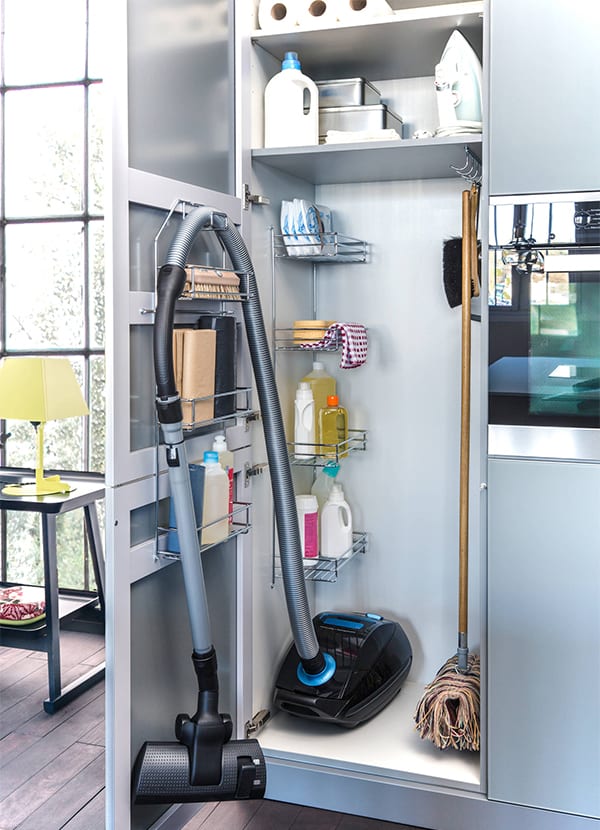
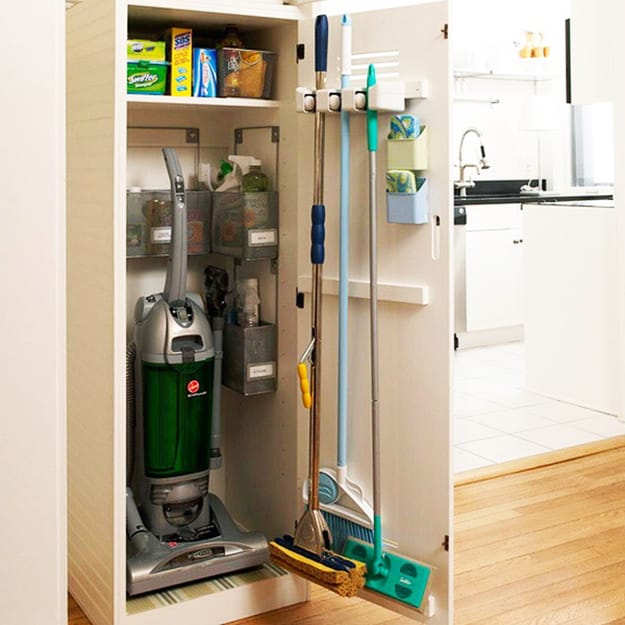
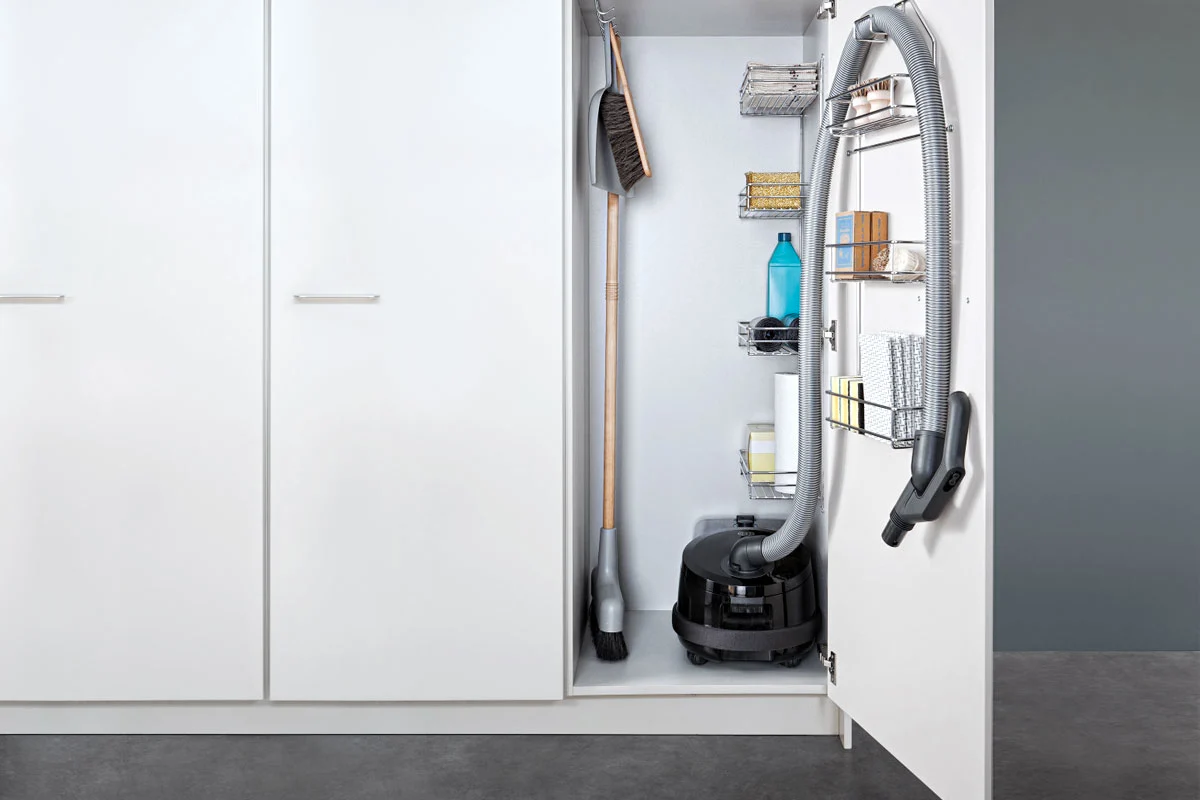
- Tall utility cupboard. A tall cupboard lets you stand upright models and hang accessories on the door. Add hooks for cords and wands.
- Laundry room. The room is often ventilated and near cleaning supplies. Avoid placing the vacuum too close to water sources.
- Garage on a shelf or pegboard. Use this if indoor space is tight, but protect the vacuum from moisture and dust. Elevate the unit to keep it dry.
- Under-stairs cubby or broom closet. These spaces are handy and central. Make sure ventilation and clearance exist to prevent odors or trapped moisture.
When choosing where to store vacuum cleaner, put ease of access first. If it’s hard to reach, you’ll avoid cleaning or damage the unit trying to fetch it.

Storage tips by vacuum type
Different vacuums need different care. Match the storage plan to the model so you know where to store vacuum cleaner safely.
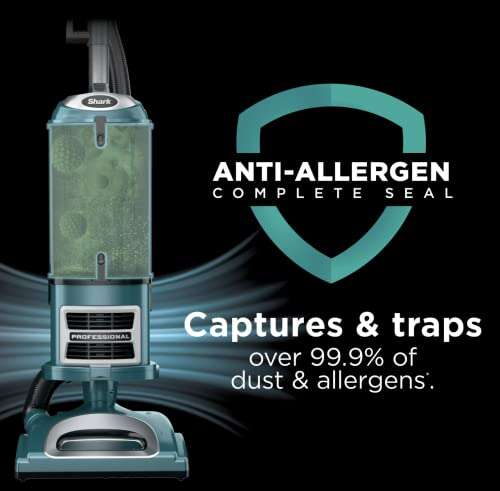
- Upright vacuums. Stand them on stable ground and lock handles if possible. Store wands clipped in place to prevent bending.
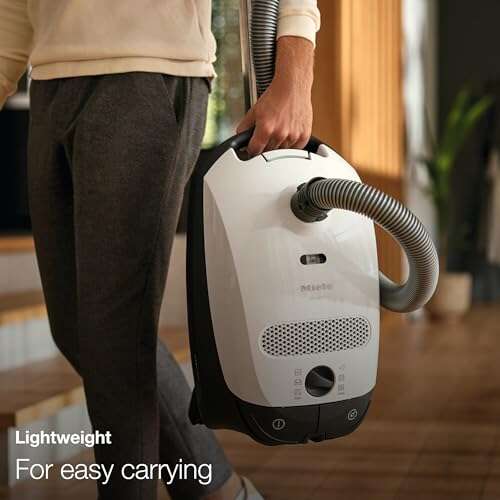
- Canister vacuums. Store the canister on a shelf and drape the hose neatly. Avoid tight coils that can crease the hose.
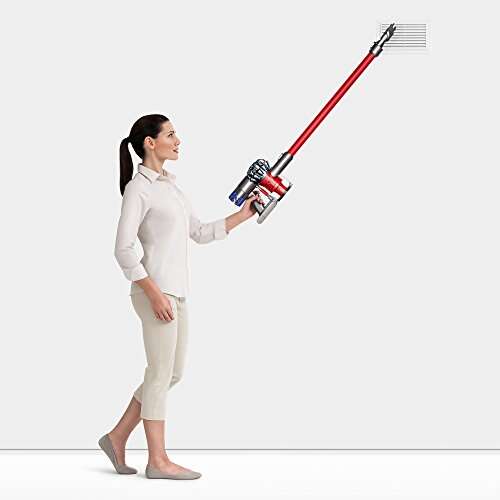
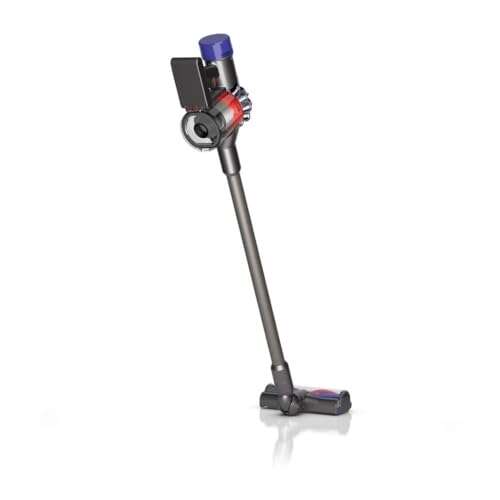
- Stick and cordless vacuums. Use wall mounts for quick grab-and-go storage. Charge batteries before storing and remove batteries for long-term storage.
- Robot vacuums. Keep the dock in a low-traffic area with a nearby outlet. Clean brushes before storage to prevent pests and odor.
From my tests, a wall mount for stick vacuums saved floor space and kept batteries healthier. Knowing where to store vacuum cleaner for each type helps keep performance consistent.

Space-saving hacks and mounting options
Small homes need smart fixes. These tricks make it clear where to store vacuum cleaner without losing living space.
- Use vertical space. Install tall hooks or a narrow cabinet to stand the vacuum upright. This works well for both uprights and sticks.
- Door-mounted organizers. Hang accessory bags on closet doors to keep parts together. This avoids losing attachments behind other items.
- Magnetic strips for metal tools. Mount wands and small metal parts on a strip to keep them tidy. It reduces clutter and speeds up storage.
- Pegboards in the garage or utility room. Arrange hooks for hoses, wands, and cords. Label spots so each piece has a home.
I used a bracket and pegboard in a tight entryway. It made it obvious where to store vacuum cleaner and cut the time to grab it by half.

Maintenance while in storage
Good storage is part of care. These steps help you preserve warranty and performance and inform exactly where to store vacuum cleaner.
- Empty bags and dust bins. Storing with dust inside invites mold and smells. Always empty and wash filters if washable.
- Dry all parts. Wipe hoses and brushes dry before storing. Moisture causes mildew and motor damage.
- Wind cords properly. Use built-in clips or a soft Velcro strap to prevent kinks. Loose cords snag and wear out.
- Remove and store batteries separately for long-term storage. This prevents battery drain and leaks.
- Run a quick check monthly if stored long-term. Turn on the vacuum and listen for odd sounds to catch issues early.
I once ignored filter cleaning. The motor got strained. After regular cleanings, the unit ran cooler and lasted longer. Knowing where to store vacuum cleaner is only half the job; maintenance is the other half.
How to choose the right storage location
Make a quick checklist before picking a spot. These points help you decide where to store vacuum cleaner with confidence.
- Accessibility. Can you reach it quickly for weekly use? If no, choose another spot.
- Climate. Is the area dry and cool? Avoid basements that flood or garages that see wide temperature swings.
- Space. Does the spot fit the vacuum upright or with the hose and tools? Measure height and width to be sure.
- Safety. Is the spot away from children’s play areas and food prep zones? Keep chemicals and small parts separate.
- Power source. For cordless models, can you park the charge dock near an outlet? This matters for battery health.
I recommend trying the spot for a week before committing. Run a cleaning session from that spot to test flow. If it feels clumsy, move it. The best place for where to store vacuum cleaner is one you will actually use.
Frequently Asked Questions of where to store vacuum cleaner
Is it okay to store a vacuum in the garage?
Yes, if the garage is dry and elevated from the floor to avoid damp. Cover the vacuum and keep it off the ground to prevent moisture damage.
Can I store my vacuum in a bathroom or utility room?
Avoid small, humid bathrooms. A ventilated utility room is fine if it stays dry and has airflow to prevent mold.
Where should I store vacuum attachments?
Keep attachments in a labeled box or on door-mounted pockets near the vacuum. This makes tools easy to find and protects them.
How long can I store a vacuum without using it?
You can store a vacuum for months if it is cleaned and batteries are removed. Run it briefly every few months to keep seals and parts from stiffening.
Should I leave the cord wrapped on the vacuum?
Yes, wrap the cord neatly using the vacuum’s hooks or a soft strap. This avoids kinks and reduces wear at the plug and cord ends.
Conclusion
Choosing where to store vacuum cleaner affects how well it works and how long it lasts. Pick a dry, accessible spot, tailor storage to the vacuum type, and do simple maintenance before storing. Try one small change this week—move your vacuum to a dryer spot or add a hook—and notice how much smoother cleanup gets. Share your storage wins or questions below, subscribe for more tips, or leave a comment to tell me where you store your vacuum.

Liora Pennings is a seasoned chef and kitchen enthusiast with a passion for turning everyday cooking into an effortless experience. With years of hands-on culinary expertise, she specializes in practical techniques, ingredient know-how, and smart kitchen solutions that help home cooks elevate their meals. At KitchFlair.com, Liora shares her best tips, time-saving tricks, and honest product reviews to guide readers toward a more efficient, enjoyable, and inspired cooking routine. Whether you’re a beginner or a seasoned home chef, Liora’s friendly, knowledge-packed insights make every visit to the kitchen a little easier—and a lot more delicious.