
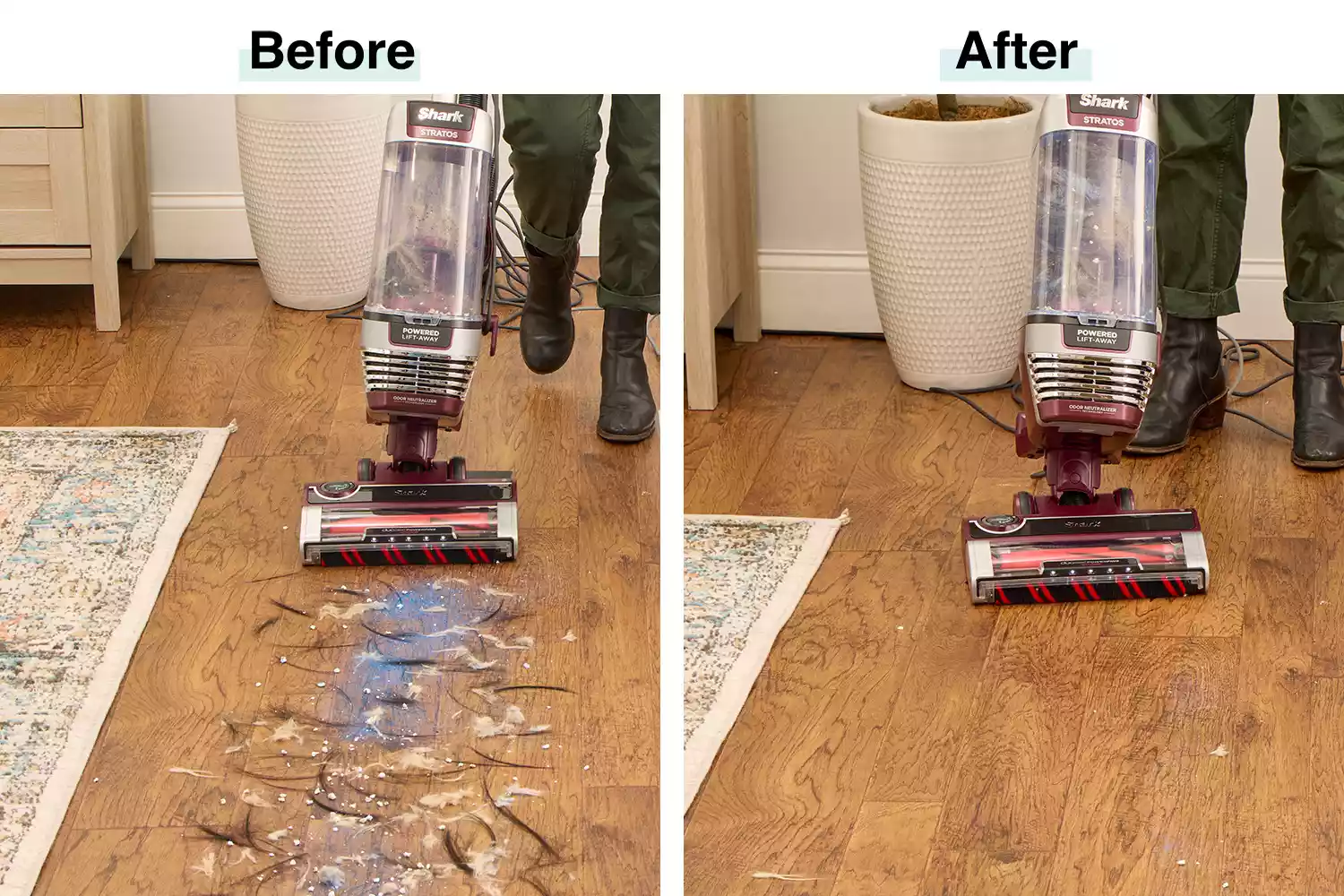
An upright vacuum cleaner is a stand-up, push-style vacuum that cleans floors and carpets.
I’ve worked with home cleaning gear for years, and I can tell you that an upright vacuum cleaner is one of the most common and effective machines for daily floor care. This guide explains what an upright vacuum cleaner is, how it works, which features matter, and how to choose and care for one. I’ll share practical tips I learned from testing and using upright vacuum cleaners in real homes, so you can pick the best fit and avoid common mistakes.

How an upright vacuum cleaner works
An upright vacuum cleaner combines motor, suction, and a brushroll in one unit. You push the machine across the floor while the brush spins to lift dirt. The suction then pulls dirt into a bag or a dustbin. Filters trap fine dust and protect the motor.
An upright vacuum cleaner often has adjustable height settings. These let you switch between carpets and hard floors. Many models include attachments for edges and stairs. Over time, cleaning brushes and filters keeps performance steady.

Common types and features of upright vacuum cleaners
Upright vacuums come in several types. Each type fits different needs and homes.
- Full-size upright: Best for large carpeted areas. It has a powerful motor and wide cleaning path for fast work. Many models have strong brushrolls for deep cleaning.
- Lightweight upright: Easier to push and carry. Good for small homes or seniors who need less heavy gear. It trades some power for convenience.
- Bagged upright: Collects dirt in replaceable bags. Bags reduce dust exposure and often hold more debris. They can cost more over time due to bag replacements.
- Bagless upright: Uses a clear dustbin you empty. You save on bags but may expose dust when emptying the bin. Clear bins make it easy to see when to empty.
- Cordless upright: Runs on batteries for tangle-free use. It is handy for quick jobs or homes without many outlets. Battery life limits run time, so charge management matters.
- Commercial upright: Built for heavy use in businesses. These models are durable and have strong suction for frequent cleaning tasks.
Key features to compare when choosing an upright vacuum cleaner:
- Suction power: Measured in air watts or amps; more suction helps lift embedded dirt.
- Brushroll type: Adjustable bristles for carpets and hard floors reduce damage and improve pickup.
- Filtration: HEPA or multi-stage filters trap tiny particles and help allergy control.
- Weight and maneuverability: A light upright vacuum cleaner is easier to move around and store.
- Attachments and reach: Crevice tools, dusting brushes, and hose length expand cleaning options.
- Noise level: Quieter models are better for households with children or pets.
- Warranty and parts availability: Longer warranties and easy-to-find parts extend the life of your machine.
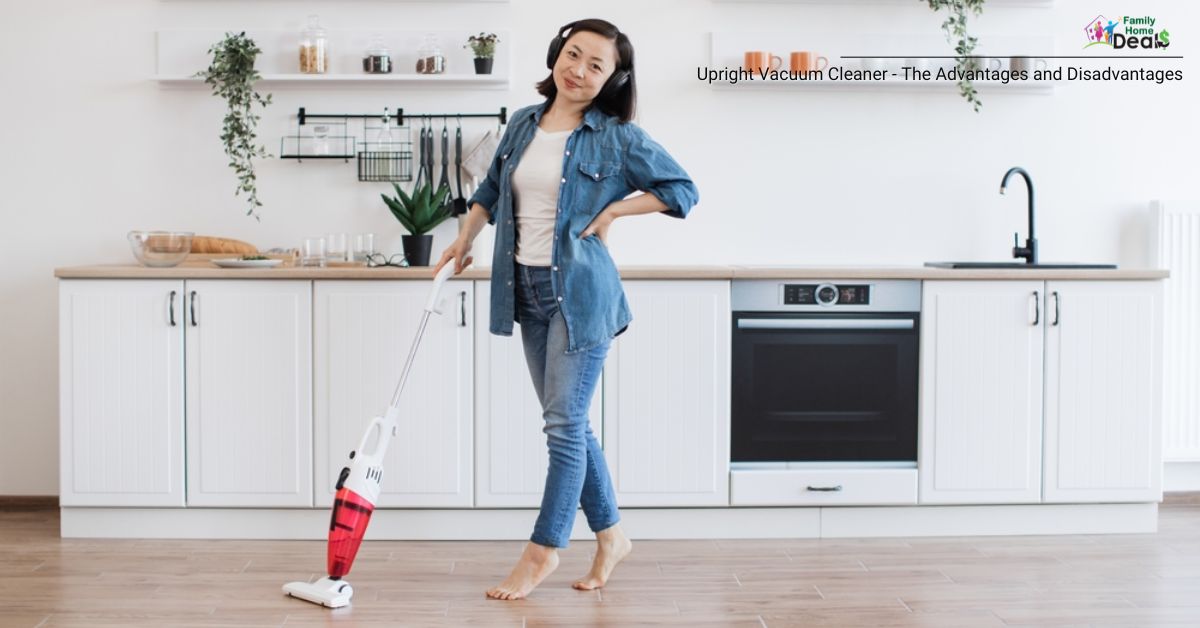
Advantages and disadvantages of an upright vacuum cleaner
Upright vacuums offer clear pros and cons. Knowing both helps you choose wisely.
Advantages
- Efficient for carpets: The upright vacuum cleaner design combines brushroll and suction for strong carpet cleaning.
- Wide cleaning path: You cover more floor area in less time with a single pass.
- Simple storage: Upright vacuum cleaners often stand by themselves and fit small closets.
- Good for deep cleaning: Strong motors and brush action remove embedded dirt well.
Disadvantages
- Bulkier than stick vacuums: Some upright vacuum cleaners are heavy and hard to carry up stairs.
- Less flexible for tight spaces: Full-size models may struggle on stairs or narrow areas.
- Noise and vibration: Powerful upright vacuum cleaners can be loud.
- Maintenance can be frequent: Brushrolls and filters need regular care to keep performance up.
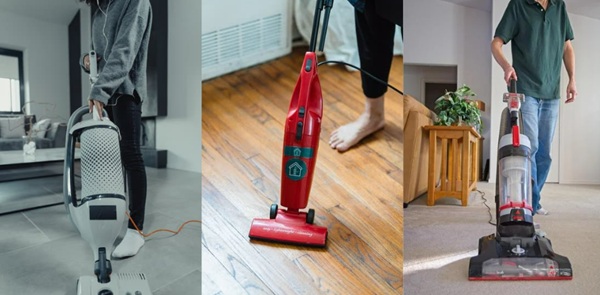
How to choose the right upright vacuum cleaner
Pick a model that fits your home and habits. Follow these steps to decide.
- Identify your floor mix.
- Mostly carpet: Choose a model with strong brushroll and adjustable height.
- Mostly hard floors: Look for brushroll shutoff and soft rollers to avoid scattering debris.
- Decide on bagged or bagless.
- Bagged for low-dust disposal and allergy control.
- Bagless for lower ongoing costs and easy visibility of dirt levels.
- Check filtration needs.
- Choose HEPA or multi-stage filters if allergies matter in your home.
- Consider weight and maneuverability.
- Choose a lightweight upright vacuum cleaner if you need to carry it often.
- Look at attachments and versatility.
- A good crevice tool, dusting brush, and upholstery tool increase usefulness.
- Set a budget and compare warranties.
- Balance features with long-term costs like bags and filters.
- Read real user reviews and hands-on tests.
- Reviews show how durable an upright vacuum cleaner is over months or years.
Personal tip from my experience: try lifting and pushing the vacuum in the store if possible. A model that feels easy to move usually stays easy for daily use. Also, check how visible and simple it is to empty the dustbin. Small annoyances add up fast.

Maintenance and troubleshooting for upright vacuum cleaners
Healthy upkeep keeps your upright vacuum cleaner working well. Do these tasks regularly.
- Empty or replace the dust bag or bin often.
- Full bins reduce suction and can cause odors.
- Clean or replace filters as recommended.
- A clogged filter lowers airflow and strains the motor.
- Remove hair and threads from the brushroll.
- Use scissors to cut tangled hair away. This improves cleaning and motor life.
- Check and replace belts when worn.
- A slipped belt stops the brushroll but not the suction.
- Inspect the hose and attachments for clogs.
- A blocked hose cuts suction dramatically.
- Store the vacuum in a dry, cool place.
- Moisture can damage electronics and filters.
Troubleshooting common issues
- Low suction: Empty the bin, clean filters, and check for clogs in the hose or wand.
- Brushroll not spinning: Inspect the belt and brush for jams or wear.
- Strange smells: Empty the dustbin, wash washable filters, and clean the brushroll.
- Overheating or shutoff: Allow the motor to cool and check for blockages. Persistent overheating needs professional service.
My experience shows that a short monthly check prevents most failures. I once ignored a humming noise and later found a tangled belt. Replacing the belt kept the vacuum running for years.
Frequently Asked Questions of what is upright vacuum cleaner
What makes an upright vacuum cleaner different from other vacuums?
An upright vacuum cleaner combines suction, motor, and brushroll in one standing unit. This design makes it efficient for wide carpeted areas and quick floor cleaning.
Is an upright vacuum cleaner good for hard floors?
Yes, many upright vacuum cleaners have height settings or brushroll shutoff for hard floors. Choose models with soft rollers to avoid scattering debris.
Are bagged or bagless upright vacuum cleaners better?
Bagged upright vacuum cleaners reduce dust exposure and are good for allergy sufferers. Bagless models save money on bags and make it easy to see when to empty.
How often should I clean filters in an upright vacuum cleaner?
Clean washable filters every 1 to 3 months and replace non-washable filters as the manufacturer recommends. Regular filter care keeps suction strong and the motor healthy.
Can I use an upright vacuum cleaner on stairs?
You can, but full-size upright vacuum cleaners are often bulky for stairs. Use the included hose and attachments or a lighter model for safer stair cleaning.
Conclusion
An upright vacuum cleaner is a versatile and powerful tool for everyday floor care. It suits homes with carpets and busy households that need fast, thorough cleaning. Follow the buying tips and maintenance steps here to get a machine that lasts and performs well. Try a model in person when you can, care for it regularly, and pick features that match your floors and lifestyle. Explore reviews, ask questions, and share your experiences below — your next upright vacuum cleaner may be closer than you think.

Liora Pennings is a seasoned chef and kitchen enthusiast with a passion for turning everyday cooking into an effortless experience. With years of hands-on culinary expertise, she specializes in practical techniques, ingredient know-how, and smart kitchen solutions that help home cooks elevate their meals. At KitchFlair.com, Liora shares her best tips, time-saving tricks, and honest product reviews to guide readers toward a more efficient, enjoyable, and inspired cooking routine. Whether you’re a beginner or a seasoned home chef, Liora’s friendly, knowledge-packed insights make every visit to the kitchen a little easier—and a lot more delicious.
Leave a Reply