
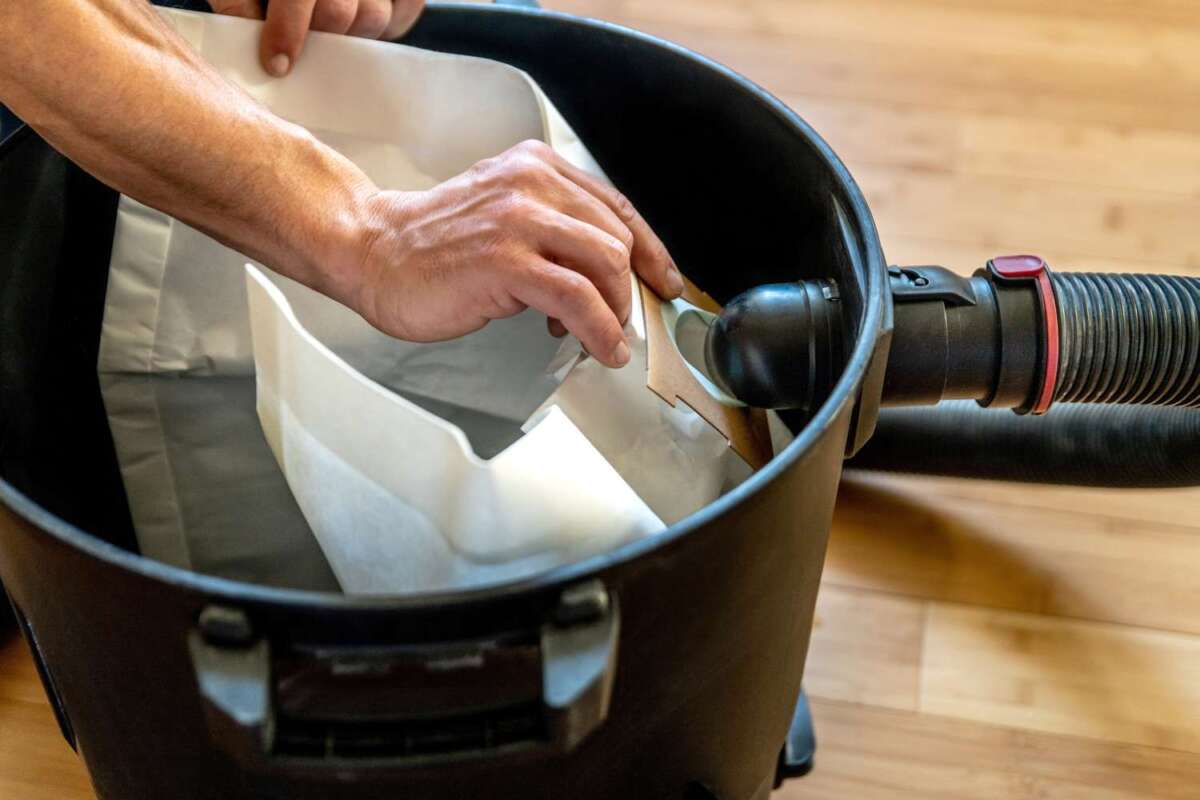
Use a wet and dry vacuum cleaner for spills, debris, and deep cleaning quickly and safely.
I’ve used and tested many models over years in homes and workshops, and I’ll walk you through how to use wet and dry vacuum cleaner with confidence. This guide explains setup, best practices, attachments, maintenance, and safety in clear steps so you can handle wet spills, dry debris, and mixed messes like a pro.

How wet and dry vacuum cleaners work
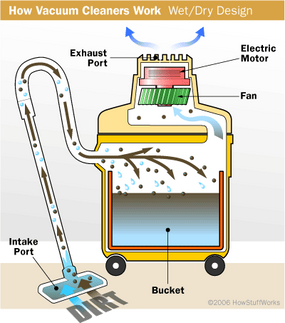
A wet and dry vacuum cleaner uses a motor-driven suction system and a tank to collect solids and liquids. Dry debris goes into a dust bag or filter, while liquids collect in a separate tank or below a float valve. Understanding the parts helps you decide when to use wet mode or dry mode and how to clean filters after use.
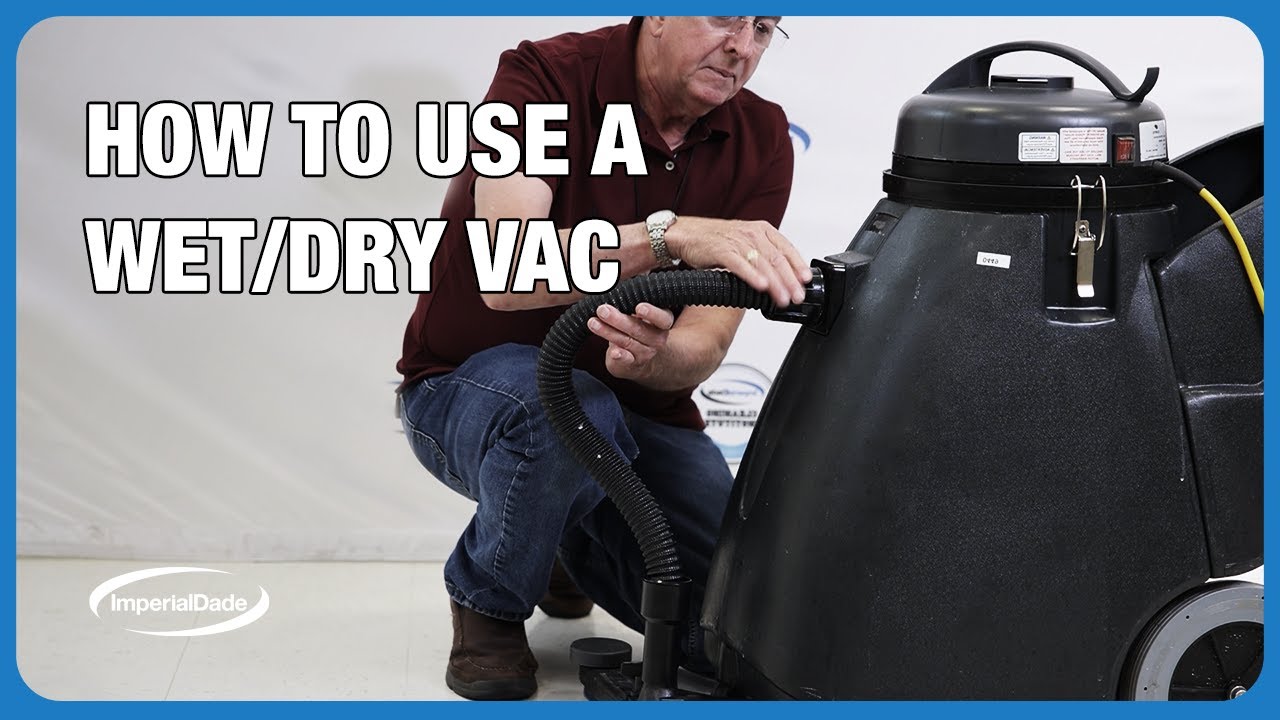
When to use wet vs dry mode
Use dry mode for dust, crumbs, pet hair, and sawdust. Use wet mode for spills, muddy floors, or water leaks. When both types of messes are present, vacuum solids first in dry mode, then switch to wet mode to remove liquids and residue.

Step-by-step: Using your wet and dry vacuum cleaner
Follow these steps for safe, efficient cleaning with a wet and dry vacuum cleaner.
- Prepare the unit
- Check the power cord for damage and confirm the tank is empty.
- Fit the correct filter or remove the dust bag if you plan to vacuum liquids.
- Choose the right nozzle
- Use a wide floor nozzle for large spills and a crevice tool for corners.
- Use a brush tool for upholstery and stairs.
- Vacuum dry debris first
- Run the vacuum over the area to pick up dust and solids.
- Empty the dust container if it fills up or suction weakens.
- Switch to wet mode for liquids
- Install the wet filter or remove any fine particle filters as instructed.
- Start at the edge of the spill and work toward a central point.
- Finish and dry
- Remove residual moisture with a towel if needed.
- Let the machine and attachments dry before storing.
Personal tip: I always mark a separate accessory box for wet use. It saves time and prevents cross-contamination.
Switching modes and using attachments
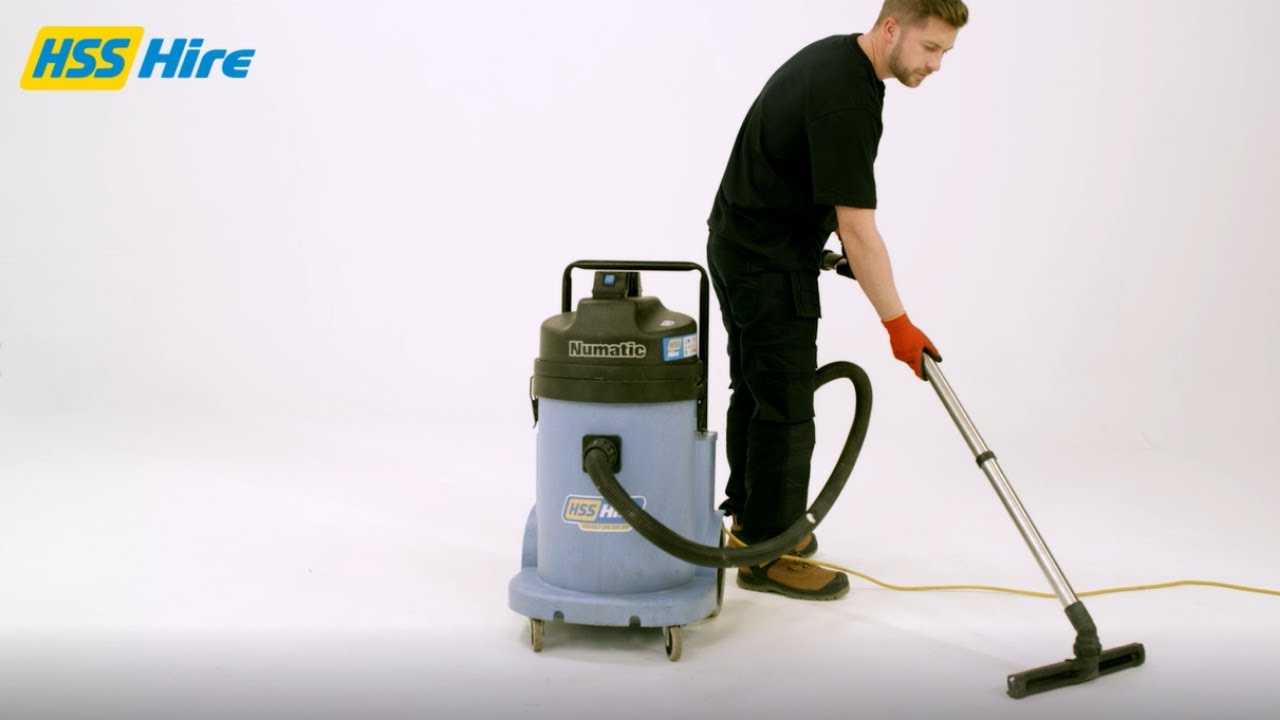
Most wet and dry vacuum cleaner models let you swap filters or caps to change modes. Follow the manufacturer steps to install a foam or washable wet filter for liquid collection. Use attachments to match the task: a floor head for large areas, a crevice tool for tight spots, and a brush for fabric surfaces.
Emptying, cleaning, and filter care
Empty tanks after every wet use to avoid odors and mold. Rinse the tank with warm water and mild detergent, and let it dry fully before reassembling. Clean or replace filters frequently: paper filters after heavy dust use, and foam or washable filters after wet use. Proper care extends the life of your wet and dry vacuum cleaner and preserves suction power.
Maintenance and safety tips
Always unplug the vacuum before servicing or changing filters. Do not vacuum flammable liquids, hot ashes, or sharp objects that can damage the tank or motor. Inspect hoses and seals regularly, and replace cracked parts. For electrical safety, use a grounded outlet and a GFCI if working outdoors or in damp places.
Troubleshooting common issues
If suction drops, check for clogs in the hose or full containers. If the motor overheats, allow it to cool and inspect filters for heavy buildup. Strange smells after wet use usually mean the tank or filter needs a thorough cleaning and drying. Regular checks keep your wet and dry vacuum cleaner reliable.

Choosing the right wet and dry vacuum cleaner
Consider these factors when buying a wet and dry vacuum cleaner:
- Tank size
- Larger tanks hold more liquid and reduce emptying frequency.
- Motor power and airflow
- Higher CFM and sealed suction offer better performance for heavy jobs.
- Filter system and compatibility
- Models with washable filters save money over time.
- Portability and storage
- Weight, wheels, and onboard accessory storage affect usability.
I recommend a model with a built-in float valve for automatic shutoff when the tank fills. My workshop unit with that feature prevented one big mess from overflowing and saved me a lot of cleanup time.
- Weight, wheels, and onboard accessory storage affect usability.
Frequently Asked Questions of how to use wet and dry vacuum cleaner
How do I switch from dry to wet mode safely?
Turn off and unplug the vacuum. Replace the dry filter with the recommended wet foam or remove the paper filter, then reassemble before plugging in.
Can I vacuum water from a carpet with a wet and dry vacuum cleaner?
Yes, but avoid soaking the carpet. Use the wet nozzle and suction in short passes, then remove excess moisture with towels and allow the carpet to dry fully.
How often should I clean the filters?
Clean washable filters after every wet use and inspect paper filters after heavy dry cleaning. Replace paper filters when they become clogged or torn.
Will a wet and dry vacuum cleaner handle fine dust like drywall dust?
It can, but use a HEPA or fine particle filter if available and empty the dust collection often to prevent clogging and motor strain.
Is it safe to vacuum up pet urine or food spills?
Yes, for small areas. Clean the tank and filters immediately after vacuuming such messes to prevent odors and bacterial growth.
What maintenance extends the life of my vacuum?
Empty tanks, clean or replace filters, inspect hoses, and store the unit dry and covered. Regular checks prevent small issues from becoming major repairs.
Conclusion
You can clean spills, debris, and messy jobs quickly if you know how to use wet and dry vacuum cleaner correctly. Follow simple setup steps, choose the right attachments, maintain filters, and observe safety rules to get reliable performance. Try these tips during your next clean-up, subscribe for more practical guides, and share your questions or experiences in the comments.

Liora Pennings is a seasoned chef and kitchen enthusiast with a passion for turning everyday cooking into an effortless experience. With years of hands-on culinary expertise, she specializes in practical techniques, ingredient know-how, and smart kitchen solutions that help home cooks elevate their meals. At KitchFlair.com, Liora shares her best tips, time-saving tricks, and honest product reviews to guide readers toward a more efficient, enjoyable, and inspired cooking routine. Whether you’re a beginner or a seasoned home chef, Liora’s friendly, knowledge-packed insights make every visit to the kitchen a little easier—and a lot more delicious.
Leave a Reply