
Use fresh beans, correct grind, clean water, and follow the CV1 coffee maker steps.
I’ve used and tested many home brewers, and I’ll walk you through exactly how to use a CV1 coffee maker. This guide gives clear steps, real tips from my experience, and simple troubleshooting so you get great coffee every time. Read on to learn everything from setup and brewing to cleaning and small fixes for your CV1 coffee maker.

Getting to know your CV1 coffee maker
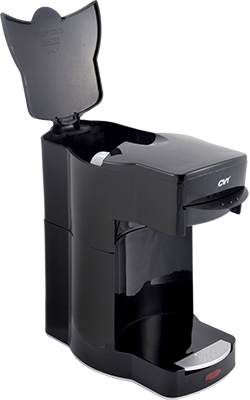
The CV1 coffee maker is a compact brewer built for ease and consistent flavor. It blends simple controls with precise water flow to make a clean cup. Knowing the parts helps you use it well. Key parts include the water reservoir, brew head, filter basket, and carafe. Learn each part before brewing.
Common features to note:
- Water level marks for small and full brews.
- A removable filter basket for easy cleaning.
- A drip-stop or pour-through design for steady extraction.
From my experience, taking a minute to inspect the machine each day saves time and prevents messy starts. Small checks help the CV1 coffee maker last longer.

What you need before brewing
Gather items first. This keeps the process smooth and fast.
Essentials to prepare:
- Fresh whole beans or pre-ground coffee.
- A burr grinder if you use whole beans.
- Filter paper or the machine’s reusable filter.
- Clean, cold water and a measuring spoon or scale.
- A clean carafe or mug.
I recommend weighing beans. Weighing boosts consistency and helps you nail the recipe every time. Using filtered water improves taste and machine longevity.

Step-by-step: how to use a CV1 coffee maker
Follow these simple steps for a reliable brew. Short steps make the CV1 coffee maker easy to master.
- Fill the reservoir
- Open the water tank. Pour cold, filtered water to the desired mark. Close the lid.
- Add a filter
- Insert a paper or mesh filter into the basket. Ensure it sits flat.
- Measure coffee
- Use 1 to 2 tablespoons per 6 ounces of water. For greater accuracy, use 15 grams of coffee per 250 ml of water.
- Grind the beans
- Use a medium grind, like table salt. Too fine clogs the machine. Too coarse makes the coffee weak.
- Add coffee to the basket
- Level the grounds. Do not tamp. The CV1 coffee maker needs an even bed for steady extraction.
- Start the brew
- Put the carafe in place and press brew. Let the CV1 coffee maker run its full cycle for even flavor.
- Serve and enjoy
- Pour immediately for the best taste. If warm holding is needed, remove the carafe from the hot plate occasionally to protect flavor.
I learned that small grind tweaks change flavor a lot. Adjust grind and dose by one step until the cup tastes right.

Fine-tuning taste and grind recipes
Dialing in taste is part science and part taste test. Use a few simple rules to tune your CV1 coffee maker.
Basic tune rules:
- If coffee tastes sour, try a finer grind or slightly higher brew temperature.
- If coffee tastes bitter or over-extracted, try a coarser grind or reduce brew time.
- If coffee tastes weak, increase dose or grind finer a bit.
A routine I use:
- Start with a 1:16 coffee-to-water ratio. Example: 15 grams coffee to 240 ml water.
- Adjust by 0.5 grams or 5-10 ml each brew until happy.
Keep notes. A simple log of grind, dose, and taste helps you repeat wins quickly.

Cleaning and routine maintenance
Regular cleaning keeps the CV1 coffee maker brewing well. Clean parts often to avoid buildup.
Daily care:
- Empty used grounds after each brew.
- Rinse the filter basket and carafe with warm water.
- Wipe the exterior with a damp cloth.
Weekly care:
- Deep wash the basket and carafe with mild soap.
- Clean hard-to-reach areas with a soft brush.
Monthly care:
- Descale the CV1 coffee maker if your area has hard water. Use a descaling solution or a mild vinegar mix, then run several fresh water cycles to rinse.
I once skipped descaling for months and the machine’s flow slowed. After descaling the CV1 coffee maker, the brew time returned to normal and the cup tasted cleaner.

Common problems and quick fixes
Problems happen, but most are easy to fix. Try these quick steps before calling support.
Problem: Machine won’t start
- Check power and outlet. Ensure the carafe sits properly. Clean the contacts and switches.
Problem: Slow flow or weak brew
- Clean the spray head and descale. Check for clogged filter or very fine grind.
Problem: Bitter or burnt taste
- Lower the water temperature if adjustable. Use a coarser grind or reduce brew time.
Problem: Leaks or drips
- Check the carafe seal and filter basket fit. Replace worn gaskets if needed.
These fixes cover most issues I saw with the CV1 coffee maker. Keep a small tool kit and spare filters handy for fast repairs.

Coffee beans, grind size, and storage tips
The beans you use shape every cup. Good beans and careful storage keep flavor high.
Bean tips:
- Buy small batches and use within 3–4 weeks of roast.
- Choose medium roast for balanced cups with the CV1 coffee maker.
Grind tips:
- Use a burr grinder for even particles.
- Aim for a medium grind similar to granulated sugar.
Storage tips:
- Store beans in an airtight container away from light and heat.
- Avoid the fridge; moisture harms beans.
Changing beans can reset your expectations. When I switched roasts, I adjusted grind and dose to match the new profile. The CV1 coffee maker handled both smoothly.
Safety and best practices
Use the CV1 coffee maker safely. Small habits protect you and the machine.
Safety points:
- Unplug before cleaning or descaling.
- Never immerse the main unit in water.
- Use heat-safe carafes only.
- Keep the machine on a stable, flat surface.
Avoid overfilling the water tank. I once overfilled and had a small spill. Simple care prevents accidents and keeps the CV1 coffee maker reliable.

Frequently Asked Questions of how to use a cv1 coffee maker
How fine should I grind beans for the CV1?
A medium grind works best, about the texture of table salt. Too fine slows flow and over-extracts, while too coarse under-extracts and tastes weak.
How much coffee should I use with my CV1 coffee maker?
Start with 1 gram of coffee per 16 ml of water (1:16 ratio). Adjust by small amounts to match your taste preference.
How often should I descale the CV1 coffee maker?
Descale every 2–3 months in hard water areas or every 4–6 months with soft water. Regular descaling keeps flow steady and taste clean.
Can I use reusable filters in the CV1?
Yes, reusable filters work fine and reduce waste. Rinse them after each brew to avoid old oils affecting flavor.
Why does my CV1 coffee taste bitter sometimes?
Bitter coffee often means over-extraction. Try a coarser grind, lower dose, or shorter brew time to fix it.
Conclusion
You now have a clear plan for how to use a CV1 coffee maker. Follow the setup steps, use fresh beans and the right grind, and clean the machine often. Start with small adjustments to find the taste you love. Try one change at a time and keep a simple log to track results. If you enjoyed this guide, leave a comment, subscribe for more brewing tips, or share your CV1 coffee maker successes.

Liora Pennings is a seasoned chef and kitchen enthusiast with a passion for turning everyday cooking into an effortless experience. With years of hands-on culinary expertise, she specializes in practical techniques, ingredient know-how, and smart kitchen solutions that help home cooks elevate their meals. At KitchFlair.com, Liora shares her best tips, time-saving tricks, and honest product reviews to guide readers toward a more efficient, enjoyable, and inspired cooking routine. Whether you’re a beginner or a seasoned home chef, Liora’s friendly, knowledge-packed insights make every visit to the kitchen a little easier—and a lot more delicious.
Leave a Reply