How To Troubleshoot Coffee Maker Not Heating Water: Fix It
Check water, power, and the heating element first; then follow clear step-by-step fixes.
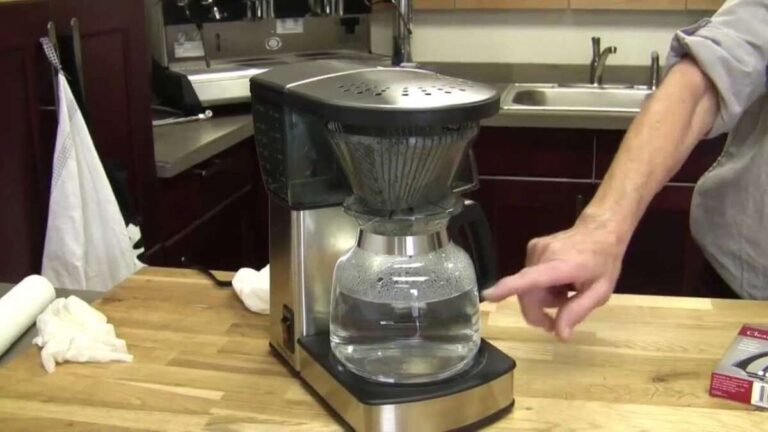
I’ve spent years fixing small appliances and coaching friends through stubborn coffee maker problems, so this guide shows you exactly how to troubleshoot coffee maker not heating water. You’ll get simple diagnostic steps, safety tips, real-life fixes I’ve used, and clear signs that it’s time to repair or replace your machine. Read on and you’ll be brewing again today.
Why a coffee maker fails to heat water
A coffee maker that won't heat water usually has one of a few common issues. The problem can be electrical, a failed heating element, clogged scale, a broken thermal fuse, or a faulty control board. Knowing the likely causes helps you target the right test and fix.
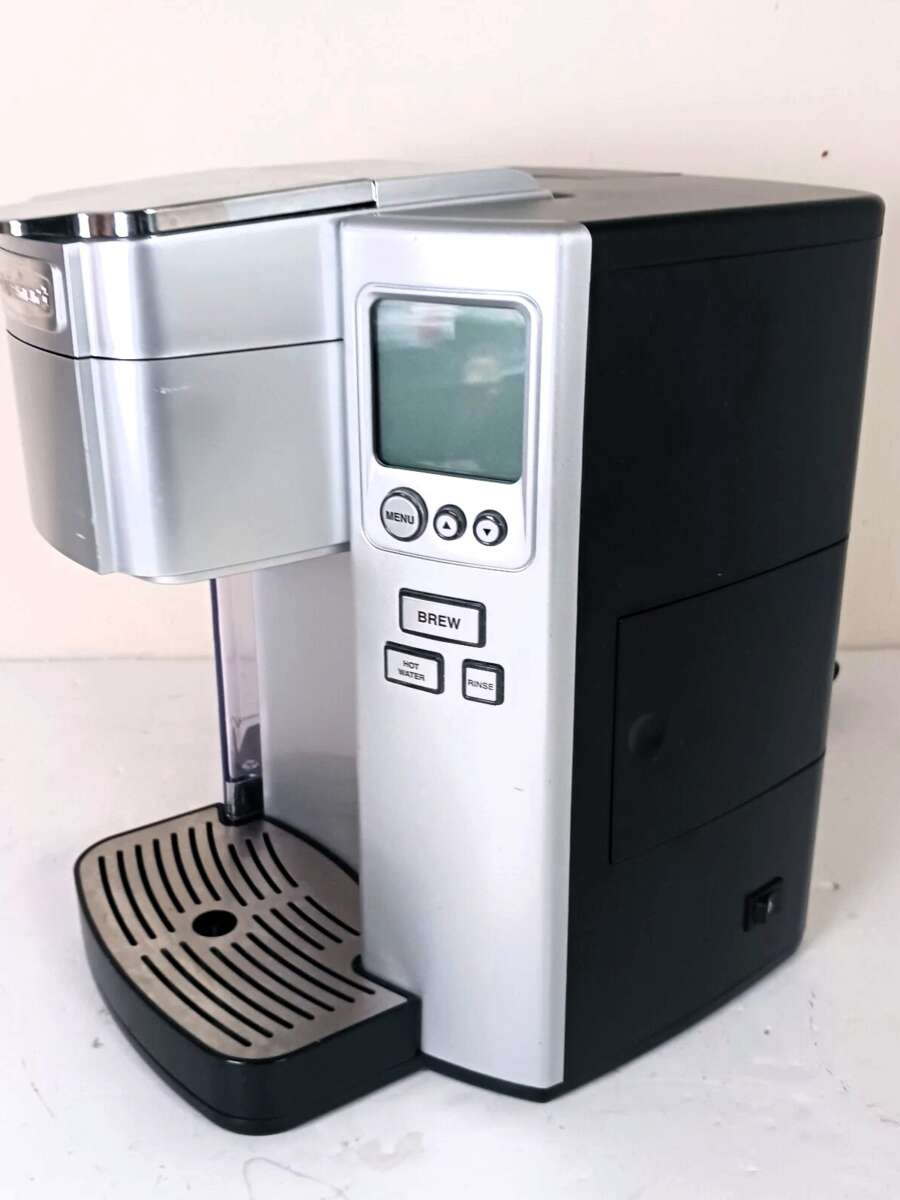
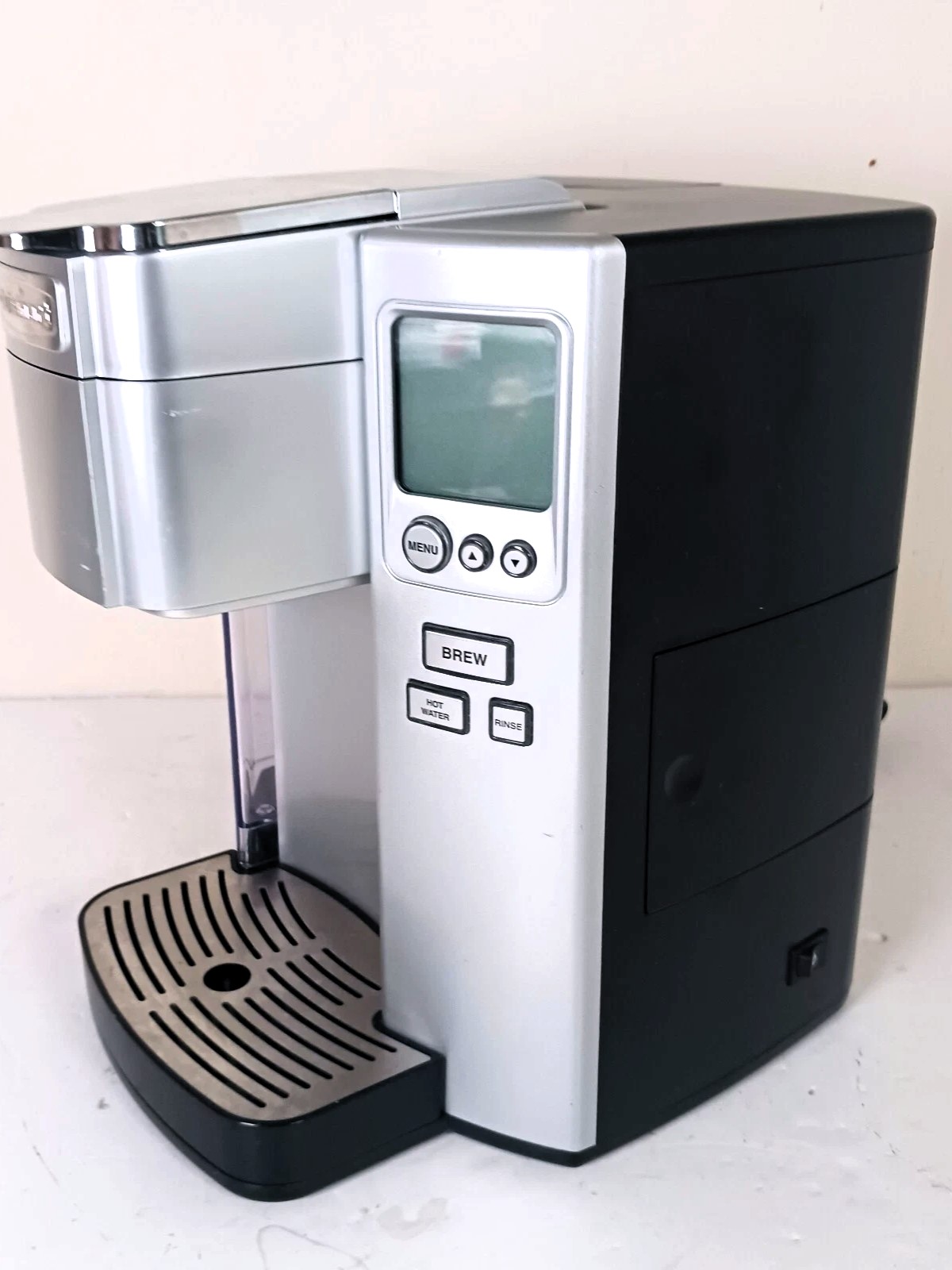
Most home drip machines use a heating element or thermoblock that warms water quickly. If that part fails, water stays cold. Mineral buildup or a clogged tube can also stop hot water flow even when the element works. Here’s how to tell what’s wrong and how to troubleshoot coffee maker not heating water safely and efficiently.
Safety first: tools and precautions
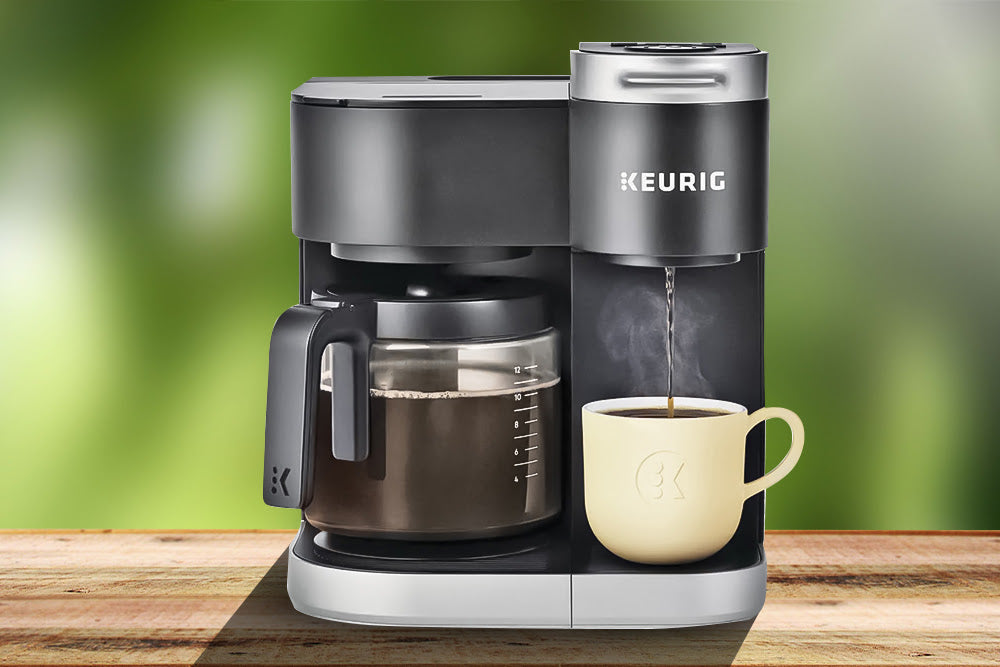
Before you start troubleshooting, keep safety in mind. Unplug the machine before opening it. Use insulated tools and wear gloves if you’ll touch internal parts. Work in a dry area and avoid water near electrical outlets.
Tools you’ll need:
- Multimeter for voltage and continuity checks
- Small screwdriver set for access panels
- Funnel and descaling solution or white vinegar
- Needle or paperclip for clearing spray holes
- Soft brush and cloth for cleaning
These basics will help you test power and components safely while you learn how to troubleshoot coffee maker not heating water.

Step-by-step troubleshooting checklist
Follow this ordered checklist. Test one item, then move to the next. Keep notes of what you tried.
- Confirm power and outlet
- Plug another device into the same outlet to verify power. Reset any nearby GFCI or wall switches.
- Check the cord for frays or damage. Replace the cord if it’s cracked or burned.
- Inspect basic settings
- Ensure the machine is turned on and the brew cycle is selected correctly.
- Some machines have a delay-brew or energy-save mode that prevents heating. Turn those off.
- Run a water-only cycle
- Fill the reservoir with water and run a brew without coffee grounds.
- If the machine cycles but water stays cold, the heating element or thermostat is suspect.
- Descale and clean
- Mineral scale can block hot-water flow. Run a descaling cycle with manufacturer solution or a 1:1 vinegar-water mix.
- After descaling, flush with plain water several times.
- Check thermal fuses and thermostats
- Unplug machine and open access panel. Locate the thermal fuse and thermostat near the heating element.
- Use a multimeter to test for continuity. No continuity usually means the fuse or thermostat has failed.
- Test the heating element or thermoblock
- With the machine unplugged, test the element for continuity with a multimeter. A reading of zero or infinite resistance indicates a problem.
- For thermoblocks, check heater connections and look for visible faults.
- Inspect internal tubing and valves
- Clogged tubes or a blocked check valve can stop hot water. Clear passages with a soft brush or compressed air.
- Inspect the pump—if it runs but no hot water flows, the heater might be isolated from water path.
- Examine control board and relays
- If power reaches the element but it doesn’t heat, relays or the control board may be faulty.
- Look for burnt components or blown solder joints. This is often a job for a technician.
Use this sequence to methodically determine how to troubleshoot coffee maker not heating water without guessing.

How to test electrical parts (simple multimeter checks)
Testing key parts narrows down the problem fast. Here are safe, practical multimeter checks I use.
Testing steps:
- Set meter to continuity or low ohms.
- Test the power cord continuity from plug to internal connector.
- Test the thermal fuse by disconnecting it and checking for continuity. No beep means it’s open.
- Test the heating element across its terminals. A typical resistance value varies by model; check your manual. Infinite resistance means an open element.
- Check the thermostat similarly; some thermostats are one-shot safety devices.
If you’re uncomfortable with wiring, stop and get a professional. I learned this after nearly damaging a control board by rushing a test.
Common fixes you can do at home
Many problems are simple and cheap to fix. Try these before paying for service.
- Descaling
- Run a full descaling cycle. This often restores heating function when scale blocks flow.
- Replace thermal fuse or thermostat
- These parts are inexpensive and commonly available. Follow a service manual or video for replacement.
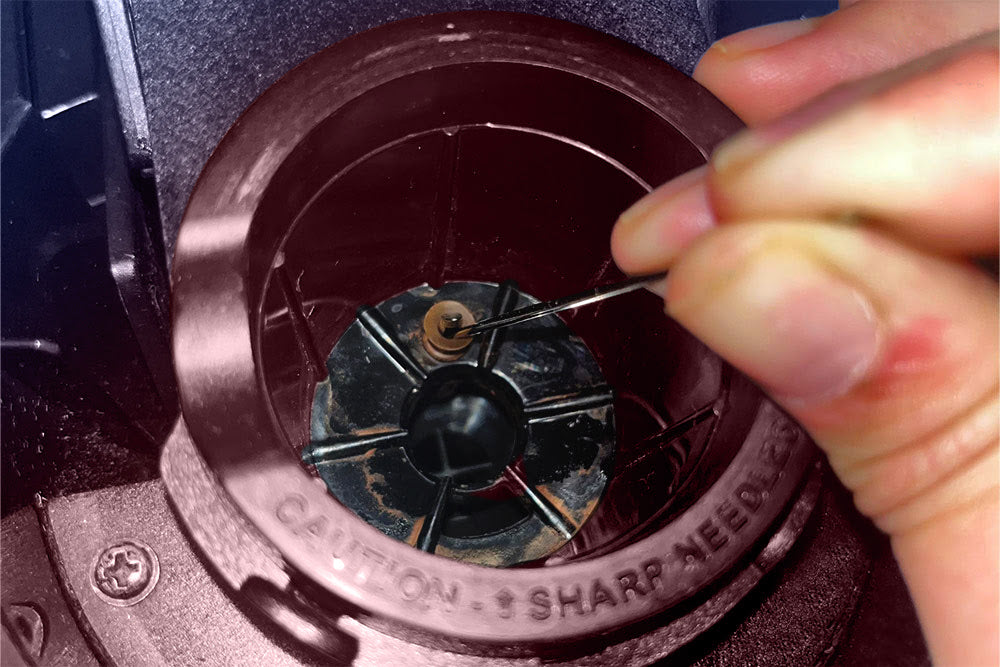
- Clean spray head and tubes
- Use a needle to clear tiny holes and a brush for tubing.
- Replace damaged power cord
- If the cord is visibly damaged, replace it with a matching rated cord.
- Reseat connectors
- Unplug and replug electrical connectors to fix loose connections.
I fixed a travel coffee maker by replacing its thermal fuse for under $10. It worked like new after that.
When to call a pro or replace the machine
Some issues are better left to technicians or signal that replacement is wiser.
Consider repair if:
- The machine is mid-range or high-end and the control board is at fault.
- You find a single, replaceable failed component like a fuse or element.
Consider replacement if:
- The cost of parts and labor is more than half the price of a new machine.
- The machine has multiple failing systems, severe corrosion, or water damage.
If you don’t have safe electrical skills, a trained appliance tech can diagnose control-board faults properly.

Maintenance tips to prevent future heating failures
Regular care keeps your coffee maker heating reliably. I recommend these habits:
- Descale monthly in hard-water areas and every 3 months in soft-water areas.
- Empty and dry the reservoir when not used for days.
- Use filtered water to reduce mineral buildup.
- Clean the spray head and basket weekly.
- Inspect cords and plugs periodically for wear.
These small steps save time and money and reduce how often you must troubleshoot coffee maker not heating water.

Troubleshooting examples from real life
Example 1: No heat, pump runs
- Symptom: You hear the pump but water remains cold.
- Fix: Tested thermal fuse—no continuity. Replaced fuse and machine heated normally.
Example 2: Intermittent heating
- Symptom: Sometimes it heats, sometimes not.
- Fix: Loose connector at heater. Secured connector and taped. Problem solved.
Example 3: Hot water for a while, then stops
- Symptom: Heats initially then cuts out.
- Fix: Overheat thermostat tripping due to clogged flow. Descaled and restored flow.
These examples show how methodical testing narrows down the real issue when you need to troubleshoot coffee maker not heating water.
Troubleshooting checklist you can follow quickly
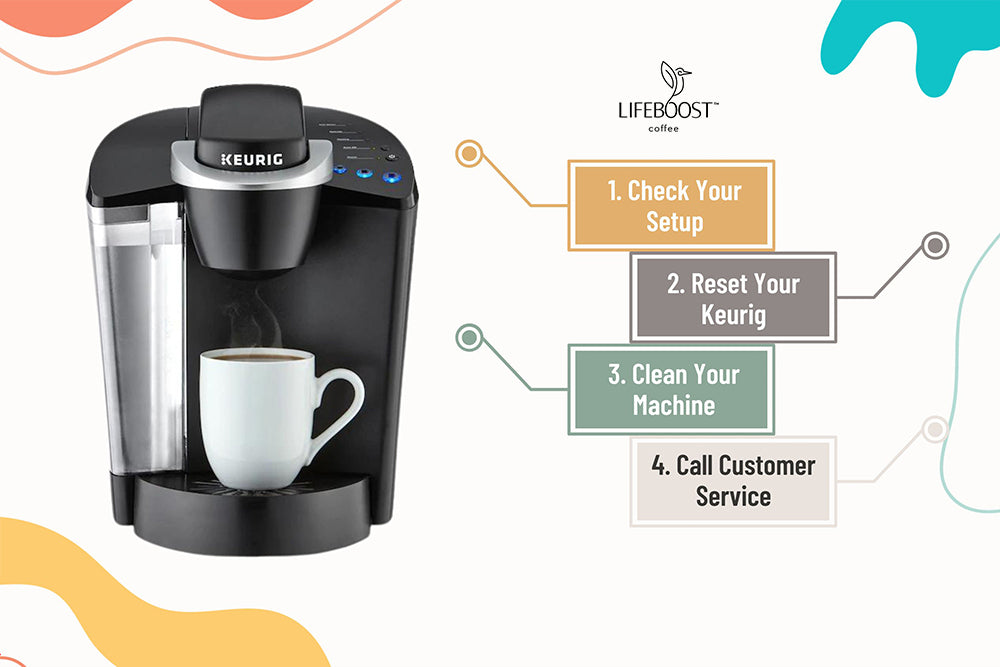
Use this short checklist when you’re pressed for time:
- Verify outlet power and machine settings.
- Run water-only brew to confirm heating failure.
- Descale the machine.
- Test thermal fuse and heating element with a multimeter.
- Check tubing and spray head for clogs.
- Inspect the control board if power reaches the element.
Keep this checklist handy for fast diagnostics and fewer wasted repairs.
Frequently Asked Questions of how to troubleshoot coffee maker not heating water
Why is my coffee maker plugged in but not heating?
If the machine is plugged in but not heating, check the outlet, power cord, and internal thermal fuse. The heating element or control board may also have failed.
Can mineral scale stop a coffee maker from heating?
Scale usually reduces flow and can prevent hot water from reaching the carafe, though it rarely kills the heating element by itself. Descale regularly to prevent flow issues.
How do I test the heating element safely?
Unplug the machine, access the element terminals, and use a multimeter set to ohms. Infinite resistance means the element is open and likely needs replacement.
Is it safe to replace a thermal fuse myself?
Yes, if you are comfortable opening the machine and following safety steps. Always unplug the appliance and follow a guide specific to your model.
When should I replace the coffee maker instead of repairing it?
Replace if repair costs exceed half the price of a new unit, or if the machine has multiple failing parts, severe corrosion, or water damage.
Conclusion
Troubleshooting a coffee maker that isn’t heating water is a series of simple tests: confirm power, descale, and test fuses and the heating element. Use safe multimeter checks, and try inexpensive fixes before getting professional help. Regular maintenance prevents many failures and keeps your coffee routine smooth.
Take action now: follow the checklist, try a descaling cycle, and test the easy parts. If you’re still stuck, share details or photos, and I’ll help you troubleshoot further. Consider subscribing or leaving a comment with your make and model for tailored advice.

Liora Pennings is a seasoned chef and kitchen enthusiast with a passion for turning everyday cooking into an effortless experience. With years of hands-on culinary expertise, she specializes in practical techniques, ingredient know-how, and smart kitchen solutions that help home cooks elevate their meals. At KitchFlair.com, Liora shares her best tips, time-saving tricks, and honest product reviews to guide readers toward a more efficient, enjoyable, and inspired cooking routine. Whether you’re a beginner or a seasoned home chef, Liora’s friendly, knowledge-packed insights make every visit to the kitchen a little easier—and a lot more delicious.