How To Test Vacuum Cleaner Motor With Multimeter: Quick Fix
Check motor windings and continuity with a multimeter set to ohms; look for open circuits or shorts.
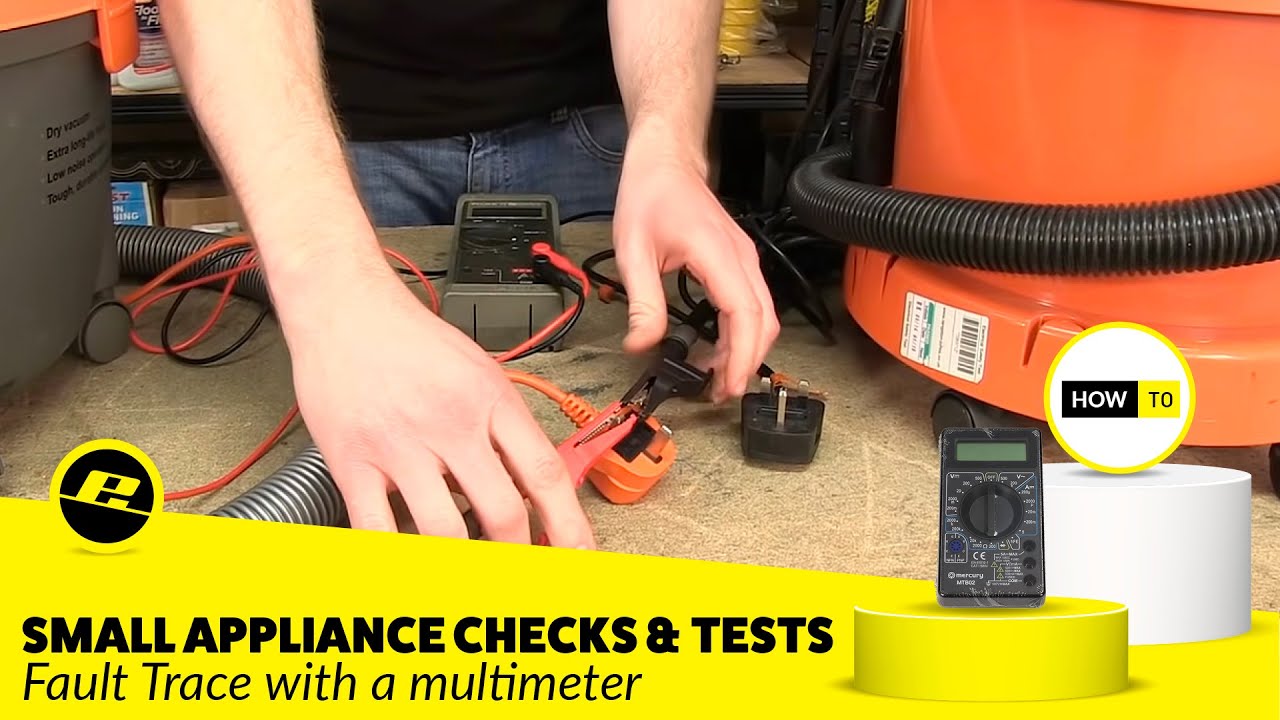
I’ve spent years fixing vacuums and teaching homeowners simple tests. This guide walks you through exactly how to test vacuum cleaner motor with multimeter step by step. You’ll learn what readings to expect, how to interpret them, and safe ways to access the motor. I explain common mistakes I’ve made and how to avoid them, so you can diagnose your vacuum motor confidently.
Tools, safety, and prep
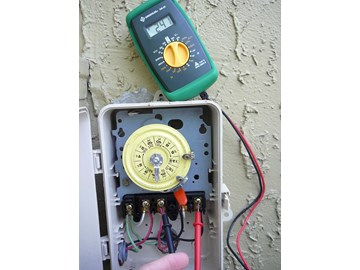
Before you begin testing how to test vacuum cleaner motor with multimeter, gather the right tools and follow safety steps.
- Multimeter with ohms, continuity, and AC voltage ranges
- Insulated screwdrivers and pliers
- Nut drivers or socket set for motor access
- Insulating gloves and eye protection
- Small brush or compressed air to clean dust
Safety first. Unplug the vacuum and remove the dust bag or canister. Discharge any capacitors by waiting or shorting per manufacturer guidance. Take photos of wiring before you disconnect anything. If you ever feel unsure, stop and contact a pro.

How vacuum motors work — quick overview
Understanding basic function helps when you test vacuum cleaner motor with multimeter. Most household vacuums use a universal brushed motor. It has two key parts:
- Stator and field windings that create a magnetic field
- Rotor (armature) with commutator segments and brushes
When current flows, the armature spins. Problems usually come from open windings, shorted windings, worn brushes, or shorts to the motor casing. Knowing these parts makes test results meaningful.

Accessing the motor safely
You must reach the motor to measure windings and insulation. Follow these steps before testing how to test vacuum cleaner motor with multimeter.
- Unplug the unit and remove attachments.
- Remove the dust container and any covers blocking motor access.
- Note or photograph wire locations so you can reconnect correctly.
- Disconnect motor leads from the harness. Isolate the wires so they don’t touch anything.
- Remove carbon brushes if needed to isolate windings from external circuit.
Take your time. Stripped screws or broken clips are common. If plastic is brittle, warm it slightly or use penetrating oil on metal fasteners.

Step-by-step: How to test vacuum cleaner motor with multimeter
Follow these measured steps to diagnose motor health with a multimeter.
- Inspect visually first
- Check for burn smells, melted insulation, frayed wires, or heavy carbon dust. These signs often indicate windings damage or severe brush wear.
- Set your multimeter
- Set to resistance (ohms) or the continuity beep for quick checks. For resistance between windings, use the low ohms range.
- Test continuity across field windings
- Place probes on the two field winding terminals. A normal reading usually shows a few ohms to a few dozen ohms depending on motor size. Infinite or “OL” means an open winding.
- Test armature (rotor) windings
- Place probes on the two commutator end terminals (or across armature leads if separate). Expect low resistance similar to the field windings. Open circuit is bad.
- Check for shorts to motor casing (insulation test)
- With one probe on a winding terminal and the other on the motor metal body, you should see infinite resistance. Any beep or low value indicates a short to ground.
- Check commutator segment-to-segment (basic)
- If you can access commutator segments, check continuity between adjacent segments. All should show continuity but not a dead short to chassis. For deeper diagnostics you need a growler or advanced tests.
- Test brushes and brush holders
- Measure the brush resistance to the armature while pressed to the commutator. Also visually inspect brushes for wear below the recommended length.
- Optional: live voltage test
- If wiring and switches are suspected, with care and protective gear, restore power and measure voltage at the motor leads while the unit is switched on. Do not touch moving parts. If correct voltage is present but motor does not run, the motor is likely bad.
Notes on readings:
- Exact resistance varies by model. Consult the motor label or manual for specs. If no specs, use relative judgement: sudden open circuits or near-zero short-to-ground readings mean failure.

Interpreting multimeter readings
When you perform tests on how to test vacuum cleaner motor with multimeter, readings tell the story.
- Open circuit (OL) between winding terminals — winding is broken, motor likely needs rewind or replacement.
- Very high resistance compared to spec — partial winding damage or poor connections.
- Very low resistance to chassis — winding shorted to ground, unsafe to run.
- Normal winding resistance but no motor spin with proper voltage — mechanical jam, seized bearings, or commutator/brush failure.
- Excessive brush wear or uneven commutator — poor contact, sparking, reduced power.
If readings are borderline and motor is rare or expensive, consider professional testing or compare with a working identical motor.

Common problems, fixes, and limitations
Here are typical faults you’ll find when learning how to test vacuum cleaner motor with multimeter and practical fixes.
-
Worn brushes
- Symptom: motor sputters, weak suction.
- Fix: replace brushes. They’re cheap and often solve the issue.
-
Open winding
- Symptom: no continuity on winding checks.
- Fix: rewind or replace the motor.
-
Short to chassis
- Symptom: continuity from winding to case.
- Fix: replace motor; rewind may not be cost-effective.
-
Commutator damage
- Symptom: heavy sparking, noise.
- Fix: clean or turn commutator; replace if segments are damaged.
Limitations of multimeter testing:
- A multimeter cannot detect all subtle issues like intermittents or localized shorted turns reliably.
- Specialized tests (growler, insulation resistance megger) or bench testing under load provide deeper insight.
My experience, mistakes to avoid, and practical tips
I once diagnosed a motor as dead when the brushes were the issue. I had forgotten to remove the brush circuit and measured a high resistance. Lesson learned: always isolate brushes and wiring before taking readings.
Tips I use every time I teach how to test vacuum cleaner motor with multimeter:
- Photograph wiring before disassembly to avoid errors when reassembling.
- Label screws and small parts in cups or tape.
- Clean dust and debris before probing; it hides connections.
- Use the continuity beep for quick ground checks—fast and reliable.
- When in doubt, compare to a working motor from the same model.
When to repair, rewind, or replace the motor
Deciding whether to repair or replace depends on cost, availability, and condition.
- Replace motor when the cost of rewind approaches or exceeds replacement, or when parts are scarce.
- Rewind when the motor is high quality, repair cost is reasonable, and the unit is worth preserving.
- Repair simple items like brushes, bearings, or commutator cleaning yourself.
If you find how to test vacuum cleaner motor with multimeter indicates a full rewind, get a quote first. Often buying a replacement motor is quicker and cheaper.

Frequently Asked Questions of how to test vacuum cleaner motor with multimeter
How do I know if my vacuum motor windings are shorted?
If a probe on a winding terminal to the motor casing shows a beep or low resistance, the winding is shorted to ground. Also look for unusually low resistance between winding terminals compared to the spec.
Can a multimeter detect a bad commutator?
A multimeter can show open armature windings or gross shorts between commutator segments, but it may miss hairline shorts. For detailed commutator testing use specialized tools or visual inspection.
What resistance values should I expect on a vacuum motor?
Values vary by motor size and model. Small universal motors often read a few ohms to a few dozen ohms across windings. Always compare to the motor’s specs for accuracy.
Is it safe to test a motor with power applied?
Only if you know what you are doing and use insulated tools and proper PPE. Measure voltage at motor leads quickly and avoid touching moving parts. Prefer diagnosing with the power off.
My multimeter shows continuity but the motor won’t run. Why?
Continuity shows the circuit isn’t open, but it doesn’t guarantee the motor will run under load. Check brushes, commutator condition, bearings, and ensure proper voltage is reaching the motor.
Can I test a brushless vacuum motor with a multimeter?
Yes, you can test for open circuits and shorts on brushless motor windings, but brushless systems often include electronics. Test both the windings and the controller for faults.
Conclusion
Testing how to test vacuum cleaner motor with multimeter gives clear answers about winding health, shorts to chassis, and basic armature condition. With simple tools, careful safety steps, and methodical checks, you can diagnose most common motor faults at home. Try the step-by-step tests, document your readings, and compare them to specs or a known-good motor. If you hit a wall, share your readings or model info and seek professional help. If this guide helped, subscribe or leave a comment with your motor model and results — I’ll help you interpret the numbers.

Liora Pennings is a seasoned chef and kitchen enthusiast with a passion for turning everyday cooking into an effortless experience. With years of hands-on culinary expertise, she specializes in practical techniques, ingredient know-how, and smart kitchen solutions that help home cooks elevate their meals. At KitchFlair.com, Liora shares her best tips, time-saving tricks, and honest product reviews to guide readers toward a more efficient, enjoyable, and inspired cooking routine. Whether you’re a beginner or a seasoned home chef, Liora’s friendly, knowledge-packed insights make every visit to the kitchen a little easier—and a lot more delicious.