How To Restore Vacuum Cleaner Suction After Blockage: Quick
Clear the hose, check filters, remove debris from brush roll, and reassemble for full suction.
I’ve spent years repairing and tuning vacuums for friends, renters, and my own home. In this guide I’ll show clear, tested steps for how to restore vacuum cleaner suction after blockage and keep your machine working like new. You’ll get simple checks, step-by-step fixes, safety tips, and long-term maintenance advice based on hands-on experience.
Common causes of suction loss
Suction drops for a few common, fixable reasons. Knowing the usual culprits helps you diagnose problems fast and reduces wasted time. I’ll list what I see most often and how each one affects airflow.
- Clogged hose or wand — Debris and large items can block the tube and cut airflow dramatically.
- Full or dirty filter — Dust-clogged filters choke suction and can strain the motor.
- Blocked brush roll or intake — Hair, fibers, and toys often wrap the brush and block the intake.
- Cracked seals or air leaks — Loose fittings let air escape and lower cleaning power.
- Full dustbin or bag — When the bin is packed, suction drops quickly.
Understanding these causes is the first step in how to restore vacuum cleaner suction after blockage. Starting with the simplest checks will save time and prevent unnecessary repairs.

Step-by-step checklist to restore suction
Follow this checklist to restore suction safely and effectively. Work top to bottom and test after each step so you don’t overdo repairs.
- Turn off and unplug the vacuum — Safety first; always disconnect power before working on the machine.
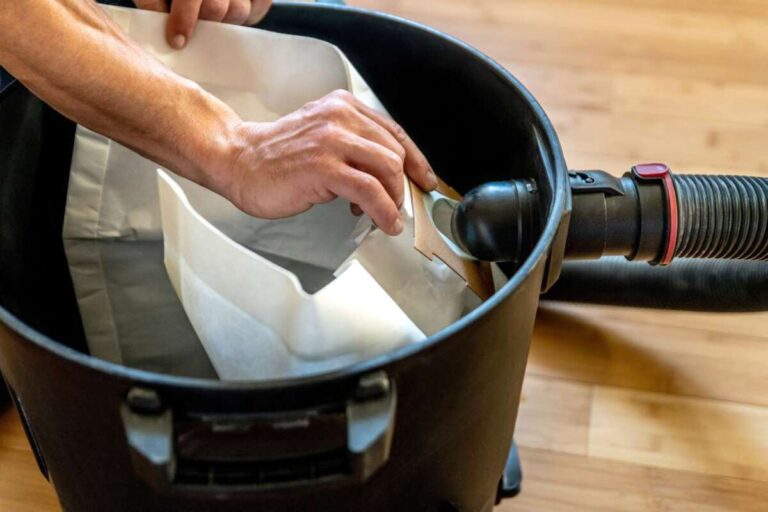
- Empty the dustbin or replace the bag — Remove all collected dirt and reseal the bin or install a fresh bag.
- Remove and clean filters — Rinse washable filters and let them dry fully; replace disposable filters.
- Inspect and clear the hose and wand — Detach both ends and look through them. Use a broom handle or a plumber’s snake for stubborn clogs.
- Check the brush roll and intake — Remove hair and fibers wrapped around the brush. Trim tangled threads with scissors.
- Examine seals and connections — Press parts together and look for cracks or gaps. Replace gaskets if needed.
- Reassemble and test suction — Run the vacuum on a bare floor to check improvement.
Practically every time I follow this checklist I restore suction without calling a technician. If one step fixed it, you’ve learned how to restore vacuum cleaner suction after blockage quickly and safely.
Tools, safety, and what to avoid
Use the right tools and follow safety tips to avoid damage or injury. Simple tools speed up repairs and prevent mistakes.
-
Basic tools to have on hand
- Stiff brush for cleaning filters and housings
- Long flexible rod or plumber’s snake for hoses
- Scissors for cutting tangled fibers
- Soft cloth and mild detergent for exterior cleaning
-
Safety tips
- Always unplug before opening compartments or touching moving parts.
- Allow washable filters to dry completely before reinstalling to avoid mold and motor damage.
- Don’t use sharp metal objects inside plastic hoses; they can puncture or enlarge holes.
A few things to avoid: never run the vacuum with the housing open, and don’t pour water into the motor compartment. Following these rules helps you learn how to restore vacuum cleaner suction after blockage without causing new problems.

Maintenance tips to prevent future blockages
Regular care keeps suction strong and saves money. Small habits go a long way.
- Empty dustbin or change bag frequently — Home use: weekly; heavy use: more often.
- Clean or replace filters on schedule — Check manufacturer recommendations. Rinse washable filters monthly.
- Remove long hair from brush roll weekly — Use a seam ripper or scissors to cut and pull hair.
- Inspect hose and crevice tools monthly — Knock out or run water through removable hoses, then dry fully.
- Store attachments properly — Keep tools together so nothing slips into the hose.
From my experience, setting a simple monthly check prevents most blockages. Learning how to restore vacuum cleaner suction after blockage becomes a rare task with these habits.
Troubleshooting persistent problems and advanced checks
If basic fixes don’t restore suction, move to deeper diagnostics. These steps assume you are comfortable with minor disassembly.
- Check motor and impeller airflow — If you hear the motor but feel little suction, the impeller may be blocked or damaged. Open the housing and inspect for debris.
- Test for air leaks with a tissue — Move a tissue along joints and seals while the vacuum runs; a flapping tissue shows escaping air.
- Inspect belts and brush drive — A slipping or broken belt can reduce pickup power. Replace worn belts.
- Replace non-washable filters and HEPA units if clogged — Filters can be a silent cause of poor suction even when the bin is empty.
- Consider professional service for motor or electronics issues — Electrical faults and worn bearings require trained repairers.
When you’ve tried these and still struggle, it’s time to call a pro. Knowing how to restore vacuum cleaner suction after blockage includes understanding when a repair goes beyond DIY.

Quick answers to common user questions (PAA-style)
Q: Why is my vacuum losing suction suddenly?
A: Sudden suction loss usually means a new blockage in the hose, a full dustbin, or a sealed filter. Check those first.
Q: Can I use water to clean all filters?
A: Only wash filters labeled as washable. Dry them completely before reinstalling to avoid motor damage.
Q: How do I unclog a long, narrow hose?
A: Use a flexible rod or plumber’s snake from both ends, and gently push debris out. Recheck visually.
Q: Will replacing the bag improve suction?
A: Yes. A full bag or tightly packed dustbin reduces airflow and cleaning power instantly.
Q: How often should I replace the belt?
A: Inspect belts every few months and replace if cracked, stretched, or slipping to keep brush performance strong.
Frequently Asked Questions of how to restore vacuum cleaner suction after blockage
What is the first thing I should check when suction drops?
Start by unplugging the vacuum and emptying the dustbin or replacing the bag. Then check filters and the hose for visible clogs.
How do I know if the filter needs replacing versus cleaning?
If a washable filter cleans up and regains shape, cleaning may be enough. If it’s damaged, torn, or no longer springs back, replace it.
Is it safe to use tools to push a clog through the hose?
Use soft, flexible tools like a plastic snake or broom handle; avoid sharp metal objects that can puncture the hose. Always work from both ends if possible.
Can carpet fibers wrapped around the brush roll cause suction loss?
Yes. Hair and fibers wrapped around the brush block rotation and cut airflow, reducing suction and cleaning power.
When should I contact a repair service?
Call a pro if you suspect motor damage, burnt smells, persistent low suction after clearing clogs, or electrical issues. Those signs go beyond routine maintenance.
Conclusion
You can fix most suction problems by following a clear checklist: unplug, empty, clean filters, clear hoses, check the brush roll, and reseal connections. Regular maintenance prevents many blockages and keeps life easy. Try the steps here and track what helped so you can act faster next time. If you found this helpful, test these fixes on your vacuum, subscribe for more appliance tips, or leave a comment about your experience restoring suction.

Liora Pennings is a seasoned chef and kitchen enthusiast with a passion for turning everyday cooking into an effortless experience. With years of hands-on culinary expertise, she specializes in practical techniques, ingredient know-how, and smart kitchen solutions that help home cooks elevate their meals. At KitchFlair.com, Liora shares her best tips, time-saving tricks, and honest product reviews to guide readers toward a more efficient, enjoyable, and inspired cooking routine. Whether you’re a beginner or a seasoned home chef, Liora’s friendly, knowledge-packed insights make every visit to the kitchen a little easier—and a lot more delicious.