How To Repair Coffee Maker Lid Not Closing Properly: Guide
Clean debris, tighten or realign the hinge, and replace a broken latch to restore proper closure.
I’ve repaired dozens of coffee machines and written guides for small appliance fixes. If your machine’s lid won’t close, this article explains how to repair coffee maker lid not closing properly with clear steps, safety tips, and smart troubleshooting. You’ll learn simple fixes, when to replace parts, and how to prevent the problem. Read on for practical, tested advice that saves time and money.

Common causes of a lid that won't close
Knowing why lids fail helps you fix them fast. Here are the most common reasons you’ll see when you research how to repair coffee maker lid not closing properly.
- Worn latch or hook — Plastic latches wear or break with time.
- Loose hinge screws — Screws can back out from repeated use.
- Dirt, scale, or coffee grounds — Debris gets in hinge slots and stops motion.
- Warped or swollen plastic — Heat and humidity can change part shape.
- Misaligned parts after a drop — A small shock can bend a hinge.
- Gasket or seal bulge — A bad seal can push the lid off alignment.
I’ve seen steel pins come loose and tiny coffee grounds jam the latch. Most problems are simple to fix.

Tools and safety items you need
Before you start, gather simple tools. Safety first. This will make how to repair coffee maker lid not closing properly easier and safer.
- Small Phillips and flathead screwdrivers — For screws and prying.
- Needle-nose pliers — Good for pins and small parts.
- Cotton swabs and toothbrush — For cleaning tight spots.
- Isopropyl alcohol or mild detergent — To remove grease and gunk.
- Replacement parts (latch, hinge pin, seal) — If a component is cracked.
- Towel and small container — To hold screws and protect counters.
- Work gloves and unplugged machine — Always unplug the machine first.
I always work with the machine unplugged. It keeps me safe and prevents accidental switches.
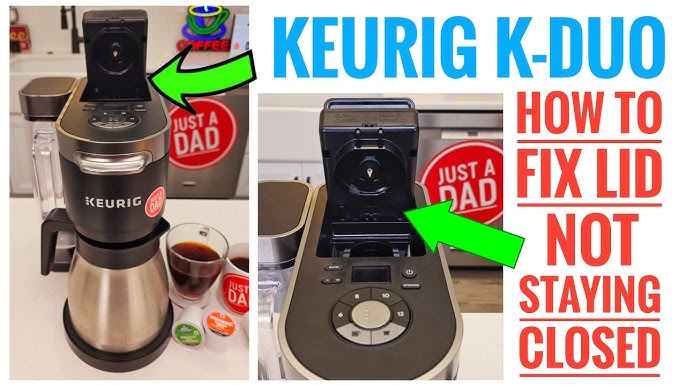
Step-by-step repair guide: How to repair coffee maker lid not closing properly
Follow these steps in order. They cover the most common fixes. Each step is short and clear.
- Inspect the lid and hinge
- Unplug the coffee maker.
- Open the lid and look for cracked plastic, loose screws, and debris.
- Test by gently closing the lid to feel where it binds.
- Clean the hinge and latch area
- Use a toothbrush and warm soapy water or isopropyl alcohol.
- Remove crumbs, coffee oils, and scale from hinge slots.
- Dry fully before testing closure.
- Tighten loose screws and fasteners
- Use the right screwdriver to snug but not over-tighten screws.
- If a screw spins, replace it or use a slightly larger screw for a tight fit.
- Realign the hinge
- Loosen hinge screws slightly.
- Gently move the lid into the proper position.
- Tighten screws while holding the lid aligned.
- Replace worn or broken latch parts
- If the latch is cracked, order the OEM part or a close match.
- Remove the old latch with pliers or screwdriver and install the new part.
- Replace or adjust the hinge pin
- If the hinge pin is bent or missing, remove it and fit a new one.
- A small roll pin or stainless steel rod often works as a replacement.
- Fix warped plastic or swollen seals
- Warm the area gently with a hairdryer to reshape plastic slightly.
- Replace badly warped parts or seals to restore alignment.
- Final test and calibration
- Plug in the machine.
- Run a water-only cycle to check for leaks.
- Open and close the lid 10–15 times to ensure smooth action.
When I fixed my first at-home coffee maker, a thin ring of coffee grounds was the culprit. Cleaning solved it in five minutes. If a part is brittle or cracked, replacement is safer than repeated DIY repairs.

Preventive maintenance to avoid future lid problems
A little care prevents future repairs. These habits reduce wear and keep the lid closing properly.
- Clean the hinge monthly — Use a cotton swab and mild cleaner.
- Empty and rinse the brew basket daily — Prevent grounds buildup near the lid.
- Check screws every few months — Tighten any that have loosened.
- Store in a dry place — Humidity causes swelling and warping.
- Use OEM parts for replacements — They fit better and last longer.
I keep a small kit with spare screws and a hinge pin. That ready kit saved me a wasted morning once when a screw stripped in the middle of a busy week.

When to replace the coffee maker or call a pro
Not every lid problem is worth fixing yourself. Here are signs that you should replace the unit or hire a repair technician.
- Cracks in the main housing near the hinge — Structural damage reduces safety.
- Electrical faults or water inside electronic parts — This is hazardous.
- Replacement parts are unavailable or more expensive than a new machine.
- Multiple failures or age over 8–10 years — New models are more efficient and safer.
If you find water where the wiring is, stop and consult a pro. Safety matters more than saving a few dollars.

Troubleshooting checklist (quick fixes)
Use this checklist when you need a fast solution. It’s handy for coffee lovers who want to solve how to repair coffee maker lid not closing properly quickly.
- Is the machine unplugged? If no, unplug it before touching anything.
- Are there visible crumbs or coffee oil in the hinge? Clean them out.
- Do screws feel loose? Tighten them gently.
- Is the latch cracked? Replace the latch part.
- Is the plastic warped or bulging? Try gentle heat or replace the part.
- Did you test the lid motion after each fix? Test repeatedly.
Run through this list before ordering parts or calling a technician. It often saves time and money.

Frequently Asked Questions of how to repair coffee maker lid not closing properly
Why does my coffee maker lid not close after cleaning it?
If the lid won’t close after cleaning, parts may have shifted while drying or a seal is misaligned. Check hinge alignment and tighten screws, then test closure.
Can I glue a cracked latch instead of replacing it?
You can use a strong plastic adhesive for a temporary fix, but glue may fail with heat and repeated use. Replace the latch for a long-term, safe repair.
How do I find replacement parts for my coffee maker?
Search by model number on the manufacturer’s site or parts suppliers. You can also check third-party sellers for compatible latches and hinge pins.
Is it safe to heat-warp plastic back into shape?
Use low heat from a hairdryer and gentle pressure. Do not use open flame or high heat, as that can damage the machine or release fumes.
How often should I inspect the hinge and lid?
Check the hinge and lid every one to three months, depending on use and local water hardness. Regular checks reduce the chance of sudden failure.
Conclusion
You can fix most lid problems with simple tools, careful cleaning, and a few parts. The best approach to how to repair coffee maker lid not closing properly is to inspect, clean, tighten, and replace only the damaged part. Start with the easy fixes and stop if you see electrical or structural hazards. Take action now: check your hinge, tighten loose screws, and order a replacement latch if needed. If this guide helped, leave a comment, share your repair story, or subscribe for more hands-on appliance tips.

Liora Pennings is a seasoned chef and kitchen enthusiast with a passion for turning everyday cooking into an effortless experience. With years of hands-on culinary expertise, she specializes in practical techniques, ingredient know-how, and smart kitchen solutions that help home cooks elevate their meals. At KitchFlair.com, Liora shares her best tips, time-saving tricks, and honest product reviews to guide readers toward a more efficient, enjoyable, and inspired cooking routine. Whether you’re a beginner or a seasoned home chef, Liora’s friendly, knowledge-packed insights make every visit to the kitchen a little easier—and a lot more delicious.