How To Repair Coffee Maker Hot Plate Not Working: Fixes
Replace a faulty heating element or thermostat, or clean the switch and contacts to restore heat.
I’ve spent years fixing small kitchen appliances and teaching homeowners simple, safe repairs. This guide shows clear steps for how to repair coffee maker hot plate not working, from basic checks to part-level fixes. You’ll get practical troubleshooting, safety rules, replacement part tips, and real-world lessons so you can make an informed repair—or know when to call a pro. Read on and you’ll confidently diagnose and often fix the hot plate yourself.
Why the hot plate stops working
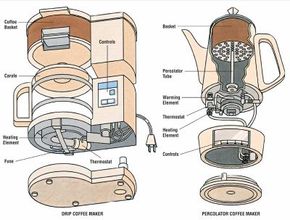
Knowing common causes makes the repair faster. Here are the usual reasons the hot plate in a drip coffee maker stops heating:
- Heating element failure. The element can burn out from age or overheating.
- Faulty thermostat or temperature sensor. These control power to the hot plate and can fail.
- Bad switch or relay. The on/off control may not pass current properly.
- Loose wiring or bad contacts. Vibration and heat can loosen connections.
- Blown fuse or tripped thermal cutout. Some models have safety fuses that open.
- Scale and debris. Heavy mineral buildup can insulate the plate or sensors.
Most failures are electrical or thermal. Understanding these points helps you choose the right test and repair path for how to repair coffee maker hot plate not working.

Safety first: before you attempt to repair coffee maker hot plate not working
Safety prevents small repairs from becoming accidents. Follow these steps every time:
- Unplug the coffee maker and let it cool for at least 30 minutes.
- Move to a dry, well-lit work area and lay down a towel or anti-static mat.
- Gather insulated tools, a multimeter, and small screwdrivers.
- Wear safety glasses and avoid jewelry that can short circuits.
- Take photos of wiring and parts before you remove them to aid reassembly.
If you are uncertain about electrical work, stop and consult a qualified technician. Safety is non-negotiable when learning how to repair coffee maker hot plate not working.

Troubleshooting: step-by-step guide to repair coffee maker hot plate not working
Follow this ordered checklist. Work through each step until the hot plate heats again.
- Visual check
- Inspect the plate, power cord, and plug for damage. Look for burn marks, melted plastic, or loose screws.
- Confirm power
- Plug another small appliance into the same outlet to verify the outlet works. If the outlet is dead, reset the breaker.
- Check the switch
- Turn the coffee maker on and use a multimeter on the switch terminals to confirm continuity when on. Replace a switch that doesn’t close.
- Test the heating element
- Unplug and open the base. Set the multimeter to ohms and measure across the element leads. A typical heating element reads low ohms (often 10–100 Ω). Infinite reading means the element is open and needs replacement.
- Test the thermostat or thermal fuse
- Locate the thermostat or thermal fuse near the plate. Test for continuity. A blown thermal fuse shows no continuity and must be replaced with the exact rating.
- Inspect wiring and contacts
- Wiggle connectors and check for firm, clean contacts. Clean corrosion with a small brush and contact cleaner. Re-solder any visibly cracked joints.
- Reassemble and test
- Put parts back, secure screws, plug in, and test with a small cup of water to confirm heating.
These steps explain how to repair coffee maker hot plate not working in a methodical way. Take notes and replace only what you must.

Common parts to check and replace when coffee maker hot plate not working
Knowing which parts to order saves time and money. Here are the typical components and tips for testing and sourcing:
- Heating element
- Symptom: no continuity on multimeter. Replace with same type and power rating.
- Cost: often $10–$40 for common models.
- Thermostat or thermostat sensor
- Symptom: hot plate doesn't turn on or cycles erratically.
- Tip: match the temperature rating.
- Thermal fuse or cutout
- Symptom: permanent dead hot plate despite power to the unit.
- Tip: these are one-time safety devices—replace only with the same part number.
- Power switch or relay
- Symptom: clicking but no heat, or no continuity when switched on.
- Tip: mechanical switches are cheap and easy to swap.
- Power cord and plug
- Symptom: burn marks or intermittent contact.
- Tip: replace with cords rated for kitchen appliances.
- Wiring harness and connectors
- Symptom: visible corrosion, loose terminals, or heat-damaged insulation.
- Tip: use heat-rated wire and proper connectors.
When buying parts, use model numbers and photos you took during disassembly to ensure fit. This approach makes repairing how to repair coffee maker hot plate not working straightforward.
:max_bytes(150000):strip_icc()/sea-groupshot-budget-coffee-makers-madeline-muzzi-03-bbc4be3b45804fa99c179e5a5cbedf39.jpeg)
Repair examples from my experience
I once fixed a popular drip coffee machine whose hot plate failed after years of hard use. The owner thought the element was dead. After testing, I found a cracked solder joint on the thermostat connection. A resolder and a cleaned contact restored heat. Lesson learned: always test connections before replacing big parts.
Another case involved a thermal fuse that opened after a short. The replacement part fixed the hot plate but the real cause was a clogged drip reservoir that caused overheating. I cleaned the scaling and taught the owner simple weekly care. That stopped future fuse failures.
Common mistakes I’ve seen:
- Replacing the element without checking the thermostat or switch first.
- Using the wrong-rated thermal fuse and causing repeated trips.
- Skipping photos during disassembly and struggling at reassembly.
These real repairs show practical ways to approach how to repair coffee maker hot plate not working that save money and avoid repeat failures.
Maintenance and prevention to avoid hot plate failures
A little care extends the life of your hot plate. Try these simple habits:
- Descale monthly if you have hard water to prevent mineral buildup.
- Clean the hot plate surface with a damp cloth after it cools to remove oils and residue.
- Avoid simmering empty pots on the plate; always keep a coffee pot or water on the hot plate when it’s on.
- Check and tighten screws and connectors annually.
- Use a surge protector to protect small appliance electronics.
These small tasks reduce stress on the heater and sensors and lower the odds you’ll need to learn how to repair coffee maker hot plate not working in the future.
:max_bytes(150000):strip_icc()/1500x1000-sea-inexpensivecoffee-update-822f037bbccd469aa50f87bcdc81442f.jpg)
When to call a professional or replace the coffee maker
Sometimes repair isn’t the best option. Consider professional help or replacement if any of these apply:
- The repair requires complex electrical work beyond basic continuity tests.
- Replacement parts are unavailable or cost more than a new machine.
- The interior wiring is badly melted or shows signs of past overheating.
- The unit has extensive corrosion or damage from spills.
A pro can test internal circuitry, sources parts, and ensure safe repairs. If you choose to replace, pick a model with accessible parts and good reviews for serviceability. That makes future repairs easier if needed.
Frequently Asked Questions of how to repair coffee maker hot plate not working
What is the easiest fix for a cold hot plate?
The easiest fix is to check the power and switch first. Often a loose plug, tripped breaker, or faulty on/off switch is the cause and swapping the switch or reseating the plug restores heat.
How do I test the heating element on my coffee maker?
Unplug and access the element leads, then measure resistance with a multimeter set to ohms. A very high or infinite reading means the element is open and needs replacement.
Can mineral scale stop the hot plate from working?
Scale rarely breaks an element but can insulate sensors and cause overheating or poor heat transfer. Regular descaling helps prevent sensor and thermostat issues that mimic a failed hot plate.
Is it safe to replace the thermal fuse myself?
Yes, if you are comfortable unplugging the unit and using basic tools. Ensure the replacement fuse has the exact rating and follow photos taken during disassembly for correct wiring.
When should I buy a new coffee maker instead of repairing it?
Choose replacement when repair costs approach the price of a new unit, parts are unavailable, or the appliance shows major internal damage. New machines also offer updated safety features and warranties.
Conclusion
You now have a clear, step-by-step roadmap for how to repair coffee maker hot plate not working. Start with safety, run the simple tests, and proceed to part-level fixes only when tests confirm the fault. Small repairs often save money, and regular maintenance prevents most failures. Try the steps on your unit, and if you hit a complex issue, consult a professional. If this guide helped, leave a comment about your repair story, or subscribe to get more practical appliance repair tips.

Liora Pennings is a seasoned chef and kitchen enthusiast with a passion for turning everyday cooking into an effortless experience. With years of hands-on culinary expertise, she specializes in practical techniques, ingredient know-how, and smart kitchen solutions that help home cooks elevate their meals. At KitchFlair.com, Liora shares her best tips, time-saving tricks, and honest product reviews to guide readers toward a more efficient, enjoyable, and inspired cooking routine. Whether you’re a beginner or a seasoned home chef, Liora’s friendly, knowledge-packed insights make every visit to the kitchen a little easier—and a lot more delicious.