
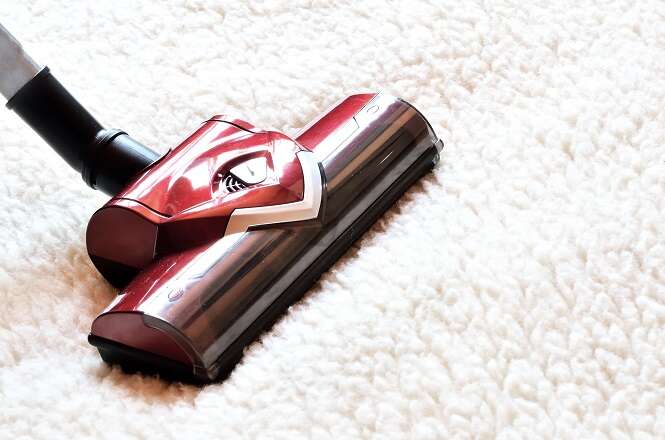
Recycle your vacuum by separating parts, donating working units, and taking electronics and batteries to e-waste centers.
I have spent years fixing and recycling small appliances, and I know the clear steps that make recycling an old vacuum cleaner easy, safe, and eco-friendly. This guide explains when a vacuum is recyclable, how to prepare it, where to take it, how to handle batteries and motors, and smart reuse ideas. Read on for practical steps, personal tips, and resources to make sure your old vacuum cleaner leaves a smaller footprint.
Why recycle an old vacuum cleaner
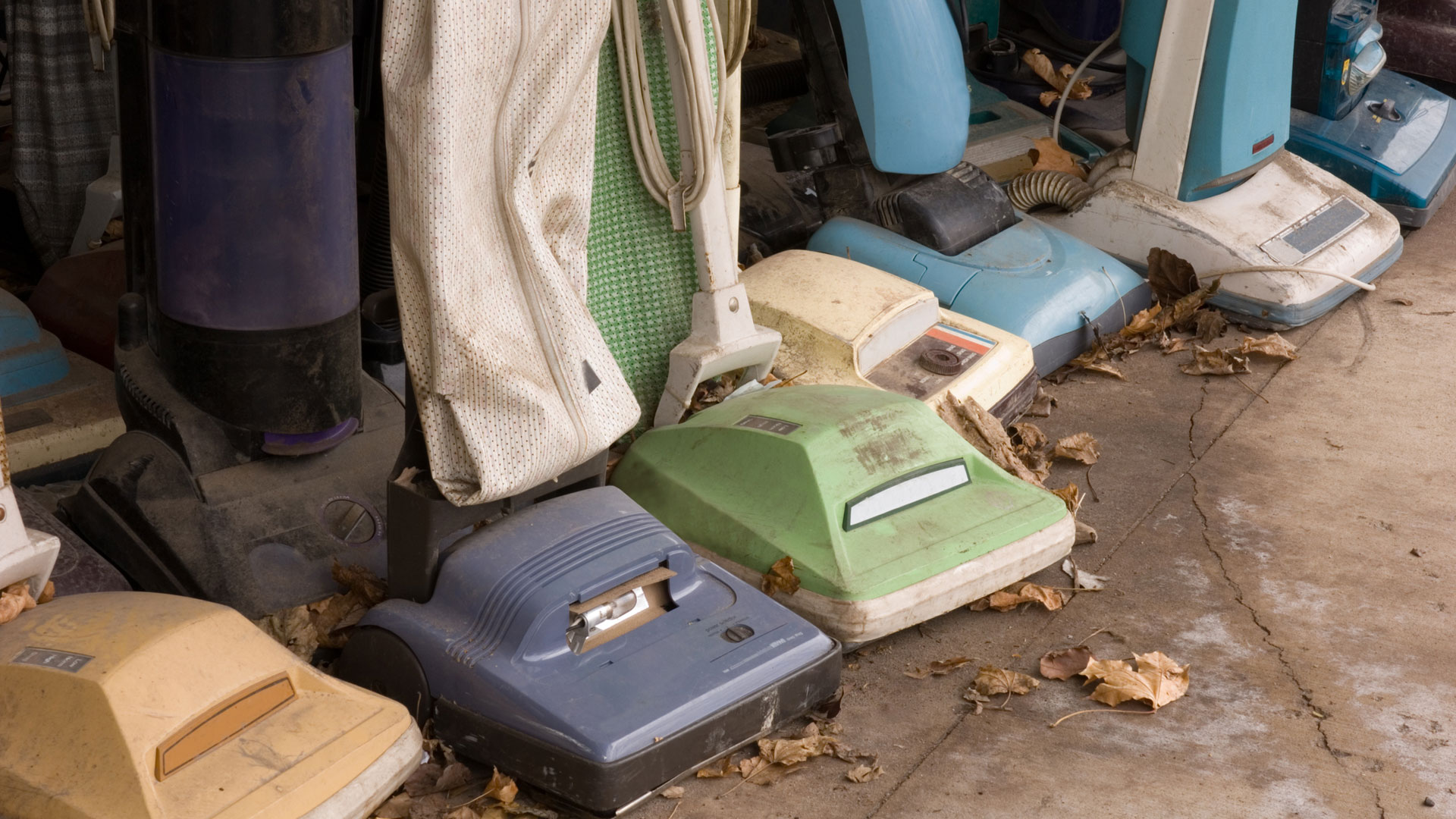
Recycling an old vacuum cleaner saves metal, plastic, and copper from landfills. Many vacuums contain valuable materials that recycling centers can recover. When you recycle, you reduce waste, lower pollution, and help conserve natural resources.
Recycling also prevents hazardous parts, like batteries or oil-coated components, from contaminating soil and water. Handing vacuums to proper facilities ensures safe handling of these items. Small steps add up when many people recycle their old vacuum cleaners.
Is my vacuum cleaner recyclable?
Most vacuums are recyclable, but options depend on the model and local rules. Metal frames, motors, and many plastics are commonly accepted. Some parts, like rechargeable batteries and electronic controls, need special handling.
If the vacuum still works, donation or resale is often better than recycling. If it is broken, separate the battery and any hazardous parts before taking it to an e-waste or scrap facility. Checking local recycling rules helps you know which centers accept full units.
How to prepare an old vacuum cleaner for recycling
Preparing a vacuum makes recycling faster and safer. Follow these steps to get it ready.
- Unplug and fully power down the unit. Make sure it is cool and safe to handle.
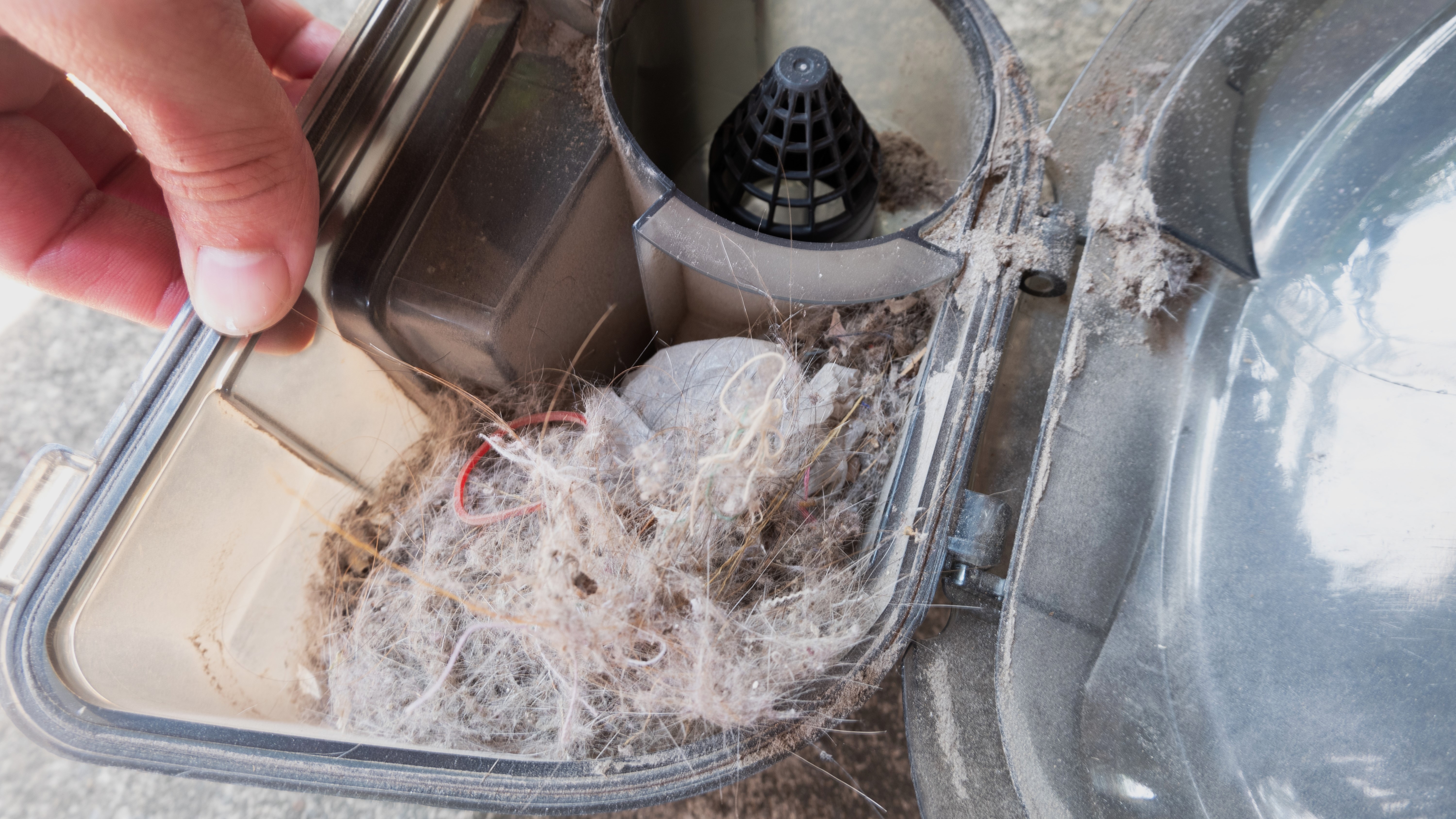
- Remove dust bags, canisters, and filters. Empty canisters into a trash bag and place filters in a sealed bag.
- Take out the battery if the vacuum has one. Label it and store it in a safe place for battery recycling.
- Detach hoses, wands, and attachments. These often separate easily and some centers accept them separately.
- Unscrew the casing if required by your recycler. Some facilities prefer the motor and electronics exposed for sorting.
- Clean away loose dust. That helps recycling staff and prevents contamination.
These steps protect workers and improve the value of recycled materials. If you are unsure which parts to remove, call the recycler first.
Where to take or send an old vacuum cleaner for recycling
You have several practical options for recycling an old vacuum cleaner. Choose the one that fits your time and the unit’s condition.
- Municipal e-waste centers. Many cities run drop-off points for small appliances and electronics.
- Retailer take-back programs. Some appliance stores accept old vacuums when you buy a new one.
- Manufacturer recycling programs. Some brands offer mail-back or drop-off recycling for their products.
- Scrap metal yards. They accept metal frames and motors, though you should remove batteries first.
- Hazardous waste events. For vacuums with batteries or oily parts, bring them to special collection days.
Call ahead to confirm acceptance rules, fees, and any need for appointments. This saves you time and avoids rejected drop-offs.
How to recycle old vacuum cleaner parts
Breaking the machine into parts helps you recycle more. Treat each part according to its material.
- Motors and copper coils. These are valuable to scrap yards. Remove and recycle as metal.
- Rechargeable batteries. Take batteries to a battery or e-waste recycler only; do not throw them in regular trash.
- Plastic housings. Many centers accept hard plastics; check local sorting rules and drop-off points.
- Filters and dust bags. If disposable, throw away used bags in regular trash; reusable filters can be cleaned or recycled if allowed.
- Electronic boards and controls. These need e-waste recycling due to heavy metals. Place them with electronics drop-offs.
- Hoses and soft plastic. These may be less accepted; check local recycling or consider reuse projects.
Separating parts increases the chance each component will be processed correctly and keeps hazardous pieces out of standard recycling streams.
Repurpose, repair, or donate instead of recycling
Before you recycle, consider giving new life to the vacuum. Often repair or donation keeps the unit useful and reduces resource demand.
- Donate working vacuums to shelters, community centers, or thrift stores.
- Sell or list for parts online. Hobbyists and repairers often buy motors or housings.
- Repair common issues. Replacing belts, filters, or a brush roll can restore many vacuums.
- Upcycle parts. Use a working motor for small projects or convert a canister into a storage unit.
- Reuse attachments for crafts or garden tasks. Hoses can become flexible conduit for projects.
I once fixed an old canister vacuum by replacing a worn belt and cleaning the motor. It ran like new for years, and a small repair saved landfill space.
Costs, safety, and legal tips
Recycling is often low-cost but can have small fees. Be ready for a nominal charge at some centers. Larger or hazardous items may cost more.
Safety matters. Wear gloves and eye protection when opening the unit. Tape battery terminals and place batteries in separate, labeled containers. Follow local regulations to avoid fines. If you are unsure, ask a recycling center for guidance.
Personal experience: lessons learned and tips
I have recycled dozens of small appliances over the years. A few clear lessons stand out.
- Always remove batteries first. Once I missed one and was turned away at the scrap yard.
- Call the recycler before you go. One center accepts whole vacuums; another wanted parts separated.
- Keep a small toolkit. Quick disassembly saves time and prevents damage.
- Label parts. Mark batteries and electronic boards so staff know how to handle them.
These small habits make the process smoother and keep recycling efficient.
Step-by-step quick guide to recycle your old vacuum cleaner
Follow these clear steps to recycle your vacuum with minimal fuss.
- Unplug the vacuum and let it cool. Safety first.
- Remove dust bags, empty canisters, and clean filters. Seal dusty parts in a bag.
- Remove batteries and tape their terminals. Store batteries separately for drop-off.
- Detach hoses, wands, and attachments. Put reusable parts aside for donation.
- Take the unit to an e-waste center, retailer take-back, or scrap yard. Call ahead to confirm requirements.
- Recycle the motor and metal parts through scrap services. Give electronics and batteries to e-waste handlers.
- Consider donating working vacuums or listing them for parts online.
These steps make recycling manageable and keep hazardous components out of landfills.
Frequently Asked Questions of how to recycle old vacuum cleaner
What parts of a vacuum cleaner must be recycled separately?
Motors, electronic boards, and rechargeable batteries must be recycled separately. Metals and plastics can often go to general recycling or scrap yards.
Can I throw an old vacuum cleaner in regular curbside recycling?
Most curbside programs do not accept full vacuums. You should take them to e-waste centers, retailer take-back points, or scrap yards.
How do I handle a vacuum with a lithium battery?
Remove the lithium battery, tape the terminals, and take it to a battery or e-waste drop-off. Do not put lithium batteries in regular trash.
Is it better to donate or recycle a working vacuum?
Donating a working vacuum is usually better because it extends the product’s life and reduces resource use. Recycling is the right choice for broken units.
Are there fees to recycle an old vacuum cleaner?
Some centers charge a small fee, especially for large or hazardous items. Call ahead to check costs and any appointment rules.
Can I sell vacuum parts online?
Yes, motors, belts, and specialized parts often have resale value. Selling parts can be more sustainable and profitable than throwing them away.
Conclusion
Recycling an old vacuum cleaner is simple when you separate parts, remove batteries, and choose the right drop-off point. Small actions—like donating working units or taking batteries to proper e-waste centers—make a big environmental difference. Start today: check your local recycling options, prepare your vacuum, and give its parts a second life. Share your experience or ask a question in the comments to help others recycle smarter.

Liora Pennings is a seasoned chef and kitchen enthusiast with a passion for turning everyday cooking into an effortless experience. With years of hands-on culinary expertise, she specializes in practical techniques, ingredient know-how, and smart kitchen solutions that help home cooks elevate their meals. At KitchFlair.com, Liora shares her best tips, time-saving tricks, and honest product reviews to guide readers toward a more efficient, enjoyable, and inspired cooking routine. Whether you’re a beginner or a seasoned home chef, Liora’s friendly, knowledge-packed insights make every visit to the kitchen a little easier—and a lot more delicious.
Leave a Reply