How To Make Lebanese Coffee: Authentic Arabic Recipe
Use finely ground Arabica coffee, simmered slowly with water and sugar in a cezve.
I’ve made Lebanese coffee for years in homes and cafés. This guide on how to make lebanese coffee shows clear steps, tools, and tips. You will learn my tested method, common mistakes to avoid, and simple variations to match your taste. Read on to master an authentic cup and feel confident making Lebanese coffee at home.

What is Lebanese coffee?
Lebanese coffee is a strong, unfiltered Arabic-style coffee. It uses very finely ground Arabica beans and is brewed in a small pot called a cezve or ibrik. The brew is often lightly sweetened and sometimes flavored with cardamom. Lebanese coffee is part ritual and part comfort, served in tiny cups with a slow pour and time to savor.
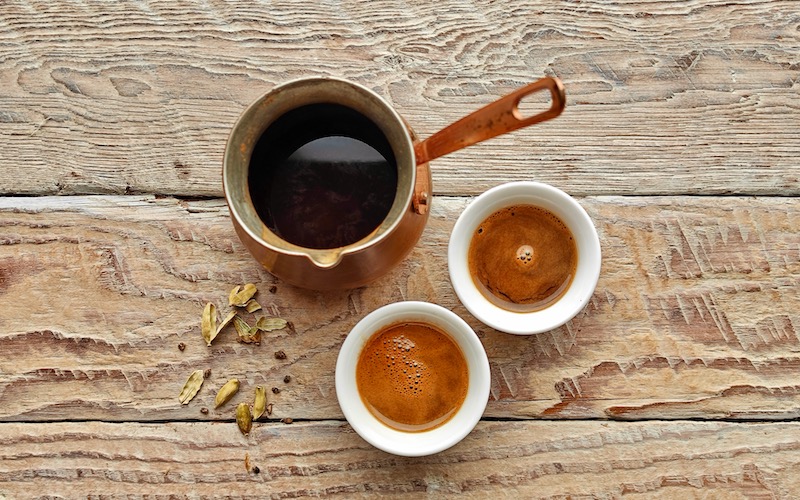
Ingredients and tools you need
You only need a few things to learn how to make lebanese coffee correctly.
- Finely ground Arabica coffee, grind like flour.
- Cold water, measured by the cup you will serve.
- Sugar (optional): no sugar, little, medium, or sweet — adjusted to taste.
- Cezve or small pot with a long handle.
- Small demitasse cups for serving.
- A spoon to mix and a heat source (stovetop or hot plate).
Measure water by the number of cups you plan to serve. Use one heaped teaspoon of coffee per cup as a start. Fresh beans and a fine grinder make a big difference in how to make lebanese coffee taste authentic.

Source: mamaslebanesekitchen.com
How to make Lebanese coffee — step-by-step
Follow these simple steps to brew classic Lebanese coffee at home.
- Measure water. Use the serving cup as your measure.
- Add coffee. Put one heaped teaspoon of finely ground coffee into the cezve per cup.
- Add sugar. Stir in sugar now if you want it sweet. Use none, little, medium, or sweet.
- Mix with cold water. Pour cold water into the cezve and gently stir until blended.
- Heat slowly. Place the cezve over low heat. Do not stir once heating starts.
- Watch the foam. As the coffee warms, foam will rise. Remove the cezve just before it boils.
- Return and repeat. Let the foam settle, then return to heat to rise one more time for a richer foam.
- Pour gently. Pour slowly into cups so foam spreads evenly. Let grounds settle at the bottom.
This step-by-step method is the heart of how to make lebanese coffee well. Take your time with low heat; that builds aroma and foam without bitterness.

Source: sakiproducts.com
Variations and flavor options
You can change a few things while keeping the method intact.
- Cardamom: Add a crushed pod or pinch of ground cardamom with the coffee for a floral note.
- Orange or rose: Add a few drops of orange blossom water or rose water after brewing for a light aroma.
- Stronger brew: Use a touch more coffee per cup for a bolder taste.
- Decaf: Use decaf finely ground coffee and follow the same steps.
I often add a light pinch of cardamom for family gatherings. Experiment with small changes to learn which flavor fits your palate when you practice how to make lebanese coffee.

Source: mamaslebanesekitchen.com
Serving, etiquette, and storage
Serving Lebanese coffee is part of the experience.
Serve in small demitasse cups. Offer water and a small sweet treat like dates or baklava. Sip slowly and leave the grounds in the cup; do not drink them. Store unused ground coffee in an airtight container in a cool, dark place. Whole beans kept whole and ground just before brewing will give the best results when you try to make Lebanese coffee consistently.

Tips, common mistakes, and troubleshooting
These tips come from years of making and teaching how to make lebanese coffee.
- Use very fine grind. Coarse grind makes weak, gritty coffee.
- Low heat is key. High heat burns coffee and breaks foam.
- Avoid stirring during heating. Stirring while hot deflates the foam.
- Timing the foam: remove before full boil. A slow rise creates flavor and foam.
- Clean cezve after use. Old oils ruin fresh brews.
A common mistake is rushing the heat. Slow warmth brings out flavor and prevents bitterness in your Lebanese coffee.

Source: lebanese-arabic.com
Frequently Asked Questions of how to make lebanese coffee
What grind size is best for how to make lebanese coffee?
Use an extra-fine grind, almost like flour. This creates the classic texture and thick foam that define Lebanese coffee.
Can I use instant coffee to make Lebanese coffee?
Instant coffee will not produce the same foam or depth of flavor. Freshly ground Arabica yields the authentic taste and texture.
How much sugar should I add when I make Lebanese coffee?
Sugar is a personal choice: no sugar, little, medium, or sweet. Add sugar to the cezve before heating so it dissolves evenly.
Do I need a special pot to make Lebanese coffee?
A cezve (ibrik) is traditional and helps build proper foam, but a small, narrow pot can work in a pinch.
How do I prevent bitterness when I make Lebanese coffee?
Heat slowly and remove the cezve before a full boil. Rushing or boiling will cause bitterness and ruin the foam.
Conclusion
Mastering how to make lebanese coffee takes simple tools, patience, and a few tries. Use very fine grind, low heat, and careful foam timing to get a smooth, aromatic cup. Try small variations like cardamom and store beans properly to keep flavor fresh. Now it’s your turn: brew a cup, adjust to taste, and share the ritual with friends or family. Leave a comment with your favorite tweak or subscribe for more easy coffee guides.
Liora Pennings is a seasoned chef and kitchen enthusiast with a passion for turning everyday cooking into an effortless experience. With years of hands-on culinary expertise, she specializes in practical techniques, ingredient know-how, and smart kitchen solutions that help home cooks elevate their meals. At KitchFlair.com, Liora shares her best tips, time-saving tricks, and honest product reviews to guide readers toward a more efficient, enjoyable, and inspired cooking routine. Whether you’re a beginner or a seasoned home chef, Liora’s friendly, knowledge-packed insights make every visit to the kitchen a little easier—and a lot more delicious.