How To Make Butter Coffee: Easy Keto Recipe
Mix hot coffee with grass fed butter and MCT oil, then blend until smooth and creamy.
I’ve spent years testing and refining how to make butter coffee so it tastes great, blends well, and fits real life. This guide covers ingredient choices, exact ratios, step-by-step methods, useful variations, nutrition notes, and troubleshooting tips from real experience. Read on to master how to make butter coffee that’s rich, stable, and delicious every morning.
What is butter coffee?
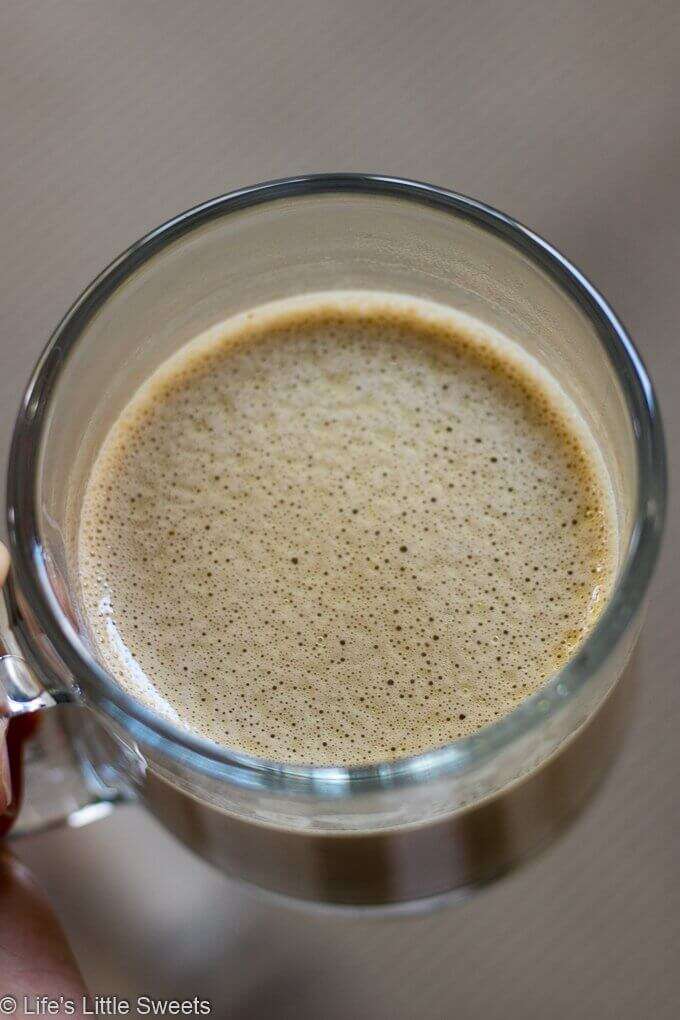
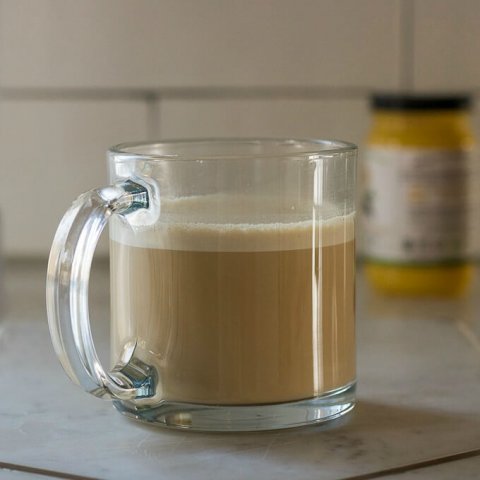
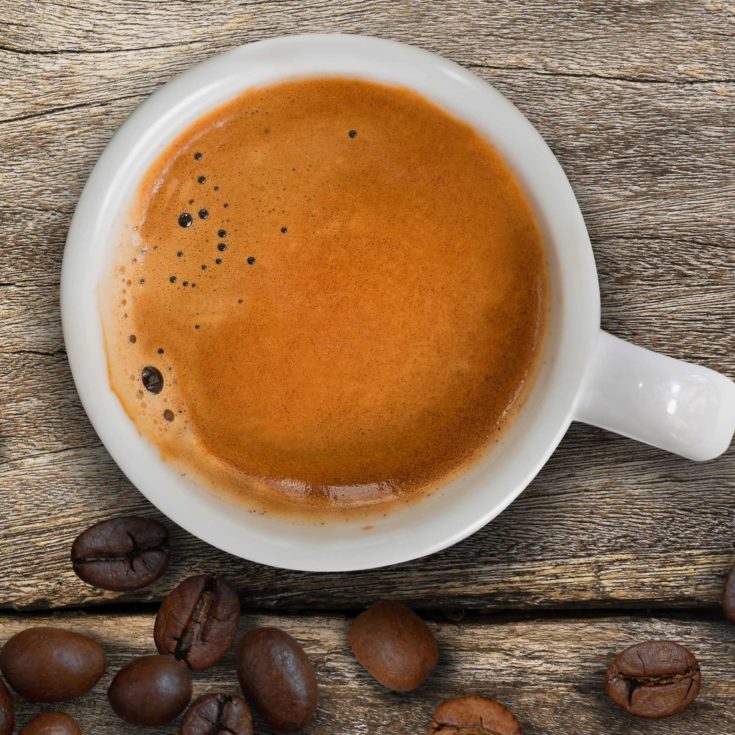
Butter coffee is brewed coffee blended with butter and a medium-chain triglyceride oil for a creamy, frothy drink. Many people use grass fed butter and MCT oil or coconut oil to get a smooth texture and stable emulsification. The drink is popular with low-carb, keto, and intermittent fasting fans who want a filling morning beverage that keeps energy steady. Learning how to make butter coffee well means balancing flavor, texture, and calories to fit your goals.
Why people drink butter coffee: benefits and caveats
People praise butter coffee for steady energy, reduced hunger, and a satisfying mouthfeel. It can help you feel full longer and reduce mid-morning snacking when used in place of a carb-heavy breakfast. Some report better mental focus after switching to butter coffee, especially on low-carb diets.
There are important caveats. Butter coffee adds calories quickly and may not be suitable if you need to limit saturated fat. If you have specific health conditions, consult a healthcare professional before making it a daily habit.
Ingredients: what to use and why
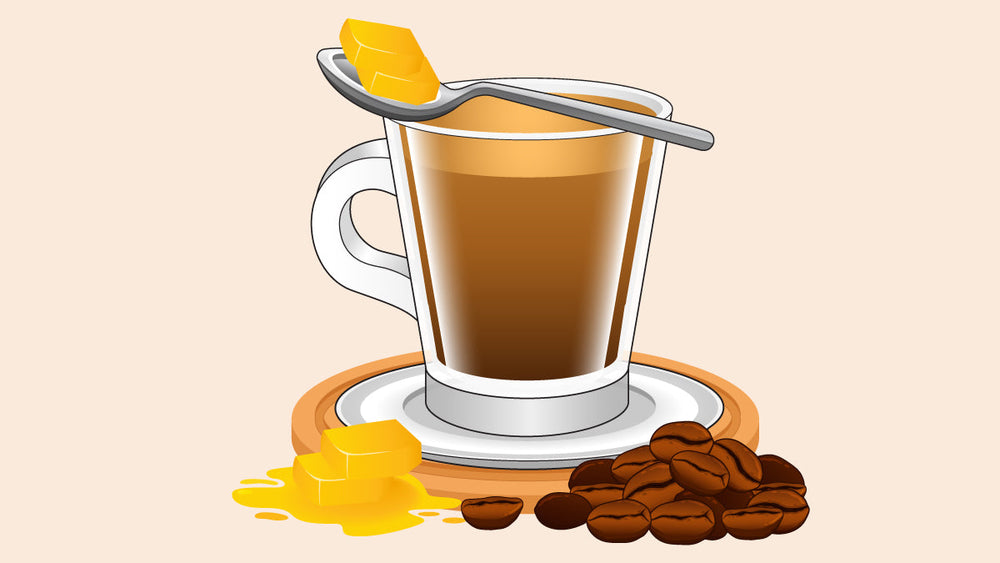
Use a few simple, high-quality ingredients for the best result when learning how to make butter coffee.
- Coffee
- Use freshly brewed coffee. Medium to dark roasts work well for mellow flavor.
- Butter
- Choose unsalted, grass fed butter for a cleaner taste and higher omega profile.
- MCT oil or coconut oil
- MCT oil blends easily and stays liquid; coconut oil gives a mild coconut note.
- Water or milk (optional)
- Use hot water for a classic version or add a splash of milk or cream for extra creaminess.
- Flavor tweaks
- Pinch of salt, cinnamon, vanilla, or cocoa can round the taste without adding sugar.
From my tests, grass fed butter plus a small amount of MCT oil gives the most stable, creamy cup. If you prefer a dairy-free option, use vegan butter plus MCT oil.
Equipment you’ll need
You don’t need fancy gear to learn how to make butter coffee, but the right tools make it easier.
- Blender or immersion blender
- A blender produces a rich, emulsified froth in under a minute.
- Coffee maker
- Drip, pour-over, French press, or espresso all work—use your preferred method.
- Measuring tools
- A small digital scale or measuring spoons keep ratios consistent.
- Mug and spoon
- For quick serving and tasting.
I use an immersion blender when I’m making a single cup and a countertop blender for batch-making. Both deliver great texture.

Step-by-step: classic butter coffee recipe
Follow these clear steps to make a reliable cup every time. This shows how to make butter coffee with a blender; adjust as needed for an immersion blender.
- Brew your coffee
- Make 8 to 12 ounces (240–350 ml) of hot coffee using your preferred method.
- Measure ingredients
- Add 1 to 2 tablespoons unsalted grass fed butter.
- Add 1 tablespoon MCT oil or coconut oil.
- Blend
- Pour coffee, butter, and oil into a blender.
- Blend on high for 20 to 30 seconds until frothy and creamy.
- Taste and adjust
- Add a pinch of salt, a dash of cinnamon, or a splash of milk if desired.
- Serve immediately
- Pour into a mug and enjoy while hot.
For my ideal morning cup, I use 12 ounces coffee, 1 tablespoon butter, and 1 tablespoon MCT oil. Beginners may start with 1 teaspoon oil to avoid stomach upset.
Quick variations and flavor ideas
Change the base recipe to match taste or dietary needs while still knowing how to make butter coffee well.
- Lighter fat
- Use 1 teaspoon butter and 1 teaspoon MCT oil to reduce calories.
- Vegan version
- Swap grass fed butter for a vegan butter or coconut cream.
- Spiced latte
- Add cinnamon, cardamom, or a small pinch of cocoa for a flavored version.
- Creamy milk version
- Replace half the water with unsweetened almond milk or oat milk.
- Protein boost
- Add a scoop of unflavored protein powder and blend until smooth.
These variations keep texture and flavor interesting without overcomplicating the process.
Tips, common mistakes, and troubleshooting
A few simple fixes make a big difference when learning how to make butter coffee.
- Oil separation
- Blend longer to fully emulsify; a whisk won’t usually do the trick.
- Stomach upset
- Start with smaller oil amounts and increase slowly to avoid digestive discomfort.
- Too greasy
- Use high-quality grass fed butter and measured oil; reduce amounts if it feels heavy.
- Weak coffee flavor
- Use a darker roast or stronger brew to balance the fats.
- Lost froth
- Serve immediately; the froth dissipates as the drink cools.
From experience, blending hot coffee right away and serving fast gives the best mouthfeel.
Nutrition and safety considerations
Butter coffee is calorie-dense. A standard cup with 1 tablespoon butter and 1 tablespoon MCT oil adds roughly 200–260 calories. Count those calories into your daily plan if you’re tracking intake.
Saturated fat content can be high depending on the butter. If you have cardiovascular risk factors, discuss dietary changes with your clinician. MCT oil can cause mild digestive upset for some; start with small amounts and increase gradually.
Frequently Asked Questions of how to make butter coffee
How much butter and MCT oil should I use for one cup?
Start with 1 tablespoon butter and 1 teaspoon to 1 tablespoon MCT oil. Adjust to taste and tolerance; reduce oil if you’re new to MCTs.
Can I use salted butter to make butter coffee?
You can, but unsalted butter gives better control over flavor. A tiny pinch of salt often enhances taste without overpowering it.
Is butter coffee good for weight loss or intermittent fasting?
Butter coffee can reduce hunger and extend fasting windows for some people, but it adds calories. It may help with appetite control, but results vary.
Will butter coffee break my fast?
Yes, because it provides calories and stimulates metabolism. Some people use it during a fasting period intentionally, but it technically breaks a strict fast.
Can I use olive oil instead of MCT oil?
Olive oil is an alternative, but it doesn’t emulsify as cleanly and has a different flavor profile. MCT oil blends more smoothly and is flavor-neutral.
Is it safe to drink butter coffee every day?
For most healthy adults, occasional daily consumption is safe. If you have health concerns or high cholesterol, consult your healthcare provider before making it a daily habit.
Conclusion
Making butter coffee is a simple skill: brew strong coffee, add quality grass fed butter and MCT oil, then blend until smooth. With small adjustments you can control calories, flavor, and texture to fit your lifestyle. Try the basic recipe, tweak ratios, and note how it affects your energy and appetite over a week. If you liked this guide, try one variation tomorrow, leave a comment with your favorite combo, or subscribe for more practical coffee tips.

Liora Pennings is a seasoned chef and kitchen enthusiast with a passion for turning everyday cooking into an effortless experience. With years of hands-on culinary expertise, she specializes in practical techniques, ingredient know-how, and smart kitchen solutions that help home cooks elevate their meals. At KitchFlair.com, Liora shares her best tips, time-saving tricks, and honest product reviews to guide readers toward a more efficient, enjoyable, and inspired cooking routine. Whether you’re a beginner or a seasoned home chef, Liora’s friendly, knowledge-packed insights make every visit to the kitchen a little easier—and a lot more delicious.