

Keep roaches out by cleaning daily, sealing gaps, and removing food and water from your coffee maker.
I’ve spent years helping people pest-proof kitchens, and I know how sneaky roaches can be. This guide shows practical, tested steps on how to keep roaches out of your coffee maker. You’ll get simple routines, step-by-step cleaning, sealing tricks, natural repellents, and signs that you need professional help. Read on and protect your coffee and your home from unwelcome visitors.

Why roaches are attracted to coffee makers
Roaches seek food, moisture, and warm hiding spots. A coffee maker ticks all three boxes. Grounds, sticky residue, and standing water attract them. Warm reservoirs and dark crevices make coffee makers ideal shelters at night.
Knowing why helps you act with purpose. If you ask how to keep roaches out of your coffee maker, start by cutting off what draws them in. In my experience fixing a cafe’s roach problem, removing crumbs and drying parts stopped repeat visits within days.
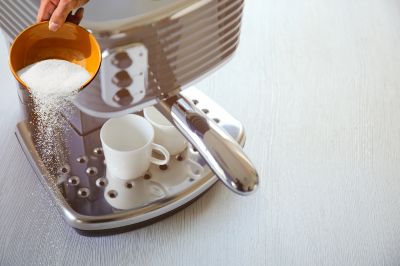
Daily habits to prevent infestation
Simple daily habits stop roaches before they start. Small actions add up and are easy to keep.
- Empty used grounds immediately
Keep a sealed bin for used grounds. Don’t leave the filter basket full overnight. - Wipe spills and sticky spots
Use a damp cloth to clean surfaces after each use. Pay attention to the warming plate. - Drain water reservoirs
If you won’t brew for a while, empty and dry the water tank. - Store coffee supplies properly
Keep beans and grounds in sealed containers. Don’t leave sugar or syrups open.
These habits answer the practical side of how to keep roaches out of your coffee maker by removing temptations and moisture.
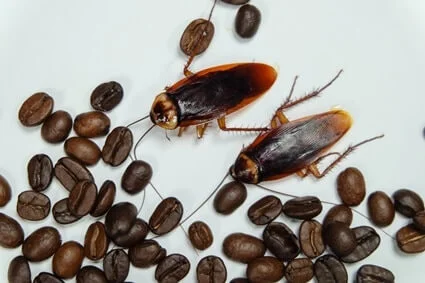
Deep-clean and maintenance steps
A regular deep clean removes hidden food and hiding places. Aim for a full clean once a week in busy kitchens, or every two weeks at home.
- Unplug and disassemble
Remove the carafe, filter basket, and any removable parts. - Soak and scrub
Wash parts in hot, soapy water. Use a soft brush on crevices. - Clean internal parts
Run a vinegar-water cycle (1:1 vinegar and water) to descale and sanitize. Follow with two plain water cycles to rinse. - Dry completely
Let parts air-dry fully before reassembly. Roaches avoid dry machines. - Sanitize seals and vents
Use a cotton swab and vinegar to get into small corners and vents.
These steps are core to how to keep roaches out of your coffee maker. I once found a small nest under a filter basket seal. After cleaning and drying, the problem vanished.
<img
src="https://www.cockroachzone.com/wp-content/uploads/2021/05/do-roaches-eat-coffee-beans.jpg.webp"
alt="Sealing, placement, and hardware fixes”
style=”max-width: 100%; height: auto; border: 2px solid black; border-radius: 10px; display: block; margin: 0 auto;”
loading=”lazy”
/>
Sealing, placement, and hardware fixes
Location and small repairs make a big difference. Roaches enter through gaps and travel along counters and cords.
- Move the coffee maker off the floor
Place it higher on a counter to reduce access. - Seal cracks and gaps
Use caulk or sealant along counters and walls near the machine. - Fix or replace damaged seals
A torn gasket or loose panel invites pests. Replace worn parts. - Elevate with a tray
Put the machine on a hard tray with raised edges to spot spills and droppings.
Smart placement and seals answer how to keep roaches out of your coffee maker by blocking entry and making the area less hospitable.
Natural repellents and traps
If you prefer low-toxicity choices, several options help reduce roach activity near your coffee maker.
- Bay leaves
Place a few dry bay leaves near the machine; they can deter roaches. - Boric acid dust (use carefully)
Lightly apply in wall cracks and behind appliances, not where food contacts surfaces. - Sticky traps
Set traps behind and under the machine to catch roaming roaches. - Essential oils
Peppermint or tea tree oil diluted with water can deter roaches when sprayed around but not inside the machine.
These methods support your broader plan on how to keep roaches out of your coffee maker. Use traps to monitor activity and combine repellents with cleaning for best results.
When to call professional pest control
Sometimes DIY steps are not enough. Call a pro if you see many roaches, droppings, or egg cases near your machine.
- Repeated sightings despite cleaning
Persistent activity often means a larger infestation in walls or drains. - Large numbers or live clusters
This needs targeted treatment and exclusion work. - Structural issues
If gaps, plumbing leaks, or shared walls are factors, professionals can inspect and treat effectively.
A pro can locate the source and apply treatments that are safe around kitchen appliances. Knowing when to escalate is part of how to keep roaches out of your coffee maker in the long term.
Frequently Asked Questions of how to keep roaches out of your coffee maker
How often should I clean my coffee maker to prevent roaches?
Clean removable parts after each use and do a deep clean weekly or every two weeks. Dry parts fully before reassembly to remove moisture that attracts roaches.
Can roaches live inside a coffee maker?
Yes. Small roaches can hide in crevices, under seals, and inside water reservoirs. Regular cleaning and drying make the environment inhospitable.
Are natural repellents safe around coffee machines?
Most natural repellents like bay leaves and diluted essential oils are safe if kept away from water tanks and food contact surfaces. Use boric acid carefully and out of reach of pets.
Will sealing gaps around the machine stop roaches completely?
Sealing significantly reduces access but must be paired with cleaning and moisture control. It’s one part of a multi-step approach to keep roaches out of your coffee maker.
When should I contact pest control for coffee maker roaches?
Contact a pro if you see many roaches, find egg cases, or if problems persist after cleaning and sealing. Professionals can find hidden nests and apply safer treatments.
Conclusion
Keeping roaches out of your coffee maker is mostly about removing food and water, cleaning often, and blocking access. Start with daily habits, add regular deep cleans, seal gaps, and use traps or repellents when needed. If the problem persists, call a professional to inspect your space.
Take action today: empty used grounds, dry every part, and check seals. Share your results or questions below, and consider subscribing for more practical, proven pest-prevention tips.

Liora Pennings is a seasoned chef and kitchen enthusiast with a passion for turning everyday cooking into an effortless experience. With years of hands-on culinary expertise, she specializes in practical techniques, ingredient know-how, and smart kitchen solutions that help home cooks elevate their meals. At KitchFlair.com, Liora shares her best tips, time-saving tricks, and honest product reviews to guide readers toward a more efficient, enjoyable, and inspired cooking routine. Whether you’re a beginner or a seasoned home chef, Liora’s friendly, knowledge-packed insights make every visit to the kitchen a little easier—and a lot more delicious.
Leave a Reply