How To Fix Weak Coffee Coming From Coffee Maker: Easy Fixes
Use fresh beans, the right grind, correct dose, proper water temperature, and clean equipment.
I’ve spent years fixing sad cups for friends and clients. I know how to fix weak coffee coming from coffee maker and why a brew can taste watery. This guide walks through causes, clear fixes, and simple tests you can do today to get bold coffee again. Read on for step-by-step help and pro tips that actually work.

Why your coffee tastes weak: common causes
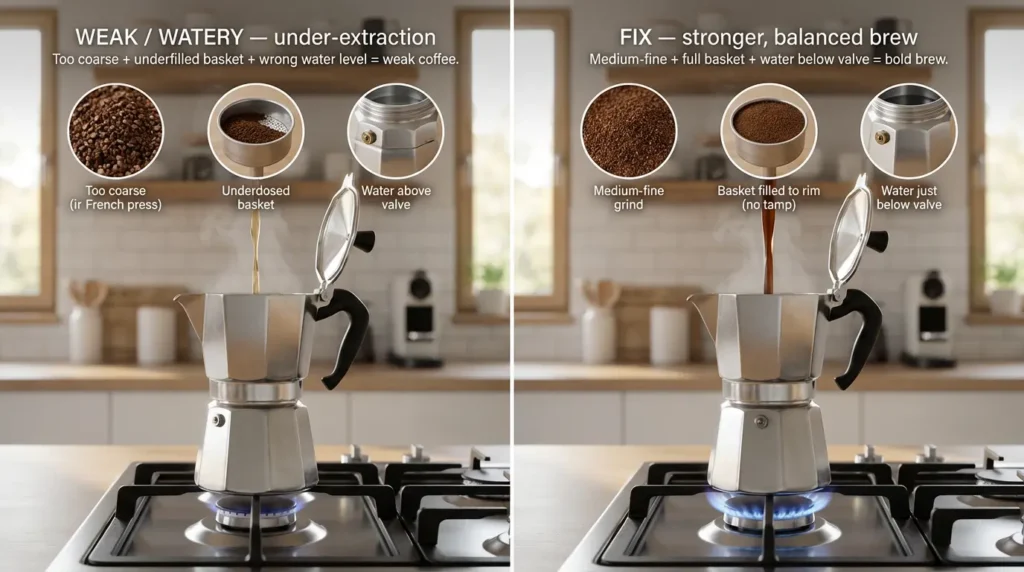
Weak coffee has clear roots. Often it comes from stale beans, wrong grind size, low dose, bad water, or a dirty machine. Each cause changes how coffee extracts. Light extraction tastes sour. Under-extraction tastes thin and weak.
Here are the top causes at a glance:
- Stale or low-quality beans that lack oils and aroma.
- Grind size that is too coarse for the brewing method.
- Too little coffee by weight or volume.
- Water that’s too cool, or poor water quality.
- A clogged or scaled machine slowing flow and extraction.
Understanding these causes helps you pick the right repair. If you know why your cup is weak, you can fix it fast. This article explains fixes for each cause, plus tests to confirm the change.

How to fix weak coffee coming from coffee maker — step-by-step fixes
If you want practical fixes now, follow this checklist. I use it when a pot comes out watery. Try each step and taste along the way.
- Check coffee freshness and quality
- Use whole beans roasted within 2–4 weeks. Fresh beans make stronger, brighter coffee.
- Avoid pre-ground coffee older than two weeks.
- Adjust grind size
- Make grind finer to increase extraction. Use a burr grinder for consistency.
- For drip machines, aim for medium grind. If coffee is weak, move one notch finer.
- Measure dose by weight
- Use a kitchen scale. Aim for a 1:15 to 1:17 coffee-to-water ratio. For example, 20 g coffee to 300 g water.
- Increase dose slightly if you prefer a stronger cup.
- Check water temperature and quality
- Water should be 195–205°F for most methods. Let boiled water rest 30 seconds.
- Use filtered water if tap water tastes off. Minerals help extraction, but too many cause scale.
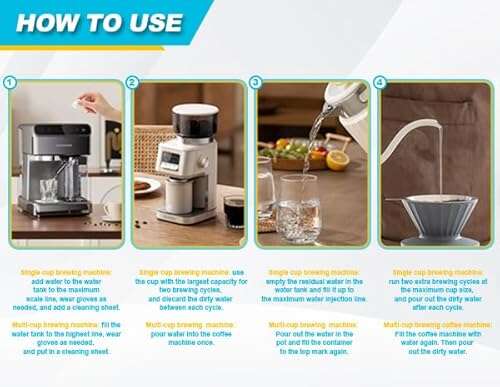
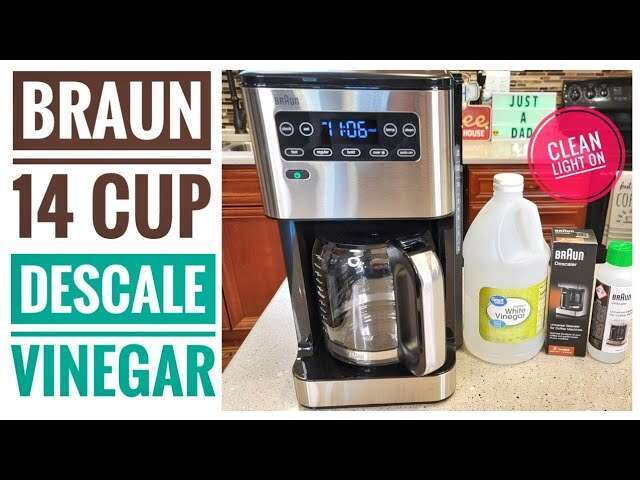
- Clean and descale the machine
- Run a cleaning cycle or descaling solution monthly. Clean brew baskets and shower heads.
- Replace old filters and gaskets as needed.
- Control brew time
- Increase contact time slightly for drip and pour-over if extraction is low.
- For French press, steep 3.5–4 minutes. For pour-over, slow your pour.
- Experiment with brew ratio and technique
- Try a stronger ratio for a week. Record what you change.
- Small changes add up. One tweak at a time gives clear results.
Follow these steps until your cup tastes right. They cover the main ways to fix weak coffee coming from coffee maker quickly and reliably.
src="https://www.pur.com/wp-content/uploads/PPT650W.PT05.jpg"
alt="Brewing variables that matter: grind, dose, temperature, and time”
style=”max-width: 100%; height: auto; border: 2px solid black; border-radius: 10px; display: block; margin: 0 auto;”
loading=”lazy”
/>
Brewing variables that matter: grind, dose, temperature, and time
Fixing weak coffee means tuning a few variables. Think of brewing like a recipe. Change one thing at a time.
Grind size
- Coarser grind reduces extraction. Use finer grind for a stronger cup.
- Burr grinders give steady particle size. Blade grinders do not.
Dose
- Weigh coffee. A scoop is inconsistent and causes weak coffee.
- Raise dose by 10–15% if coffee tastes light.
Water temperature
- Under 195°F yields under-extraction and weak flavor.
- For electric machines, let freshly boiled water cool a moment before pouring.
Brew time
- Faster flow or short contact time weakens extraction.
- Slow a pour or slightly extend brew time for richer taste.
Small changes to these variables solve most weak coffee problems. Test one variable at a time to learn what helps your machine.

Machine maintenance: cleaning, descaling, and parts to check
A dirty machine makes weak coffee. Scale blocks water flow and lowers brew temperature. Oils from old coffee can taste flat and stale.
Maintenance checklist
- Clean brew basket, carafe, and filter every day.
- Descale monthly if you use hard water. Follow the manufacturer’s instructions.
- Backflush espresso machines as recommended. Replace the shower screen and group seals when worn.
- Replace water filters if your machine has them.
I once had a machine that brewed thin coffee no matter the beans. A single deep clean and a new shower screen restored richness. Regular care prevents that failure and keeps your brew strong.

Troubleshooting by machine type
Different machines need different fixes. Here’s a quick guide that covers common models.
Drip coffee makers
- Check the paper or mesh filter and brew basket for oils or clogs.
- Use slightly finer grind and weigh your beans.
Single-serve pod machines
- Check pod placement and needle for clogs. Run a water-only cycle to flush.
- Try a stronger pod or use a reusable pod with finer grounds.
Espresso machines
- Use a finer grind and a higher dose for a rich shot.
- Check tamp pressure and puck prep. Clean the group head and portafilter.
French press
- Use a coarser grind but ensure enough dose. Steep longer if weak.
- Stir halfway through the brew to increase extraction.
Pour-over
- Slow down your pour and increase bloom time. Use a slightly finer grind.
- Aim for even saturation to extract well.
These quick fixes match the machine to the problem. Apply the right step for your device to fix weak coffee coming from coffee maker.

Common mistakes and how to avoid them
Many weak brews come from repeatable errors. Avoid these to keep your coffee strong.
- Relying on scoops instead of a scale. Scoops vary widely.
- Using stale pre-ground coffee. Buy whole beans and grind fresh.
- Neglecting machine cleaning. Oils and scale reduce flavor.
- Grinding too coarse for the brew method. Match grind to method.
- Ignoring water quality and temperature. Both affect extraction.
Fix these habits and your coffee will improve fast. Small changes produce consistent, stronger cups.

Personal experience and pro tips
I once helped an office where everyone complained about weak coffee. We tested beans, adjusted grind, and cleaned the machine. The biggest lift came from switching to a scale and a medium-fine grind. People noticed the change the next morning.
Pro tips I use regularly
- Keep a brew log. Note grind, dose, and time. It helps repeat wins.
- Use a pour-over kettle for better flow control.
- Taste at stages. If it tastes thin early, increase dose or grind finer next time.
These are real fixes that worked for me and others. If you follow them, you will see better results.

Frequently Asked Questions of how to fix weak coffee coming from coffee maker
Why does my coffee taste weak even with fresh beans?
Weak taste can come from the grind being too coarse, low dose, or low brew temperature. Measure your coffee and adjust grind and temperature one step at a time.
How much coffee should I use to avoid weak coffee?
Aim for a 1:15 to 1:17 coffee-to-water ratio by weight. Use a scale and adjust to your taste within that range.
Can cleaning my coffee maker really fix weak coffee?
Yes. Built-up oils and scale change flow and temperature, which weakens extraction. A full clean often restores flavor.
Will changing water improve my weak coffee?
Yes. Water with too few minerals can under-extract, and bad-tasting water masks flavor. Use filtered water with some mineral content for best results.
What grind size should I use for drip to stop weak coffee?
Start with a medium grind for drip machines and move one notch finer if the coffee is weak. Use a burr grinder for consistent results.
Conclusion
Fixing weak coffee coming from coffee maker is mostly about small changes. Use fresh beans, weigh your dose, match grind size to your method, keep water hot and clean your machine. Test one change at a time and keep a short brew log. Try these steps this week and taste the difference. If you found this guide helpful, leave a comment, subscribe for more tips, or try one change today and report back.

Liora Pennings is a seasoned chef and kitchen enthusiast with a passion for turning everyday cooking into an effortless experience. With years of hands-on culinary expertise, she specializes in practical techniques, ingredient know-how, and smart kitchen solutions that help home cooks elevate their meals. At KitchFlair.com, Liora shares her best tips, time-saving tricks, and honest product reviews to guide readers toward a more efficient, enjoyable, and inspired cooking routine. Whether you’re a beginner or a seasoned home chef, Liora’s friendly, knowledge-packed insights make every visit to the kitchen a little easier—and a lot more delicious.