How To Fix Vacuum Cleaner Losing Suction: Fast Fixes
Clean or replace filters, clear clogs, check the hose and brush roll to restore steady suction.
I’ve repaired dozens of vacuums and written repair guides for homeowners and pros. This guide explains how to fix vacuum cleaner losing suction after few minutes with clear steps you can follow, safety tips, and simple tests to diagnose the real cause. Read on to fix suction problems fast and keep your vacuum working like new.

Why vacuums lose suction after a few minutes
A vacuum that sucks well for a minute then fades usually has airflow blocked, a motor cutting out, or thermal protection kicking in. Common culprits include clogged filters, a full dustbin, a blocked hose, worn belts, or an overheating motor.
Look for two patterns. If suction drops slowly, the machine might be clogged or the filter is loading with dust. If suction cuts out suddenly after a few minutes, the motor may be overheating and shutting down automatically. I’ve seen both many times in home visits and workshop repairs.

PAA-style question: Can a dirty filter make suction weaken after a few minutes?
Yes. A dirty filter traps airflow and warms faster during use. As it loads, airflow falls and motor heat can trigger automatic shutdown.
PAA-style question: Could the hose cause suction to drop after a few minutes?
Yes. A partial clog can let air move for a short time then block when dust shifts. A kink or collapsed hose will also reduce airflow quickly.

Tools and safety before you start
Before you begin, gather a few simple tools and follow safety steps. This keeps the job fast and safe.
- Screwdriver set. For removing covers and accessing belts or the motor housing.
- Soft brush or old toothbrush. For brushing dust from filters and crevices.
- Compressed air or vacuum-safe wash basin. For cleaning washable filters or the motor vents.
- Needle, wire, or straightened coat hanger. To clear stubborn clogs in crevices or hoses.
- Replacement parts on hand. Filters, belts, and a new bag or dustbin seal if needed.
Safety tips:
- Unplug the vacuum before you open it.
- Wait until the motor cools if it has recently run.
- Follow manufacturer guidelines for washable parts and replacement intervals.
:strip_icc()/bhg-product-miele-classic-c1-pure-suction-powerline-sban0-dburreson-012-27d85d15eb454c74b7980eaac178e4d2.jpeg)
Source: bhg.com
Step-by-step fixes: diagnose and repair
Follow these ordered checks. Work through them until suction is restored. I recommend testing suction after each step so you know what fixed the problem.
- Check the dustbin or bag
- Empty the dustbin or replace the bag. A full bag or bin reduces airflow fast.
- Inspect the bag collar and seals for gaps that leak air.
- After emptying, run the vacuum for a minute to test suction.
- Inspect and clean filters
- Remove pre-motor and post-motor filters. Many are washable; others must be replaced.
- Wash washable filters in warm water until clear, then air dry 24 hours. Never reinsert a damp filter.
- Replace foam or HEPA filters per the manual if heavily soiled or damaged.
- Look for hose and wand clogs
- Detach the hose, wand, and attachments. Shine a flashlight through them.
- Push a flexible rod through the hose or use a straightened coat hanger to clear clogs.
- Check accessory ports and crevice tools for trapped debris.
- Check the brush roll, belt, and agitator
- Flip the vacuum or remove the brush cover. Clear hair, string, and debris wrapped around the brush roll.
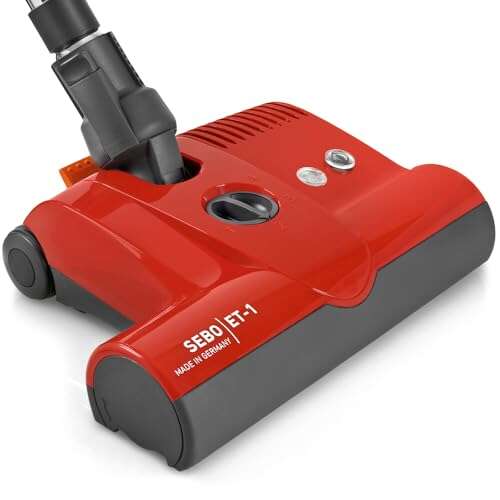
- Inspect the belt for cracks or stretching. Replace a loose or damaged belt.
- Spin the brush by hand; it should turn freely and not drag.
- Clean motor vents and check for overheating
- Dust buildup on motor vents reduces cooling. Use compressed air to blow vents clean.
- If the motor cutoff triggers, let the vacuum cool for 30–60 minutes and retry.
- If overheating returns quickly, the motor bearings or windings may be failing and need a pro.
- Inspect seals and gaskets
- Check seals where the dustbin or bag meets the housing. Cracked or missing gaskets allow leaks and loss of suction.
- Replace damaged seals or apply thin foam gasket tape for a tight fit.
- Test suction at key points
- With the vacuum off, cover the hose inlet with your hand. You should feel strong suction when on.
- Test suction at the floor head, wand, and hose separately to find the weak link.
- Document what improves suction during tests to identify the failed component.
- Replace worn parts
- Replace filters, belts, brush rolls, and seals if cleaning does not restore suction.
- Use manufacturer-approved parts for best fit and performance.
I once fixed a vacuum that lost suction after a few minutes by replacing a cheap aftermarket filter. It ran great afterward. Small parts often make a big difference.

Preventive maintenance to avoid future suction drops
A little care keeps suction steady and prolongs the vacuum’s life. These habits prevent the common causes of suction loss.
- Empty the dustbin before it gets over two-thirds full.
- Clean pre-motor filters every 1–3 months; replace HEPA or carbon filters as recommended.
- Remove hair and fibers from the brush roll weekly in high-hair homes.
- Inspect the hose for cracks and kinks every few months.
- Store the vacuum in a cool, dry place to avoid motor stress.
A maintenance log helps. Jot dates you replace filters or belts. Over time you’ll predict parts when they wear out.
When to call a professional or replace parts
Some problems need a pro. If you find electrical burning smells, loud grinding from the motor, or persistent overheating, stop and seek repair help.
- Call a pro when the motor makes unusual noises or smoke appears.
- Get professional help if internal motor brushes or windings need work; these jobs require skill.
- Consider replacement if repair costs exceed 50% of a new vacuum’s price or if the model is old and inefficient.
If you’re handy, replacing a belt or filter is low risk. Professional service is best for electrical or motor work.

Frequently Asked Questions of how to fix vacuum cleaner losing suction after few minutes
What is the fastest fix for a vacuum losing suction after a few minutes?
Empty the dustbin and clean or replace clogged filters. These steps often restore suction within minutes.
How long should I let the vacuum cool if it overheats?
Let it cool for at least 30 to 60 minutes before testing again. Repeated short runs can damage the motor.
Can a clogged HEPA filter cause suction to cut out?
Yes. A heavily clogged HEPA filter lowers airflow and can lead to loss of suction or motor stress.
Is it safe to run a vacuum with a torn hose?
No. A torn or loose hose causes air leaks and reduces performance. Replace or repair the hose promptly.
How often should I replace the brush roll belt?
Replace the belt every 6 to 12 months, or sooner if it shows cracks, glazing, or slips during use.
Why does suction return after I turn the vacuum off and on again?
Turning off and on can temporarily reset a thermal cutoff or shift debris that was blocking airflow. It’s a sign of an underlying clog or overheating issue.
Conclusion
You can solve most cases of how to fix vacuum cleaner losing suction after few minutes with simple checks: empty the dustbin, clean or replace filters, clear hose and brush clogs, and inspect belts and seals. Start with the easiest fixes and move to parts replacement if cleaning doesn’t help. Take notes, test after each step, and call a professional for electrical or motor problems. Try these steps today, and leave a comment with your model and symptoms if you want tailored help or part recommendations.

Liora Pennings is a seasoned chef and kitchen enthusiast with a passion for turning everyday cooking into an effortless experience. With years of hands-on culinary expertise, she specializes in practical techniques, ingredient know-how, and smart kitchen solutions that help home cooks elevate their meals. At KitchFlair.com, Liora shares her best tips, time-saving tricks, and honest product reviews to guide readers toward a more efficient, enjoyable, and inspired cooking routine. Whether you’re a beginner or a seasoned home chef, Liora’s friendly, knowledge-packed insights make every visit to the kitchen a little easier—and a lot more delicious.