How To Fix Vacuum Cleaner Burning Rubber Smell Issue: Guide
Fix it by turning off the vacuum, unplugging, then inspecting the belt, brush roll, hoses, and motor for heat or damage.
I have fixed dozens of vacuums and taught repair basics to friends and clients. I know how to fix vacuum cleaner burning rubber smell issue clearly and safely. This guide gives step-by-step checks, tools, and fixes you can do at home. Read on to stop the smell, prevent damage, and keep your vacuum working longer.

Why your vacuum cleaner smells like burning rubber
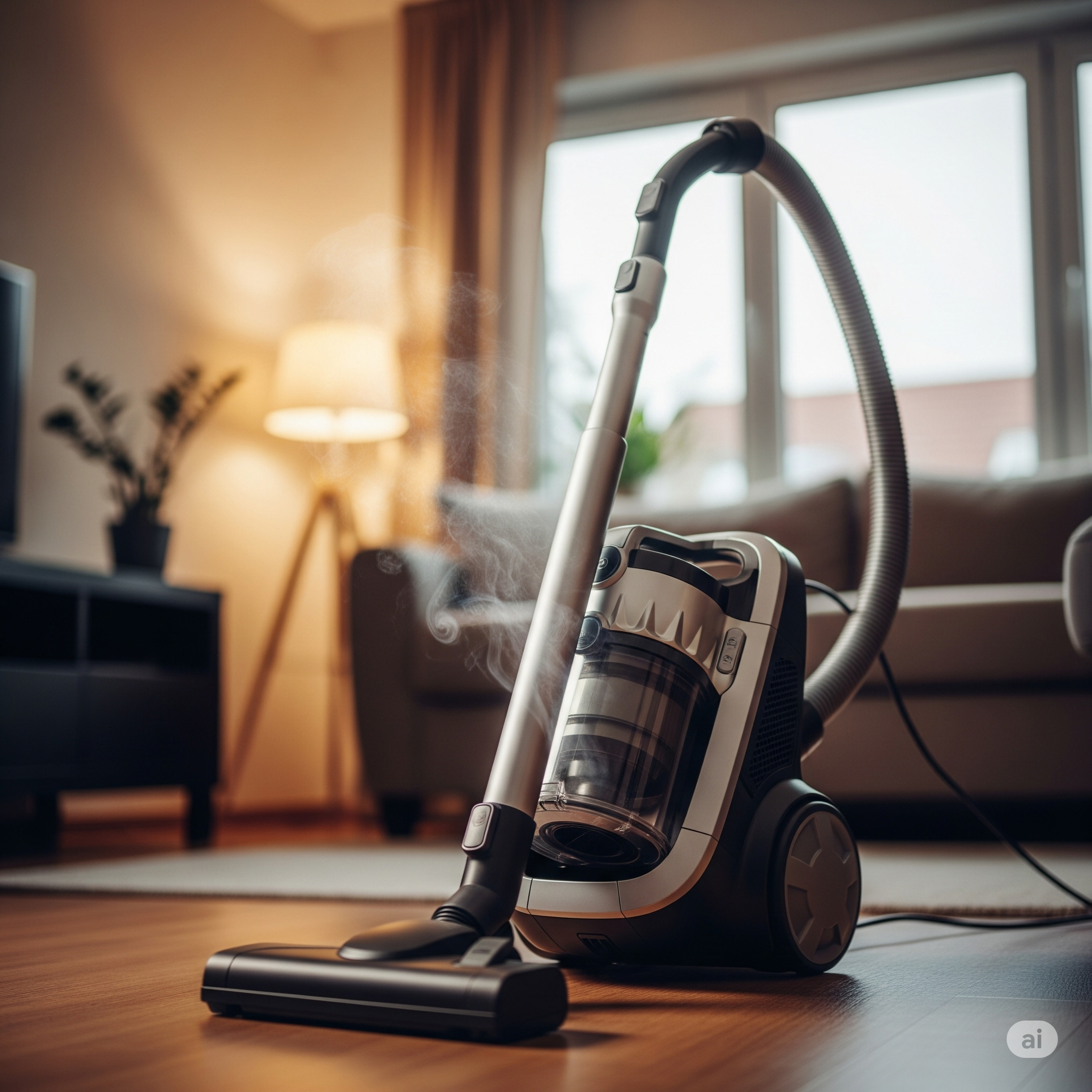
A burning rubber smell usually means something is overheating or rubbing. Common causes are a slipping or worn belt, tangled hair on the brush roll, blocked airflow, or failing bearings. Low airflow makes the motor work harder. That leads to heat and that rubber or burning smell.
I will show you how to fix vacuum cleaner burning rubber smell issue with clear steps. You will learn quick safety checks, the parts to inspect, and how to test belts and brushes. You will also learn when to call a pro.
Immediate safety steps to take now
If you smell rubber while vacuuming, stop right away. Turn the vacuum off and unplug it. Wait five to ten minutes for parts to cool before you touch anything.
Do not keep running a vacuum that smells like burning rubber. Continued use can damage the motor or start a fire. Follow these safety steps when you test and fix the machine.

How to fix vacuum cleaner burning rubber smell issue: step-by-step repair
Start with a visual check. Look for melted plastic, blackened rubber, or loose wires. Then follow these steps in order.
- Check and replace the belt
- Remove the brush cover and inspect the belt for cracks, stretching, or glazing.
- A slipping belt heats up and smells like rubber.
- Replace the belt if it looks thin, shiny, or brittle.
- Clean the brush roll and bearings
- Cut away hair and fibers wrapped around the roll and bearings.
- Tight hair jams cause friction and drag.
- Spin the brush by hand; it should turn freely.
- Clear blockages and filters
- Inspect hoses, wand, and intake openings for clogs.
- Check and wash or replace filters per manufacturer instructions.
- Poor airflow forces the motor to work hard and overheat.
- Inspect motor and wiring
- Look for burnt insulation or loose connectors.
- Smell or visible burn marks near the motor mean you need a pro.
- Motor brushes can cause burning smells if worn; a service repair may be required.
- Check bearings and wheels
- Stiff bearings or seized wheels cause drag and heat.
- Spin bearings and wheels; replace if they wobble or feel rough.
- Test run after fixes
- Reassemble the vacuum and run it for short bursts.
- If the smell is gone and nothing heats up, you are done.
- If the smell returns, stop and consult a technician.
These steps explain how to fix vacuum cleaner burning rubber smell issue in most home cases. If a step reveals motor damage, avoid risky DIY repairs.

Common parts that cause the burning rubber smell
- Belt
- Material can melt or glaze from friction.
- Brush roll and bearings
- Hair and debris cause drag and heat.
- Hoses and seals
- Blocked airways cause the motor to overwork.
- Motor brushes and armature
- Worn brushes make sparks and a burning smell.
- Wheels and casters
- Seized wheels can rub and heat plastic parts.
Knowing which part fails helps you fix the smell fast. I often found belts and hair jams are the cause in household vacuums.

Tools and supplies you will need
- Screwdrivers and nut drivers for panel removal.
- Replacement belt sized for your model.
- Soft brush and scissors for hair removal.
- Compressed air or small brush for dust.
- Multimeter for basic electrical checks.
- Replacement filters if they are dirty or blocked.
Having the right parts saves time and avoids guesswork. Keep the model number handy when buying parts.
Preventive maintenance to avoid the smell
- Clean the brush roll weekly.
- Replace belts yearly or when worn.
- Wash or replace filters as recommended.
- Check hoses and crevices for clogs monthly.
- Avoid vacuuming large, wet debris that can gum parts.
A short preventive routine prevents most burning rubber issues. I use a 10-minute monthly check on my home vacuum. It saved me from a costly motor repair.

When to call a professional or replace the vacuum
Call a pro if you find burnt wires, smoke, or motor damage. If the armature or stator is damaged, repair costs can exceed the value of the vacuum. For old vacuums with repeated motor failures, replacement is often the smarter choice.
If you are unsure about electrical checks, stop and call a service technician. Safety is more important than saving a few dollars.
Personal experience, mistakes to avoid, and practical tips
I once tried to re-tension a belt without matching the correct size. The belt slipped after an hour and smelled again. Lesson learned: always use the right replacement belt. Another time I missed a small clog in the hose and blamed the motor. The simple fix was cleaning the hose.
Tips I use:
- Take photos during disassembly to help reassembly.
- Label screws and parts with tape.
- Test run for short bursts to spot heat early.
These small habits make repairs faster and safer. They also reduce the chance the smell returns.
Related concepts and deeper causes
- Friction heat
- Any rotating part under load creates heat.
- Thermal cutouts
- Many vacuums include a thermal fuse that trips on overheating.
- Airflow math
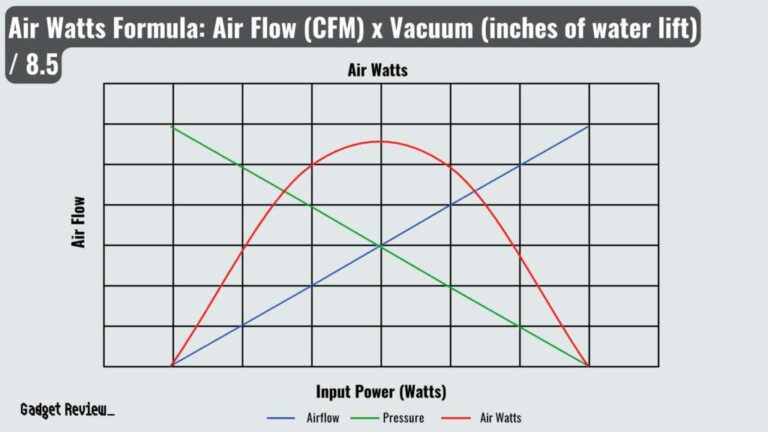
- Restricted airflow raises motor load quickly.
- Material aging
- Old rubber dries, cracks, and produces smell under stress.
Understanding these ideas helps you diagnose the problem faster. This knowledge improves how to fix vacuum cleaner burning rubber smell issue over time.
Frequently Asked Questions of how to fix vacuum cleaner burning rubber smell issue
Why does my vacuum smell like burning rubber only sometimes?
Intermittent smell usually means a belt slipping or a temporary clog. The part heats only when the load is high or when debris jams the brush roll.
Can I keep vacuuming if I smell rubber?
No. Turn it off and unplug it immediately. Continuing can damage the motor or create a fire risk.
How often should I change the vacuum belt?
Change the belt once a year or when you see cracks, glazing, or stretching. Frequent heavy use may require more frequent change.
Will replacing the filters remove the burning smell?
Replacing or cleaning filters helps if the smell comes from poor airflow. If the motor or belt is damaged, filters will not fix the root cause.
Is a burning smell always a motor problem?
Not always. Belts, brush rolls, clogs, or seized wheels often cause the smell first. Check these parts before assuming the motor is the issue.
How long should I run the vacuum after fixing the problem?
Run short tests of one to two minutes at a time to confirm the smell is gone. Stop if heat or smell returns and inspect again.
Conclusion
You can fix most burning rubber smells by following a clear, safe plan. Start with power-off safety, then check belts, brush rolls, hoses, and filters. Use the right parts and short test runs. If you smell burnt wiring or find motor damage, seek a professional. Take action now to avoid bigger repairs and keep your home safe. Try the steps today, share your results, or ask a question below to get help.

Liora Pennings is a seasoned chef and kitchen enthusiast with a passion for turning everyday cooking into an effortless experience. With years of hands-on culinary expertise, she specializes in practical techniques, ingredient know-how, and smart kitchen solutions that help home cooks elevate their meals. At KitchFlair.com, Liora shares her best tips, time-saving tricks, and honest product reviews to guide readers toward a more efficient, enjoyable, and inspired cooking routine. Whether you’re a beginner or a seasoned home chef, Liora’s friendly, knowledge-packed insights make every visit to the kitchen a little easier—and a lot more delicious.