How To Fix Coffee Maker Steam Coming From Wrong Place: Tips
Tighten or replace seals, clear blockages, and descale the machine to stop steam escaping from the wrong place.
I’ve fixed dozens of coffee makers that vent steam in the wrong spot. This guide shows clear causes and step-by-step repairs for how to fix coffee maker steam coming from wrong place. I explain the parts to check, safe ways to work on your machine, and when to get a pro. Read on for a practical plan you can use today.
Why steam comes from the wrong place
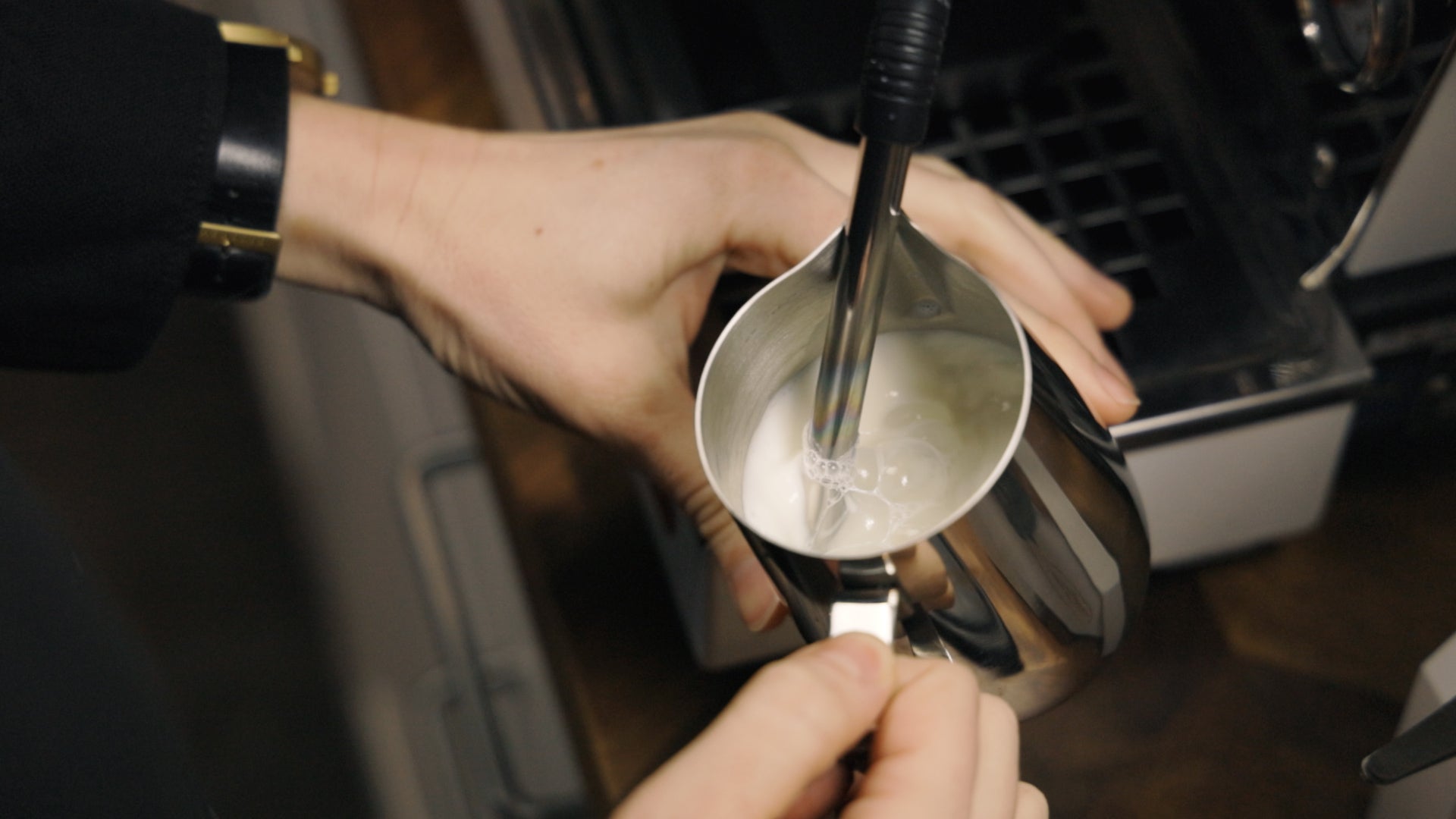
Steam should leave only through the brew head or steam wand. When steam comes from the wrong place, it usually means a worn seal, clogged tube, loose part, or pressure issue. Knowing the likely causes makes repairs fast and safe. Below, you will learn how to fix coffee maker steam coming from wrong place with clear checks and fixes.
Common causes
- Worn or damaged gaskets and O-rings allowing steam to escape around joints.
- Blocked valves or tubes forcing steam out of seams or safety vents.
- Loose or cracked plastic housing or a broken port.
- Excess pressure from scale buildup in boilers or boilers that overheat.
Signs to watch for
- Hissing sounds from unexpected spots.
- Steam near electrical parts or seams.
- Water leaking with steam.
- Reduced brew or steam power.

Safety first: shut off, cool down, and unplug
Safety matters when you fix steam issues. Always unplug the coffee maker and let it cool fully before you touch any parts. Steam and hot water can burn fast, and some repairs need tools that can harm you if the machine is hot.
Basic safety steps
- Turn the machine off and unplug it from the wall.
- Let it cool for at least 30 minutes or until the boiler is room temperature.
- Drain water from the reservoir and empty any drip trays.
- Use gloves and eye protection when working near the boiler or steam parts.
Step-by-step fixes for how to fix coffee maker steam coming from wrong place
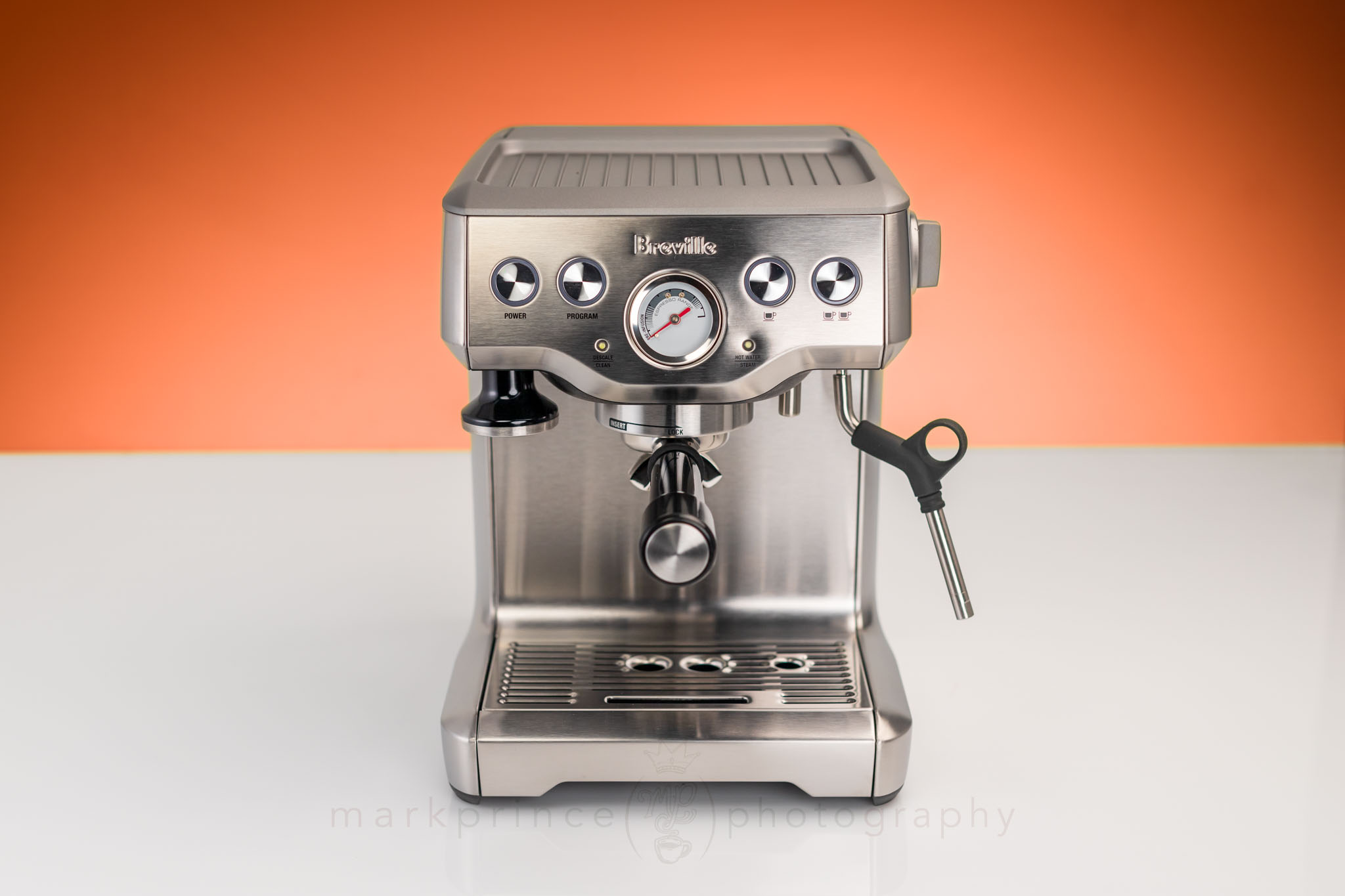
Follow these repairs from simple to advanced. Test the machine between steps to see if the issue is fixed.
- Visual check and tightness
- Inspect seams, handles, and the brew head for loose screws or cracks.
- Tighten visible screws and fittings by hand or with a screwdriver.
- Replace visibly cracked parts. Small cracks often lead to steam escape.
- Replace gaskets and O-rings
- Remove the group head or access panel following the manual.
- Inspect foam rings and rubber gaskets for wear or flattening.
- Replace gaskets that are hard, shredded, or misshapen. This often stops leaks.
- Clear the steam path and valves
- Open access to the steam wand and internal tubes if your model allows.
- Use a soft brush or pipe cleaner to clear mineral buildup and coffee grounds.
- Operate the steam function briefly after reassembly to test flow.
- Descale the boiler
- Follow your machine manual for a safe descaling process.
- Use a citric acid or commercial descaler if the manual allows it.
- Heavy scale raises pressure and can redirect steam. Regular descaling helps prevent this.
- Check the safety valve and pressure release
- If your coffee maker has a pressure relief valve, ensure it is not stuck open or blocked.
- Clean or replace a faulty valve. A stuck valve can vent steam in odd places.
- Inspect plastic panels and mounts
- Look for melted or warped plastic near steam areas.
- Replace damaged housings to prevent steam from routing through cracks.
- Test and monitor
- Reassemble and run a short brew and steam cycle.
- Watch for leaks and listen for odd hisses.
- If the problem persists, stop and move to professional help.
How many times to try fixes
- Try visual and gasket fixes first. These solve most cases.
- If steam still comes from the wrong place after these steps, you likely have a deeper issue needing a pro.

When to call a pro or consider replacement
Some problems are best left to technicians. If you feel unsure, call a certified repair person.
Signs you need professional help
- Steam near electrical components despite gasket replacement.
- Internal boiler cracks or major corrosion.
- Repeated pressure failures after descaling.
- Repair costs approach the price of a new machine.
Replacement vs repair
- For low-cost or heavily scaled machines, replacement may be cheaper.
- For high-end espresso machines, repair is often worth it.

Preventive maintenance to avoid future steam leaks
A small routine prevents most steam leaks. Regular care keeps seals soft and boilers clear.
Monthly and weekly tasks
- Empty and rinse the water tank weekly.
- Wipe the group head and steam wand after each use.
- Replace gaskets every 6–12 months if you use the machine daily.
- Descale quarterly or as your water hardness recommends.
Long-term tips
- Use filtered water to cut scale.
- Keep a maintenance log of parts replaced and services done.
- Follow the manufacturer’s maintenance schedule to keep warranty protection.

Troubleshooting checklist
Use this checklist when you see steam in the wrong spot. It helps you track fixes and next steps.
Quick checklist
- Unplug and cool the machine.
- Tighten visible screws and fittings.
- Replace worn gaskets and O-rings.
- Clear steam wand and internal tubes.
- Descale the boiler.
- Test safety valve and pressure release.
- Call a pro if steam is near electrical parts or if the boiler is damaged.
My hands-on notes
- I once fixed a home machine where steam came from a seam. A worn group head gasket was the cause. Replacing the gasket fixed it in 15 minutes. That taught me to check gaskets first. Small parts often cause big leaks.

Frequently Asked Questions of how to fix coffee maker steam coming from wrong place
Why is my coffee maker blowing steam from the side?
Steam often escapes from the side due to a loose fitting or a failed gasket. Tighten screws and replace worn seals to stop the leak.
Can I keep using the machine if steam leaks out from the base?
No. A base leak can reach electrical parts and cause a shock or fire. Unplug the machine and do repairs before using it again.
How often should I replace gaskets to prevent steam leaks?
Replace gaskets every 6 to 12 months with daily use, or sooner if you see wear or flattening. Regular checks prevent most steam escapes.
Will descaling fix steam coming from the wrong place?
Descaling fixes pressure issues caused by scale and can stop steam routing through unintended paths. If seals are damaged, descaling alone may not solve the problem.
How much does it cost to repair steam leaks in a coffee maker?
Costs vary by model. Simple gasket replacements are low cost, often under $30. Boiler or valve repairs can run much higher and may justify replacement for cheap machines.
Conclusion
Fixing steam that comes from the wrong place is usually simple when you follow safe checks and basic repairs. Start with visual checks, replace worn gaskets, clear blocked paths, and descale. If steam reaches electrical parts or the boiler, get professional help. Try these steps and keep a short maintenance plan to avoid repeat problems. If this guide helped, leave a comment with your machine model or subscribe for more repair tips.

Liora Pennings is a seasoned chef and kitchen enthusiast with a passion for turning everyday cooking into an effortless experience. With years of hands-on culinary expertise, she specializes in practical techniques, ingredient know-how, and smart kitchen solutions that help home cooks elevate their meals. At KitchFlair.com, Liora shares her best tips, time-saving tricks, and honest product reviews to guide readers toward a more efficient, enjoyable, and inspired cooking routine. Whether you’re a beginner or a seasoned home chef, Liora’s friendly, knowledge-packed insights make every visit to the kitchen a little easier—and a lot more delicious.