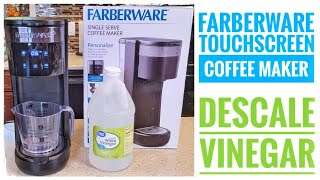
How To Clean A Farberware Coffee Maker: Easy Guide
Run a vinegar cycle, scrub removable parts, rinse thoroughly, and dry before reuse.
I’ve cleaned many coffee makers, including Farberware machines, and I’ll walk you through simple daily steps and deep-clean methods. This guide on how to clean a Farberware coffee maker explains safe, effective routines, descaling options, and troubleshooting so your coffee tastes great and your machine lasts longer. Read on for clear, tested steps, practical tips, and mistakes to avoid.
Why regular cleaning matters
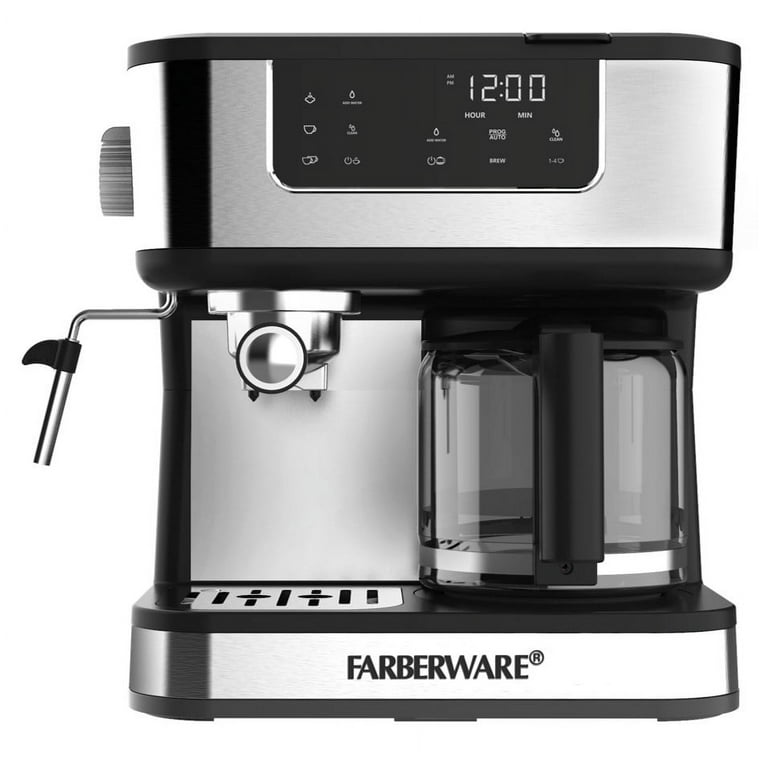
A clean Farberware coffee maker makes better coffee and lasts longer. Mineral scale, old grounds, and oils change flavor and clog parts. Regular cleaning prevents buildup and keeps your brewer reliable and safe to use.
What you'll need
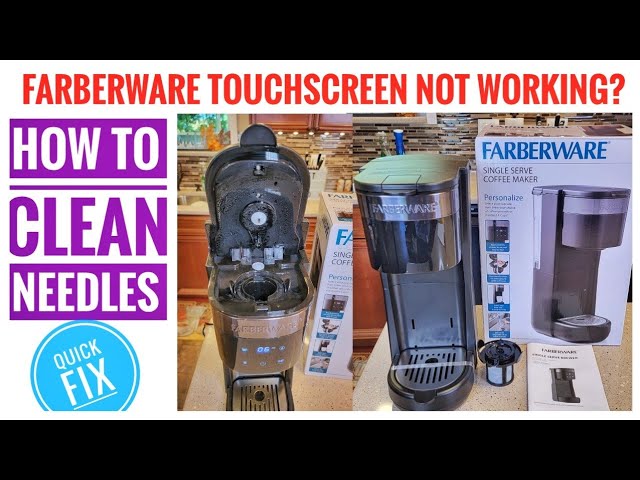
Use simple items you likely have at home. Gather these before you start:
- White distilled vinegar for descaling
- Clean water for rinsing and cycles
- Mild dish soap for removable parts
- Soft sponge or nonabrasive brush for scrubbing
- Small brush or toothbrush for nooks and spouts
- Baking soda for stains and odors
- Clean cloths or paper towels for drying
Quick daily cleaning (after each use)
Follow these fast steps to keep your Farberware machine fresh.
- Turn off and unplug the coffee maker.
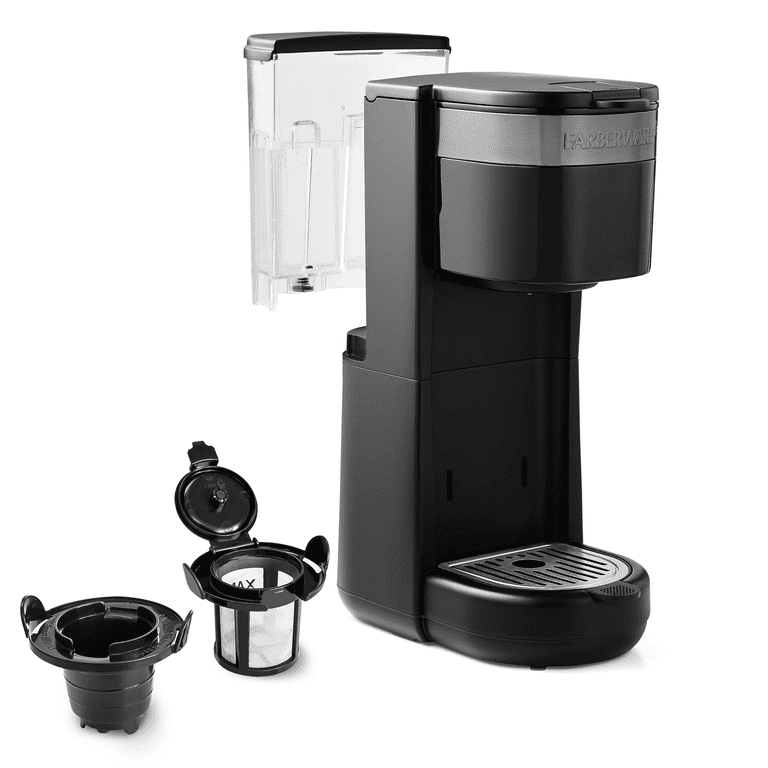
- Discard used grounds and rinse the filter basket and carafe with warm water.
- Wash removable parts with mild dish soap and a soft sponge.
- Wipe the machine exterior and warming plate with a damp cloth.
- Let parts air dry before reassembling.
Doing this daily reduces the need for frequent deep cleaning and prevents oils and grounds from accumulating.
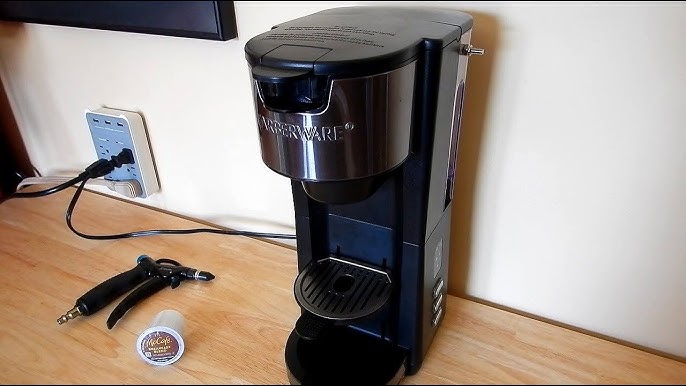
Deep clean and descale a Farberware coffee maker
Deep cleaning removes mineral scale inside the machine. This section details how to clean a Farberware coffee maker with vinegar and safe alternatives.
Step-by-step vinegar method:
- Empty the water reservoir and remove all removable parts.
- Mix equal parts white distilled vinegar and water. Fill the reservoir halfway or follow the manufacturer’s recommendation.
- Place an empty carafe on the warming plate and run a full brew cycle.
- Halfway through, pause and let the vinegar solution sit for 15–30 minutes to loosen scale.
- Finish the cycle and then discard the vinegar solution.
- Run 2–3 full cycles with fresh water to remove any vinegar taste and residue.
Alternatives and tips:
- Use citric acid or a commercial descaler if you prefer. Follow product instructions for concentration and cycle counts.
- If your model has a permanent filter or tight spots, use a soft brush dipped in vinegar to scrub those areas.
- Always unplug the machine before cleaning internal parts you can access, and never immerse the base in water.
How often to deep clean:
- Descale every 1–3 months depending on water hardness and usage. If you have hard water, descale more often.
This clear routine shows how to clean a Farberware coffee maker safely and effectively to remove mineral build-up and restore brew quality.
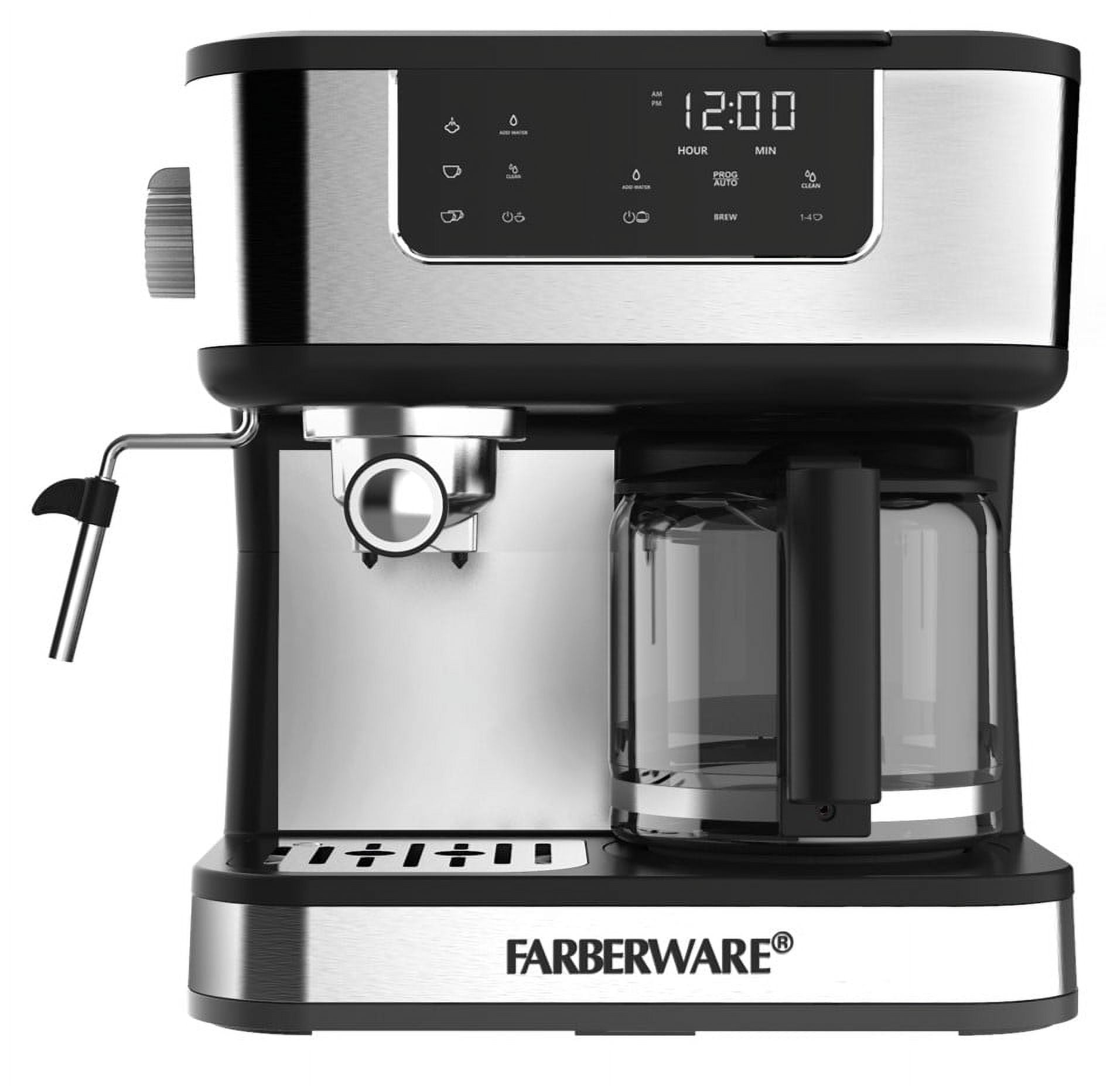
Cleaning the carafe and filter basket
Clean removable pieces well for best flavor and hygiene.
Carafe care:
- Glass carafe: Rinse immediately and wash with warm soapy water. For stains, add warm water and 1–2 tablespoons of baking soda, scrub lightly, then rinse.
- Stainless-steel carafe: Soak in warm soapy water and use a bottle brush for the interior. For stubborn stains, use a paste of baking soda and water.
Filter basket and reusable filter:
- Remove grounds and rinse. Wash with warm, soapy water and scrub any trapped oils.
- If your Farberware coffee maker has a reusable mesh filter, soak it in a vinegar solution for 10–15 minutes, then rinse thoroughly.
Dry and reassemble:
- Air dry or towel-dry parts completely before putting them back in the machine to prevent mold and odors.

Descaling alternatives and stain removal
You have options beyond vinegar for how to clean a Farberware coffee maker. Choose what fits your needs.
Options:
- Citric acid: Dissolve 1–2 tablespoons in a liter of water and run a cycle; it is gentler than vinegar and leaves less odor.
- Commercial descaler: Follow the product label for dilution and cycles.
- Baking soda paste: Good for carafe stains and persistent spots; let sit then scrub.
- Enzyme cleaners: Useful to break down oil residues in mesh filters.
Safety and effectiveness:
- Never mix bleach with vinegar or other chemicals.
- Rinse thoroughly after any descaling method to avoid flavor carryover.
- Test any cleaner on a small area if you have a stainless-steel carafe to avoid surface damage.
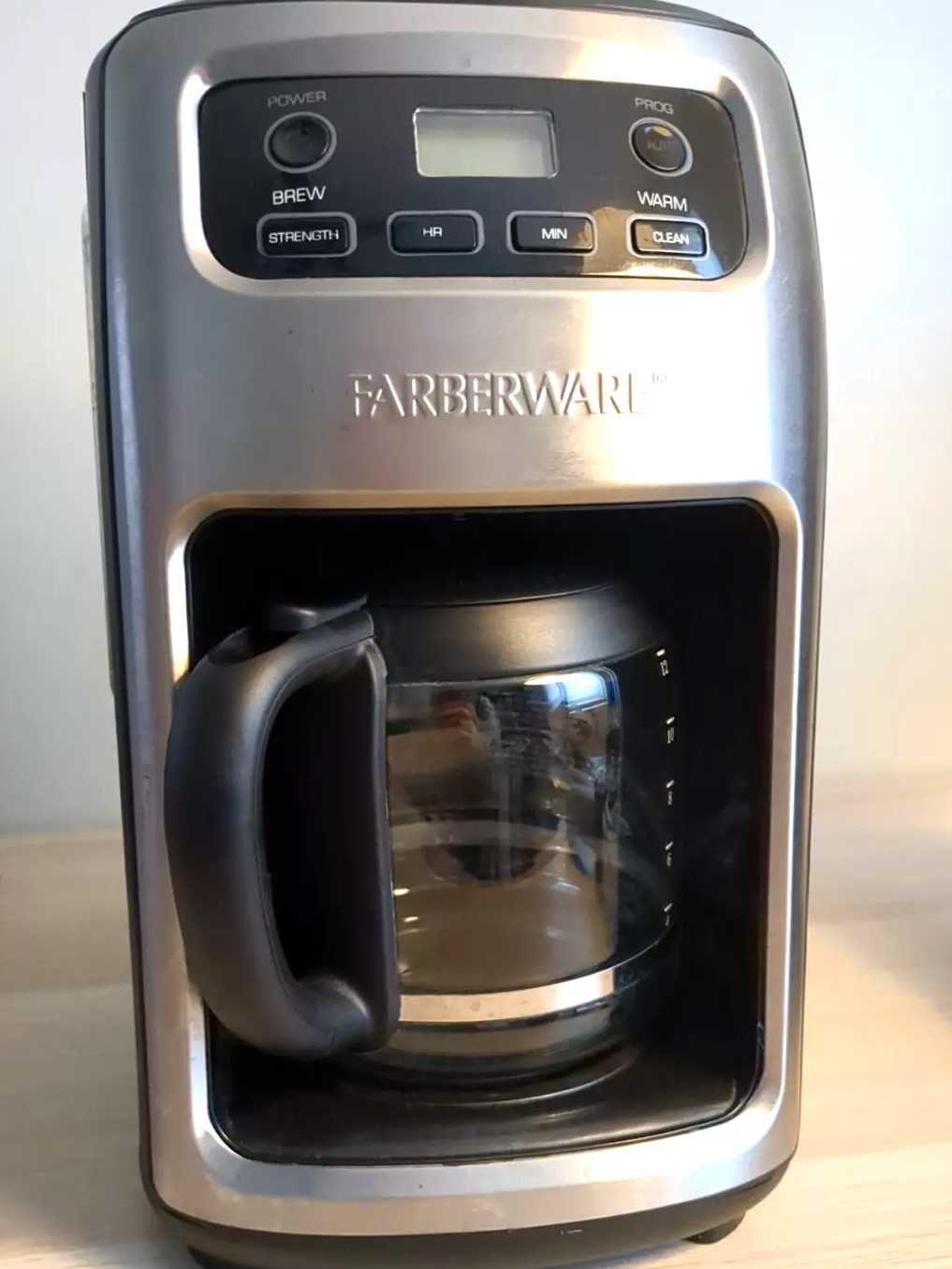
Maintenance tips to keep your Farberware coffee maker fresh
Small habits extend your machine’s life and improve taste.
Practical tips:
- Use filtered water to cut mineral deposits and improve flavor.
- Empty the carafe and grounds every day to stop smells.
- Run a water-only flush weekly to remove tiny residues.
- Replace coffee maker parts like filters, gaskets, or water filters per manufacturer recommendations.
- Keep the area around the machine dry and dust-free.
From my experience, a quick rinse after each use and monthly descaling kept my Farberware brewer performing like new for years.
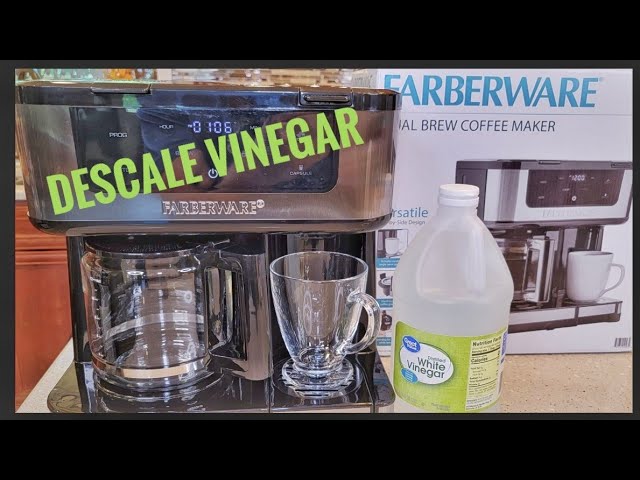
Troubleshooting common issues
If cleaning doesn’t fix a problem, try these checks.
Machine won’t brew or brews slowly:
- Mineral buildup may be clogging the inlet or tubing. Run a descale cycle and check the spray head.
Coffee tastes sour or vinegary:
- Run extra rinse cycles with fresh water to remove any remaining cleaner.
Persistent stains in carafe:
- Use baking soda paste, let it sit, then scrub with a bottle brush.
Leaks or water on the counter:
- Check the carafe for cracks and ensure the filter basket sits properly. Replace worn gaskets if needed.
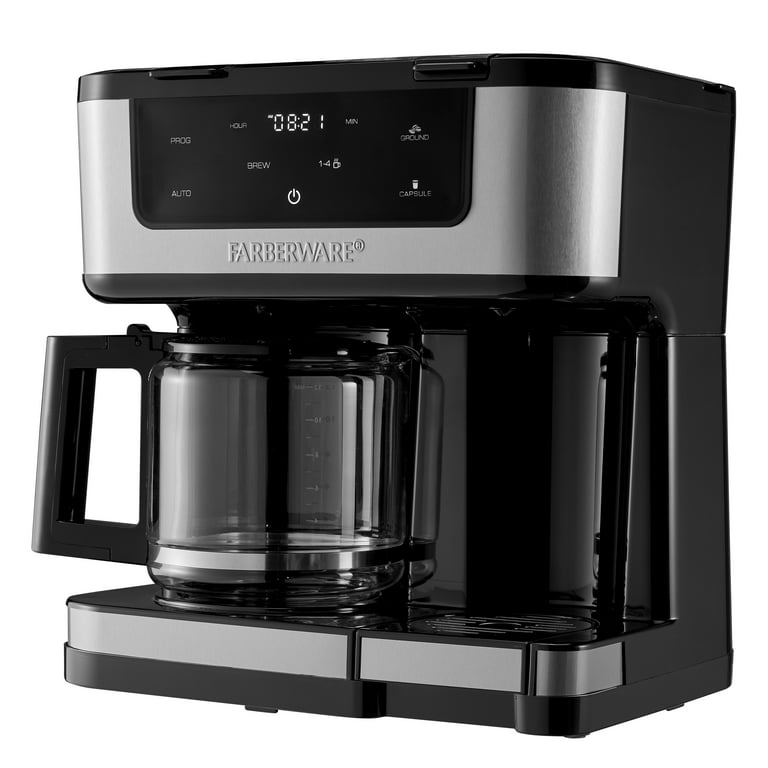
Frequently Asked Questions of how to clean a farberware coffee maker
How often should I descale a Farberware coffee maker?
Descale every 1–3 months depending on your water hardness and how often you brew. If you notice slow brewing or mineral spots, do it sooner.
Can I use vinegar to clean my Farberware coffee maker?
Yes. White distilled vinegar is safe and effective for descaling when diluted and followed by several rinse cycles. Use equal parts vinegar and water for a standard vinegar cycle.
Are removable parts dishwasher safe?
Some Farberware parts are dishwasher safe, but models vary. Check your manual; when in doubt, wash removable parts by hand to protect seals and finishes.
How do I remove stubborn coffee stains from the carafe?
Make a paste of baking soda and water, scrub with a bottle brush, and rinse well. For stainless steel, let the paste sit for 10 minutes before scrubbing.
My coffee tastes off after cleaning. What should I do?
Run 2–4 full cycles of fresh water to flush any remaining cleaner and odors. If the taste persists, repeat the rinses and ensure all removable parts were washed.
Is it safe to leave water in the reservoir overnight?
It’s best to empty the reservoir if left unused for long periods to avoid stale water and bacterial growth. For daily use, refill with fresh water each morning.
Conclusion
Cleaning your Farberware coffee maker is simple and pays off with better-tasting coffee and a longer-lasting machine. Follow daily rinses, monthly descaling, and careful cleaning of removable parts to prevent buildup and problems. Start a quick cleaning habit this week and keep your brewer in great shape — share your results or questions below, or subscribe for more appliance care tips.

Liora Pennings is a seasoned chef and kitchen enthusiast with a passion for turning everyday cooking into an effortless experience. With years of hands-on culinary expertise, she specializes in practical techniques, ingredient know-how, and smart kitchen solutions that help home cooks elevate their meals. At KitchFlair.com, Liora shares her best tips, time-saving tricks, and honest product reviews to guide readers toward a more efficient, enjoyable, and inspired cooking routine. Whether you’re a beginner or a seasoned home chef, Liora’s friendly, knowledge-packed insights make every visit to the kitchen a little easier—and a lot more delicious.