
How To Balance Vacuum Cleaner Fan Blade Vibration: Top Tips
Balance fan blade vibration by cleaning, trimming, and adding small weights until smooth.
I have spent years fixing vacuums and motors. I will show clear, hands-on steps on how to balance vacuum cleaner fan blade vibration so you can stop wobble, noise, and extra wear. Read on for safe, practical methods, tools to use, troubleshooting tips, and real examples from my own shop repairs.

Why vacuum fan blades vibrate
Fan blades spin fast. If one side is heavier, the blade will wobble. Dirt, dents, bent blades, or loose mounts cause imbalance. Even small ribs of dust on a blade can create enough force to shake the whole vacuum.
Common causes include:
- Dirt and debris building up on one blade.
- Bent or chipped blades from hitting debris.
- Loose screws or a wobbling motor shaft.
- Worn bearings or housing play.
Balancing reduces noise, lowers motor wear, and improves suction. It also helps avoid more costly motor or housing damage later.

Tools and safety you need
Keep safety first. Unplug the vacuum before you touch the fan. Use eye protection and gloves. Small parts can fly off when testing.
Basic tools:
- Screwdrivers to open the housing.
- Soft brush and cloth for cleaning.
- Small digital scale or balance board for precise checks.
- Masking tape and permanent marker.
- Small lead or brass balancing weights and adhesive.
Advanced tools that help: - Dial indicator for shaft runout checks.
- A rotor balancing stand for precise work.
These tools help you learn how to balance vacuum cleaner fan blade vibration with accuracy and safety.

How to balance vacuum cleaner fan blade vibration: Step-by-step
This section gives clear steps on how to balance vacuum cleaner fan blade vibration. Follow each step in order. Work slowly and test often.
- Inspect and clean
- Unplug and open the housing. Check the blade for dust, hair, and dents.
- Clean the blade with a brush and cloth. Remove sticky gunk with a mild solvent if needed.
- Check mounting and shaft
- Tighten screws and clamps. Spin the blade by hand to feel for rubbing.
- If the shaft wobbles, test the bearings and replace if needed.
- Do a simple static balance
- Place the blade on a thin rod or nail that fits the hub so it can spin freely.
- Let it settle. The heavy side will rotate down. Mark the down side with a marker.
- Remove small material from the heavy area or add small tape weights to the light side.
- Use weights for fine tuning
- Add tiny weights to the light side. Use tape to test placement.
- Re-spin until the blade settles in random positions instead of a fixed heavy spot.
- Reinstall and test
- Reinstall carefully. Tighten all hardware to spec.
- Run the vacuum at low power first. Listen and feel for reduced vibration.
If vibration remains, repeat the static balance steps. With practice you will get faster at how to balance vacuum cleaner fan blade vibration and reach a near-perfect result.
Personal tip from experience: I once balanced a shop vacuum by shaving a small burr off one blade edge with a file. It worked, but I now prefer adding tiny drilled metal weights. Removing material can weaken thin blades.

Quick checks and common micro-fixes
- Straighten slightly bent blades with gentle taps using a rubber mallet.
- Replace blades that have cracks or missing chunks.
- Replace worn bearings rather than trying to mask the problem with weights.
These small fixes make the main balancing step much easier.

Advanced balancing and when to seek professional help
If vibration persists after the basic steps, you may need advanced tools or parts. A dynamic balance on a rotor stand will find flaws static checks miss.
Signs you need pro help:
- Persistent vibration at all speeds.
- Visible shaft runout or motor mount wear.
- Cracked fan hubs or complex molded plastic blades.
A trained technician can use a balancing machine and measure vibration in g-forces. This avoids guesswork and can save the motor. If your vacuum is high-value or still under warranty, contact the manufacturer before opening it.
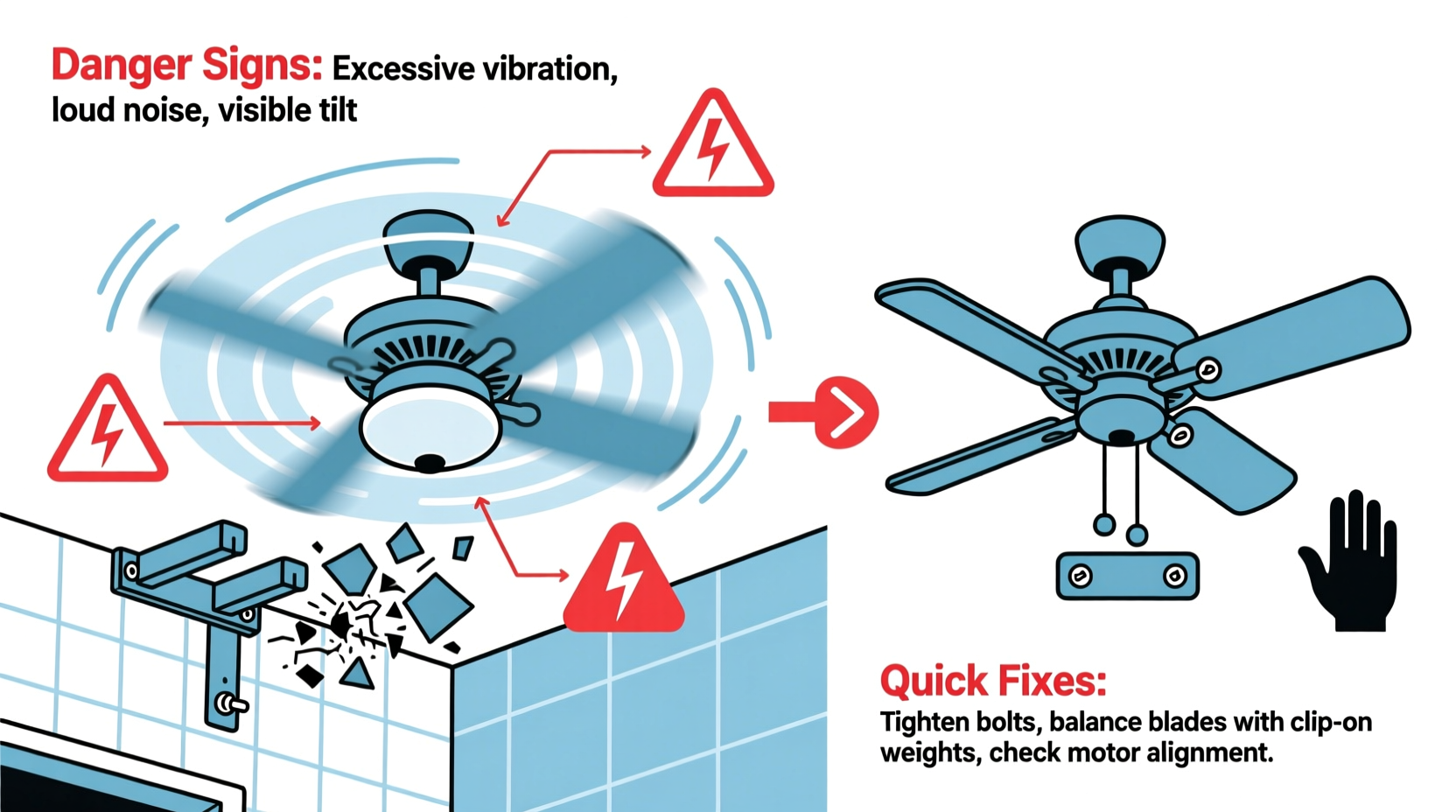
Maintenance tips to prevent vibration
Regular care stops most balance problems. A little time today saves repair time later.
Easy maintenance steps:
- Clean the fan and motor area every few months.
- Inspect the blade for nicks after heavy use.
- Tighten mounting screws at each filter change.
- Replace bearings at the first sign of noise.
Good care reduces the need to learn how to balance vacuum cleaner fan blade vibration often. It also keeps suction strong and parts lasting longer.

PAA-style questions (common user queries)
Can I balance a blade without special tools?
Yes. You can use a thin rod or nail and small taped weights for a simple static balance. This works well for small imbalances.
Will trimming a blade reduce vibration?
Trimming can help if one edge is bent or has extra material. Be careful: remove very small amounts and avoid weakening the blade.
How often should I check fan balance?
Check during major cleanings or after heavy use. If you hear new noise, inspect immediately.
Frequently Asked Questions of how to balance vacuum cleaner fan blade vibration
What is the simplest method to balance a vacuum blade?
Use a thin rod to let the blade spin freely and find the heavy side. Add small weights to the opposite side until the blade stops hanging in one spot.
Can imbalance damage the vacuum motor?
Yes. Long-term vibration increases bearing wear and can loosen mounts, which shortens motor life.
How much weight should I add when balancing?
Start with very small weights, like a few grams. Add in tiny steps and retest often to avoid over-correcting.
Is a cracked blade repairable for balancing?
Small cracks can sometimes be stable with a reinforced patch, but most cracked blades should be replaced to be safe.
How long does balancing take for a DIYer?
For a basic static balance, plan 20 to 45 minutes if you are careful. Advanced balancing will take longer or require a shop.
Can I balance the blade while it is still in the vacuum?
You can do a rough check by feeling for wobble with a gloved hand and adding temporary tape weights, but precise balancing is best done off the motor.
Will replacing the filter reduce vibration?
A clogged filter can strain the motor, but it usually does not cause fan blade imbalance. Still, replace filters to reduce wear and heat.
Conclusion
Balancing a fan blade is a simple skill that saves noise, parts, and money. Clean the blade, check mounts, use a static balance method, and add tiny weights or trim small burrs. If you hit stubborn vibration, seek a pro for dynamic balancing. Try the steps today on a safe surface and test slowly.
Take action now: inspect your vacuum, try a basic balance, and share your results or questions in the comments. If this helped, subscribe for more hands-on repair tips and guides.

Liora Pennings is a seasoned chef and kitchen enthusiast with a passion for turning everyday cooking into an effortless experience. With years of hands-on culinary expertise, she specializes in practical techniques, ingredient know-how, and smart kitchen solutions that help home cooks elevate their meals. At KitchFlair.com, Liora shares her best tips, time-saving tricks, and honest product reviews to guide readers toward a more efficient, enjoyable, and inspired cooking routine. Whether you’re a beginner or a seasoned home chef, Liora’s friendly, knowledge-packed insights make every visit to the kitchen a little easier—and a lot more delicious.