
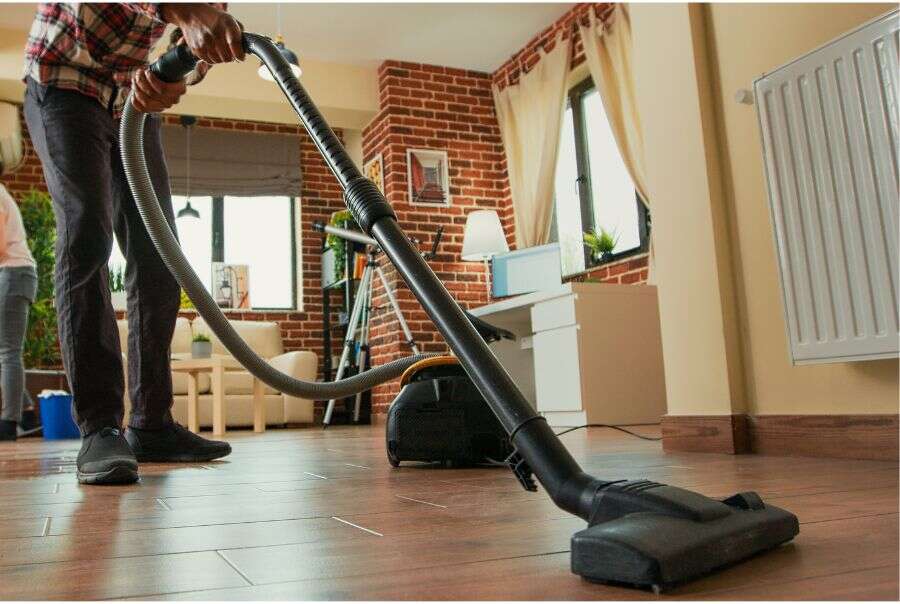
Most household vacuum cleaners run between 600 and 1,500 watts, depending on type and motor design.
I’ve spent years testing and repairing vacuums, and I’ll walk you through what those watt numbers really mean. This guide answers how many watts is a vacuum cleaner, why the number matters, and how to pick the right model for your home. Read on for clear, practical advice backed by hands-on experience and industry knowledge.

What does wattage tell you about a vacuum cleaner?
Wattage measures the electrical power a vacuum’s motor uses. When people ask how many watts is a vacuum cleaner, they often want a quick sense of power and cost. Higher watts usually mean a stronger motor, but they do not always equal better suction or cleaning performance.
I’ve seen vacuums with high watt ratings that perform worse than lower-watt models because of poor airflow design. So wattage is only one part of the performance picture. Look at airflow, sealed suction, and brushroll design too.
Typical wattage ranges by vacuum type
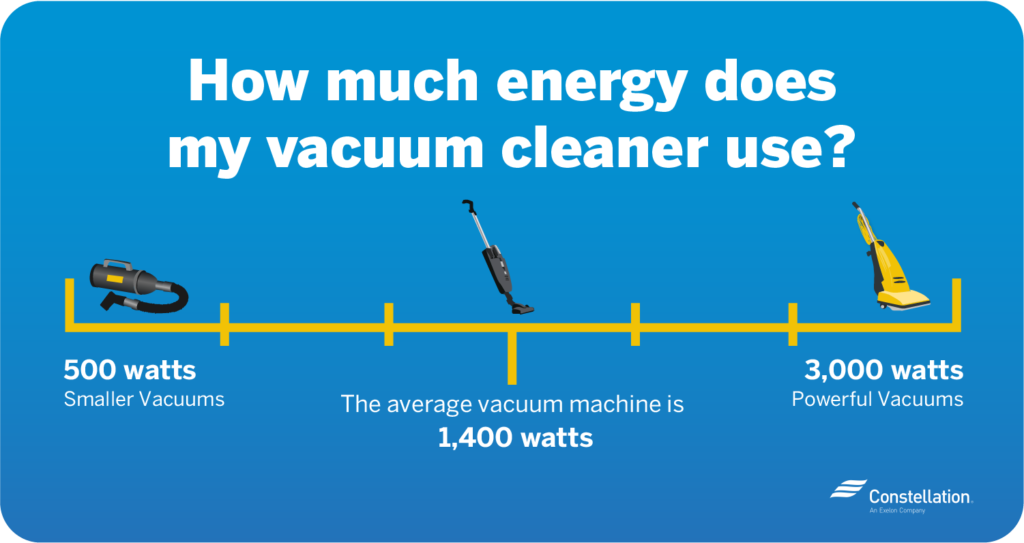
If you’re wondering how many watts is a vacuum cleaner for various models, here are common ranges:
- Stick and handheld vacuums: 100 to 400 watts for cordless; 150 to 700 watts for corded sticks.
- Upright vacuums: 600 to 1,500 watts for most home models.
- Canister vacuums: 500 to 1,200 watts depending on size and purpose.
- Robot vacuums: 20 to 100 watts while running; peak draw can be higher during charging.
- Commercial/industrial vacuums: 1,200 to 3,000+ watts for heavy-duty machines.
These ranges show why the question how many watts is a vacuum cleaner needs context. A lightweight stick with 300 watts can clean well on hard floors, while a 1,200-watt upright may be better for deep-pile carpet.

Watts versus suction: why electrical power isn’t everything
Many people equate watts with suction. That’s a common misconception when asking how many watts is a vacuum cleaner. Watts measure electrical input. Suction depends on:
- Airflow (measured in cubic feet per minute, CFM)
- Pressure differential (measured in inches of water lift)
- Motor and fan efficiency
- Hose and filter design
Manufacturers sometimes quote air watts, which combine airflow and suction into a single useful number. If you want real cleaning power, compare air watts and CFM rather than relying solely on the question how many watts is a vacuum cleaner.

Energy use and running cost: calculating real impact
If your main concern is how many watts is a vacuum cleaner for energy bills, here’s a simple approach.
- Convert watts to kilowatts: watts ÷ 1,000. A 1,200-watt vacuum is 1.2 kW.
- Multiply by hours used per year. If you vacuum 1 hour per week, that’s 52 hours.
- Multiply by your electricity rate. At $0.15 per kWh, 1.2 kW × 52 hours × $0.15 = $9.36 per year.
So even a 1,500-watt vacuum costs very little to run for a typical household schedule. The real expense is performance—if you need to vacuum longer because the machine cleans poorly, that increases costs.
Choosing the right wattage and model for your needs
When deciding how many watts is a vacuum cleaner you should buy, consider these points:
- Flooring type: Low-watt sticks excel on hard floors; higher-watt uprights or canisters handle thick carpet better.
- Home size: For large homes, a powerful canister or upright can cut cleaning time.
- Allergy concerns: Look for sealed systems and HEPA filtration rather than chasing high watt numbers.
- Noise and efficiency: Lower-watt, well-designed motors can be quieter and more efficient.
From personal experience, I recommend picking a model that balances motor wattage with airflow efficiency. That delivers consistent cleaning while avoiding unnecessary power use.
Practical tips to get more from any vacuum, regardless of watts
You don’t need the highest wattage to get a clean home. Try these tactics I use in repairs and testing:
- Empty the dustbin or change the bag regularly to keep airflow high.
- Clean or replace filters on schedule to maintain suction.
- Check the brushroll for hair tangles and clear the belt if it slips.
- Use the right attachment for the job; crevice tools and upholstery tools improve results.
- Seal leaks in hoses and replace cracked connectors to preserve pressure and airflow.
These low-effort steps often improve performance more than buying a higher-watt vacuum. They also show why focusing only on how many watts is a vacuum cleaner is short-sighted.
Maintenance, safety, and real-world experience
Regular maintenance keeps your vacuum running like new. From my work repairing machines, I recommend:
- Inspect electrical cords for wear and replace if damaged.
- Watch motor temperature—unusual heat can signal a blockage or failing bearing.
- Replace belts annually or when they stretch.
- Use manufacturer-approved parts for filters and belts to keep performance consistent.
Safety note: Never operate a vacuum with a damaged cord or exposed wiring. That ties directly into the practical side of asking how many watts is a vacuum cleaner—higher wattage can mean greater risk if electrical safety is ignored.

Frequently Asked Questions of how many watts is a vacuum cleaner
How many watts is a vacuum cleaner for an upright model?
Most upright vacuum cleaners for home use fall between 600 and 1,500 watts. The right wattage depends on motor design and the type of flooring you have.
Are more watts always better for cleaning?
No. More watts mean more electrical draw, but they don’t always deliver better suction. Airflow, seals, and brush design often matter more than raw wattage.
What is the difference between watts and air watts?
Watts measure electrical power input. Air watts combine airflow and suction into a single metric that better reflects cleaning performance.
How many watts do robot vacuums use?
Robot vacuums typically draw 20 to 100 watts while running. Their motors are small but optimized for continuous, low-power cleaning.
Does a vacuum’s wattage affect my electricity bill?
Only slightly. Even a 1,500-watt vacuum used for one hour per week adds a few dollars per year to your bill. Runtime and cleaning efficiency are bigger factors.
Conclusion
Wattage gives a quick clue, but it does not tell the full story about cleaning power. When you ask how many watts is a vacuum cleaner, use that number as one data point alongside airflow, air watts, filtration, and design. Focus on practical performance: pick a model that matches your floors, maintain it well, and prioritize sealed systems and efficient airflow.
Take action: test suction on return policies, check filters before buying, and share your experience in the comments. If you found this helpful, subscribe for more hands-on buying and maintenance tips.

Liora Pennings is a seasoned chef and kitchen enthusiast with a passion for turning everyday cooking into an effortless experience. With years of hands-on culinary expertise, she specializes in practical techniques, ingredient know-how, and smart kitchen solutions that help home cooks elevate their meals. At KitchFlair.com, Liora shares her best tips, time-saving tricks, and honest product reviews to guide readers toward a more efficient, enjoyable, and inspired cooking routine. Whether you’re a beginner or a seasoned home chef, Liora’s friendly, knowledge-packed insights make every visit to the kitchen a little easier—and a lot more delicious.
Leave a Reply