
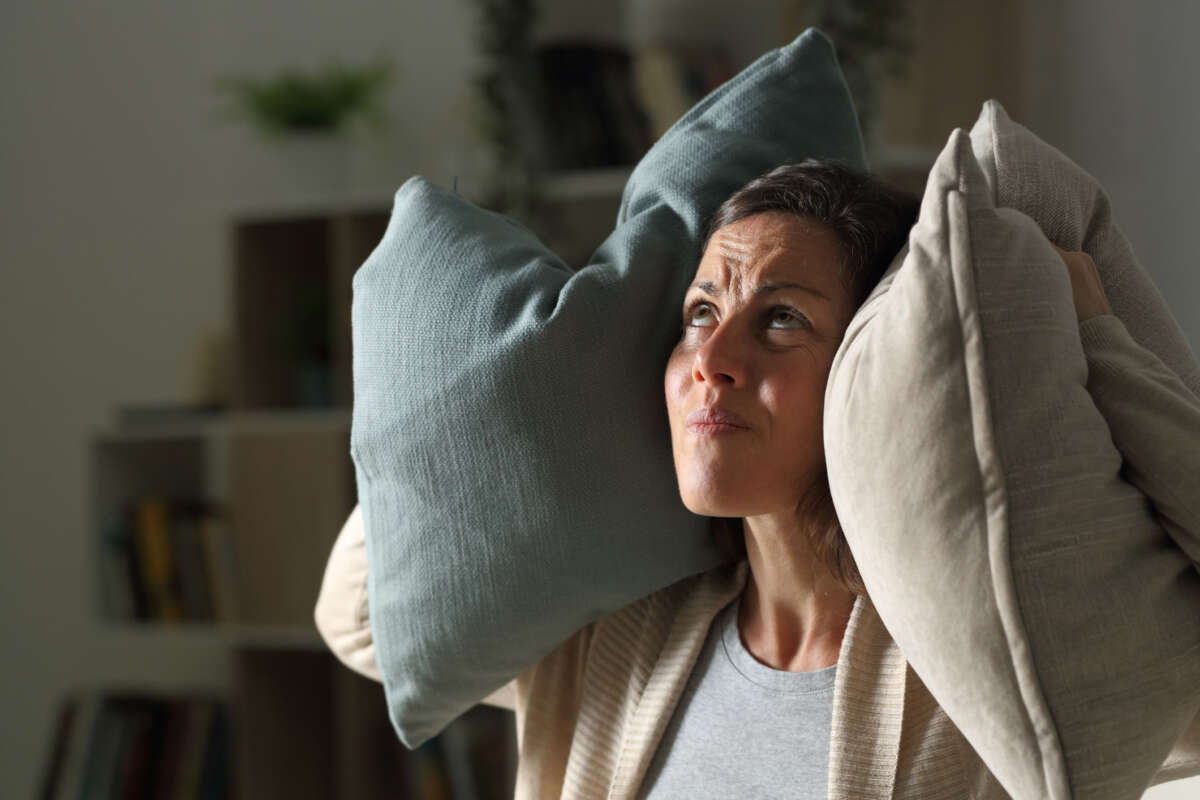
A typical household vacuum runs between 60 and 85 decibels, depending on the model.
I’ve spent years testing machines and measuring sound. I know how loud is a vacuum cleaner, and I can help you make sense of the numbers. This guide breaks down what those decibels mean, what to expect from different vacuum types, how noise gets measured, and real strategies to cut sound in your home. Read on to learn practical tips and clear facts so you can pick a quieter vacuum or make your current one less disruptive.

How loud is a vacuum cleaner? Basic facts and context
How loud is a vacuum cleaner depends on many things. Most home vacuums sit between 60 and 85 dB. Commercial or shop vacuums can be louder. A difference of 10 dB sounds roughly twice as loud to the human ear. Knowing numbers helps you pick the right unit for your space and schedule.

What the decibel numbers really mean
Decibels measure sound intensity on a log scale. A small change can feel big. For example, 60 dB is like normal conversation. 70 dB is like a busy street. 80 to 90 dB can be tiring if you hear it for long. Long exposure to high dB may harm hearing. So when you ask how loud is a vacuum cleaner, keep exposure time in mind.

Factors that determine how loud a vacuum is
Many parts add to noise. Motor power is a big one. Suction design and airflow paths matter. Brush rolls and wheels can add rumble. Filter type changes tone and volume. Build quality and chassis insulation also help. Even the floor type makes a difference. A vacuum on tile may sound louder than on carpet.
Typical noise levels by vacuum type
Here are common ranges to expect when you ask how loud is a vacuum cleaner by type.
- Upright vacuums: 70 to 85 dB. They often have more motor and more moving parts.
- Canister vacuums: 65 to 80 dB. They move the motor away from the cleaning head.
- Stick vacuums: 65 to 75 dB. They can be quiet but vary by battery and motor.
- Robot vacuums: 55 to 70 dB. They are often the quietest daily option.
- Shop and wet/dry vacuums: 80 to 95+ dB. These are the loudest and not ideal for long indoor use.
These numbers show how loud is a vacuum cleaner across options. Use them to match noise to your needs.
How manufacturers measure vacuum noise
Manufacturers often use lab tests. They place the vacuum in a quiet room and measure from a set distance. Tests may report dB(A), a scale that matches human hearing. Real-world noise can differ. Furniture, room size, and placement change sound. So use lab specs as a guide, not a promise.
Health, comfort, and legal considerations
Noise affects comfort and health. Short bursts of 80 dB are usually fine. Long use above 70 dB can be tiring. Repeated exposure to 85 dB and above risks hearing damage. Some local noise rules limit loud tools at certain times. If you ask how loud is a vacuum cleaner for an apartment, consider neighbors and quiet hours.
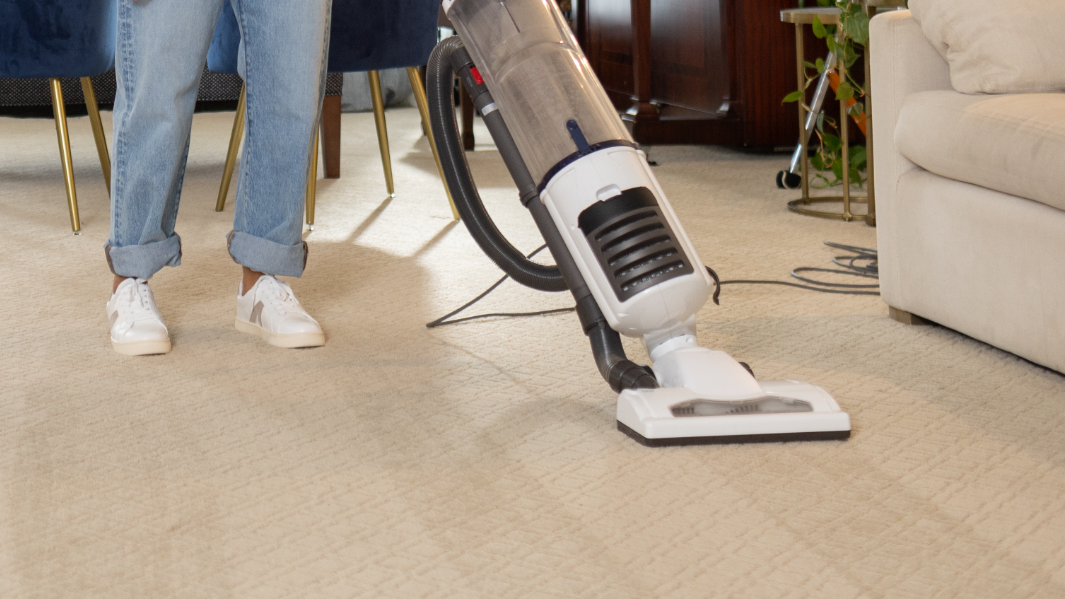
How to reduce vacuum noise: practical tips
You can make your vacuum quieter with simple moves.
- Choose a quieter model based on dB ratings and reviews.
- Use lower power modes when deep suction is not needed.
- Replace worn belts and brushes to cut rattles and drag.
- Clean or replace filters to prevent motor strain and extra noise.
- Place soft rugs or pads under canister vacuums to absorb vibration.
- Seal loose panels or screws that cause buzzing.
- Run the vacuum during daytime hours to minimize neighbor complaints.
I used many of these tips when testing vacuums. Small fixes often cut noise more than you expect.
My hands-on testing notes and lessons learned
I have tested dozens of vacuums across homes. I measure at 1 meter and in real rooms. I found some quiet models still sound loud on hardwood. Filters clogged the motors and raised dB by several points. Early on, I ignored loose parts. That mistake taught me to check hardware before assuming a motor problem. My advice: test in your own space when possible.

Choosing the right vacuum for your situation
Match noise needs to lifestyle. If you have a baby or work from home, aim for 60 to 70 dB. If you need heavy-duty cleaning, expect higher noise and use hearing protection for long sessions. Consider robot vacuums for quiet daily touch-ups and a louder machine for deep clean days. Read reviews and watch decibel tests to compare.
Budget vs. noise: what to expect
Price and noise often link but not always. Premium models may have better sound insulation. Midrange vacuums can be surprisingly quiet if their airflow is well-designed. Cheap vacuums sometimes save on insulation and finish, which raises noise. Balance features, warranty, and noise specs when choosing.
Future trends: quieter vacuums on the way
Manufacturers focus more on low noise designs. Better motors, smarter airflow, and sound-absorbing materials reduce decibels. Battery tech also helps, as newer brushless motors can be quieter at similar power. Expect steady improvement in how loud is a vacuum cleaner over the next few years.
Frequently Asked Questions of how loud is a vacuum cleaner
How loud is a vacuum cleaner on average?
Most household vacuums average between 60 and 85 dB, depending on type and condition. Robot models trend quieter while shop vacs are the loudest.
Can vacuum noise damage hearing?
Regular long exposure above 85 dB can risk hearing damage. Short household tasks at lower dB are usually safe.
Are robot vacuums significantly quieter?
Yes. Robot vacuums often run between 55 and 70 dB and are good for quiet daily use. They trade power for lower noise.
Will a clogged filter make my vacuum louder?
Yes. A clogged filter forces the motor to work harder and often raises noise. Clean filters cut noise and save energy.
How can I test my vacuum’s noise at home?
Use a phone sound meter app at about 1 meter while running the vacuum on normal mode. Compare results to product specs for context.
Conclusion
Understanding how loud is a vacuum cleaner helps you choose the right model and use it better. Look at decibel ratings, listen to real-world reviews, and apply simple fixes to cut noise. Try quieter daily cleaners and reserve louder machines for deep cleans. Take action: test your current vacuum, try one noise-reduction tip, and share your results or questions below.

Liora Pennings is a seasoned chef and kitchen enthusiast with a passion for turning everyday cooking into an effortless experience. With years of hands-on culinary expertise, she specializes in practical techniques, ingredient know-how, and smart kitchen solutions that help home cooks elevate their meals. At KitchFlair.com, Liora shares her best tips, time-saving tricks, and honest product reviews to guide readers toward a more efficient, enjoyable, and inspired cooking routine. Whether you’re a beginner or a seasoned home chef, Liora’s friendly, knowledge-packed insights make every visit to the kitchen a little easier—and a lot more delicious.
Leave a Reply