Does Coffee Make You Nauseous: Causes And Fixes
Yes, coffee can make you nauseous, especially on an empty stomach or with high caffeine.
If you have ever asked, does coffee make you nauseous, you are not alone. I have coached dozens of clients through this. I have lived it too. In this guide, I’ll explain why coffee upsets some stomachs, who is most at risk, and simple fixes that work. You will learn what to change in your brew, your routine, and your diet to keep coffee in your life without the queasy feeling.
Does coffee make you nauseous? The science in plain English
Coffee can push many buttons in your gut and nervous system. Each one can tip you toward nausea. If you wonder, does coffee make you nauseous, this section shows how and why.
Here is what coffee can do in your body:
- It raises stomach acid. Both regular and decaf can increase acid. That can irritate your stomach lining and trigger nausea.
- It relaxes the valve between the esophagus and stomach. Acid can move up. That can cause reflux, a sour taste, and a sick feeling.
- It speeds gut movement in some people. Fast emptying can cause cramping or nausea. In others, it slows things down and causes fullness.
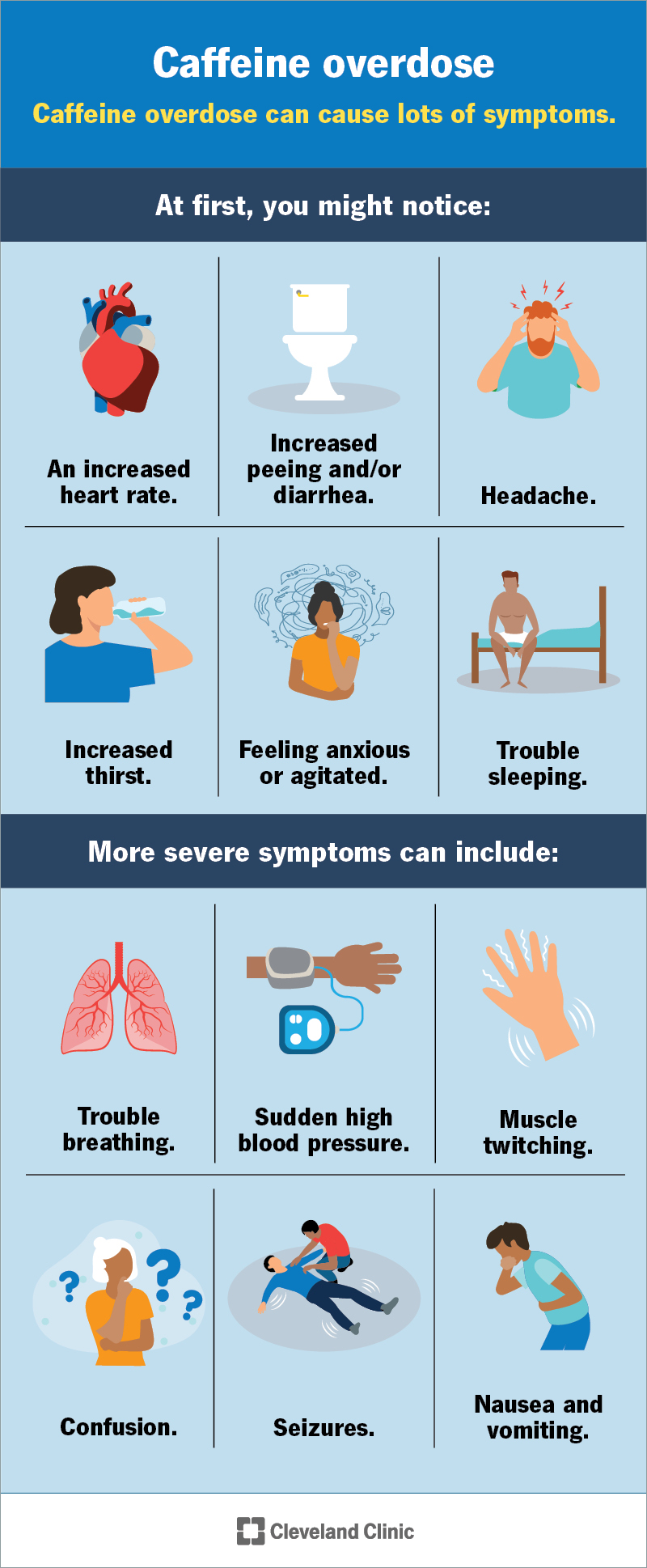
- It spikes stress hormones. Caffeine can raise adrenaline and cortisol. When these rise, nausea can follow, especially if you are prone to anxiety.
- It is mildly dehydrating. If you are low on fluids, nausea can feel worse.
- It can be bitter and acidic. Chlorogenic acids and other compounds can irritate sensitive stomachs.
What about decaf?
- Decaf has much less caffeine. But it still has acids and bitter compounds. Some people still feel sick with decaf, though many feel better.
What about cold brew and dark roast?
- Cold brew tends to have less perceived acidity. Many people report less stomach upset.
- Dark roast can feel smoother. It often has lower titratable acidity than light roast. It may be easier on your stomach.
A few notes from research and practice:
- Studies show coffee can trigger acid production even without caffeine. That is why decaf can still bother your stomach.
- Caffeine can relax the lower esophageal sphincter. That makes reflux and nausea more likely.
- Caffeine half-life ranges from 3 to 7 hours. It can be longer in pregnancy and with some meds. If caffeine hangs around, so can nausea.
Personal take: Years ago, a client felt sick every time she had a double shot at 7 a.m. on an empty stomach. We switched to a small cold brew over ice with breakfast. The nausea vanished in three days. If you ask, does coffee make you nauseous, a few small tweaks can change the story.

Who is most likely to feel sick from coffee?
If you ask, does coffee make you nauseous, your risk may be higher if you match one or more of these:
- You drink coffee on an empty stomach. Acid hits bare stomach lining. That is a fast track to queasy.
- You have GERD, gastritis, or ulcers. Extra acid and a relaxed valve can flare symptoms.
- You are pregnant. Caffeine clears slower. Smells and taste sensitivity rise. Nausea is common.
- You have IBS or a sensitive gut. Coffee can act as a gut stimulant. That may trigger nausea, cramps, or urgency.
- You are a slow caffeine metabolizer. That is common with certain genetics. Jitters and nausea last longer.
- You take meds that irritate the gut. These include NSAIDs, some antibiotics, metformin, and GLP‑1 drugs. Coffee can add to the load.
- You are prone to anxiety or migraines. Coffee can push you toward a migraine or a panic swing. Nausea can be part of both.
- You use a lot of sweeteners. Sugar alcohols and some artificial sweeteners can upset your gut and amplify nausea.
From my practice: People often blame “acidity” alone. In truth, dose, timing, brew method, and personal sensitivity all play a role. So if you wonder, does coffee make you nauseous, think system, not one culprit.

How to stop coffee-related nausea: step-by-step fixes that work
If you are asking, does coffee make you nauseous, try these steps. They are simple and effective.
- Eat first. Have a small snack or breakfast. Try yogurt, a banana, toast with peanut butter, or eggs.
- Lower your dose. Cut your serving by half. Or switch from a double shot to a single.
- Change timing. Move coffee to mid‑morning, not first thing after waking.
- Switch brew method. Try cold brew, AeroPress, or a paper-filter pour-over. Paper helps trap oils that can irritate some people.
- Try a different roast. Darker roasts often feel smoother. Many find them easier on the stomach.
- Test low-acid coffee. Some brands reduce acid. Results vary, but they help many.
- Adjust temperature. Very hot coffee can irritate. Warm or iced can be gentler.
- Change what you add. If milk upsets you, try lactose‑free or oat milk. Skip sugar alcohols like sorbitol or erythritol.
- Hydrate. Drink a glass of water with your coffee. Add electrolytes if you feel dry.
- Slow your pace. Sip over 20 to 30 minutes. Fast gulps can trigger a queasy spike.
- Try ginger. Ginger tea or chews can settle the stomach before coffee.
- Consider decaf or half‑caf. Mix half decaf and half regular to find your sweet spot.
Real‑world example: I used to feel light nausea after my 6 a.m. espresso. I added a small bowl of oats and cut the shot to a lungo. I now drink it at 9 a.m. The nausea is gone, and my focus is better. When friends ask, does coffee make you nauseous, I tell them to fix breakfast and timing first. It solves the problem most of the time.
If none of this helps after two weeks, pause coffee for a week. Reintroduce with a small cold brew after food. Note what happens. Keep a simple log. Patterns jump out fast.

Smart swaps when coffee upsets your stomach
If you still ask, does coffee make you nauseous, try these drinks and snacks. They are gentle and still give you a lift.
Better drink options:
- Cold brew coffee. Lower perceived acidity and smoother taste.
- Half‑caf or decaf. Less caffeine, less nausea risk.
- Matcha or green tea. Lower caffeine. Many find it easier on the gut.
- Black tea with milk. Gentle on the stomach and steady energy.
- Chicory or barley drinks. Coffee‑like taste with no caffeine.
- Ginger tea or peppermint tea. Both can calm nausea.
Food pairings that help:
- Toast with nut butter. Fat and protein buffer acid and caffeine.
- Yogurt with banana. Gentle on the gut and adds potassium.
- Eggs and oats. Simple, warm, and settling.
- A small smoothie. Keep it simple and low in added sugar.
Add‑ons that soothe:
- Ginger or lemon. Great for nausea.
- A pinch of cinnamon. Can improve taste and reduce sugar needs.
These swaps do not mean you must give up coffee forever. Many people cycle options based on their schedule. If your big question is, does coffee make you nauseous, you can still keep a cup you love and feel okay.

When nausea means it is time to see a doctor
Most coffee nausea is minor and easy to fix. But sometimes it flags a bigger issue. If you keep asking, does coffee make you nauseous, and the answer is yes no matter what you do, get help.
Seek care if you notice:
- Nausea with severe stomach pain, chest pain, or trouble swallowing.
- Vomiting that lasts more than 24 hours, or you cannot keep fluids down.
- Blood in vomit, black stools, or unexplained weight loss.
- New or worse symptoms during pregnancy.
- Nausea with new meds or supplements.
- Ongoing nausea even when you stop coffee for a week.
These can signal reflux disease, gastritis, ulcers, gallbladder issues, or medication side effects. Testing and treatment can help. Share your routine and your coffee habits with your clinician. It helps them spot triggers fast.

Frequently Asked Questions of does coffee make you nauseous
Why does coffee make me nauseous on an empty stomach?
Coffee boosts acid and stress hormones. Without food, your stomach lining is more sensitive, so nausea hits faster.
Can decaf still make me nauseous?
Yes. Decaf has far less caffeine, but it still has acids and bitter compounds. Many feel better with decaf, but not everyone.
Is cold brew better for nausea?
Often, yes. Cold brew has a smoother profile and lower perceived acidity. Many people report less upset with it.
Which roast is easiest on the stomach?
Dark roasts tend to feel smoother and may have lower titratable acidity. But sensitivity is personal, so test what works for you.
Does adding milk help?
It can. Milk or a lactose‑free option can buffer acid and soften bitterness. If dairy bothers you, try oat or almond milk.
How do I stop nausea fast after coffee?
Sip water and have a small snack, like crackers or a banana. Ginger tea or chews can also help within minutes.
Could nausea from coffee mean I am pregnant?
It could, but it is not proof. In pregnancy, caffeine clears slower and smells feel stronger, which can raise nausea.
How long does coffee‑induced nausea last?
It varies from 30 minutes to a few hours. It depends on your caffeine sensitivity, hydration, and whether you ate.
Does coffee make you nauseous if you are dehydrated?
It can. Even mild dehydration can make nausea feel worse. Drink water before and with your coffee.
Can I build tolerance so coffee stops making me nauseous?
Sometimes. Gradual changes in dose and timing can help. But if nausea persists, switch methods or see a clinician.
Conclusion
If you came here asking, does coffee make you nauseous, you now know the common causes and clear fixes. Small shifts in timing, dose, brew, and food pairing can make a big difference. Track what you try for one week, and you will spot your pattern fast.
You deserve your morning cup and a calm stomach. Start with breakfast, switch to a smoother brew, and hydrate. If symptoms persist, talk with a clinician and fine‑tune from there. Want more practical tips like this? Subscribe for weekly, easy‑to‑try guides and share your results in the comments.

Liora Pennings is a seasoned chef and kitchen enthusiast with a passion for turning everyday cooking into an effortless experience. With years of hands-on culinary expertise, she specializes in practical techniques, ingredient know-how, and smart kitchen solutions that help home cooks elevate their meals. At KitchFlair.com, Liora shares her best tips, time-saving tricks, and honest product reviews to guide readers toward a more efficient, enjoyable, and inspired cooking routine. Whether you’re a beginner or a seasoned home chef, Liora’s friendly, knowledge-packed insights make every visit to the kitchen a little easier—and a lot more delicious.