In the United States, most people know what a kettle is, especially a tea kettle or electric kettle used to heat water. The word may be less common in everyday American kitchens than in the United Kingdom, but the object itself is familiar.
The main difference is use. Many Americans make hot drinks with a microwave or coffee maker, while people in Britain often use a kettle every day. That difference can make the word seem less familiar in the U.S., even though most Americans understand it when they hear it.
Do Americans Know What a Kettle Is?
Yes. Most Americans understand that a kettle is a container used to heat water.
In American English, people may use one of these terms:
- Tea kettle: A stovetop or electric kettle made for heating water.
- Electric kettle: A countertop appliance that heats water with an internal heating element.
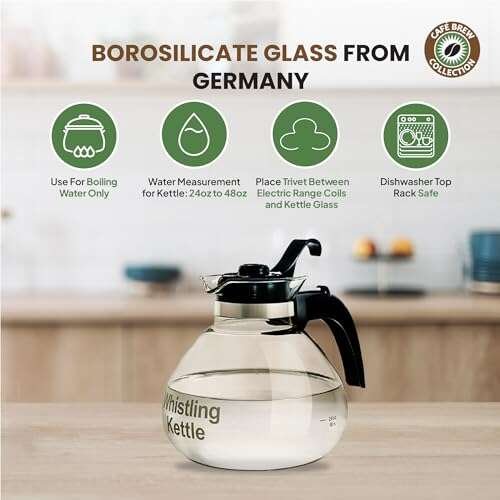
- Whistling kettle: A stovetop kettle that whistles when the water reaches a high temperature.
- Kettle: A shorter, general term that usually means a tea kettle in context.
The word is not confusing for most Americans. However, some people may picture a stovetop kettle first, while others think of an electric appliance.
The Merriam-Webster dictionary defines a kettle as a vessel used for boiling liquids. That meaning is broad, but in a kitchen conversation, “kettle” usually means a device for heating water.
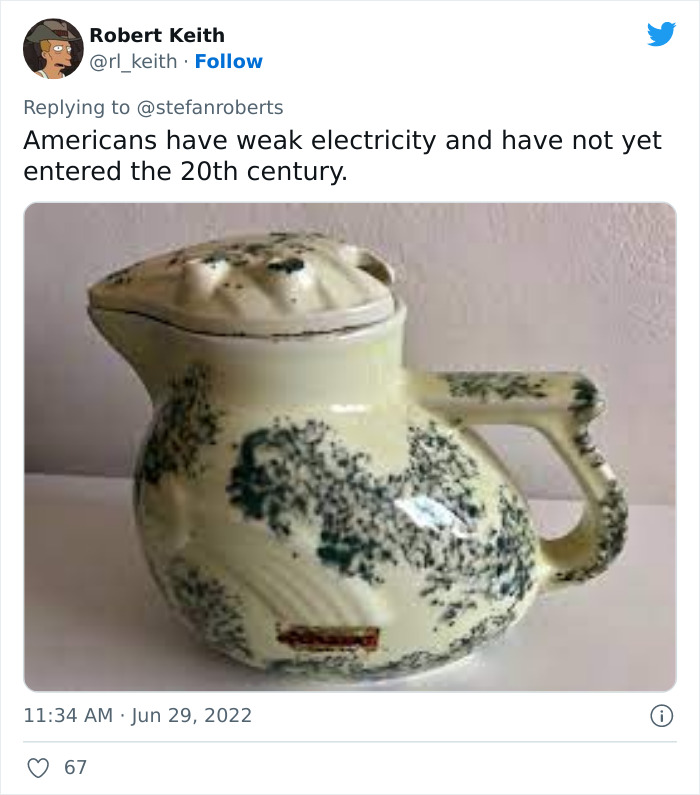
Why Do Some People Think Americans Do Not Know What a Kettle Is?
The idea comes from differences in daily habits and language, not from a complete lack of awareness.
In the United States, coffee is more common than tea in many homes and workplaces. A person may own a drip coffee maker, single-serve coffee machine, or microwave but never use a kettle. As a result, the item may not be part of their daily routine.
In Britain and other countries, an electric kettle is often a standard kitchen appliance. People may use it several times a day for tea, instant coffee, soup, oatmeal, or other foods. This frequent use makes “put the kettle on” a familiar phrase.
American homes also tend to use 120-volt household electricity, while the United Kingdom uses a higher household voltage. Electric kettles sold for the U.S. market are designed for American outlets. A kettle made for another country may need a transformer or may not work safely with a simple plug adapter.
The cultural gap is therefore about frequency and habit. Americans generally know what a kettle is, but they may not use one as often.

What Is the Difference Between a Kettle and a Teapot?
A kettle heats water. A teapot holds and serves tea.
That distinction is useful because the two items can look similar. A kettle is built to bring water to a boil or near-boil. A teapot is designed to steep tea leaves in hot water after the water has been heated.
| Item | Main job | Can it boil water? |
|---|---|---|
| Kettle | Heat water | Usually yes |
| Electric kettle | Heat water with electricity | Yes |
| Teapot | Steep and serve tea | Usually no |
| Coffee maker | Brew coffee | It heats water as part of brewing |
| saucepan | Cook or heat liquids | Yes, but it is not a kettle |
A common mistake is to place a stovetop teapot on a burner. Most teapots are not made for direct heat and may crack or become damaged. Unless the manufacturer says it is stovetop-safe, use a kettle or saucepan to heat the water.

What Does an American Kettle Look Like?
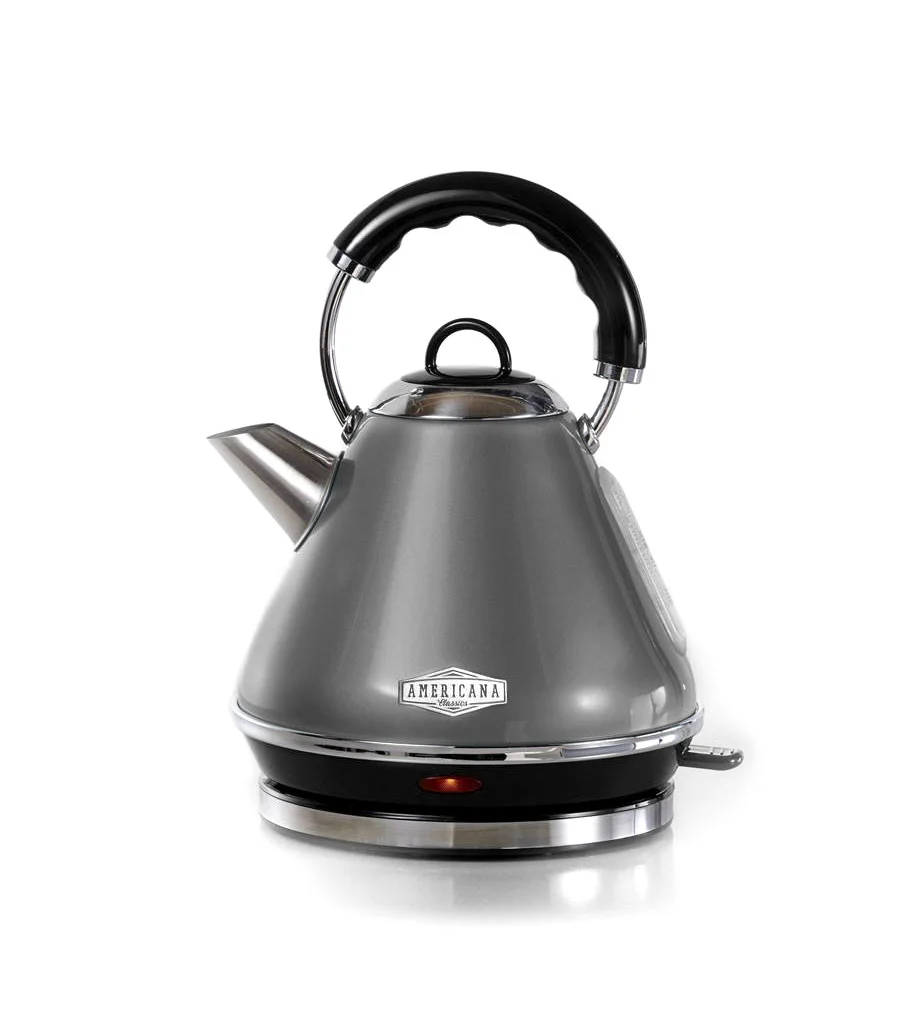
An American kettle may be a metal pot with a handle, spout, and lid, or a plastic and stainless-steel electric appliance.
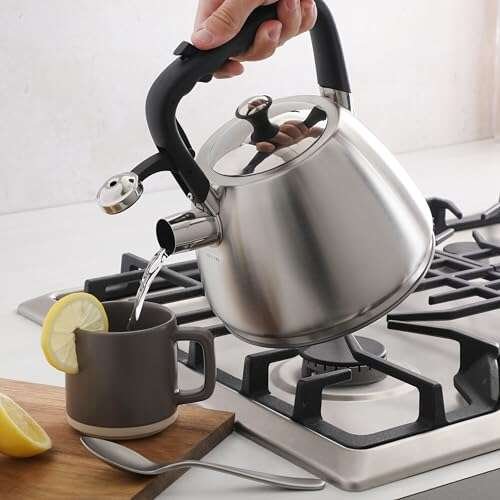
Stovetop tea kettle
A stovetop kettle sits on a burner. It often has:
- A heat-safe handle
- A lid
- A pouring spout
- A whistle or cover over the spout
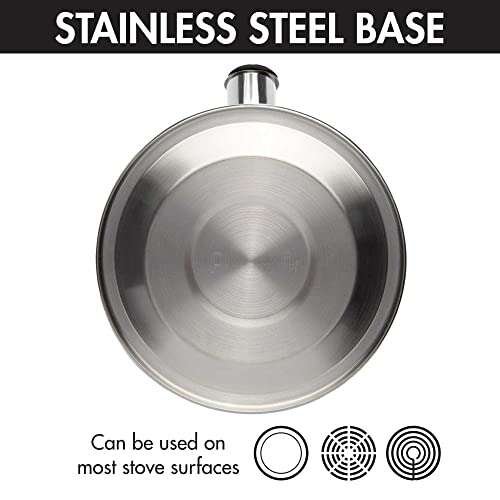
- A base designed for a gas, electric, or induction stove
The whistle does not mean the water has reached an exact temperature. It usually signals that steam is escaping through the whistle mechanism. For most uses, that means the water is at or close to a boil.
Electric kettle
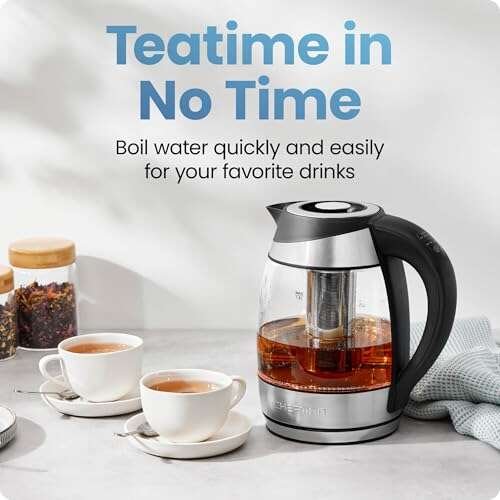
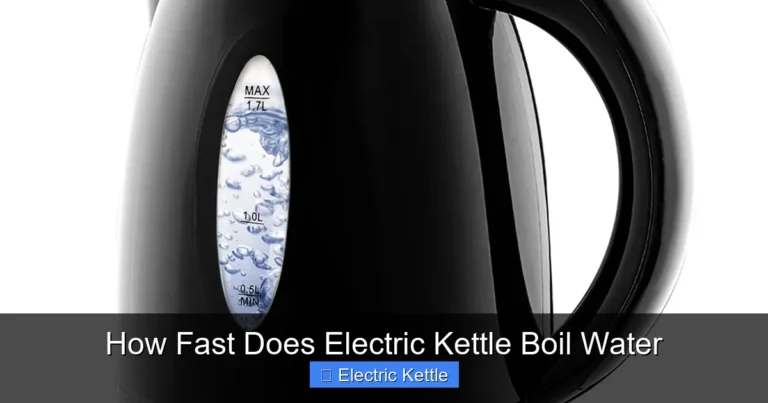
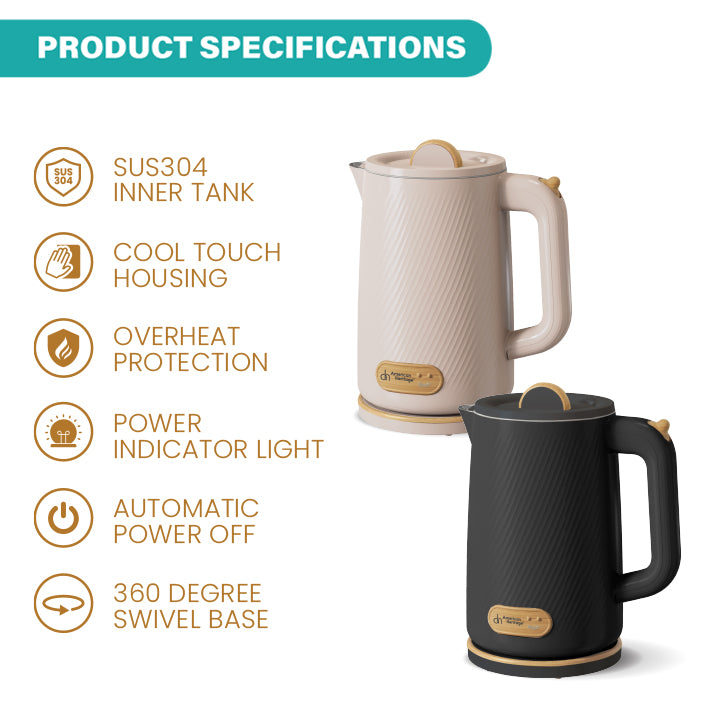
An electric kettle sits on a base or plugs directly into an outlet. It normally includes:
- A water chamber
- A heating element
- An automatic shutoff
- A power cord or powered base
- A lid or opening for filling
Some electric kettles have temperature controls. These settings can help when making green tea, coffee, baby formula, or other drinks that call for water below a full boil. Always follow the instructions for the specific food or drink.

How Do Americans Usually Use a Kettle?
Americans use kettles mainly to heat water for tea, coffee, instant meals, and cooking.
Common uses include:
- Making black, green, herbal, or iced tea
- Preparing instant coffee
- Rehydrating oatmeal or noodles
- Heating water for soup
- Filling a French press
- Speeding up cooking on the stove
- Preparing hot water for baking or recipes
A kettle can heat water more directly than a microwave. It also gives the user a separate vessel for hot water, which can be useful when preparing tea or pour-over coffee.
Still, a kettle is not always the fastest tool for every job. A microwave may be convenient for one mug. A saucepan may be better for a large amount of water. The right choice depends on the amount, the required temperature, and what equipment is already available.

Is an Electric Kettle Common in the United States?
Electric kettles are common enough to be widely sold in the United States, but they are not as universal as coffee makers.
You can find them in many American homes, offices, dorm rooms, hotels, and college apartments. They are especially useful for people who drink tea, use a French press, or want hot water without turning on a stove.
Their popularity can vary by household. A coffee-focused home may have no kettle at all. A home with tea drinkers may use one every day.
It is more accurate to say that electric kettles are familiar and available but not essential in every American kitchen. There is no need to assume that an American who does not own one has never heard of one.
What Should You Call a Kettle in American English?
Use “kettle” or “tea kettle” in most situations. Add “electric” or “stovetop” when the type matters.
These examples sound natural in the United States:
- “I need to boil water in the kettle.”
- “Do you have an electric kettle?”
- “The tea kettle is on the stove.”
- “This kettle shuts off when the water boils.”
- “Can I use your kettle for hot water?”
“Tea kettle” is often the clearest phrase when speaking with someone who may not know which kind of kettle you mean. “Electric kettle” identifies the countertop appliance. “Stovetop kettle” identifies the version used on a burner.
You do not usually need to explain the word at length. Saying “a kettle, the appliance used to heat water” is enough if the listener looks unsure.

Can You Bring a Kettle From Another Country to the United States?
Check the voltage and frequency before using an imported electric kettle in the U.S.
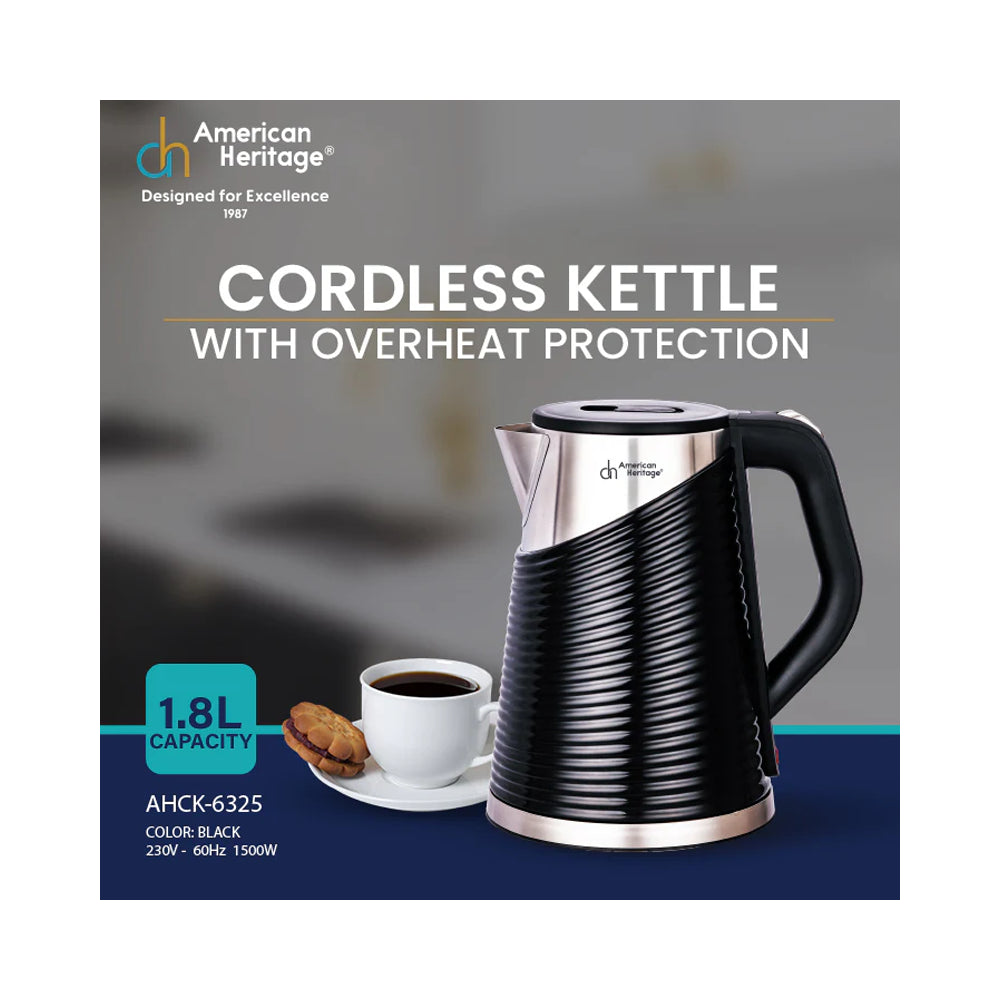
Most U.S. homes supply electricity at about 120 volts and 60 hertz. Many kettles made for the United Kingdom, Europe, Australia, and other regions are designed for about 220–240 volts. A plug adapter may change the plug shape, but it does not change the voltage.
Using an appliance with the wrong voltage can cause poor performance, overheating, damage, or a fire risk. Look at the label on the kettle. It may list:
- Voltage, such as 120 V or 220–240 V
- Frequency, such as 50 Hz or 60 Hz
- Wattage
- Whether it accepts a voltage range, such as 100–240 V
Do not use a high-power heating appliance with an unsuitable travel adapter. If the voltage is not compatible, choose a kettle made for the U.S. market or ask a qualified electrician or the manufacturer for guidance.
Stovetop kettles avoid electrical voltage issues, but the stove type still matters. A kettle must be suitable for gas, electric, glass, or induction cooking as applicable.
Kettle Safety in an American Kitchen
Use a kettle on a stable surface, fill it only within the marked range, and keep the handle away from hot burners.
For an electric kettle:
- Place it on a dry, level surface.
- Add water between the minimum and maximum marks.
- Keep the base and cord away from standing water.
- Close the lid if the instructions require it.
- Do not touch the body immediately after boiling.
- Unplug the appliance when cleaning or when the manual advises it.
- Never immerse the electrical base in water.
For a stovetop kettle:
- Center it on the burner.
- Keep the handle away from direct heat.
- Watch the kettle while it heats.
- Turn off the burner after the water boils.
- Use an oven mitt when touching hot metal.
- Pour slowly to avoid steam burns.
Steam can burn skin quickly, even when the water itself is not visible. Never leave a heating kettle unattended around children, pets, or flammable objects.
Common Misunderstandings About Kettles
Several small language and design misunderstandings can cause confusion.
“Kettle” does not always mean an electric kettle
In the U.S., “kettle” can mean a stovetop model unless the speaker says “electric kettle.” If the type matters, ask which one they mean.
A kettle is not only for tea
Tea is the best-known use, but a kettle can heat water for coffee, soup, noodles, oatmeal, and recipes.
A whistling sound does not guarantee a safe drinking temperature
A whistle usually means the water is boiling or producing enough steam to activate the whistle. It does not make the water safe for every purpose. Follow food-safety directions when preparing infant formula or other sensitive foods.
A kettle is not a brewing device
It heats water. It does not normally steep tea leaves or brew coffee by itself.
“Kettle” has other meanings
The word can also refer to a large metal container, a kettle grill, a group of birds, or certain landforms. Context tells you which meaning applies. In a kitchen, the water-heating meaning is usually clear.
Why Are Kettles More Associated With Britain Than the United States?
Britain’s strong tea culture made the kettle a visible part of everyday life. The phrase “put the kettle on” became associated with making tea, welcoming visitors, or taking a short break.
The United States has tea drinkers too, but coffee has a stronger place in many American routines. American kitchens also commonly use drip coffee makers, pod machines, microwaves, and stovetop saucepans.
This does not create two completely separate vocabularies. Americans recognize many British kitchen terms through television, books, travel, online videos, and imported products. The difference is mainly which appliance people reach for first.

Frequently Asked Questions
Do Americans call it a kettle?
Yes. Americans commonly say “kettle,” “tea kettle,” “electric kettle,” or “stovetop kettle.” “Tea kettle” may be the clearest term when describing the appliance to someone unfamiliar with it.
Do Americans use kettles for coffee?
Yes. An electric kettle can heat water for a French press, instant coffee, or pour-over coffee. It does not brew ordinary drip coffee unless it is part of a separate coffee system.
Why do some Americans boil water in a microwave?
A microwave is already present in many U.S. kitchens and can heat one mug quickly. It may be convenient, but the water can become very hot without visibly boiling. Use care when removing the container and stirring the water.
Is a British kettle safe to use in America?
Only if its voltage and frequency match the U.S. electrical supply or it is used with a properly rated conversion system. A plug adapter alone does not convert voltage.
Is a kettle the same as a hot-water dispenser?
No. A kettle heats water, often in one batch. A hot-water dispenser may hold heated water and provide it on demand. Some dispensers maintain a set temperature instead of boiling water each time.
Bottom Line
Americans do know what a kettle is. The term is familiar, and both stovetop and electric kettles are widely available in the United States.
The difference is that many Americans use kettles less often than people in Britain. If you need to be clear, say electric kettle or stovetop tea kettle. And if you bring one from another country, check its voltage before plugging it in.
Sources
- Merriam-Webster: Kettle
- U.S. Department of Energy: Electricity Explained
- U.S. Consumer Product Safety Commission: Home Safety

Liora Pennings is a seasoned chef and kitchen enthusiast with a passion for turning everyday cooking into an effortless experience. With years of hands-on culinary expertise, she specializes in practical techniques, ingredient know-how, and smart kitchen solutions that help home cooks elevate their meals. At KitchFlair.com, Liora shares her best tips, time-saving tricks, and honest product reviews to guide readers toward a more efficient, enjoyable, and inspired cooking routine. Whether you’re a beginner or a seasoned home chef, Liora’s friendly, knowledge-packed insights make every visit to the kitchen a little easier—and a lot more delicious.