Introduction
In homes, garages, and workshops across the United States, many wet/dry shop vacuums can switch from suction mode to blower mode. The change is usually simple: move the hose from the vacuum inlet to the blower outlet. However, most standard household vacuum cleaners cannot be converted safely because they lack a designed blower port and may release dust through the exhaust.
Before you begin, check the owner’s manual and the labels on your vacuum. If the machine does not clearly support blower use, do not modify it. A proper shop vacuum, approved attachment, and basic safety steps will help prevent damage, dust exposure, and injury.

Can Every Vacuum Cleaner Work as a Blower?
No. Only some vacuum cleaners are designed to work as blowers.


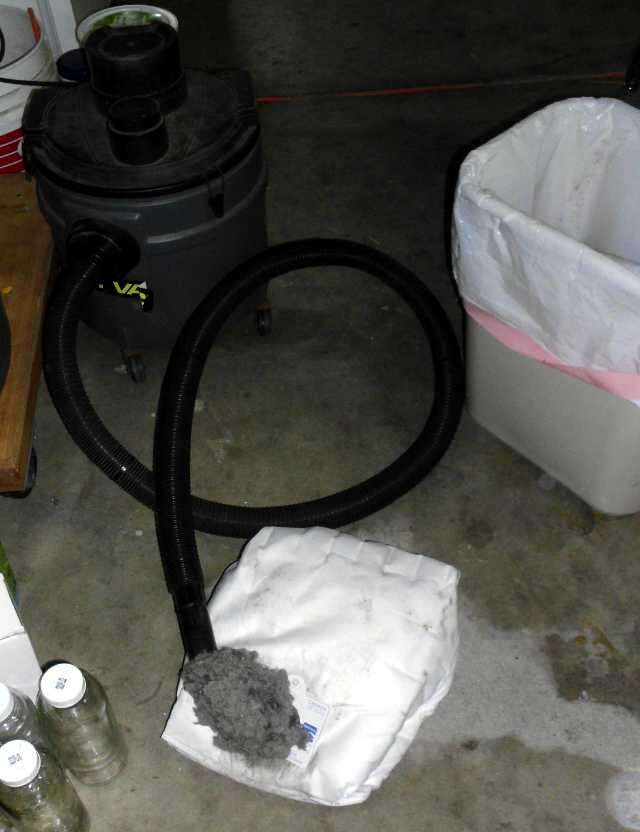
Wet/dry shop vacuums often include a separate exhaust port for blower use. Their motors move air through the tank and out through this port when the hose is connected correctly.
A typical upright, canister, stick, or handheld household vacuum is different. Its exhaust air may pass through filters, seals, and cooling paths that are not intended for hose-connected blowing. Reversing the hose or opening the machine can:
- Damage the motor
- Release fine dust into the air
- Overheat the vacuum
- Create an electrical or mechanical hazard
- Void the manufacturer’s warranty
Look for one of these signs that your vacuum supports blower mode:
- A port labeled Blower, Exhaust, or Air Outlet
- A removable hose that fits into the rear or side outlet
- A blower function listed in the owner’s manual
- A wet/dry shop vacuum design with a dedicated exhaust connection
If none of these signs exist, use a purpose-built blower instead.

What You Need Before Switching to Blower Mode
You usually need only the vacuum, its hose, and a suitable nozzle. Gather the following before starting:
- The vacuum cleaner or wet/dry shop vacuum
- The original hose
- A blower nozzle or wand, if supplied
- The owner’s manual
- Eye protection
- Hearing protection when using a loud shop vacuum outdoors
- A dust mask or respirator when blowing dry debris
Inspect the vacuum first. Make sure the power cord, plug, hose, tank, lid, and filters are in good condition. Remove the plug from the electrical outlet before changing any hose connection.
Do not use a damaged hose or a loose adapter. A poor connection can cause the hose to detach and send debris flying.

How to Change a Shop Vacuum to Blower Mode
Follow these steps for a wet/dry shop vacuum with a documented blower function.
1. Turn Off and Unplug the Vacuum
Switch the vacuum off. Remove the plug from the outlet before moving the hose or opening any part of the machine.


Unplugging is more than a convenience. It prevents the motor from starting while your hands are near the hose port, filter, tank, or fan area.
2. Remove the Hose From the Suction Inlet
Find the main suction inlet where the hose connects during normal vacuuming. Twist, pull, or release the locking tab according to the design of your model.
Do not force the hose. If it will not come out, check for a locking collar, release button, or bayonet-style fitting.
3. Find the Blower or Exhaust port
look for a second port on the motor housing. It may be on the top, rear, or side of the vacuum.
The port may have a cap or cover. Remove the cover only if the manual says to do so. Never place your fingers into an open motor or fan housing.
4. Connect the Hose to the Blower Port
Push the hose into the blower outlet. Twist it until it locks, if your model uses a locking connection.
Some shop vacuums allow the hose to connect directly to the exhaust port. Others require a short adapter. Use only an adapter that fits the model or has the correct size and seal.
5. Attach the Right Nozzle
Choose a nozzle based on the job:
- Wide nozzle: Moves leaves, sawdust, or loose debris over a broad area
- Narrow nozzle: Directs air into corners and narrow gaps
- Inflator adapter: Adds air to some inflatables if the manual permits it
- Extension wand: Helps reach under equipment or into deep spaces
Do not use a nozzle that blocks the airflow. Restricted airflow can increase heat inside the machine.
6. Move to a Safe Location
Take the vacuum outdoors or to a well-ventilated area when blowing dust or debris. Keep people, pets, vehicles, and fragile objects away from the airflow.
Avoid blowing debris toward doors, windows, air-conditioning intakes, or neighboring properties. In many U.S. communities, outdoor debris and leaf-blowing may also be limited by local rules or noise ordinances.
7. Plug In and Test at Low Risk
Stand with the nozzle pointed away from people and objects. Turn the vacuum on for a short test.
Check for:
- Strong, steady airflow
- A secure hose connection
- Unusual vibration
- Burning smells
- Excessive heat
- Air escaping from an unexpected location
Turn the vacuum off at once if you notice a burning odor, smoke, grinding sound, or rapidly weakening airflow.
8. Use a Controlled Sweeping Motion
Hold the nozzle several inches above the surface. Sweep slowly rather than holding the air stream in one place.


Start with low-force tasks. If the airflow moves debris too aggressively, step back or use a wider nozzle. Keep the nozzle away from eyes, skin, electrical parts, and delicate surfaces.
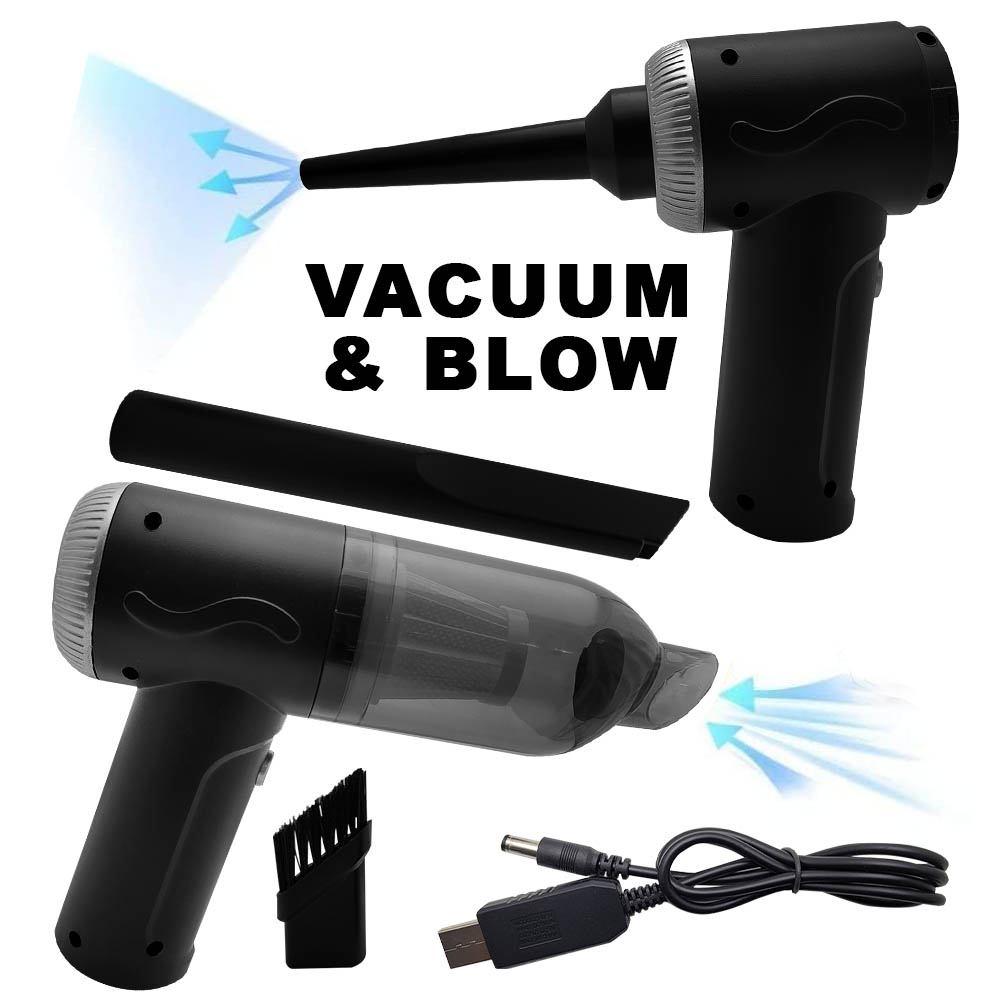
How Blower Mode Works
A vacuum motor turns an impeller, which moves air through the machine. In suction mode, air enters through the main hose, passes through the collection area and filter, and exits through the motor housing.
In blower mode, the hose connects to the exhaust side. The motor still moves air in the same general direction, but the hose directs the outgoing air toward the work area.
This does not make the vacuum a high-powered leaf blower. A shop vacuum usually produces a focused stream of air that works well for small areas, workshop cleanup, drying, and clearing tight spaces. It may be less suitable for large lawns, heavy wet leaves, or long periods of outdoor use.
A key limitation is air cleanliness. If the vacuum has collected dust or debris, some particles may remain in the air path. Blower mode can then spread fine dust. Clean the tank and filter before use, and avoid blowing hazardous materials.

What Can You Use a Vacuum Blower For?
A converted shop vacuum can help with small, controlled jobs such as:
- Clearing sawdust from a workbench
- Removing dry leaves from a garage floor
- Cleaning dust from cracks and corners
- Drying a vehicle after washing
- Clearing debris from outdoor equipment
- Removing dirt from window screens
- Drying some non-electrical tools
- Inflating approved items with the correct adapter
Keep the airflow away from bearings, switches, vents, and sensitive electronics. Compressed air can force dust deeper into a device, and moisture can create a shock or damage risk.
Do not use a vacuum blower to spread chemicals, pesticides, mold, asbestos, animal waste, or unknown powders. A blower can turn settled material into airborne particles that people may breathe.

Vacuum Blower Safety Rules
Use blower mode only for materials that are safe to move through the air.
Follow these basic safety rules:
- Wear safety glasses or goggles.
- Use hearing protection around loud shop vacuums.
- Wear a suitable dust mask when blowing ordinary dust outdoors.
- Never blow asbestos, lead dust, mold, silica dust, or chemical residue.
- Keep children and pets away from the work area.
- Do not aim the airflow at a person or animal.
- Keep the motor and electrical connections dry.
- Do not use the blower near flammable vapors or liquids.
- Do not block the exhaust port.
- Allow the motor to cool if the housing becomes unusually hot.
- Follow the duty-cycle instructions in the owner’s manual.
- Stop using the vacuum if the cord, plug, or housing is damaged.
A dust mask may not protect you from every hazardous material. If you suspect asbestos, lead, toxic chemicals, or contaminated waste, stop and use professional guidance rather than blowing it into the air.


How to Change a Household Vacuum Into a Blower
Do not reverse or modify a household vacuum unless the manufacturer specifically allows it.
Some people try to connect the hose to the vacuum’s exhaust or remove the filter to create a blower. This is not a safe universal method. Household vacuums may use exhaust airflow to cool the motor, and their filters may be positioned to control the air that leaves the machine.
A household vacuum also may not have a sealed connection on the exhaust side. Taping a hose to the back of the machine can cause leaks, overheating, or damage.
If you need blower function, safer options include:
- Use a wet/dry shop vacuum with a built-in blower outlet.
- Buy a small electric blower made for the task.
- Use a hand pump or inflator for approved inflatables.
- Use a manufacturer-approved blower accessory for your exact model.
The cost of a separate tool is usually lower than the risk of damaging a vacuum or spreading harmful dust.

Troubleshooting Vacuum Blower Problems
Use the symptom to guide the first check. Unplug the machine before inspecting the hose, port, filter, or tank.
| Symptom | Likely cause | What to check |
|---|---|---|
| No airflow | Hose is not connected to the blower port | Confirm the port and fitting |
| Weak airflow | Clogged filter, hose, or nozzle | Clean or replace the approved filter |
| Air leaks around the port | Loose or incorrect adapter | Refit the hose or use the correct adapter |
| Dust comes out | Dirty filter or contaminated air path | Stop, clean the vacuum, and check the manual |
| Burning smell | Motor strain, blockage, or electrical fault | Turn it off and unplug it |
| Vacuum shuts off | Overheating or overload protection | Let it cool and remove restrictions |
| Loud vibration | Damaged fan, loose part, or debris | Stop use and arrange service |
| Hose pops off | Poor fit or excessive movement | Lock the hose and reduce force |
A clogged filter is a common cause of weak airflow. However, do not remove a filter unless the manual specifically permits it for blower operation. Some wet/dry vacuums use different filter rules for dry debris, wet pickup, and blowing.
If the problem continues after basic checks, contact the manufacturer or a qualified repair technician. Do not open the motor housing while the unit is connected to power.

Blower Mode Compared With a Dedicated Blower
A shop vacuum blower is useful when you already own the vacuum and need occasional, small-area airflow. It is convenient because the hose and motor are already part of the same machine.
A dedicated blower may be better for larger outdoor areas or longer work sessions. It is designed around moving air, often has a more suitable nozzle, and may be easier to carry.
| Need | Better choice |
|---|---|
| Small garage cleanup | Shop vacuum blower |
| Sawdust around a workbench | Shop vacuum blower |
| Drying a car | Shop vacuum blower or vehicle dryer |
| Large yard cleanup | Dedicated leaf blower |
| Inflating an approved item | Inflator or approved shop-vac adapter |
| Hazardous dust cleanup | Proper containment and professional equipment |
The deciding factor is not only airflow. Consider dust control, noise, run time, portability, and the material you plan to move.

Common Mistakes to Avoid
Reversing the Hose Without Checking the Manual
A hose may fit an exhaust port even when the vacuum is not designed for blower use. Physical fit does not prove safe operation.


Blowing Dust Indoors
Dust can settle on furniture, enter HVAC systems, or remain suspended in the air. Move the job outdoors when possible.
Removing the Filter
Some models require a filter during blower operation. Others may have special filter instructions. Follow the exact manual for your model.
Using the Vacuum on Hazardous Debris
Do not blow or vacuum material that could expose people to toxic dust. A normal shop vacuum is not automatically a hazardous-material collection system.
Blocking the Air Outlet
A blocked outlet can restrict cooling and place extra load on the motor. Keep the nozzle and hose clear.
Ignoring Local Rules
Some U.S. cities and homeowners’ associations restrict gas-powered or electric leaf blowers by season, time of day, noise level, or air-quality conditions. Check local requirements before outdoor use.

Signs That the Conversion Worked
The blower setup is working normally when:
- The hose locks firmly into the correct outlet.
- Air exits from the nozzle in a steady stream.
- The motor sounds normal.
- No dust escapes from the motor housing.
- The vacuum does not become unusually hot.
- The hose and adapter remain secure during use.
A small amount of motor warmth can be normal. Stop the machine if the heat rises quickly, the airflow drops sharply, or the sound changes.
After use, unplug the vacuum. Remove the hose, clean the tank and nozzle, and store the parts where they will stay dry.
Frequently Asked Questions
Can I use a regular vacuum cleaner as a blower?
Usually, no. Use blower mode only when the vacuum has a dedicated blower outlet or the manual documents that function.
Do I need to remove the vacuum filter when using blower mode?
Not always. Filter requirements vary by model and task. Keep the filter installed unless the manufacturer gives different instructions.
Can a shop vacuum blower inflate an air mattress?
Some can, but only with the correct adapter and only if the owner’s manual allows it. Do not use a shop vacuum to inflate items beyond the recommended pressure.
Is vacuum blower air clean?
Not necessarily. Air may carry dust or particles from the vacuum’s tank, filter, hose, or internal air path. Clean the machine before use and avoid blowing hazardous material.
Why is my shop vacuum blower weak?
Check the hose connection, nozzle, filter, hose, and outlet for blockages. If the vacuum still has weak airflow or becomes hot, stop using it and seek service.
Key Takeaways
- Wet/dry shop vacuums are the most common vacuums designed for blower use.
- Connect the hose to the dedicated blower or exhaust port.
- Unplug the machine before changing connections.
- Clean the filter and tank before blowing dust.
- Wear eye protection and avoid hazardous materials.
- Do not modify a standard household vacuum unless the manufacturer approves it.
- Use a dedicated blower for large outdoor jobs or extended use.
Conclusion
Changing a compatible wet/dry shop vacuum to blower mode usually takes only a few minutes. Unplug the machine, move the hose from the suction inlet to the dedicated blower outlet, attach the proper nozzle, and test the airflow in a safe area.
The most important step is confirming compatibility. If your vacuum has no documented blower function, do not improvise. Use a purpose-built shop vacuum or blower instead, especially when working with dust, chemicals, mold, or other materials that can harm your health.

Liora Pennings is a seasoned chef and kitchen enthusiast with a passion for turning everyday cooking into an effortless experience. With years of hands-on culinary expertise, she specializes in practical techniques, ingredient know-how, and smart kitchen solutions that help home cooks elevate their meals. At KitchFlair.com, Liora shares her best tips, time-saving tricks, and honest product reviews to guide readers toward a more efficient, enjoyable, and inspired cooking routine. Whether you’re a beginner or a seasoned home chef, Liora’s friendly, knowledge-packed insights make every visit to the kitchen a little easier—and a lot more delicious.