How To Make Bean Coffee: Easy Brewing Guide
Make bean coffee by grinding fresh beans, measuring the grounds, adding hot water, and brewing for the right time.
Learning how to make bean coffee is less about buying expensive gear and more about controlling a few simple details. Fresh beans, a suitable grind, clean water, and the right brew ratio can turn an ordinary morning cup into smooth, rich coffee. This guide explains each step, from choosing beans to fixing common brewing mistakes, so you can make better coffee at home with confidence.
What Is Bean Coffee?
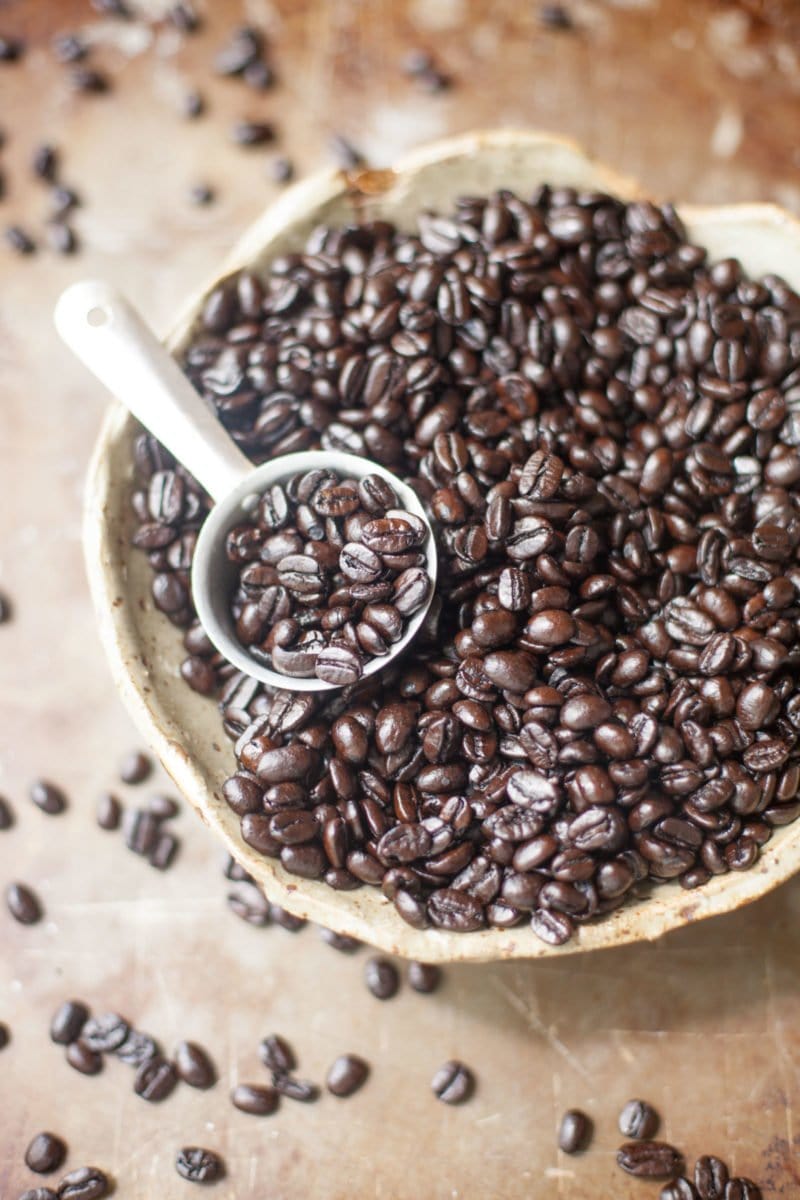
Bean coffee is coffee made from whole roasted coffee beans that you grind just before brewing. Unlike pre-ground coffee, whole beans protect more of the aroma and flavor compounds inside the bean.
Coffee beans begin to lose freshness soon after grinding because air reaches more of the surface area. This is why learning how to make bean coffee starts with grinding only what you need for each brew.
The two main coffee species are Arabica and Robusta. Arabica often has a smoother, sweeter taste, while Robusta usually has a stronger body and more bitterness. Flavor also depends on the growing region, roast level, processing method, and age of the beans.
Fresh coffee should smell pleasant and lively. If the beans smell flat, oily, or like cardboard, they may be old or poorly stored.
What You Need to Make Bean Coffee
You do not need a costly espresso machine to make good coffee. A few basic tools are enough.
• Whole coffee beans
• A burr grinder, if possible
• A digital kitchen scale
• Fresh drinking water
• A kettle
• A coffee maker, French press, pour-over dripper, or AeroPress
• A timer
• A clean mug or carafe
A burr grinder is usually better than a blade grinder. It crushes beans into more even pieces, while a blade grinder can create both powder and large chunks. Uneven grounds often produce coffee that tastes bitter and weak at the same time.
A scale also helps. Measuring coffee by spoon can lead to different results each morning. For a reliable starting point, use 60 grams of coffee for every 1,000 grams, or milliliters, of water.
If you do not have a scale, use about two level tablespoons of whole beans for one 8-ounce cup. However, this is only an estimate because bean size and density vary.
How to Choose Coffee Beans
The best beans for you depend on the flavor you enjoy. Coffee labels often show the roast level, origin, processing method, and roast date.
Light roast
Light-roasted beans often taste bright and lively. They may have notes of fruit, flowers, citrus, or tea. These beans can work well in pour-over brewing.
Medium roast
Medium roasts often balance sweetness, acidity, and body. They may taste like chocolate, nuts, caramel, or dried fruit. This is a useful choice for most home brewing methods.
Dark roast
Dark-roasted beans often have a heavier body and flavors of cocoa, smoke, spice, or toasted nuts. They can taste bold, but very dark beans may also taste bitter or burnt.
Look for a roast date rather than only a “best by” date. Many coffee professionals find that beans are easier to brew a few days after roasting, once excess gas has escaped. For most home use, buy enough coffee to drink within two to four weeks.
When learning how to make bean coffee, avoid changing several things at once. Start with one reliable bean, then adjust your grind or water as needed.

How to Make Bean Coffee Step by Step
The basic process is simple. The key is to keep each step steady.
1. Measure the beans
Start with 20 grams of whole beans and 300 grams of water. This gives a coffee-to-water ratio of about 1:15, which creates a balanced cup for many brewing methods.
You can adjust the ratio later. More water makes a lighter cup, while less water makes a stronger cup.
2. Grind the beans
Choose the grind size based on your brewer.
• Coarse grind for French press
• Medium grind for drip coffee makers
• Medium-fine grind for pour-over
• Fine grind for espresso
The grounds should look somewhat like the texture needed for that brewing method. Avoid grinding too fine for a French press, since the coffee may taste muddy and bitter.
3. Heat the water
Use water between 195 and 205°F. Water that is too cool may produce sour, thin coffee. Water that is too hot can draw out harsh flavors.
If you do not have a thermometer, bring the water to a boil, then let it rest for about 30 seconds. This usually brings it close to a useful brewing range.
4. Add the water
Pour the water slowly and evenly over the grounds. Make sure all the grounds become wet. Dry pockets can lead to weak or uneven extraction.
For pour-over coffee, begin with a small amount of water called the bloom. Use about twice the weight of the coffee, then wait 30 to 45 seconds before adding the rest.
5. Brew for the correct time
Brewing time depends on the method.
• French press: about 4 minutes
• Pour-over: about 2.5 to 4 minutes
• Drip machine: about 4 to 6 minutes
• AeroPress: about 1 to 2 minutes
• Espresso: about 25 to 35 seconds
These ranges are starting points, not strict rules. Taste matters more than the clock.
6. Serve and taste
Swirl the coffee gently before serving. This can help mix the stronger and lighter parts of the brew.
Taste it after it cools for a minute or two. Very hot coffee can hide some flavors. Notice the sweetness, bitterness, acidity, body, and aftertaste.
How to Make Bean Coffee With Common Brewers
Different brewers bring out different traits in the same beans. Here are simple methods to try.
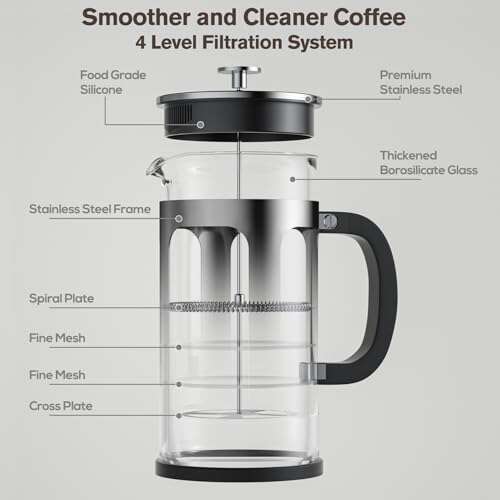
French press
Use a coarse grind and about 30 grams of coffee for 450 grams of water.
-
Add the coffee to the press.
-
Pour in the hot water.
-
Stir gently.
-
Place the lid on top without pressing the plunger.
-
Wait about 4 minutes.
-
Press the plunger slowly.
-
Pour the coffee into a separate mug or carafe.
French press coffee usually has a rich body because some natural oils remain in the cup. Pour it out soon after pressing, or it may continue extracting and become bitter.
Pour-over
Use a medium-fine grind and a paper filter.
-
Rinse the filter with hot water.
-
Add the ground coffee.
-
Pour a small amount of water over the grounds.
-
Wait 30 to 45 seconds.
-
Pour the remaining water in slow circles.
-
Let the coffee drain fully.
Pour-over brewing gives you more control over flow and timing. It can produce a clean cup, but it may take a few attempts to master.
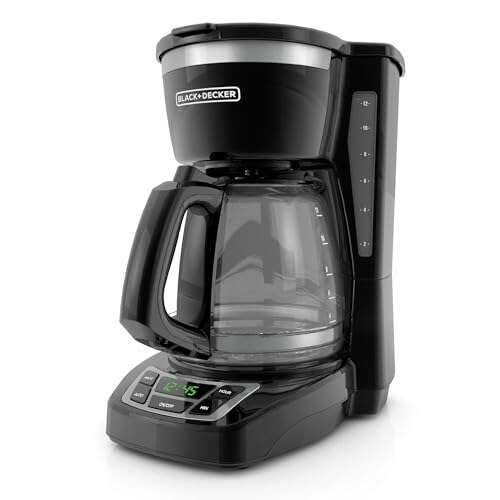
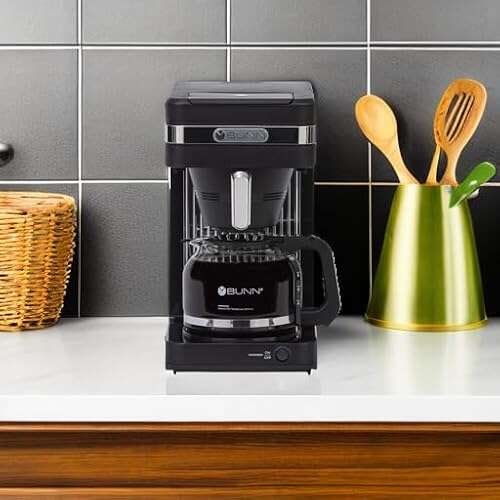
Automatic drip coffee maker
Use a medium grind and fill the machine with fresh water. Add about 60 grams of coffee per liter of water.
Spread the grounds evenly in the filter basket. Clean the machine often because old coffee oils can create stale flavors. A good drip machine can make excellent coffee when the water is hot and the grind is consistent.
AeroPress
Use a medium-fine grind, hot water, and a short brew time.
-
Place the filter in the cap and rinse it.
-
Add the coffee.
-
Pour in the water.
-
Stir for about 10 seconds.
-
Insert the plunger and press slowly.
AeroPress coffee is flexible. You can change the grind, water amount, steep time, and pressure to create a lighter or stronger drink.
Espresso machine
Espresso requires finely ground coffee, even distribution, and firm but level tamping. A common starting point is 18 grams of coffee for about 36 grams of espresso.
Espresso is less forgiving than other brewing methods. Small changes in grind size can greatly affect the flow. If the shot runs too fast and tastes sour, grind finer. If it runs too slowly and tastes bitter, grind slightly coarser.

How to Improve the Flavor
Once you know how to make bean coffee, small adjustments can make a large difference. Change only one variable at a time so you know what caused the result.
If the coffee tastes sour
Sour coffee is often under-extracted. Try one of these changes:
• Grind the beans slightly finer
• Use hotter water
• Brew for a longer time
• Stir or pour more evenly
If the coffee tastes bitter
Bitter coffee is often over-extracted. Try these changes:
• Grind the beans slightly coarser
• Use cooler water
• Reduce the brewing time
• Use a little less coffee
If the coffee tastes weak
Weak coffee may contain too much water or too little coffee. Use more grounds, reduce the water, or check whether the grind is too coarse.
If the coffee tastes flat
Flat flavor may come from old beans, stale water, or a dirty brewer. Use recently roasted beans, fresh water, and clean equipment.
One lesson many home brewers learn is that grind size often matters more than expensive equipment. A modest brewer with a good grinder can outperform a costly machine filled with old, unevenly ground coffee.

Water, Storage, and Cleaning Tips
Coffee is mostly water, so water quality matters. If your tap water tastes strongly of chlorine or minerals, the flavor may appear in the cup. Filtered water often gives more consistent results.
Avoid using distilled water alone. It has very few minerals and may produce coffee with a thin or dull taste. Water with a moderate mineral balance usually works better.
Store whole beans in an airtight, opaque container at room temperature. Keep the container away from heat, light, moisture, and strong smells.
Do not store coffee in the refrigerator. Beans can absorb food odors, and repeated temperature changes may create moisture on the beans.
Clean your grinder and brewer on a regular schedule.
• Empty old grounds after each use
• Wash removable brewer parts often
• Wipe coffee oils from the carafe
• Clean the grinder according to its instructions
• Descale the brewer when mineral buildup appears
A clean brewer is not just a hygiene issue. Old oils can taste rancid and cover the natural flavor of fresh coffee.
Common Mistakes to Avoid
Knowing how to make bean coffee also means knowing what can go wrong. Most poor cups come from a few common habits.
• Using pre-ground coffee for too long: Ground coffee loses aroma faster than whole beans.
• Guessing every measurement: Small changes can make the flavor inconsistent.
• Using boiling water: Extremely hot water may increase harsh flavors.
• Grinding too early: Grind just before brewing when possible.
• Pressing a French press too quickly: A fast plunge can stir up sediment.
• Leaving coffee on a hot plate: Heat can make brewed coffee taste bitter and cooked.
• Ignoring the roast date: Beans can become stale even when the package is unopened.
• Changing many variables at once: You will not know which change helped.
A simple brewing log can help. Write down the bean, grind setting, coffee weight, water weight, brew time, and taste. After a few brews, patterns become much easier to see.

Is Bean Coffee Healthy?
Plain black coffee can fit into a healthy diet for many adults. Coffee contains caffeine and natural plant compounds, but its effect depends on the person and the amount consumed.
Too much caffeine may cause restlessness, a fast heartbeat, anxiety, or trouble sleeping. Caffeine sensitivity varies, so pay attention to how your body responds.
Many health authorities suggest that up to 400 milligrams of caffeine per day is generally safe for most healthy adults. Pregnant people, children, and people with certain medical conditions may need different limits. Anyone with concerns should ask a qualified health professional.
Sugar, cream, syrups, and flavored toppings can add calories quickly. If you enjoy them, use them mindfully rather than treating them as a problem.
Frequently Asked Questions About How to Make Bean Coffee
How many coffee beans do I need for one cup?
Start with about 15 to 20 grams of whole beans for an 8 to 10-ounce cup. The exact amount depends on your preferred strength and the brewing method.
Should I grind coffee beans before or after heating the water?
Grind the beans just before brewing, while the water heats. This reduces the time the grounds are exposed to air and helps preserve aroma.
What is the best grind size for bean coffee?
The best grind size depends on the brewer. Use coarse grounds for a French press, medium grounds for a drip machine, medium-fine grounds for pour-over, and fine grounds for espresso.
Can I make bean coffee without a grinder?
You can buy beans ground by a coffee shop, but the coffee may lose freshness faster. A basic burr grinder is a better long-term choice because it lets you grind the beans right before brewing.
Why does my bean coffee taste bitter?
Bitter coffee often results from over-extraction. Try a coarser grind, a shorter brew time, cooler water, or a smaller amount of coffee.
How long do coffee beans stay fresh?
Coffee beans usually taste best within a few weeks of the roast date when stored well. Keep them in an airtight container at room temperature and buy only what you can use in a reasonable time.
Is freshly ground coffee always better?
Freshly ground coffee usually has more aroma and flavor than old pre-ground coffee, but technique still matters. Poor water, an incorrect grind, or a dirty brewer can make fresh coffee taste bad.
Conclusion
Making great coffee from whole beans is a repeatable skill, not a mystery. Use fresh beans, grind them to match your brewer, measure the coffee and water, control the temperature, and adjust one detail at a time.
Start with a simple 20-gram coffee to 300-gram water recipe. Taste the result, take a quick note, and make one small change in your next brew. Try these steps tomorrow morning, then share your favorite beans, brewer, or brewing tip in the comments.

Liora Pennings is a seasoned chef and kitchen enthusiast with a passion for turning everyday cooking into an effortless experience. With years of hands-on culinary expertise, she specializes in practical techniques, ingredient know-how, and smart kitchen solutions that help home cooks elevate their meals. At KitchFlair.com, Liora shares her best tips, time-saving tricks, and honest product reviews to guide readers toward a more efficient, enjoyable, and inspired cooking routine. Whether you’re a beginner or a seasoned home chef, Liora’s friendly, knowledge-packed insights make every visit to the kitchen a little easier—and a lot more delicious.