
How To Make Cuban Coffee: Authentic Espresso Guide
Brew strong espresso in a moka pot, whip sugar into a sweet foam, and fold them together.
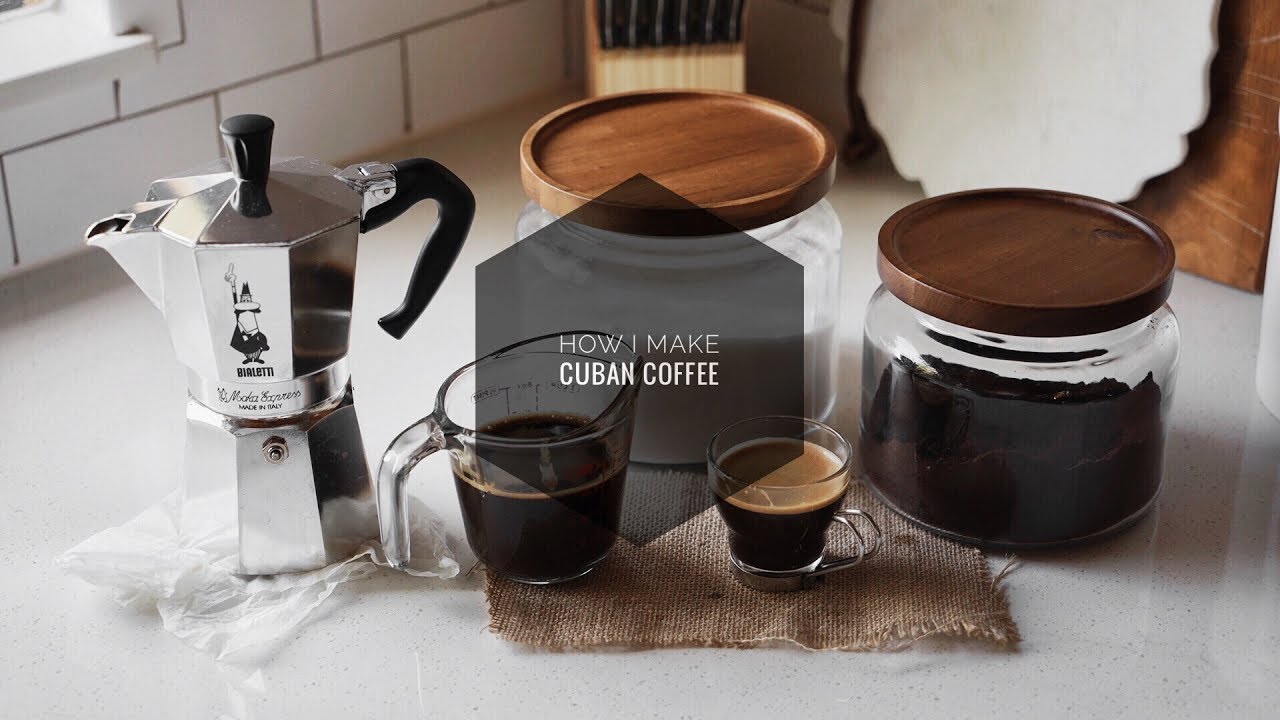
I’ve spent years making Cuban coffee for friends, family, and small gatherings, so I know what makes a great cup. This guide explains how to make Cuban coffee step by step, with clear ingredients, tools, common mistakes, and flavorful variations. Read on for practical tips, my hands-on advice, and everything you need to brew authentic, balanced Cuban coffee at home.
Why Cuban coffee stands out
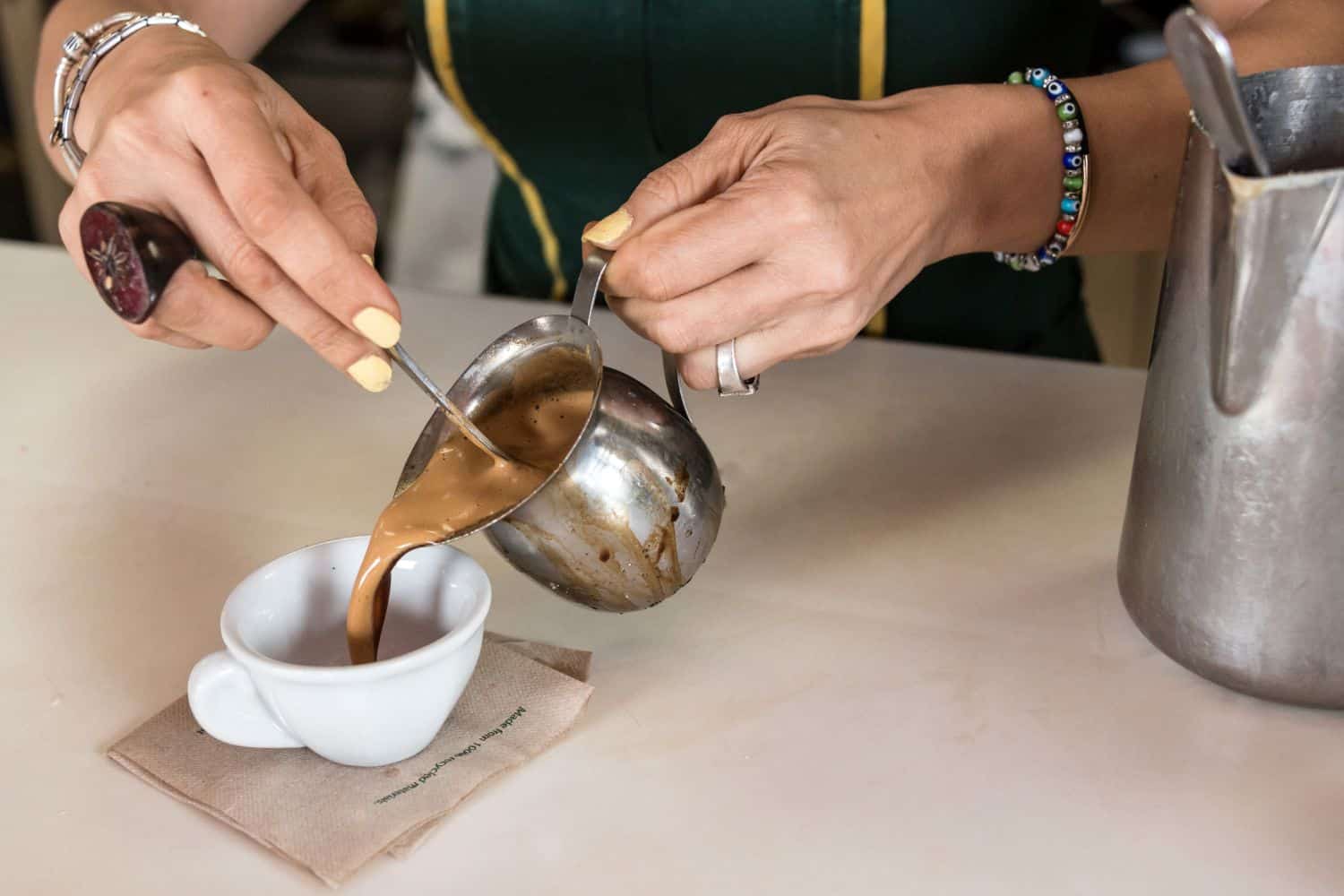
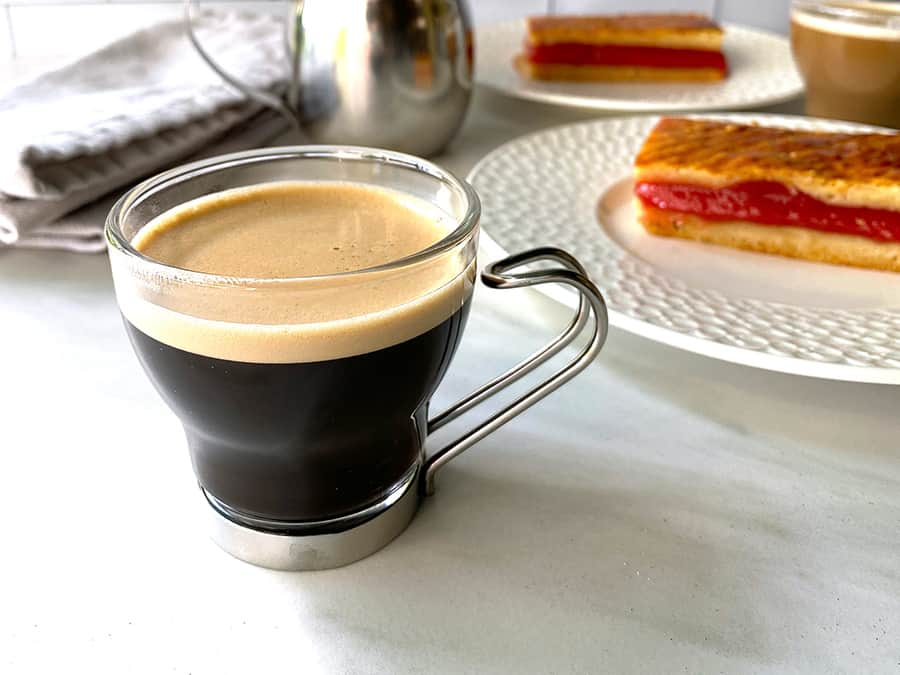
Cuban coffee is more than a strong brew. It’s an art of balance: intense espresso, glossy sweet foam, and a small cup that packs flavor. The hallmark is the espuma, a creamy sugar foam that crowns the coffee and gives each sip a caramelized sweetness.
Cuban coffee rituals connect people. A quick espresso in Cuba is often a social moment. When you learn how to make Cuban coffee properly, you recreate that warmth and ritual at home.
Ingredients you need
Use fresh, simple ingredients for consistent results.
- Finely ground dark roast coffee, espresso or moka grind. Cuban-style blends are dark and slightly oily.
- Granulated white sugar. This produces the classic espuma. Brown sugar changes flavor and texture.
- Fresh filtered water. Clean water means cleaner taste.
Optional:
- A pinch of salt to tame bitterness.
- A tiny dash of cinnamon or cocoa powder for garnish.
How you choose coffee and sugar shapes the final cup. For how to make Cuban coffee, quality and grind size matter more than fancy beans.
Essential equipment
You don’t need a commercial espresso machine. These tools deliver authentic results.
- Moka pot (stovetop espresso maker) — the most common home method.
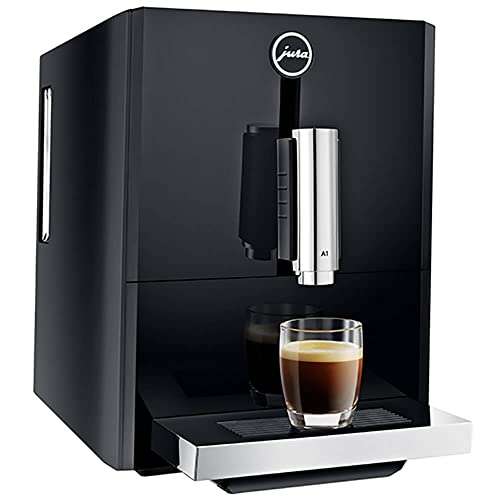
- Espresso machine — if you have one, great. Use a short, strong shot.
- Small demitasse cups — Cuban coffee is served in small portions.
- A small stainless-steel pitcher or cup for frothing sugar.
- Spoon for whipping the espuma.
If you only have instant espresso or a strong drip brew, you can adapt the technique. The recipe below focuses on moka pot and espresso machine methods for best flavor.

Step-by-step: how to make Cuban coffee (classic method)
Follow these exact steps for a dependable result. I use the moka pot method most at home.
- Measure and fill
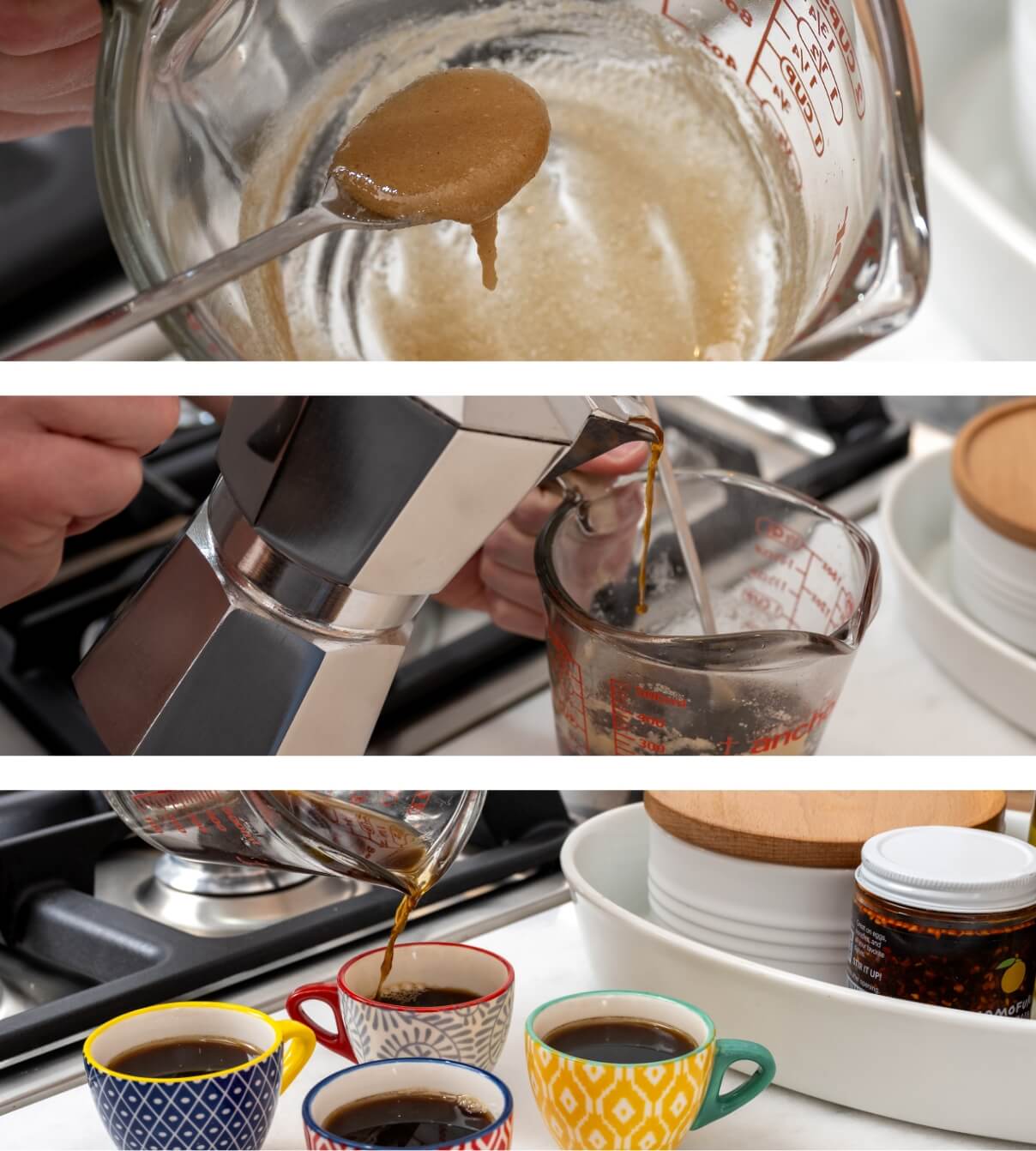
- Fill the moka pot base with hot filtered water up to the safety valve. Using hot water shortens brew time and reduces bitterness.
- Add finely ground dark coffee to the filter basket; level it but do not tamp. Use slightly more coffee than usual for a stronger cup.
- Heat and brew
- Assemble the moka pot and set it over medium-low heat. Keep heat gentle to avoid burning the coffee.
- Listen for the gurgling sound. When coffee starts to rise, reduce heat to finish slowly. Remove from heat when the pot gives a sputtering finish.
- Make the espuma (sweet foam)
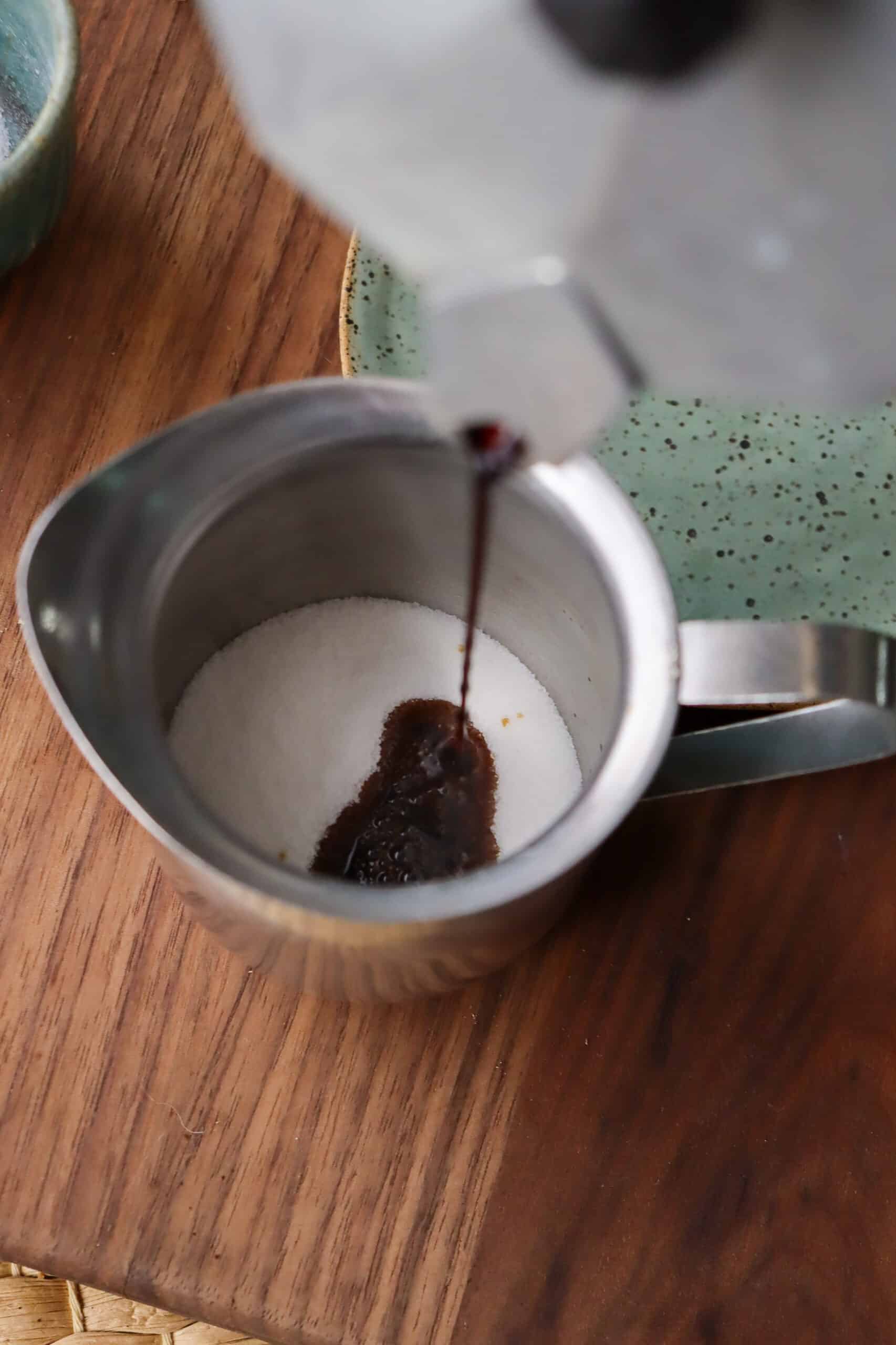
- Scoop 1–2 teaspoons of granulated sugar per demitasse into a small stainless-steel pitcher or cup. Use more sugar for a sweeter espresso.
- Add the first few drops (around 1 tablespoon) of hot brewed coffee to the sugar. This is key: use the initial, strongest drops.
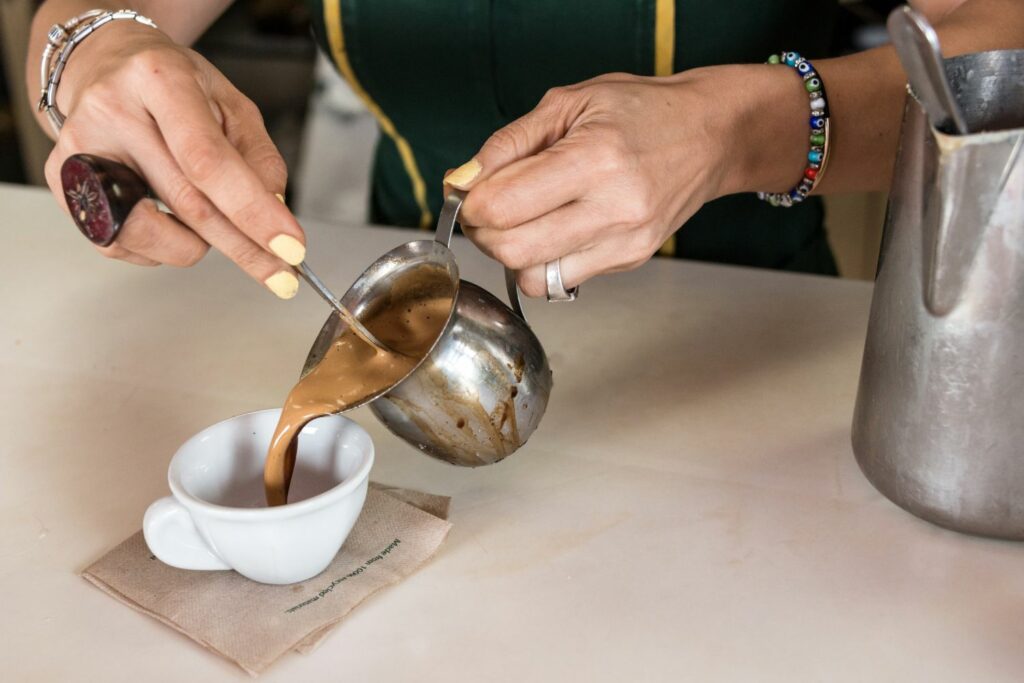
- Vigorously whisk with a spoon back and forth until the sugar turns into a pale, thick, glossy foam. It takes 20–40 seconds by hand. I often use a small handheld frother for speed.
- Combine and serve
- Pour the rest of the coffee into a serving container. Spoon the espuma on top of each cup. For cafe cubano, mix a little espuma into the coffee, then dollop the rest on top.
- Serve immediately in small cups. Enjoy in small sips.
If using an espresso machine:
- Pull a short, strong shot. Use the first 10–15 ml of espresso to whip sugar for espuma. Then follow the same combining steps.
How to make Cuban coffee well depends on timing. Use those first strong drops to whip sugar. That makes espuma glossy and stable.
Practical tips and minor tweaks I learned
I’ve made many mistakes. Here are shortcuts and fixes that saved cups.
- Use hot water in the moka pot base to cut bitter buildup. This shortens extraction.
- Whip sugar with the first drops only. Later coffee is weaker and won’t create good foam.
- Do not overheat the moka pot. High heat scorches coffee oils.
- Use white granulated sugar for classic texture; raw sugar makes it grainy.
- If espuma collapses, re-whisk quickly with a spoon or frother and serve immediately.
- For larger batches, whip sugar in small batches to keep foam fresh.
Personal note: my first attempts produced sugary sludge because I mixed all coffee and sugar at once. Once I began using the strong first drops for the espuma, the flavor and texture improved dramatically.
Popular variations and modern twists
Cuban coffee adapts well. Try these for variety.
-
Café con leche style
- Equal parts strong coffee and steamed milk for a creamy morning drink.
- Add espuma on top for sweetness.
-
Iced café Cubano
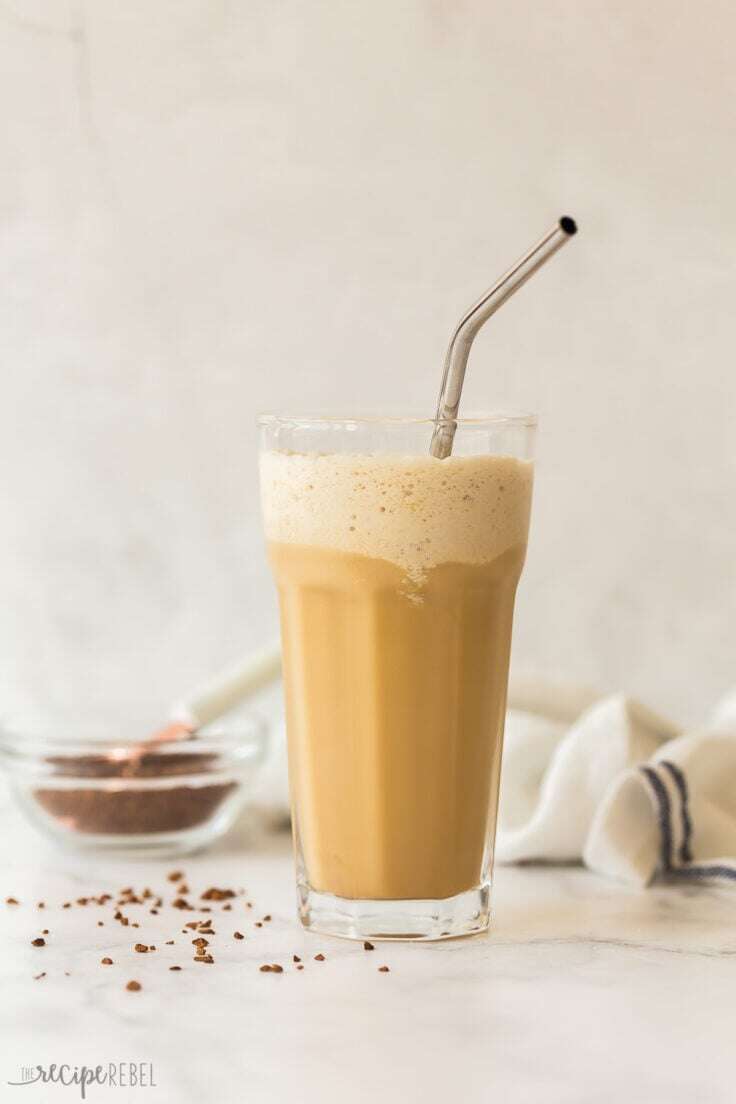
- Brew strong coffee and chill. Serve over ice with foam spooned on top.
- Use less sugar if chilling increases sweetness perception.
-
Mocha-cubano
- Add a tiny spoon of cocoa to the sugar before whipping for a chocolatey foam.
These options show how to make Cuban coffee fit many tastes. Keep basic ratios, and experiment gently.
Troubleshooting and common mistakes
If coffee tastes bitter, weak, or the foam fails, this section helps.
-
Bitter coffee
- Cause: Over-extraction from too-hot heat or overly fine grind.
- Fix: Lower heat, use hot water in the base, or slightly coarsen the grind.
-
Weak coffee
- Cause: Not enough coffee or under-extraction.
- Fix: Add more coffee to the basket and brew slightly longer.
-
No espuma
- Cause: Using cold coffee drops or unrefined sugar.
- Fix: Use the first hot drops and white granulated sugar. Whisk vigorously.
PAA-style questions (quick answers)
How sweet should Cuban coffee be?
Cuban coffee is distinctly sweet but balanced; one to two teaspoons of sugar per demitasse is common, adjusted to taste.
Can I use brown sugar for Cuban coffee?
You can, but brown sugar changes flavor and may produce a heavier, less glossy foam.
Is moka pot coffee the same as espresso for Cuban coffee?
Moka pot coffee is not true espresso, but it produces a strong, concentrated brew that works well for how to make Cuban coffee at home.
Cultural background and flavor profile
Cuban coffee grew from Spanish espresso traditions and local taste for sweetness. It is small, bold, and meant to be shared. The flavor is intense, smooth, and caramelized by the espuma. Cuban coffee often uses dark-roasted beans with a hint of nuttiness and chocolate.
Serving Cuban coffee at home connects you to a ritual. I remember preparing cafecitos for family gatherings. The clink of demitasse cups and laughter made every brew feel important. That human side is part of learning how to make Cuban coffee.
Health notes and moderation
Cuban coffee is high in caffeine per ounce but served in small portions. Enjoy it, but be mindful of total daily caffeine intake. Sugar adds calories, so adjust if you watch sugar intake. If you have health conditions affected by caffeine or sugar, consult a professional.
Frequently Asked Questions of how to make cuban coffee
What grind is best for Cuban coffee?
Use a very fine, espresso-like grind for both moka pot and espresso machine methods. Too coarse a grind produces weak coffee.
How much sugar do I use?
Start with 1 teaspoon per demitasse and adjust to taste. For stronger sweetness, use up to 2 teaspoons.
Can I make espuma without a spoon?
Yes. Use a small handheld frother or an electric milk frother to whip sugar with the first coffee drops quickly.
How do I store coffee for Cuban coffee?
Store beans whole in an airtight container away from heat and light. Grind fresh before brewing for best flavor.
Can I make a decaf version?
Yes. Use a decaf dark roast and follow the same steps. Expect a slightly different taste, but the technique is identical.
Conclusion
Mastering how to make Cuban coffee is about balance: the right grind, controlled heat, and a carefully whipped sugar foam. Practice the espuma method, tweak sugar to match your taste, and use the first strong drops for foam. Try small variations and share the cups—Cuban coffee shines in small, social moments.
Give it a shot this week: brew a few small cups, note what you like, and refine your technique. Leave a comment with your favorite tweak or new recipe, and subscribe or explore more guides to deepen your skills.

Liora Pennings is a seasoned chef and kitchen enthusiast with a passion for turning everyday cooking into an effortless experience. With years of hands-on culinary expertise, she specializes in practical techniques, ingredient know-how, and smart kitchen solutions that help home cooks elevate their meals. At KitchFlair.com, Liora shares her best tips, time-saving tricks, and honest product reviews to guide readers toward a more efficient, enjoyable, and inspired cooking routine. Whether you’re a beginner or a seasoned home chef, Liora’s friendly, knowledge-packed insights make every visit to the kitchen a little easier—and a lot more delicious.