How Do They Make Decaf Coffee: The Science And Methods
They remove most caffeine from green beans using water, solvents, or supercritical CO2.
I’ve spent years working with beans and decaf blends, and I’ll walk you through exactly how do they make decaf coffee. This guide explains each method step by step, how those methods change taste and cost, and what to look for on labels. You’ll finish knowing how decaf is produced and how to pick one you’ll enjoy.

How decaf coffee is made — overview
Decaffeination starts with green coffee beans. Producers treat the beans before roasting to pull out caffeine. There are several approved methods. Each aims to remove caffeine while keeping flavor compounds intact.
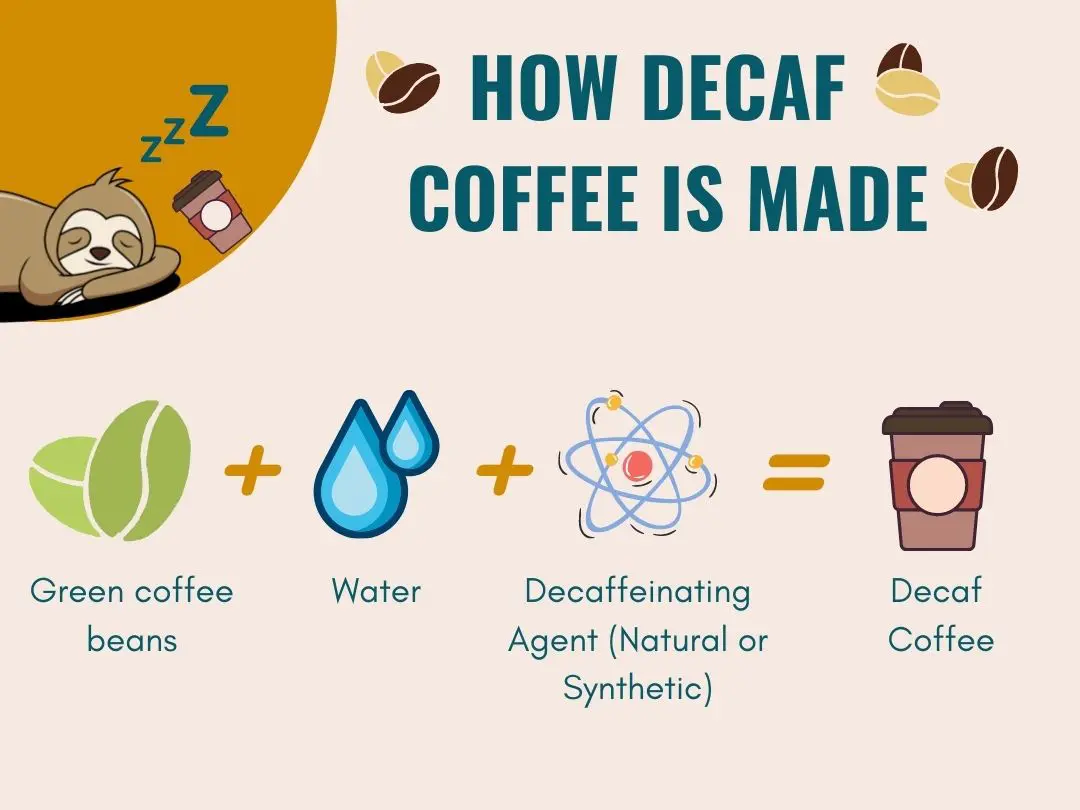
Most commercial decaf processes remove about 97% or more of the caffeine. Rules and testing differ by country, but the result is a coffee with very low caffeine. If you’re asking how do they make decaf coffee, the short answer is they use water, solvents, or CO2 to dissolve and extract the caffeine from raw beans.

Common decaffeination methods
Below are the main ways decaf coffee is made. I’ll explain how each one works and what it means for flavor.
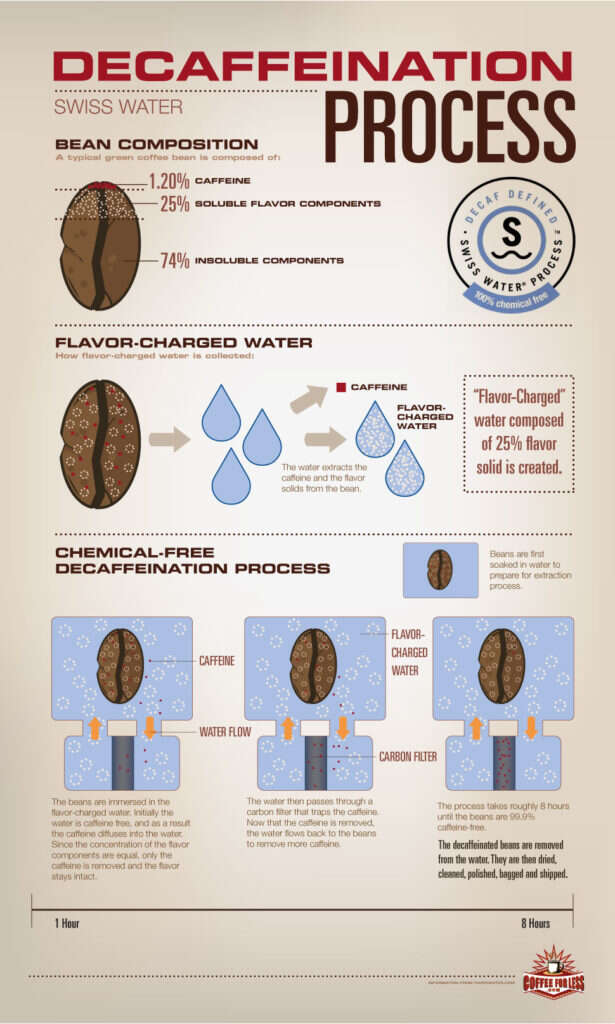
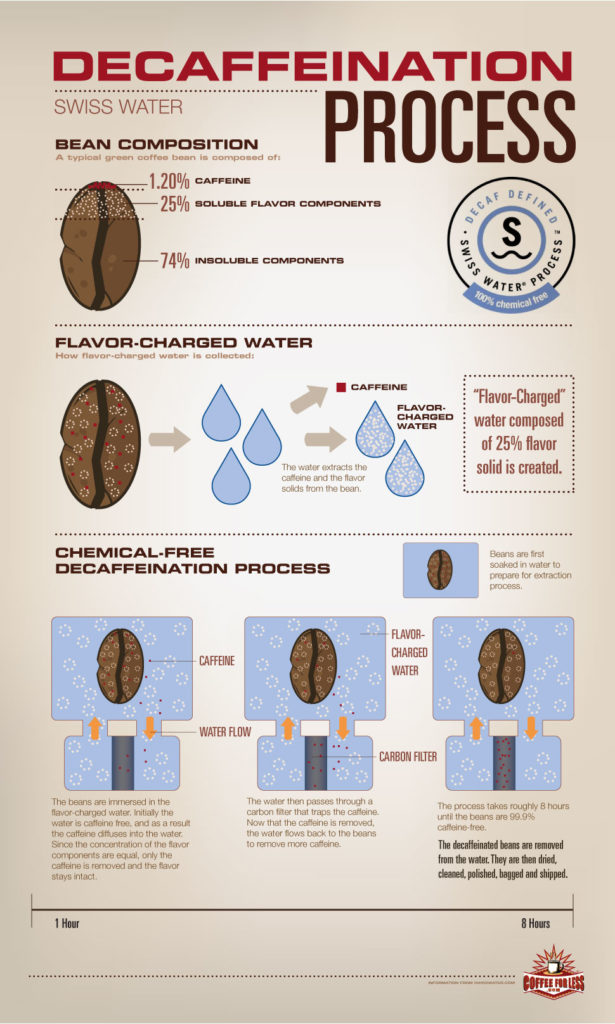
Swiss Water Process
- Soak green beans in hot water to dissolve caffeine and other soluble compounds.
- Filter the water through activated charcoal to trap caffeine.
- Reuse the flavor-rich water to soak new beans; only caffeine moves out.
This method avoids chemical solvents and preserves much of the bean’s flavor. It is popular with specialty roasters and often labeled as chemical-free.
Direct solvent method
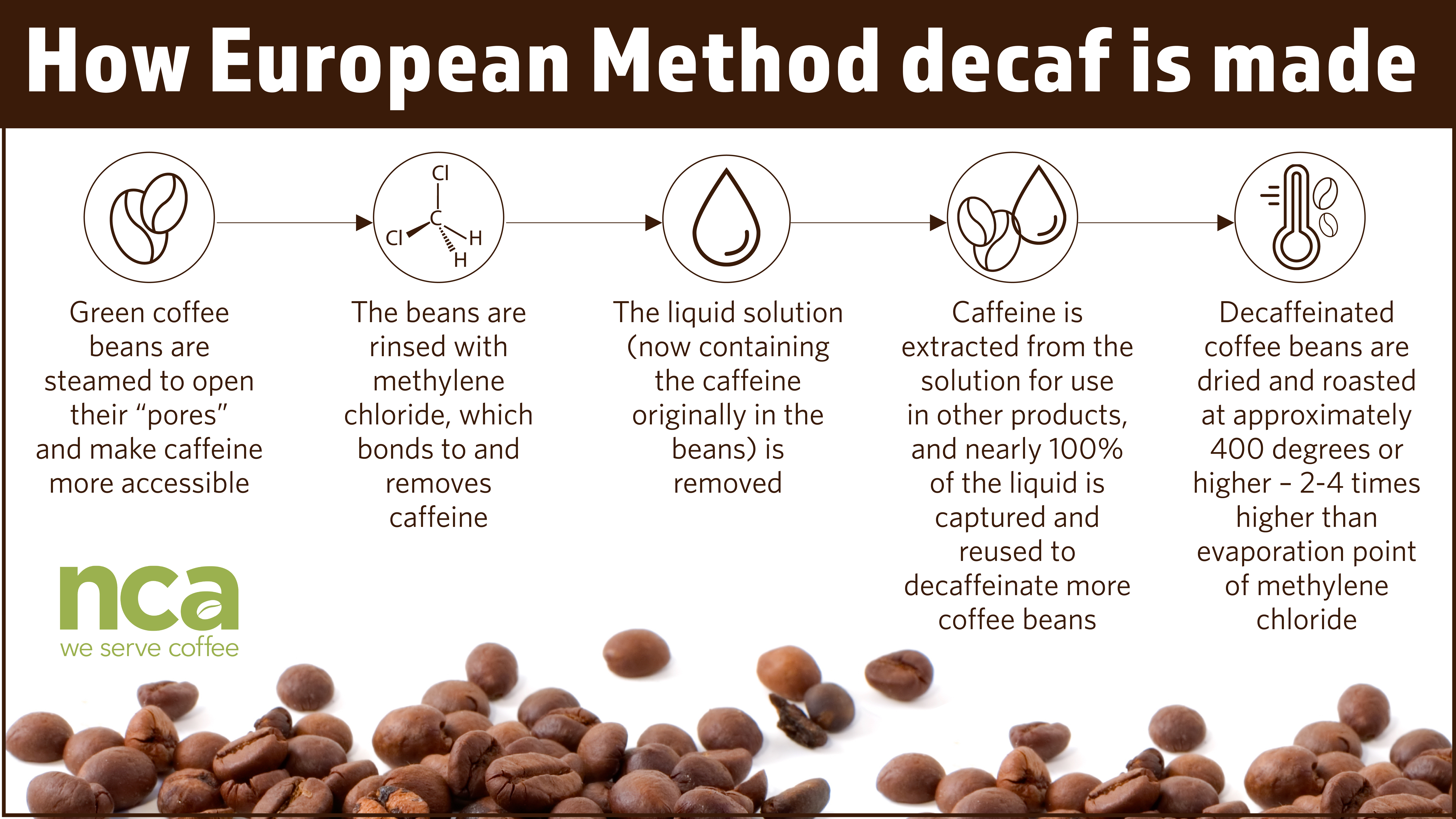
- Steam the green beans to open pores.
- Rinse beans with a solvent that binds caffeine, such as ethyl acetate or methylene chloride.
- Remove solvent and dry beans before roasting.
Solvent traces are strictly regulated and normally far below safety limits. This method is efficient and common in mass-market decaf.
Indirect solvent method
- Soak beans in hot water to extract soluble compounds.
- Mix that water with a solvent to remove caffeine.
- Reintroduce the flavor-rich water to beans so flavor returns without caffeine.
The indirect method aims to protect flavor while using solvents away from the beans themselves.
Supercritical CO2 process
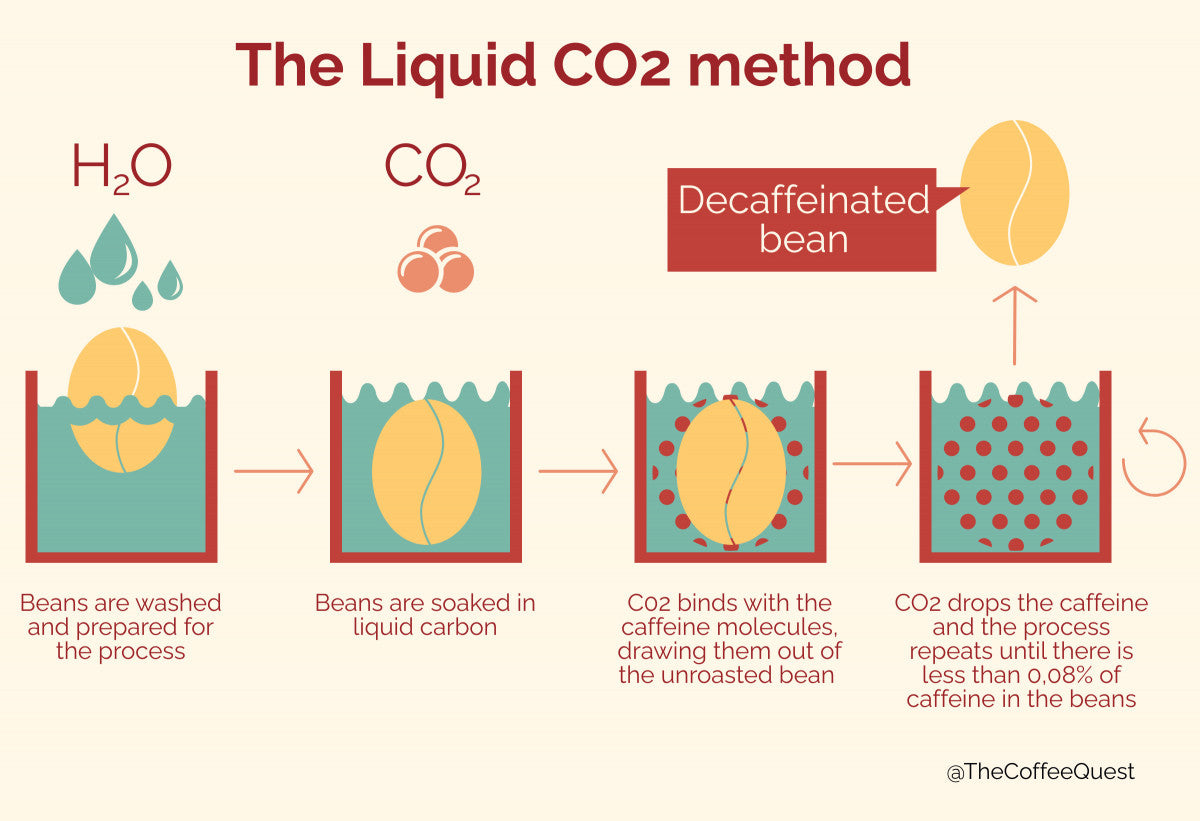
- Place steamed beans in a pressure vessel.
- Use CO2 under high pressure so it becomes supercritical and acts like a solvent.
- CO2 selectively extracts caffeine and leaves most flavor molecules behind.
This high-tech method keeps aroma compounds better than some solvents. It’s common for large volumes and often used for higher-end decaf.
Natural ethyl acetate (EA) process
- Use ethyl acetate derived from fruit sugars, not synthetic sources.
- Work similar to solvent methods but with an “natural” label.
Many brands promote EA-derived decaf as gentler or more natural, though the chemistry is similar.

How methods affect taste, caffeine levels, and quality
How do they make decaf coffee matters for taste. Each method pulls caffeine differently and may remove some flavor compounds.
- Caffeine reduction
- Typical removal is 97% or more.
- A cup of decaf usually has 2–5 mg of caffeine versus 95+ mg in regular coffee.
- Flavor and aroma
- Swiss Water and CO2 tend to keep more delicate flavors.
- Direct solvent methods can be neutral and consistent across large batches.
- Roast and grind adjustments
- Decaf beans roast faster and can scorch more easily.
- Many roasters lower roast temperature or adjust time for decaf beans.
When considering how do they make decaf coffee, remember that taste differences are often subtle. Quality of the green bean and roast skills matter as much as the decaffeination method.
Quick answers people often search (PAA-style questions)
What is the safest decaf method?
- Swiss Water and CO2 are often considered safest because they avoid chemical residues and preserve flavor.
Does decaf still taste like coffee?
- Yes. Decaf keeps most flavor compounds, though subtle notes can change based on method and roast.
Can decaf cause insomnia?
- Most decaf has tiny caffeine amounts. If you’re very sensitive, even small traces can matter, but most people can drink decaf at night.
How decaf coffee is made at home and small-scale considerations
Home decaffeination is not practical. Industrial processes use high heat, pressure, and controlled solvents. At home, you might reduce caffeine slightly by:
- Steeping grounds briefly in hot water and discarding that water before brewing.
- Buying decaf green beans and having them roasted professionally.
From my roaster experience, trying to decaffeinate at home gives poor results. Instead, buy decaf processed by Swiss Water or CO2 if you care about taste. Small roasters can also blend small lots of decaf to balance flavor and cost.
Environmental, cost, and health considerations
How do they make decaf coffee affects the planet and your wallet.
- Environmental impact
- CO2 methods can be energy intensive but have low chemical waste.
- Solvent methods generate fewer greenhouse emissions but must handle chemical disposal.
- Swiss Water uses large volumes of water but recycles flavor-rich liquid and minimizes chemicals.
- Cost and availability
- Decaf usually costs more per pound than regular beans due to extra steps.
- Specialty decafs (Swiss Water, CO2) cost more but often taste better.
- Health and safety
- Residual solvent levels are regulated and typically far below safety limits.
- Decaf is safe for most people, including many who must avoid caffeine for health reasons.
If you’re choosing decaf, think about how do they make decaf coffee in relation to your values: taste, cost, and environmental footprint.
Frequently Asked Questions of how do they make decaf coffee
What percentage of caffeine is removed during decaffeination?
Most methods remove about 97% or more of caffeine from green beans. Exact levels vary by process and testing standards.
Is decaf coffee completely caffeine-free?
No. Decaf usually contains a small amount of caffeine, typically 2–5 mg per cup. It is low but not zero.
Which decaf process gives the best flavor?
Swiss Water and supercritical CO2 often retain the most flavor. Personal taste and roast skill also play big roles.
Are solvent-based decaf coffees safe?
Yes. Solvent residues are tightly regulated and usually far below harmful levels. Many people still prefer solvent-free options.
Can I decaffeinate coffee at home?
Not effectively. Home methods reduce only a small portion of caffeine and often damage flavor. Buying professionally processed decaf is best.
Does decaf still have antioxidants?
Yes. Decaf retains many antioxidants and beneficial compounds, though levels may be slightly different than in regular coffee.
How can I tell which decaf method was used?
Check package labels. Look for terms like Swiss Water, CO2, or ethyl acetate for clues. Roaster websites often explain their process.
Conclusion
Now you know how do they make decaf coffee: by extracting caffeine from green beans with water, solvents, or supercritical CO2. Each method balances caffeine removal, flavor preservation, cost, and environmental impact. My tip: try small bags from trusted roasters, and look for Swiss Water or CO2 if you want cleaner flavor. Share your decaf experiments, subscribe for more coffee guides, or leave a comment with your favorite decaf.

Liora Pennings is a seasoned chef and kitchen enthusiast with a passion for turning everyday cooking into an effortless experience. With years of hands-on culinary expertise, she specializes in practical techniques, ingredient know-how, and smart kitchen solutions that help home cooks elevate their meals. At KitchFlair.com, Liora shares her best tips, time-saving tricks, and honest product reviews to guide readers toward a more efficient, enjoyable, and inspired cooking routine. Whether you’re a beginner or a seasoned home chef, Liora’s friendly, knowledge-packed insights make every visit to the kitchen a little easier—and a lot more delicious.