
How To Achieve Balanced Coffee Flavor Without Bitterness: Go
Use fresh beans, correct grind, clean water, and proper brew time to prevent bitterness.
I've spent years tasting, testing, and training baristas on how to achieve balanced coffee flavor without bitterness. In this guide I break down the science, the practical steps, and my own mistakes so you can brew clean, sweet, and balanced coffee at home or in a shop. Read on for clear, trusted advice that you can try today.

Understanding bitterness and balance in coffee
Bitterness is one of coffee's core taste notes. It can be pleasant when paired with sweetness and acidity, but it becomes unpleasant when it overwhelms the cup. Bitterness arises from specific compounds extracted during brewing. Too much extraction pulls out dark, astringent molecules that taste bitter.
Balance means sweetness, acidity, body, and aroma are in harmony. Achieving balance requires control of beans, roast, grind size, water, dose, temperature, and brew time. Small changes in any one factor can shift the cup from balanced to bitter.

Beans and freshness: the first step
Choose the right beans for a clean profile. Lighter roasts often highlight acidity and sweetness. Medium roasts tend to be balanced. Dark roasts can mask acidity and create more bitter notes.
Buy whole beans and use them within three weeks of roast. Buy small batches. Store beans in a cool, dark, airtight container away from the fridge. Grind only what you need just before brewing.
Personal note: early in my barista days I kept a big bag on the counter. The coffee went stale fast and tasted flat and bitter. Switching to small bags and immediate grinding improved clarity and cut bitterness.

Roast level and how it affects bitterness
Roast transforms bean chemistry. Longer roasting breaks down sugars and increases bitter compounds. Lighter roasts keep origin flavors and more perceived sweetness. Medium roasts balance sweet and bitter elements.
If you taste harsh, dry bitterness:
- Try a slightly lighter roast for more clarity and sweetness.
- If you want a fuller body without bitterness, sample a medium roast from a trusted roaster.
Remember: roast quality matters as much as roast level. Uneven or scorched roasts create bitter notes no brew trick can fix.
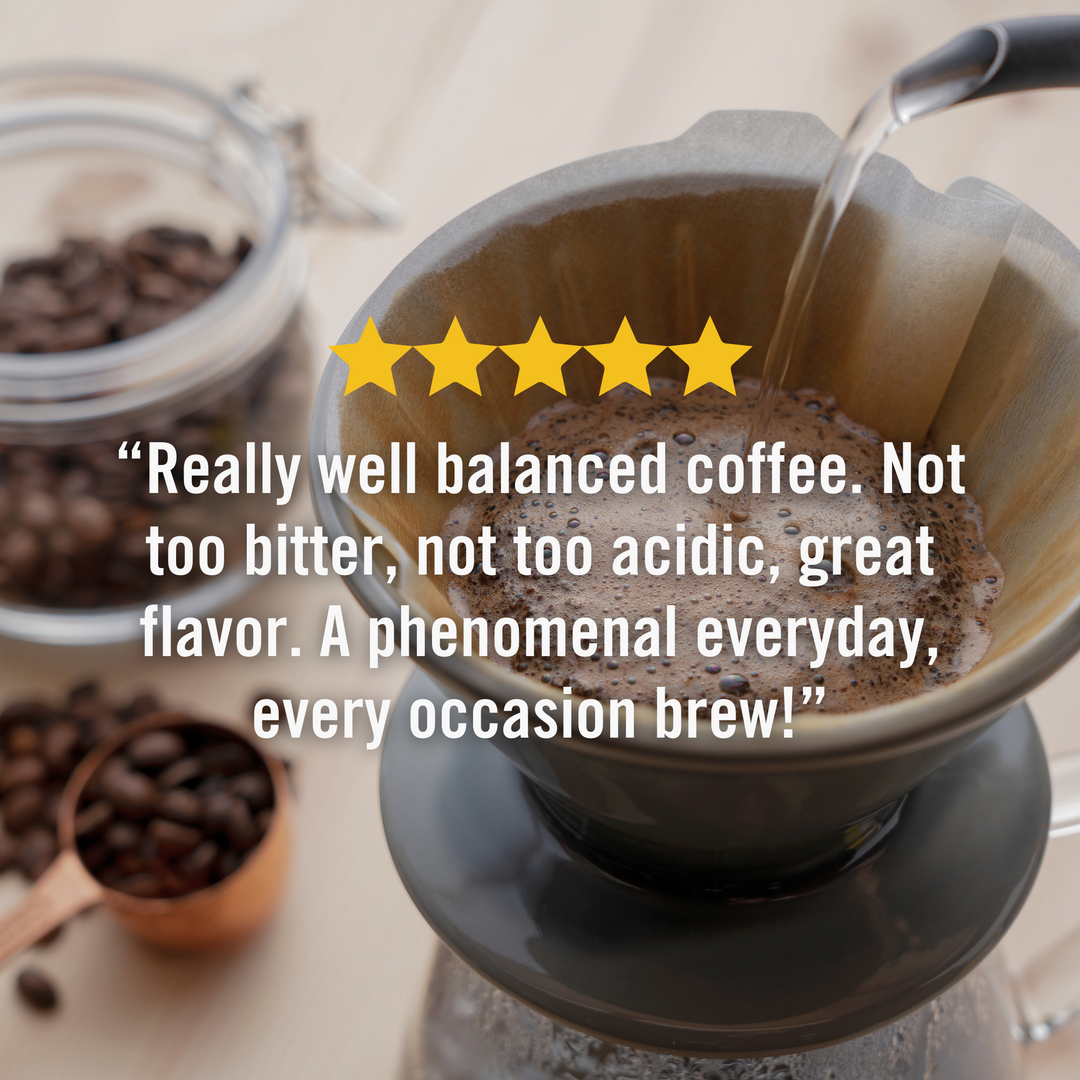
Grind size and extraction control
Grind size controls how fast water pulls flavors from coffee. Too fine a grind leads to over-extraction and bitterness. Too coarse leads to under-extraction and sourness.
Suggested grind directions:
- Espresso: very fine, but adjust 1–2 clicks coarser if bitter.
- AeroPress and pour-over: medium-fine to medium; tweak in small steps.
- French press: coarse; ensure brew time is right to avoid over-extraction.
Practical tip from experience: when I changed grinders, my usual dose tasted bitter. I adjusted the grind slightly coarser and regained balance within two attempts.
Water quality and temperature
Coffee is mostly water. Water quality and temperature shape extraction and flavor clarity. Use clean, filtered water with moderate mineral content for good extraction and mouthfeel. Avoid distilled or very hard water.
Temperature guide:
- 195–205°F (90–96°C) is ideal for most brews.
- Lower temps yield under-extracted, sour cups; higher temps risk extracting bitter compounds.
For pour-over, let water sit 30 seconds after boiling to reach a good range. For espresso, maintain consistent machine temperature and flush the group head before pulling a shot.
Brewing methods and timing
Different methods require different controls. Timing and device choice help manage bitterness.
Common methods and quick tips:
- Espresso: short, intense extraction. Use fresh beans, correct dose, and proper tamp. Pull slightly shorter shots if bitter.
- Pour-over (V60/Chemex): control pour speed and grind. Aim for even saturation and bloom. If bitter, coarsen the grind or shorten brew time.
- French press: long immersion. Use coarse grind and 4-minute brew as a starting point. If bitter, reduce brew to 3–4 minutes or coarsen grind.
- AeroPress: flexible. Lower water temp or shorter plunge time to reduce bitterness.
Example adjustment: A pour-over that tasted bitter responded well to a coarser grind and a slightly slower pour. The result was cleaner sweetness in two pours.
Dose and brew ratio
Dose affects strength and extraction. Use consistent ratios to tune balance.
Common ratios:
- Espresso: 1:2 (coffee to liquid by weight) as a starting point.
- Pour-over: 1:15 to 1:17 (coffee to water).
- French press: 1:12 to 1:15.
If coffee is bitter:
- Lower dose slightly or coarsen grind to reduce extraction intensity.
- If coffee tastes weak or sour, increase dose or grind finer.
Weigh your coffee and water. Small adjustments of 1–2 grams can change the result.
Troubleshooting common bitterness issues
Learn to diagnose and fix bitter cups quickly.
Signs and fixes:
- Bitter and thin: likely over-extracted. Coarsen grind, shorten brew, or lower temperature.
- Bitter and heavy: roast too dark or scorched beans. Try a different roast or origin.
- Bitter metallic notes: poor water quality or old equipment. Use filtered water and clean gear.
- Bitter in espresso only: check dose, tamp, and machine temp. Try a shorter extraction.
From my work training teams, the fastest fix is a single variable change. Change one thing, taste, then adjust again.
Practical recipes and step-by-step adjustments
Start with these simple recipes and tweak to taste.
Pour-over starter:
- Use a 1:16 ratio. For 300 g water, use 18.75 g coffee.
- Bloom with 60 g water for 30–45 seconds.
- Pour remaining water in slow circles. Total brew time 2:30–3:00 minutes.
- If bitter, coarsen grind one step or shorten pour time.
French press starter:
- Use 1:14 ratio. For 700 g water, use 50 g coffee.
- Steep 4 minutes, then press.
- If bitter, reduce to 3 minutes or coarsen grind.
Espresso starter:
- Dose 18–20 g, yield 36–40 g in 25–30 seconds.
- If bitter, aim for a shorter shot by adjusting grind coarser by small steps.
My mistakes and lessons learned
I once dialed in a popular espresso roast and kept getting bitter shots. I chased tamp pressure and dose for an hour. The issue was stale beans and a dirty group head. Lesson: rule out freshness and cleanliness before complex fixes.
Other tips I learned:
- Taste water alone. If water tastes off, coffee will too.
- Keep a notebook. Small notes about grind, dose, and time help recreate good shots.
- Reset to a baseline when confused: fresh beans, 1:16 ratio, 195–205°F, and adjust one variable.
PAA-style quick questions you might search for
What causes coffee to taste bitter?
- Coffee tastes bitter when dark compounds and tannins are over-extracted. Over-extraction happens with too fine a grind, too hot water, too long brew, or stale/dark roasted beans.
How do I reduce bitterness in espresso?
- Try a coarser grind, shorter shot time, fresher beans, or slightly lower brew temperature. Clean your machine and group head regularly.
Will adding milk hide bitterness?
- Milk can mask bitterness by adding fat and sweetness. It does not fix the root cause. Tuning extraction gives a better long-term result.
Frequently Asked Questions of how to achieve balanced coffee flavor without bitterness
What grind size prevents bitterness for pour-over?
Use a medium grind similar to table salt. If your pour-over tastes bitter, coarsen the grind one step and try again.
How important is water temperature to avoid bitterness?
Very important. Keep water between 195–205°F. Too hot pulls more bitter compounds; slightly cooler water often tastes sweeter.
Can stale beans cause bitterness?
Yes. Old or improperly stored beans taste flat and bitter. Use fresh beans within weeks of roast and store them airtight.
Does roast level affect bitterness?
Yes. Darker roasts tend to have more bitter notes. Try a medium or light roast for more balance and clarity.
How do I fix a bitter French press?
Shorten brew time to 3–4 minutes or coarsen the grind. Also check that your press and kettle are clean.
Will filtered water make coffee less bitter?
Filtered water usually improves clarity and reduces off-flavors. Use water with moderate minerals for best extraction.
Is over-extraction the only cause of bitterness?
No. Bitterness can come from roast defects, poor water, stale beans, or dirty equipment. Diagnose each factor to fix the cup.
Conclusion
Balanced coffee comes from small, smart choices: fresh beans, the right roast, precise grind, clean water, proper temperature, and a tuned brew time. Start with simple recipes, change one variable at a time, and keep notes. With practice you will consistently make coffee that is sweet, bright, and free of harsh bitterness. Try one adjustment today, taste the difference, and share your results or questions below — I’d love to hear what works for you.

Liora Pennings is a seasoned chef and kitchen enthusiast with a passion for turning everyday cooking into an effortless experience. With years of hands-on culinary expertise, she specializes in practical techniques, ingredient know-how, and smart kitchen solutions that help home cooks elevate their meals. At KitchFlair.com, Liora shares her best tips, time-saving tricks, and honest product reviews to guide readers toward a more efficient, enjoyable, and inspired cooking routine. Whether you’re a beginner or a seasoned home chef, Liora’s friendly, knowledge-packed insights make every visit to the kitchen a little easier—and a lot more delicious.