How To Clean Vacuum Cleaner After Picking Up Water: FastFix
Unplug, empty standing water, disassemble washable parts, dry completely, then test motor gently.
I have repaired and cleaned many vacuums after accidental spills. In this guide I explain exactly how to clean vacuum cleaner after picking up water accidentally. I’ll show safe, step-by-step actions, explain risk signs, and give simple drying and sanitizing methods. Read on for clear, proven advice you can use right away.
Why water damages vacuums and what to expect
Water can harm electrical parts. Motors, wiring, and filters are at risk. Foam, paper, and bag filters trap moisture and grow odors and mildew. If you know what to check, you can save the machine and avoid safety hazards.
Common problems after water contact
- Short circuits or blown fuses if power is left on.
- Corroded motor brushes and bearings.
- Mold, bad smells, and ruined filters.
- Permanent damage if water reaches the motor windings.
When to stop and call a pro
- You smell burning or see smoke after a short run.
- The motor clicks, hums without spinning, or overheats quickly.
- You find water inside the motor housing.
how to clean vacuum cleaner after picking up water accidentally appears in many repair guides because water is one of the most common causes of avoidable vacuum failures. Address issues fast to improve your chance of repair.
Immediate steps to take right after picking up water
Safety comes first. Unplug or remove the battery at once. Do not turn the vacuum back on. Acting fast reduces damage.
Step-by-step immediate actions
- Turn off power and unplug the vacuum. For cordless models, remove the battery.
- Move the vacuum to a well-ventilated, dry area or outdoors.
- Empty any collection cup, bin, or bag carefully into a sink or drain.
- Remove filters, brush rolls, and other washable parts.
- Tilt the unit so water drains away from the motor. Leave openings facing down.
Quick checks to do now
- If water reached the motor housing, stop and do not run it until fully inspected.
- Smell for strong mildew or chemical odors. Note these for later.
how to clean vacuum cleaner after picking up water accidentally must begin with safe shutdown and removal of wet parts. This short process often prevents permanent motor damage.

How to clean a bagless canister vacuum after water pickup
Bagless models usually have a plastic bin and washable filters. They are easier to clean if you act fast.
Cleaning steps for a canister or cup
- Empty the cup outside or into a sink. Rinse with warm water to remove debris.
- Remove foam and washable pre-filters. Rinse gently under warm water until clear.
- Wash the hard plastic bin with mild dish soap and warm water. Rinse well.
- For ink or sticky residues, use a little white vinegar diluted 1:10 with water. Rinse again.
- Let all parts air dry for at least 24 to 48 hours. Use a fan to speed drying. Do not use a hair dryer on high heat near plastic parts.
Handling HEPA and paper filters
- Disposable paper or HEPA bags must be replaced if wet.
- Some HEPA filters are washable. Check the manual before rinsing.
- If unsure, replace the filter. Filters that stayed wet often cause odors and mold.
Reassembly and test
- Reassemble only when every part is fully dry.
- Reinstall filters or new ones.
- Plug in and run for 10 to 20 seconds in a safe area while watching for odd sounds, sparks, or smells.
- If the motor sounds weak, stops, or emits smoke, unplug and seek repair help.
how to clean vacuum cleaner after picking up water accidentally is often straightforward for bagless models when you rinse and dry parts quickly.

How to clean a bagged vacuum after water pickup
Bagged vacuums can hide moisture inside the bag and housing. Replace bags and inspect internal parts.
Steps for bagged units
- Remove and discard the wet bag immediately.
- Check the bag compartment for pooling water. Wipe with paper towels.
- Remove any washable pre-filters and rinse them. Let them dry fully.
- If dust remained wet inside, vacuum the compartment with a dry handheld or use a damp cloth then dry again.
- Replace the bag and any non-washable filters.
When to replace parts
- Always replace wet paper or disposable bags.
- Replace filters that are discolored or have mold.
- If the motor housing smells burned after a test run, stop and get professional service.
how to clean vacuum cleaner after picking up water accidentally often requires replacing consumables in bagged models. This cuts smell and protects the motor.

Cleaning upright vacuums and units with exposed motors
Uprights and some compact models sit near the floor. Water can reach the motor chamber fast.
What to inspect
- Remove the brush roll and clean it.
- Open the bottom plate and look for wet debris and water.
- If water touches the motor or belt area, do not run the vacuum until fully dry.
Cleaning and drying tips
- Remove belts and let them dry separately to prevent cracking.
- Use compressed air at low pressure to blow out moisture in crevices. Keep distance to avoid damaging components.
- Place the vacuum in a warm, dry room for 48 hours. Use a fan aimed at the motor housing.
Repair vs. DIY
- If you find standing water in the motor chamber or corrosion on wiring, get a professional to inspect the motor.
- Small wet spots often dry with time. Major exposure may need part replacement.
how to clean vacuum cleaner after picking up water accidentally with uprights must include careful motor checks and belt inspection to avoid further damage.

Drying, sanitizing, and removing odors
Dry and clean parts well to prevent mold and odors.
Safe drying methods
- Air dry parts in a warm room with a fan for 24–72 hours.
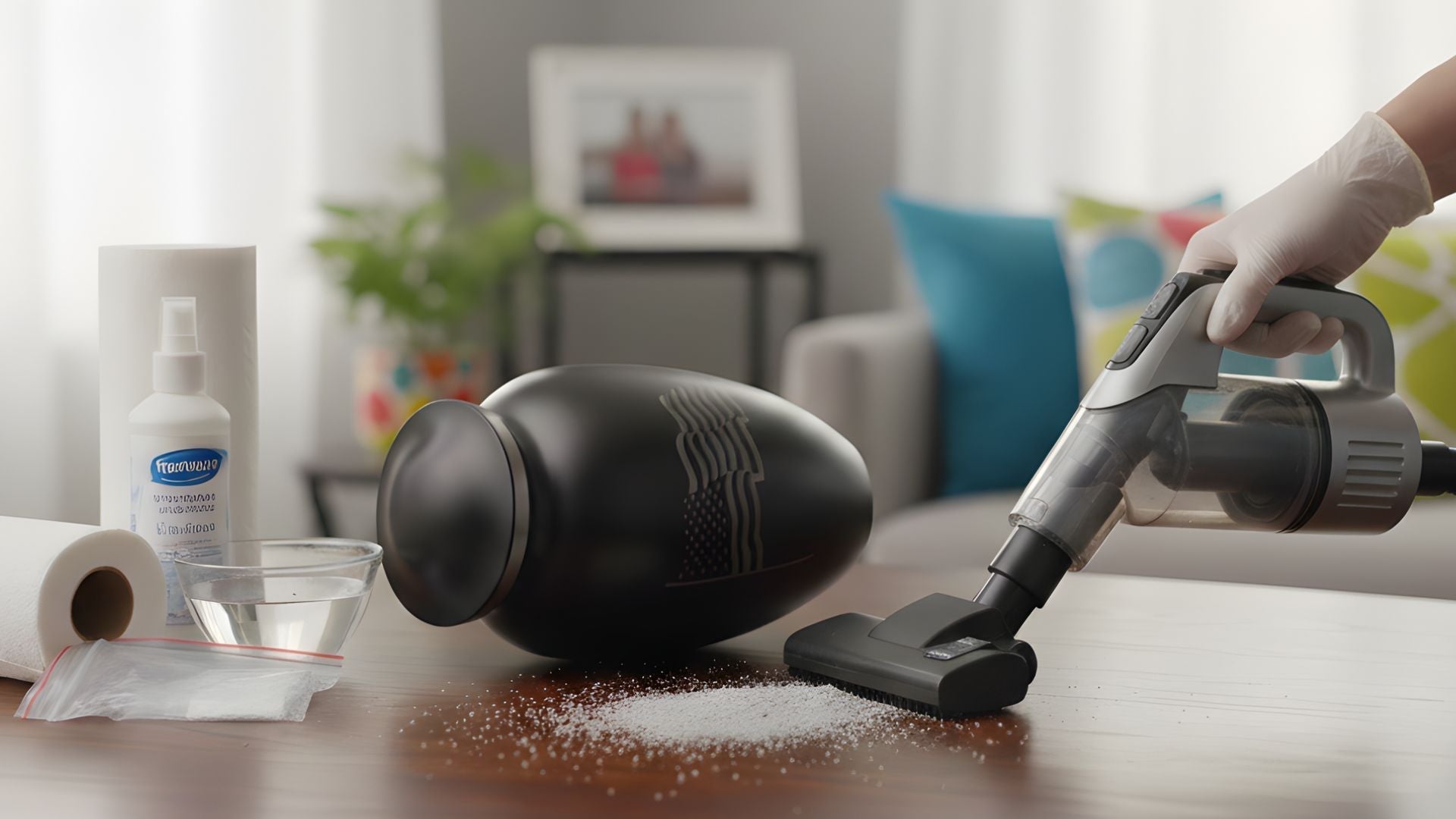
- Use silica gel packs or uncooked rice around small parts to pull moisture.
- Avoid direct heat like ovens or high-heat hair dryers on motors or plastic.
Sanitizing without damage
- Use mild soap and water on plastic parts.
- For slight odor or mildew, spray a 1:10 white vinegar and water mix on non-electrical parts, then rinse.
- Baking soda sprinkled in the dry bin overnight helps absorb odors; vacuum out afterward.
When odors mean a bigger problem
- Persistent mildew smell after full drying suggests filter or interior mold. Replace affected parts.
- A burned electrical smell requires professional inspection.
how to clean vacuum cleaner after picking up water accidentally must include full drying and odor checks to ensure the unit is safe to use again.

Preventing water pickup in the future
A few habits stop spills from becoming damage.
Practical prevention tips
- Use a dedicated wet/dry vacuum for spills.
- Scan floors for puddles before vacuuming.
- Use attachments and suction control on delicate floors.
- Train others in your home to clean up larger spills first with a towel.
- Keep routine filter and belt checks to spot hidden moisture damage early.
Simple habits save money
- Empty and inspect the bin after each use.
- Replace filters on schedule to avoid trapping moisture.
how to clean vacuum cleaner after picking up water accidentally can be avoided with a few habits and the right tools. Prevention is the best repair.
Personal experience and common mistakes
I once picked up water from an overturned plant pot. I unplugged the vacuum and removed the bin. I rinsed parts and left them in the sun for a day. I ran the motor briefly after 48 hours and it worked fine. From that incident I learned to always remove the battery and to wait at least 48 hours before testing.
Common mistakes I see
- Turning the vacuum on right away to “see if it works.” This can fry the motor.
- Assuming a short run will dry internal parts. Heat from running can cause more harm.
- Skipping filter replacement. Wet filters trap odor and spores.
Lessons to apply now
- Stop, unplug, disassemble, dry, and test slowly. This five-step habit saves most vacuums.
how to clean vacuum cleaner after picking up water accidentally becomes much easier when you follow these simple, safe steps from real experience.

Frequently Asked Questions of how to clean vacuum cleaner after picking up water accidentally
How long should I dry parts after water exposure?
Dry parts at least 24 to 48 hours in a warm, dry room with good airflow. For motor areas or deep moisture, wait 72 hours and consider professional inspection.
Can I run the vacuum to dry it faster?
No. Do not run the vacuum while it is wet. Running it can short the motor, cause sparks, or make damage worse.
Will vinegar harm vacuum parts?
Diluted vinegar used on non-electrical plastic parts is safe and helps remove mildew. Do not pour liquid near motors or wiring.
How do I know if the motor is damaged?
Signs include a burning smell, loud grinding, smoke, or the motor not spinning. If you see these, unplug the unit and seek repair service.
Are wet/dry vacuums better for spills?
Yes. Wet/dry vacuums are designed to handle water safely and are the best choice for spills and standing water.
Can I reuse a wet HEPA filter?
Only if the manufacturer states it is washable and it dries completely. Most HEPA filters should be replaced if they get wet.
Conclusion
Act fast, power down, and remove wet parts. Clean washable parts with mild soap, dry thoroughly for 24–72 hours, and replace any wet disposable filters or bags. Test the vacuum gently once fully dry and stop if you detect odd sounds or smells. By following these steps on how to clean vacuum cleaner after picking up water accidentally, you can often save your machine and avoid costly repairs.
Take action now: unplug your vacuum, follow the checklist above, and consider a wet/dry model if spills are common. If this guide helped, try the cleaning steps and share your results or questions below.

Liora Pennings is a seasoned chef and kitchen enthusiast with a passion for turning everyday cooking into an effortless experience. With years of hands-on culinary expertise, she specializes in practical techniques, ingredient know-how, and smart kitchen solutions that help home cooks elevate their meals. At KitchFlair.com, Liora shares her best tips, time-saving tricks, and honest product reviews to guide readers toward a more efficient, enjoyable, and inspired cooking routine. Whether you’re a beginner or a seasoned home chef, Liora’s friendly, knowledge-packed insights make every visit to the kitchen a little easier—and a lot more delicious.