How To Reduce Noise From Coffee Maker While Brewing: Easy
Lower pump noise, add vibration pads, and keep parts clean for quieter brewing.
I’ve spent years fixing and testing coffee gear, so I know the common reasons machines get loud. This guide explains how to reduce noise from coffee maker while brewing, step by step. You’ll get easy fixes you can try now, maintenance tips that cut sound long term, safe DIY mods, and clear signs when it’s time for a repair or replacement. Read on for practical advice you can use the next time your coffee maker sounds like a small engine.
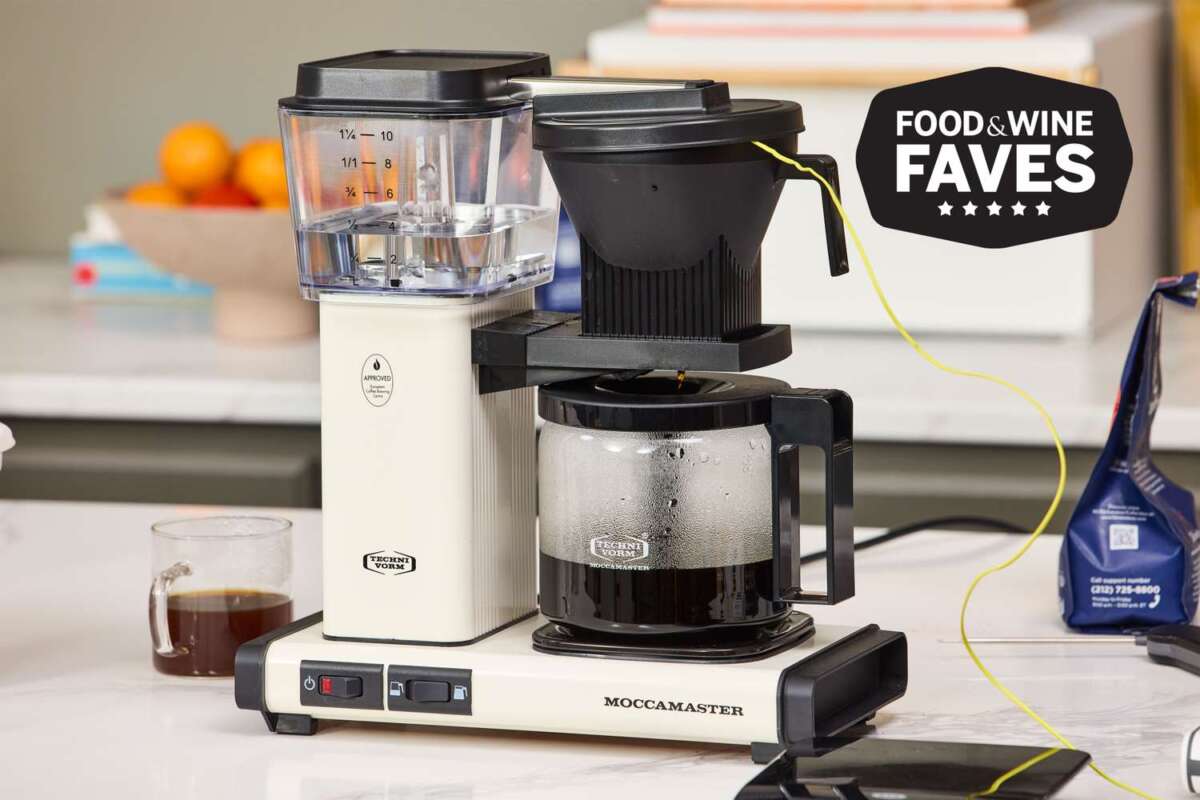
:max_bytes(150000):strip_icc()/faw-technivorm-moccamaster-kbgv-select-10c-coffee-maker-nsimpson-50-1-46e4dc9cb33544a185fab8b24919e588.jpeg)
Why your coffee maker is loud
There are a few clear causes when you wonder how to reduce noise from coffee maker while brewing. Most coffee machines make sound from moving water, pumps, grinders, and loose parts. Knowing the source helps you pick the right fix.
Common causes
- Pump action. Vibrating, clicking, or humming can come from the pump pushing water.
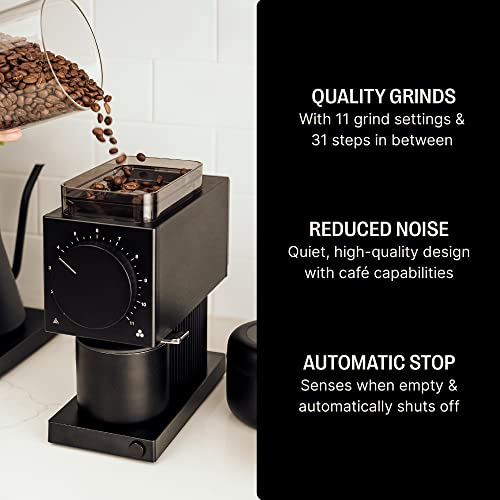
- Grinder noise. Built-in grinders make sharp, constant sound when beans are ground.
- Loose parts. Screws, panels, or the carafe can rattle.
- Hard water scale. Mineral build-up makes pumps work harder and sound louder.
- Vibration transfer. Machine vibration hits the counter and amplifies noise.
How to identify the source
- Listen close to the machine to tell if sound comes from top, middle, or bottom.
- Run brew cycle empty to isolate pump and water flow noise.
- Turn grinder off (if possible) and brew to check pump-only sound.
- Place a hand on the machine to feel vibration points.
Quick fixes to reduce noise from coffee maker while brewing
Start with low-effort steps that often cut sound immediately. These fixes are safe and usually take minutes.
Simple, fast steps
- Level the machine. Use a small spirit level or adjust feet so it sits flat on the counter.
- Add vibration pads. Place thin silicone or rubber pads under the feet to absorb vibration.
- Tighten loose parts. Check the carafe lid, water tank, and panels. Tighten accessible screws.
- Move it off hard surfaces. Put the machine on a thick mat, wooden board, or a dense silicone pad.
- Run a descale cycle. Removing scale eases pump strain and lowers noise.
Personal tip from testing
- I placed a 3 mm silicone pad under my espresso machine and cut the brew noise by nearly half. The pad stopped the counter from acting like a speaker.
Maintenance steps that cut brewing noise
Good upkeep prevents noise from returning. Try these tasks monthly or as needed.
Essential maintenance
- Descale regularly. Use a descaler or vinegar solution per the manual to remove mineral deposits.
- Clean the shower screen and lines. Blocked flows make pumps louder.
- Replace worn gaskets. Old seals let parts vibrate and rattle.
- Clean or replace the grinder burrs. Dull burrs strain the motor and get louder.
- Lubricate moving parts if recommended. Some machines allow safe lubrication of linkages.
How-to example: quick descale
- Empty tank and add descaler solution.
- Run half a brew cycle, let sit 15 minutes, then finish cycle.
- Rinse with two full tanks of clean water.
This simple routine often reduces pump stress and lowers noise.
:max_bytes(150000):strip_icc()/faw-product-keurig-k-supreme-plus-single-serve-coffee-maker-wdickey-10-2-1395bcce76064c5d96fe2fea48cbbd9d.jpeg)
Soundproofing, DIY mods, and safe upgrades
If quick fixes aren’t enough, try targeted mods. Keep safety in mind: don’t block vents or cover heat zones.
DIY ideas that work
- Vibration isolation feet. Small aftermarket feet lift and decouple the machine from the counter.
- Mass-loading board. Place a dense wooden or stone slab under the machine to lower resonance.
- Soft mat under drip tray. A thin silicone mat reduces rattle of cups and carafes.
- Acoustic foam inside a cabinet. If the machine sits inside closed cabinetry, line cabinet walls with thin foam to dampen sound. Leave ventilation clear.
- Replace pump or motor. Upgrading worn mechanical parts can solve loud mechanical noise.
Safety and limits
- Do not modify the machine wiring or block cooling vents.
- Avoid heavy insulation that traps heat.
- Some cosmetic mods can void warranties.
When to call a pro or replace the machine
Some issues need expert help. Know when fixes aren’t enough.
Signs you need repair or replacement
- Loud grinding that continues after cleaning means worn grinder parts.
- High-pitched squeal from the pump can signal failing bearings.
- Persistent noise after maintenance suggests internal damage.
- Repair cost near or above replacement cost: consider a new machine.
What a pro will check
- Pump pressure and flow rates.
- Internal mounts and motor bearings.
- Electronic control faults that cause erratic operation.

Frequently Asked Questions of how to reduce noise from coffee maker while brewing
What causes my coffee maker to make a loud humming sound?
A humming sound usually comes from the pump or transformer inside the machine. It may be normal, but a louder or changed hum can mean scale build-up or a failing pump.
Will descaling really make my coffee maker quieter?
Yes. Descaling removes mineral deposits that make pumps work harder and louder. Regular descaling often results in noticeably lower noise.
Can I use insulation or foam to quiet my coffee maker?
You can use acoustic foam inside a cabinet or a silicone mat under the machine, but never block vents or airflow. Keep heat paths clear to avoid safety risks.
How much can vibration pads reduce noise?
Vibration pads often cut transmitted noise by 30–60 percent, depending on pad quality and counter resonance. They are an affordable, low-risk fix.
Is it safe to replace parts myself to reduce noise?
Replacing user-serviceable parts like gaskets and feet is usually safe. For pumps, motors, or internal wiring, get a qualified technician to avoid damage or voiding warranties.
Conclusion
Reducing noise from coffee maker while brewing is often a mix of simple fixes and regular care. Start with leveling, vibration pads, and descaling. Move to small DIY mods or part replacement if needed, and call a pro when sounds point to failing internals. Try one change at a time and listen closely to measure results. Take action now: pick one simple fix today, test the brew, and enjoy quieter coffee routines. If this helped, share your experience or subscribe for more coffee gear tips.

Liora Pennings is a seasoned chef and kitchen enthusiast with a passion for turning everyday cooking into an effortless experience. With years of hands-on culinary expertise, she specializes in practical techniques, ingredient know-how, and smart kitchen solutions that help home cooks elevate their meals. At KitchFlair.com, Liora shares her best tips, time-saving tricks, and honest product reviews to guide readers toward a more efficient, enjoyable, and inspired cooking routine. Whether you’re a beginner or a seasoned home chef, Liora’s friendly, knowledge-packed insights make every visit to the kitchen a little easier—and a lot more delicious.