How To Make Coffee Safer For Sensitive Throat Issues: Tips
Reduce acidity, cool slightly, use low-acid beans and gentle brewing to protect your throat.
I’ve spent years helping people tweak their coffee habits so they can keep enjoying flavor without the burn. In this guide I explain clear, practical steps on how to make coffee safer for sensitive throat issues, using simple science, real-world testing, and easy recipes you can try today. Read on for testing tips, brewing moves, and when to get medical advice.

Why coffee can irritate a sensitive throat
Coffee can irritate the throat for three main reasons: acidity, heat, and reflux. Acid in coffee can inflame sensitive tissues. Drinking very hot coffee can scald or worsen soreness. Coffee can also relax the lower esophageal sphincter, which may increase reflux and throat irritation.
Other contributors include added sugar or alcohol in liqueurs, caffeine-driven coughing, and acidic creamers. Understanding these causes helps you learn how to make coffee safer for sensitive throat issues. Small changes to beans, brew, and habits often make a big difference.

Practical tips: how to make coffee safer for sensitive throat issues
Choose low-acid coffee beans. Look for beans labeled low-acid or try beans from regions known for mild acidity, like Brazil or Sumatra. Darker roasts are often less acidic than light roasts.
Brew cooler and slower. Let brewed coffee sit a minute to drop from scalding temp. Cold brew is naturally low in acid and very gentle on the throat. I recommend cold brew if you have chronic sensitivity.
Dilute and shorten sips. Mix coffee with warm milk or water to reduce strength. Sip slowly and avoid large gulps that hit the back of the throat.
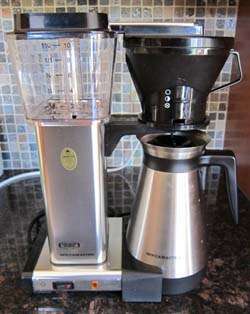
Use paper filters. Paper traps oily compounds that can increase irritation. Try pour-over or drip with a paper filter for a cleaner cup.
Try decaf or half-caf. Lower caffeine can reduce reflux in some people. Switch to decaf and note symptom changes for a week.
Adjust add-ins. Avoid acidic citrus syrups and alcohol. Use creamy non-dairy milks or lactose-free milk if dairy causes mucus or irritation.
Test baking soda cautiously. A pinch of baking soda (about 1/16 teaspoon per cup) can neutralize acid. Try once and see how your stomach and throat feel before repeating.
Time your coffee. Drinking with food or after a meal reduces the chance of direct irritation. Avoid coffee on an empty stomach if you have reflux.
Track changes. Keep a simple log for two weeks noting bean, brew, temperature, and throat symptoms. This helps you learn which changes help most.
I’ve personally switched to a slow cold brew and paper-filtered drip for morning coffee. My throat pain dropped noticeably within a week. Small steps add up.

Brewing methods and gentle recipes
Cold brew method (gentle, low acid)
- Use 1 cup coarsely ground low-acid beans and 4 cups cold water in a jar.
- Stir, cover, and steep 12–18 hours in the fridge.
- Strain with a fine mesh and a paper filter. Serve diluted 1:1 with water or milk.
Warm pour-over (less oily, cleaner cup)
- Use medium-fine grind and paper filter.
- Brew at 195–205°F, then let sit 30–60 seconds before sipping.
- Add steamed milk for a gentler texture.
Quick warm recipe to reduce acidity
– Brew regular coffee then add a tiny pinch of baking soda to a full pot (1/8 teaspoon per 32 oz).
- Stir and taste. The soda lowers perceived acidity.
- Serve lukewarm rather than piping hot.
Note recipe safety. Use small amounts of baking soda only. If you have high blood pressure or are on a sodium-restricted diet, check with your clinician before adding sodium bicarbonate to drinks.

Ingredients, alternatives, and swaps that help
Low-acid coffees and blends
- Seek beans specifically labeled low-acid.
- Try dark roasts or naturally low-acid varietals.
Milk and milk alternatives
- Whole milk and many nut milks coat and soothe the throat.
- Oat milk and almond milk work well for texture and may reduce irritation.
Non-coffee alternatives
- Chicory coffee, roasted barley, or dandelion blends mimic coffee flavor without the same acidity.
- Mushroom coffee blends dilute caffeinated coffee and often reduce acid effects.
Sweeteners and spices
- Use mild sweeteners like maple syrup or stevia rather than citrus syrups.
- Cinnamon or cardamom can add warmth without acid.
I once replaced my second cup with chicory mix for two weeks. My throat soreness fell and my sleep improved. These swaps can be game changers for sensitive throats.

When to see a doctor and safety limits
If throat pain is severe, lasts more than two weeks, or comes with weight loss or difficulty swallowing, see a clinician. Chronic hoarseness, persistent cough, or bloody phlegm also need prompt evaluation.
Coffee tweaks help many, but they can’t treat medical conditions like GERD, infections, or vocal cord issues. If you rely on antacids often, mention coffee habits to your doctor to find safer long-term solutions.
Frequently Asked Questions of how to make coffee safer for sensitive throat issues
Can cold brew prevent throat irritation?
Cold brew is lower in acid than hot-brewed coffee and often causes less throat irritation. Many people with sensitive throats find cold brew gentler.
Is decaf better for a sore throat?
Decaf can reduce reflux-triggered throat problems for some people. It still has acid, so combine decaf with low-acid beans or gentler brewing.
Will milk always soothe a sore throat from coffee?
Milk can coat and soothe the throat for many people, but dairy can increase mucus in some individuals. Try small amounts and note changes.
Does temperature matter for throat safety?
Yes. Very hot coffee can worsen throat irritation. Let coffee cool to warm or drink lukewarm to reduce damage.
Is adding baking soda safe to reduce acidity?
A tiny pinch of baking soda can neutralize acidity in a cup. People on sodium-restricted diets or with certain health issues should avoid this without medical advice.
How long before I should see improvement after changing coffee habits?
Many people notice less irritation within days to two weeks after switching beans or brewing methods. Track symptoms to confirm what helps.
Conclusion
Small, practical changes can let you keep your coffee habit while protecting a sensitive throat. Focus on low-acid beans, cooler temperatures, gentler brews like cold brew or paper-filtered pour-over, and smart add-ins. Track results and work with your clinician if symptoms persist. Try one change at a time this week and note any improvement — then keep what works. If this guide helped, leave a comment, subscribe for more tips, or share your own experience.

Liora Pennings is a seasoned chef and kitchen enthusiast with a passion for turning everyday cooking into an effortless experience. With years of hands-on culinary expertise, she specializes in practical techniques, ingredient know-how, and smart kitchen solutions that help home cooks elevate their meals. At KitchFlair.com, Liora shares her best tips, time-saving tricks, and honest product reviews to guide readers toward a more efficient, enjoyable, and inspired cooking routine. Whether you’re a beginner or a seasoned home chef, Liora’s friendly, knowledge-packed insights make every visit to the kitchen a little easier—and a lot more delicious.