How To Make Coffee Using Cloth Filter Trad. Method: Guide
Use a clean cloth filter, medium-fine grind, 1:15 ratio, hot water, slow pour for balanced brew.
I’ve brewed coffee with a cloth filter for years and helped friends master the traditional method. This guide shows how to make coffee using cloth filter traditional method step by step, with clear tips on grind, water, timing, cleaning, and flavor control. You will learn why a cloth filter yields a silky cup, how to avoid common mistakes, and how to tune the brew to your taste. Read on to get a practical, proven routine you can use every morning.

Why choose the cloth filter: taste, texture, and tradition
Cloth filters sit between paper and metal in filtration. They remove most fines and oils but leave enough body for a rich texture. That gives a smooth cup with clean flavors and gentle mouthfeel. The cloth method is common in many coffee cultures. It preserves nuanced notes from single-origin beans and tamps down harsh bitterness.
My experience: I moved from paper to cloth and found subtle fruit and floral notes came forward. Cloth requires care, but the flavor reward is worth it.
:max_bytes(150000):strip_icc()/What-Is-a-Chorreador-FT-DGTL0426-01-55e752b8373e42b5b2e89c8e9a419442.jpg)
Tools and ingredients you need
Use simple, durable gear. The list keeps things focused.
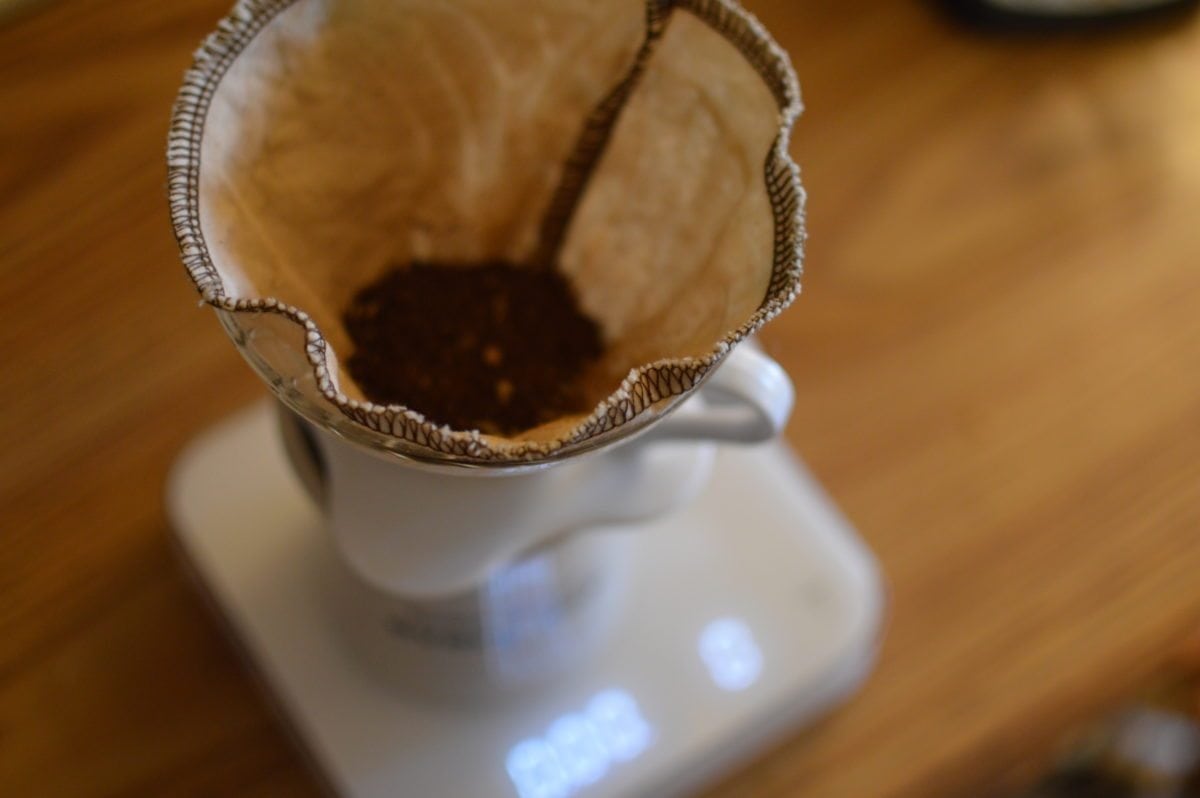
- Cloth filter and holder or sock style filter
- Scale accurate to 1 gram
- Burr grinder
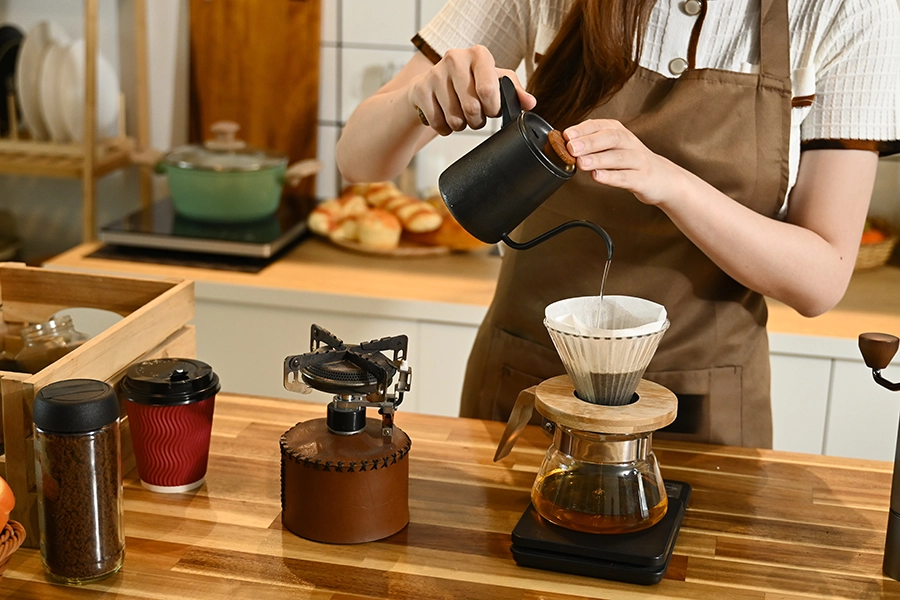
- Gooseneck kettle for steady pour
- Server or carafe
- Fresh whole-bean coffee
- Clean water (filtered is best)
- Timer
Pick a tightly woven cotton filter meant for coffee. Avoid loose weave or synthetic fabrics. Replace the cloth after heavy staining or if it smells odd.

Coffee, grind, and ratio: the core variables
These settings give a solid starting point.
- Coffee dose: 15 grams
- Water volume: 225 grams (1:15 ratio)
- Grind: medium-fine, slightly coarser than espresso, finer than drip
Adjust grind to speed extraction. If brew is too sour, grind finer. If it’s bitter, grind coarser. Use fresh roast within three weeks of roast date for best results. I often tweak ratio to 1:14 for stronger cups or 1:16 for lighter ones.
Step-by-step: how to make coffee using cloth filter traditional method
Follow these numbered steps for consistent results.
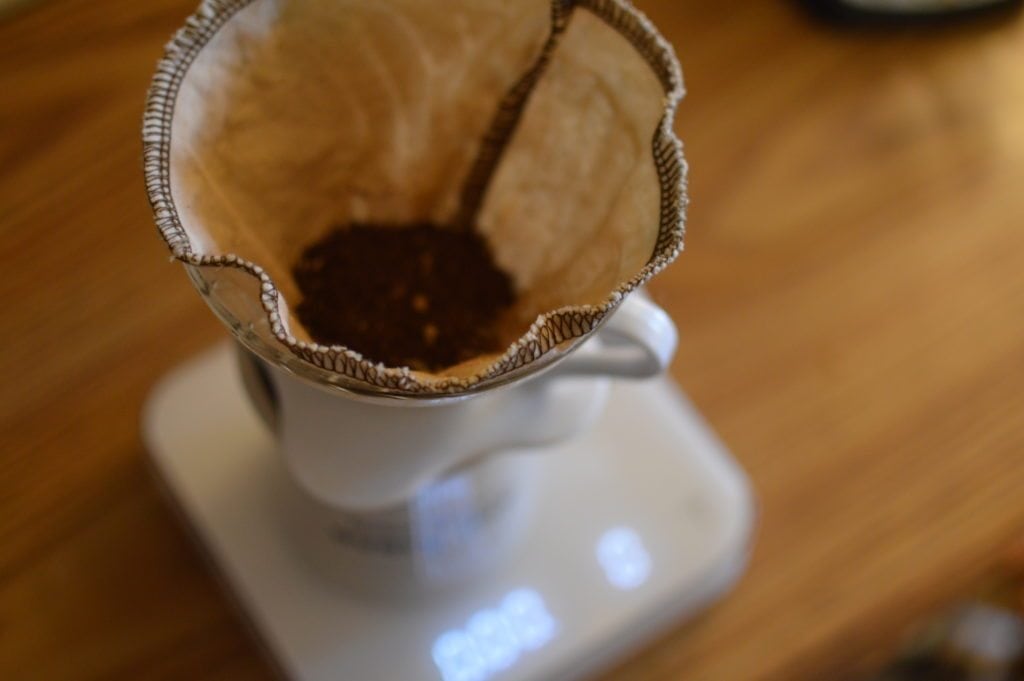
- Rinse the cloth filter: Wet it with hot water to remove dust and warm the server.
- Weigh and grind coffee: Use 15 g coffee ground medium-fine.
- Place filter in holder: Secure it so it won’t shift while pouring.
- Add coffee to filter and level gently.
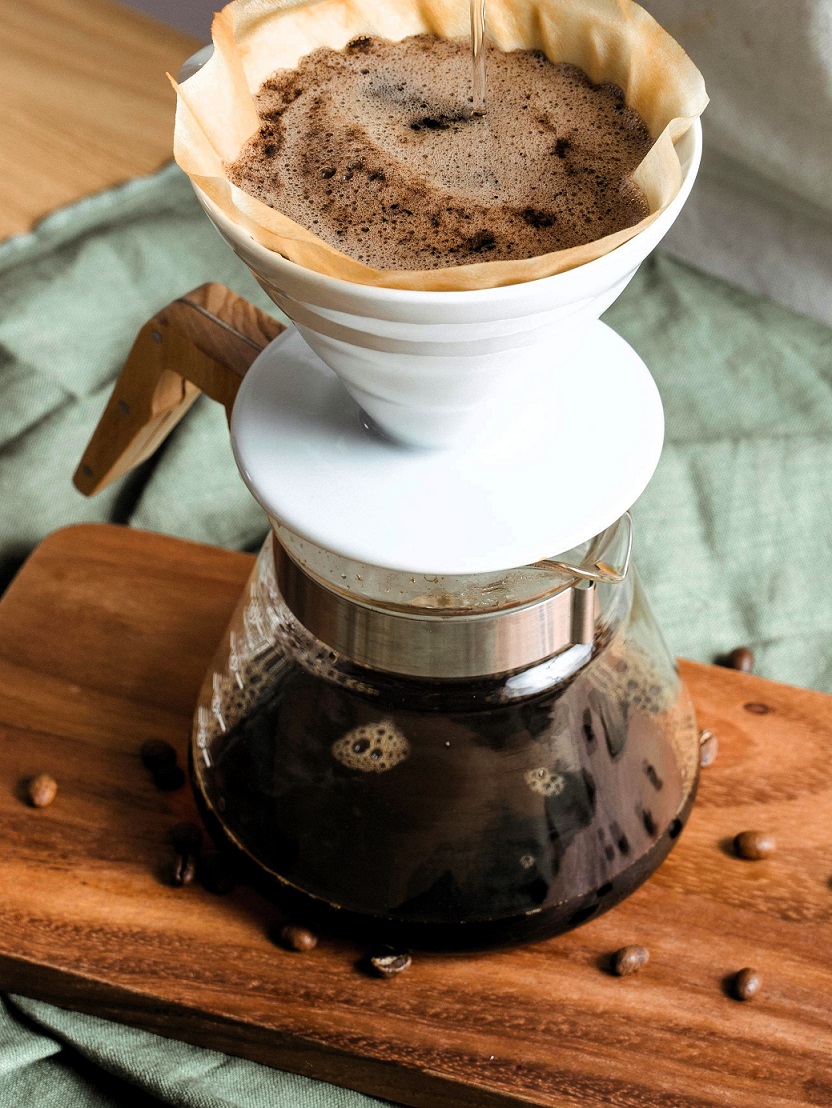
- Start timer and bloom: Pour 30–40 g hot water (195–205°F / 90–96°C) to wet grounds. Wait 30–45 seconds.
- Pour slowly: Continue in steady circles until you reach 225 g water at 2:15–2:30 minutes.
- Let drawdown finish: It should finish around 2:30–3:00 minutes. Remove filter and serve.
Tips from practice: Pour gently near the center at first. Avoid blasting the bed with water. Slow, controlled pours encourage even extraction.
Pour technique and timing details
Pouring shapes flavor. Small, steady pours keep extraction even. Use a gooseneck kettle and pour in concentric circles. Stop pouring once target weight is reached. Aim for a total brew time of 2:30 to 3:30 minutes depending on grind.
If extraction is uneven, try a short swirl of the server or a gentle tap to settle grounds before pouring. These small moves can correct channelling.
Cleaning and care for cloth filters
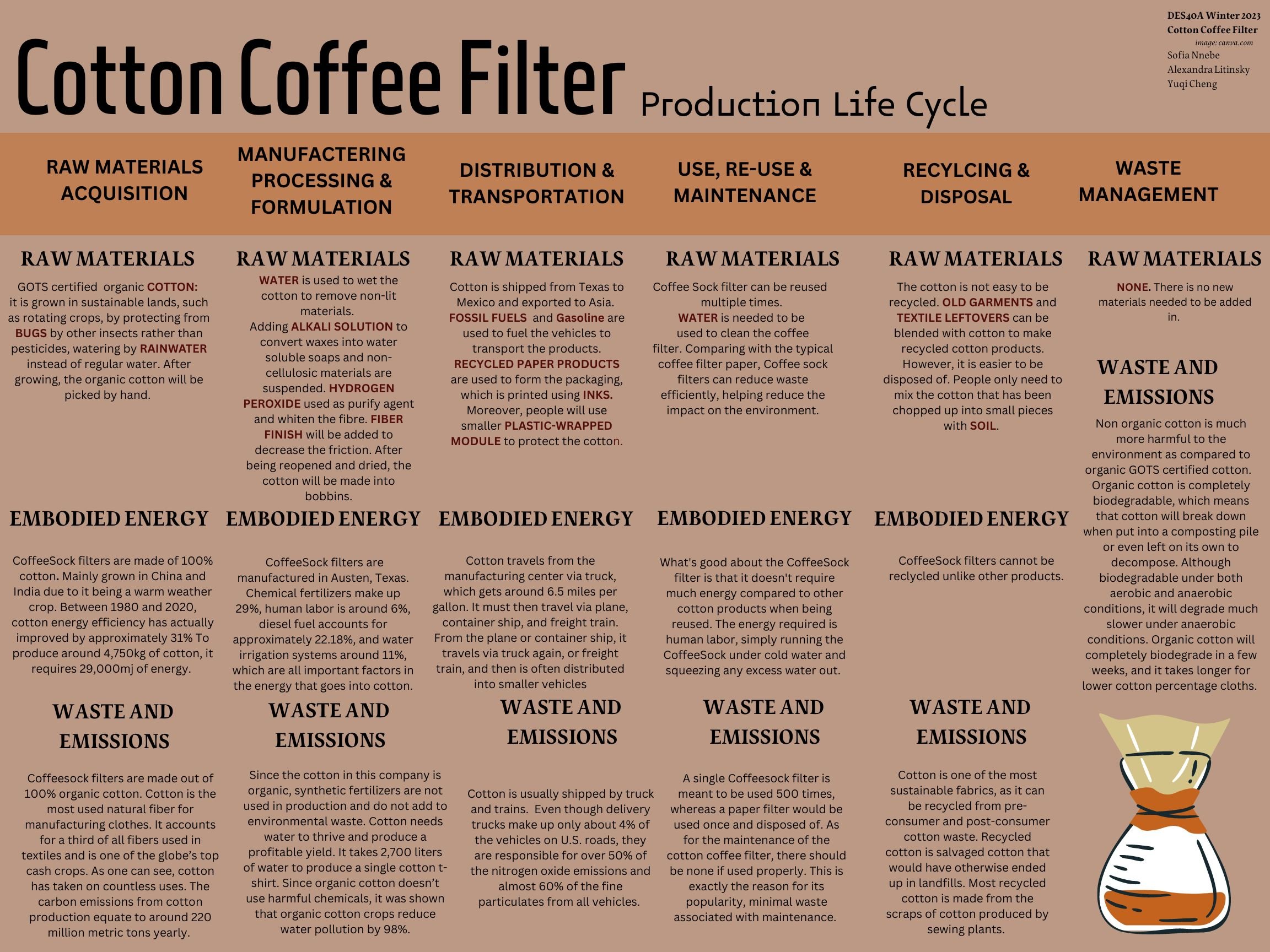
Cloth filters last but require care. Rinse the filter immediately after use until water runs clear. Do not use soap often; it can leave flavors. For deep cleaning, boil the filter in plain water for 5–10 minutes to remove oils. Air dry completely before storing to prevent mold.
Replace cloth after several months of daily use or when fibers degrade. Keep one or two backups to rotate. My routine: rinse daily, boil weekly, replace every 3–6 months.
Variations and recipes to try
Try small changes to find your favorite cup.
- Strong morning cup: 18 g coffee to 270 g water (1:15) with 1:30 to 2:30 minute brew.
- Lighter tasting: 14 g coffee to 240 g water (1:17) with slightly coarser grind.
- Cold brew-style: Soak cloth filter with 200 g cold water, steep 12 hours, then let draw into carafe.
Cultural note: In some countries, cloth filters are paired with dark roasts and longer extraction. Adjust to fit your beans.

Troubleshooting: common problems and fixes
Short answers to typical issues.
- Sour or under-extracted: Grind finer, increase brew time, slightly hotter water.
- Bitter or over-extracted: Grind coarser, reduce brew time, pour slower.
- Slow drawdown: Check for fine grind or clogged cloth; rinse and agitate.
- Musty or off flavors: Deep-clean the cloth by boiling and replace if smells persist.
From my tests, most errors come from grind mismatch or uneven pouring. Fix those first.
PAA-style questions (People also ask)
How long should a cloth filter brew take?
Brew time usually ranges 2:30 to 3:30 minutes. Adjust grind and pour to hit that window for balanced extraction.
Can I use any cloth for the filter?
Use tightly woven, food-safe cotton made for coffee. Avoid scented or treated fabrics to prevent off flavors.
Is cloth filtration healthier than paper?
Cloth removes most solids but leaves natural oils, which some people prefer for flavor. Health claims are minor and depend on diet.
Frequently Asked Questions of how to make coffee using cloth filter traditional method
What grind size is best for a cloth filter?
Use a medium-fine grind, a touch coarser than espresso. Adjust until brew time and taste are balanced.
How do I stop my cloth filter from tasting like fabric?
Rinse well with hot water and boil occasionally to remove oils. Replace the cloth if the smell persists.
What coffee-to-water ratio should I use?
Start with 1:15 (for example 15 g coffee to 225 g water). Modify to taste between 1:14 and 1:17.
How often should I replace a cloth filter?
Replace every 3–6 months with daily use, or sooner if fibers break down or odor remains after cleaning.
Can I use pre-ground coffee with a cloth filter?
Yes, but fresh-ground coffee yields better flavor. If using pre-ground, match grind size to medium-fine and use quickly after opening.
Conclusion
Mastering how to make coffee using cloth filter traditional method gives you a smooth, nuanced cup and a ritual you can enjoy daily. Start with the simple recipe and tools here, tune grind and ratios, and keep the cloth clean. Try small tweaks, keep notes, and make the method your own. Share your results, ask questions, or subscribe for more brewing guides and tips.

Liora Pennings is a seasoned chef and kitchen enthusiast with a passion for turning everyday cooking into an effortless experience. With years of hands-on culinary expertise, she specializes in practical techniques, ingredient know-how, and smart kitchen solutions that help home cooks elevate their meals. At KitchFlair.com, Liora shares her best tips, time-saving tricks, and honest product reviews to guide readers toward a more efficient, enjoyable, and inspired cooking routine. Whether you’re a beginner or a seasoned home chef, Liora’s friendly, knowledge-packed insights make every visit to the kitchen a little easier—and a lot more delicious.