How To Fix Vacuum Cleaner Strong Smell After Cleaning: Tips
Clean and deodorize the canister, filters, hose, and brush roll; use baking soda or charcoal to neutralize odors.
I’ve fixed dozens of foul-smelling vacuums in my work as a home appliance tech and writer. This guide shows exactly how to fix vacuum cleaner strong smell after cleaning, step by step, with clear causes, safe fixes, DIY odor neutralizers, and prevention tips. Read on to learn practical, tested methods that quickly remove odors and keep your vacuum smelling fresh.
Why a vacuum smells after cleaning
A clean vacuum should not smell bad. When it does, the smell usually comes from trapped debris, moisture, or damaged parts. Common causes include:
- Dirty or wet filters trapping bacteria and mildew.
- Damp dust or pet hair left in the canister or bag.
- Mold or mildew inside the hose or hard-to-reach crevices.
- Food, spilled liquids, or sticky residues on the brush roll or inside the canister.
- Burnt or chemical smells from worn belts or motor strain.
- Cleaning agents that leave strong fragrances or residues.
Understanding the cause helps you choose the right fix. Often the smell is simple to remove with cleaning and drying. In a few cases, a part swap or professional repair is needed.

Step-by-step: how to fix vacuum cleaner strong smell after cleaning
Follow these steps in order. Work in a well-ventilated area and unplug the vacuum before you start.
- Empty and inspect the canister or bag
- Empty the dirt canister outdoors or into a tightly sealed trash bag.
- Wipe the inside with warm, soapy water and a soft cloth. Rinse and dry fully.
- If you use bags, replace the bag and check the bag compartment for hidden debris.
- Clean and dry filters
- Remove HEPA and foam filters. Tap them gently outdoors to remove loose dust.
- Wash washable filters with lukewarm water until it runs clear. Squeeze gently; do not wring.
- Air-dry filters completely for 24–48 hours before reinstalling. A damp filter makes bad smells worse.
- Clear the hose and attachments
- Detach the hose and run a wet/dry cloth through it. For long hoses, use a broom handle wrapped with cloth.
- Rinse the hose interior if removable, then hang to dry. Moisture inside a hose breeds mildew.
- Deep-clean brush roll and head
- Remove hair, strings, and gunk from the brush roll. Use scissors to cut tangled fibers.
- Clean the brush housing with soapy water or a disinfectant wipe. Dry fully before reassembly.
- Neutralize odors
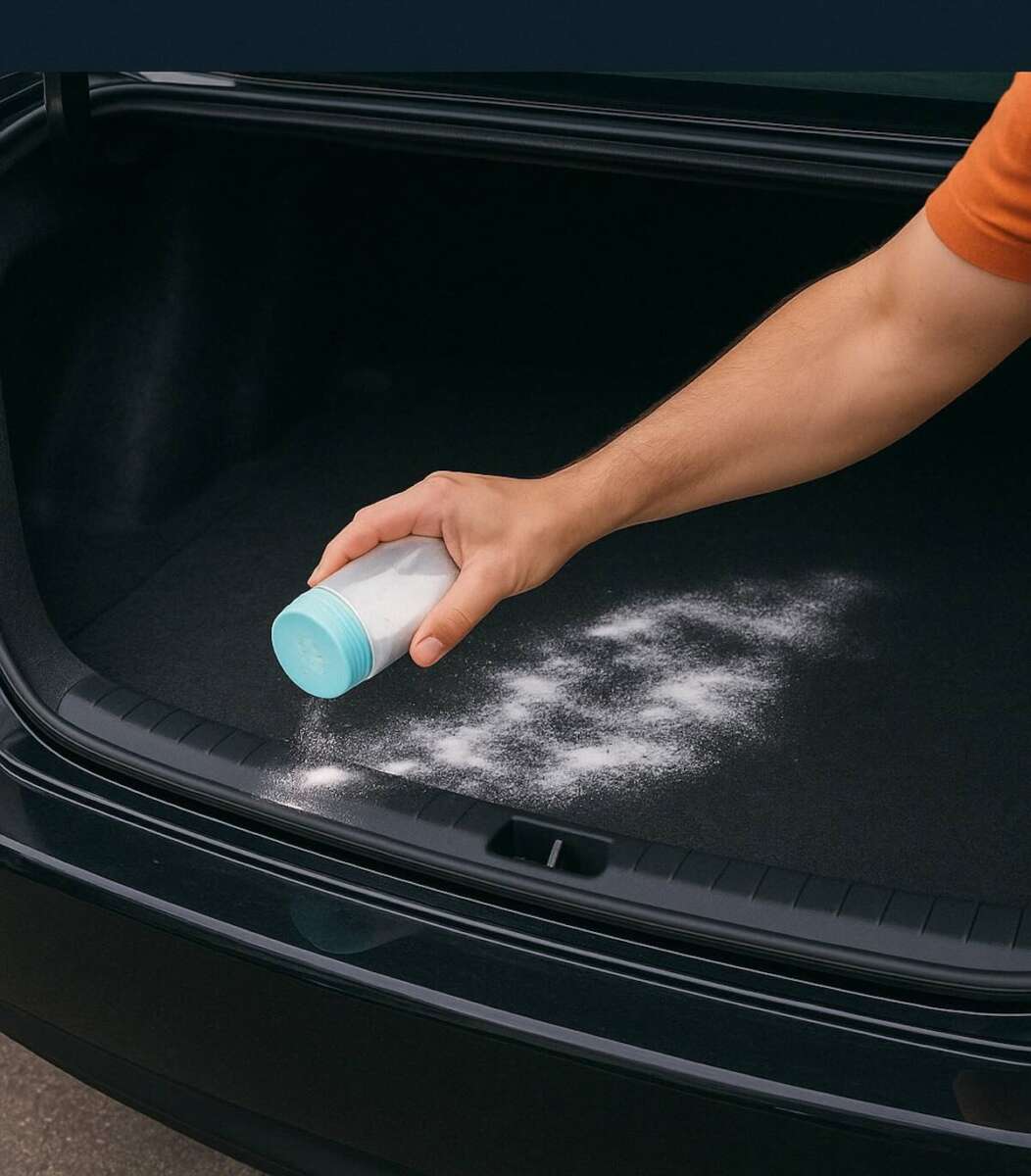
- Sprinkle baking soda in the canister, let sit for a few hours, then vacuum it up.
- Use activated charcoal or odor-absorbing packets in storage to keep smells from returning.
- Check belts, motor, and seals
- Inspect the belt for burn marks or a glazed look; replace if worn. A burning rubber smell points to the belt or motor.
- Smells from the motor may signal overheating or dust buildup; follow manufacturer guidance or call a pro.
- Reassemble and test
- Reinstall dry filters and parts. Run the vacuum in a ventilated area for a few minutes to check for lingering odors.
- If smell persists, repeat spot cleaning or consider professional service.
Following these steps covers the most common scenarios for how to fix vacuum cleaner strong smell after cleaning. If a specific area keeps smelling, focus your cleaning effort there first.

Deep-cleaning guide for key parts
Detailed care for each component prevents trapped odors and extends the machine’s life.
Filters
- Types: washable foam, HEPA, and disposable paper bags.
- Washable filters: rinse until clear, air-dry fully. Do not use heat.
- Disposable filters: replace per manufacturer schedule. A clogged filter smells and reduces suction.
Canister and dustbin
- Remove and hand-wash with mild dish soap.
- Use a toothbrush for crevices and a microfiber cloth to dry.
- Leave open to air-dry completely before reassembly.
Hose and wand
- Run warm water through if detachable and fully dry.
- For non-detachable hoses, push a damp cloth through and then a dry one.
- Store with hose off or in a way that allows airflow.
Brush roll and baseplate
- Remove hair and tape. Use a seam ripper or scissors carefully.
- Clean bearings and end caps; lubricate lightly if recommended by the maker.
Motor chamber and belts
- Do not flood motor parts with water. Use compressed air or a soft brush to clear dust.
- Replace belts that show cracking or burning. A faulty belt often creates a rubber or burning smell.
This focused cleaning addresses most smells and prevents recurrence. Replace parts when cleaning no longer helps.

Natural remedies and odor neutralizers
Safe, low-cost solutions work well for most household odors.
- Baking soda: Sprinkle in the canister or on carpet, let sit several hours, then vacuum. It neutralizes many odors.
- White vinegar: Wipe components with a 1:1 vinegar-water mix, then rinse and dry. Vinegar cuts grease and mold odors.
- Activated charcoal: Place a small bag in storage near the vacuum to absorb lingering smells.
- Sunlight and airflow: Leave removable parts in the sun for a few hours to kill mildew and freshen parts.
- Essential oil caution: A drop on a cloth in the dustbin can add a scent, but avoid spraying oils into filters or motor areas.
Use these remedies after proper cleaning. They help with odors from spills, pets, and mild mildew but won’t fix mechanical burning smells.

Preventing future odors
Routine care stops smells before they start. Make these habits part of your cleaning routine.
- Empty the canister after each major cleaning or when two-thirds full.
- Wash or replace washable filters monthly or as recommended.
- Dry parts completely before reassembly. Moisture invites mold.
- Remove hair and debris from the brush after every few uses.
- Run the vacuum outdoors for a minute after cleaning to air out the motor and hoses.
- Store your vacuum in a dry, ventilated space. Avoid damp basements or closets.
- Use odor-absorbing packets or charcoal while storing for long periods.
Small habits cut down on time you spend removing strong smells later.

When to call a professional
Some smells mean it’s time for expert help.
- Persistent rotten or moldy odor after thorough cleaning could indicate hidden contamination inside the motor or sealed cavities.
- A constant burning smell or smoke means stop using the vacuum and schedule a repair. That could be a motor issue or jammed bearings.
- If parts are hard to access or you’re unsure how to open the motor housing safely, a technician can diagnose and repair safely.
When in doubt about the motor or electrical components, get professional help to avoid damage or injury.
Common short questions (PAA-style)
Why does my vacuum smell after cleaning?
Smells often come from moisture, trapped debris, or a dirty filter. Clean and fully dry the canister, filters, and hose to remove odors.
Can baking soda damage my vacuum?
No, used sparingly and vacuumed back up, baking soda is safe and helps neutralize odors. Avoid overfilling filters or bag compartments with powder.

Frequently Asked Questions of how to fix vacuum cleaner strong smell after cleaning
What is the fastest way to remove a bad smell from a vacuum?
Empty the canister, wash and dry washable parts, and replace disposable bags or filters; then run the vacuum outside for a few minutes. This clears trapped dust and lets odors dissipate.
How long should I dry filters before reinstalling?
Air-dry washable filters 24–48 hours or until fully dry to the touch. Installing damp filters risks mildew and returns bad smells.
Will vinegar harm my vacuum parts?
A diluted vinegar solution is safe for most plastic and metal parts, but avoid direct application to motors and electrical parts. Rinse and dry parts after cleaning.
Why do I smell burning after cleaning my vacuum?
A burning smell often signals a worn or slipping belt, jammed brush roll, or motor overheating. Turn off the machine and inspect belts and brush bearings; call a pro if the smell continues.
Can I use scented sprays to mask the vacuum smell?
Scented sprays only mask odors and may coat filters or interior parts. Use odor neutralizers like baking soda or charcoal first, and avoid spraying chemicals inside the vacuum.
Conclusion
You can fix vacuum cleaner strong smell after cleaning by targeting the real cause: trapped debris, moisture, or worn parts. Empty and wash the canister, clean and fully dry filters, clear hoses and brush rolls, and neutralize odors with baking soda or charcoal. If a burning or persistent odor remains, stop use and seek professional repair.
Take action today: follow the step-by-step plan above, add a simple maintenance routine, and your vacuum will stay fresh and efficient. If this guide helped, leave a comment, share your experience, or subscribe for more practical appliance tips.

Liora Pennings is a seasoned chef and kitchen enthusiast with a passion for turning everyday cooking into an effortless experience. With years of hands-on culinary expertise, she specializes in practical techniques, ingredient know-how, and smart kitchen solutions that help home cooks elevate their meals. At KitchFlair.com, Liora shares her best tips, time-saving tricks, and honest product reviews to guide readers toward a more efficient, enjoyable, and inspired cooking routine. Whether you’re a beginner or a seasoned home chef, Liora’s friendly, knowledge-packed insights make every visit to the kitchen a little easier—and a lot more delicious.