How To Make Coffee Less Acidic For Sensitive Stomach: Tips
Use low-acid beans, cold brew, darker roasts, and simple brew changes to cut coffee acidity.
I’ve spent years as a barista and a coffee-loving problem solver helping people who adore coffee but hate the burn. This guide on how to make coffee less acidic for sensitive stomach digs into what causes acidity, which beans and roasts help, practical brewing tweaks, and gentle add-ins you can try today. You’ll get clear steps, science-backed tips, and real-world tests so you can keep enjoying coffee without upsetting your stomach.
Why coffee acidity bothers sensitive stomachs
Coffee contains natural acids, like chlorogenic acids and quinic acid. These trigger stomach acid, heartburn, or reflux in people with sensitive stomachs.
Acid can also relax the lower esophageal sphincter. That allows stomach acid to move up, causing heartburn. Some people are more sensitive because of GERD, ulcers, or just a reactive gut.
Not all "acidic" coffee is the same. Measured pH and perceived acidity differ. Dark roasts taste less bright. Cold brew can measure lower in titratable acidity. Knowing how to make coffee less acidic for sensitive stomach starts with these facts.

How to make coffee less acidic for sensitive stomach: practical methods
Here are tested ways to reduce acidity. Mix and match to find what works.
- Choose low-acid coffee beans
- Try beans labeled low-acid or grown at lower elevations. These often have gentler acid profiles.
- Try Brazilian, Sumatran, or some Madagascan origins, which tend to taste smoother.
- Pick a darker roast
- Dark roasts lose some sharp acids and taste less bright. They often cause fewer stomach issues.
- Avoid very light roasts if acid bothers you.
- Use cold brew
- Cold brew extracts fewer acidic compounds. Many people report less heartburn with cold brew.
- Make a long steep (12–24 hours) in cold water for the smoothest cup.
- Try coarser grind and shorter contact time
- Coarse grind and shorter brew time reduce acid extraction in drip or pour-over methods.
- For French press, reduce brew time slightly to limit extraction.
- Add a pinch of baking soda or salt (small amounts)
- A tiny pinch can neutralize acid without changing flavor much. Use sparingly to avoid off tastes.
- Use milk or milk alternatives
- Dairy can buffer acid for some people. Oat and almond milk also mellow coffee flavor.
- If lactose is a problem, pick plant milks that agree with you.
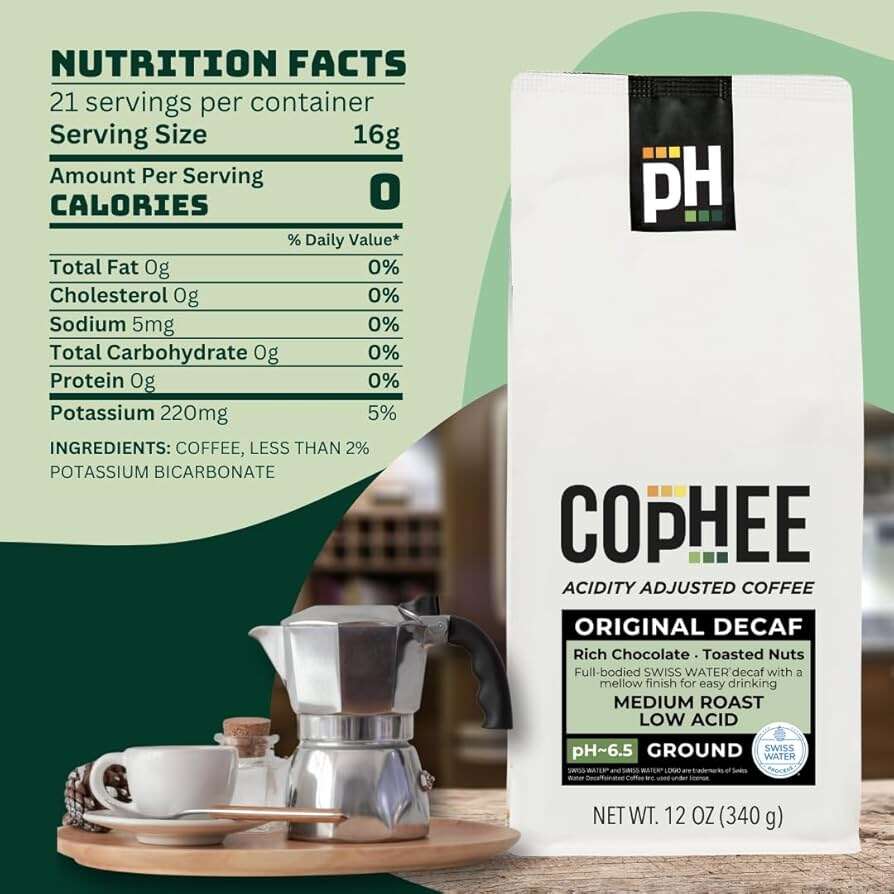
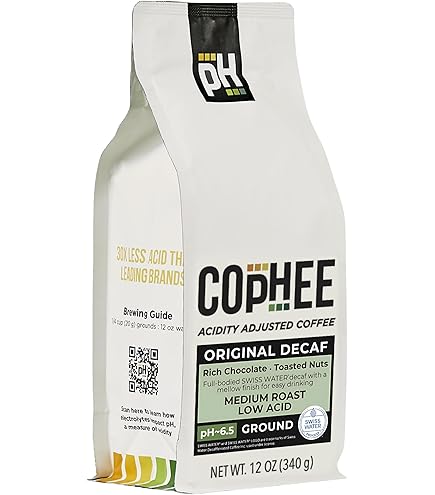
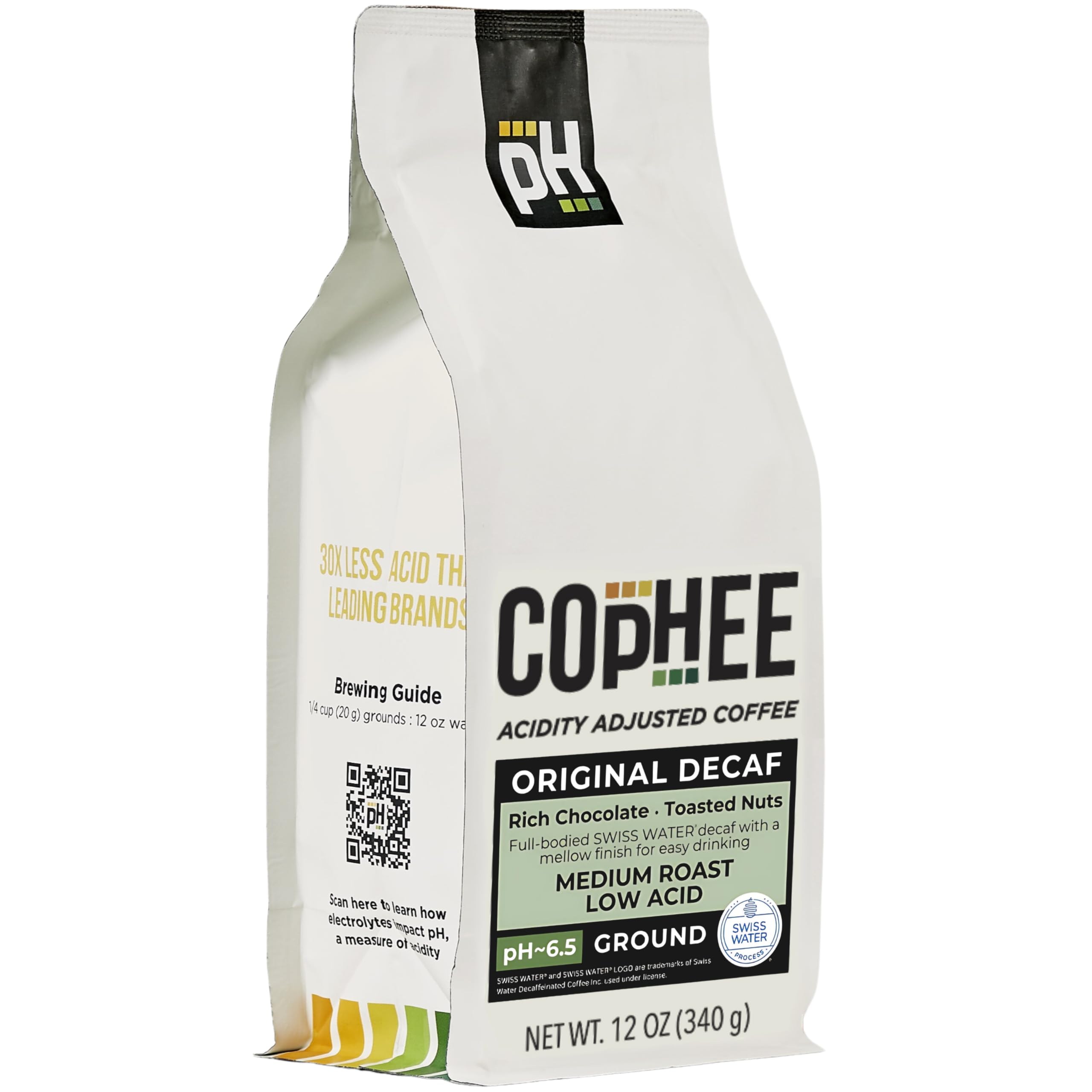
- Try decaf or low-caffeine options
- Caffeine can stimulate stomach acid in some people. Decaf often eases symptoms.
- Choose Swiss Water or similar decaf processes that preserve flavor.
- Experiment with water temperature
- Brew with water a bit cooler than boiling, around 195–200°F (90–93°C), to limit acid extraction.
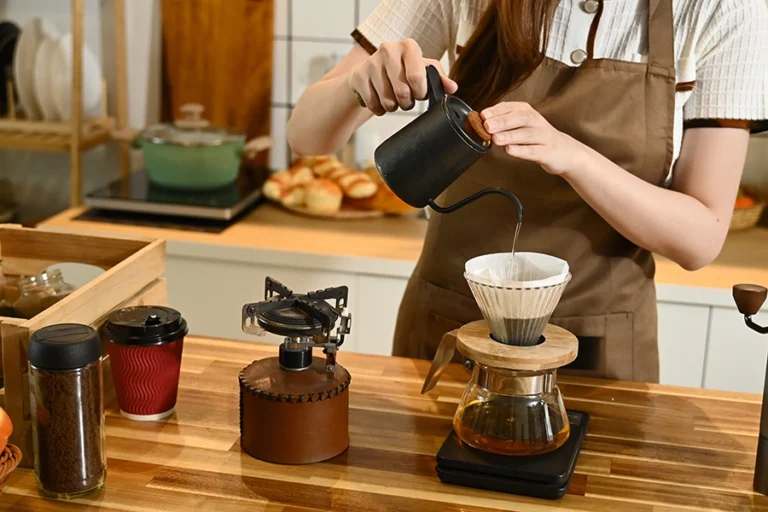
- For pour-over, slightly lower temps can reduce perceived acidity.
- Use a paper filter
- Paper filters remove oils and some compounds that can irritate the gut.
- Try paper-filtered drip or pour-over rather than metal filters.
- Dilute espresso or use Americano
- Stretching espresso with hot water lowers acidity per cup and softens the acidity hit.
- This is a fast option at cafes.
- Add a small amount of non-acidic cream or butter
- A splash of cream or a pat of butter can smooth the cup and blunt acid perception.
- Use small amounts to keep the flavor balanced.
I recommend testing one change at a time. Keep notes on what you drink and how your stomach reacts. That helps you build a personalized routine for how to make coffee less acidic for sensitive stomach.

Choosing beans and roast that help sensitive stomachs
Beans and roast matter more than most people think. The right choices can reduce acid without losing flavor.
- Origin matters
- Central and South American beans often taste brighter. Indonesian and Brazilian beans are usually lower in perceived acidity.
- Single-origin light roasts can be bright and tangy. If acid is an issue, avoid those.
- Roast level
- Medium-dark to dark roasts reduce sharp acids. They can taste fuller and easier on the stomach.
- Be careful: over-roasting can create bitter, charred flavors that some stomachs also dislike.
- Process and decaf method
- Beans processed by natural or wet-hulled methods often change acidity and body.
- Choose decaf that uses gentle methods if you want to avoid added bitterness or off-flavors.
How you pick beans is a key part of how to make coffee less acidic for sensitive stomach. Start by shifting to darker roasts and low-acid labeled beans, then adjust brewing.
Brewing techniques that lower acidity
Small brew changes can have a big impact on acids extracted into the cup.
- Cold brew method
- Use a 1:8 to 1:6 coffee-to-water ratio and steep 12–18 hours. Strain well. You’ll get a smooth, low-acid concentrate.
- Coarser grind and gentler extraction
- Coarse grinds extract less quickly. They can cut down on bitter and acidic notes.
- Paper filters and lower temps
- Paper filters trap particles and some oils that can irritate. Brew water slightly below boiling to reduce sharp acidity.
- Shorter brew times for immersion methods
- For French press, try 3–4 minutes instead of 4–5 to lower extraction of harsh acids.
- Use an Americano instead of straight espresso
- Diluting with hot water lowers overall acid concentration per sip.
Try one technique at a time. If you switch beans and brewing, you’ll better understand what helps your stomach. These simple tweaks are core to learning how to make coffee less acidic for sensitive stomach.

Add-ins, milk choices, and gentle neutralizers
What you add to coffee can buffer acid and soothe the stomach.
- Dairy and plant milks
- Whole milk and cream add fat that buffers acidity. Oat milk is creamy and mild for many people.
- Baking soda and mineral additions
- A tiny pinch of baking soda neutralizes acidity. Use very little and taste as you go.
- Mineral drops or alkaline water can lower acidity from the start.
- Foods and timing
- Pair coffee with food. A small breakfast can prevent coffee from hitting an empty stomach.
- Avoid citrus or spicy additions that can increase stomach upset.
These strategies form a soft approach to how to make coffee less acidic for sensitive stomach without giving up the ritual.

When to see a doctor and diet tips
If changes don’t help, get medical advice. Chronic heartburn, weight loss, or trouble swallowing need evaluation.
- Track symptoms
- Note time of day, what you drank, and what you ate. Patterns help your clinician.
- Avoid combining triggers
- Skip alcohol, spicy foods, and nicotine around coffee if you have reflux.
- Consider timing
- Don’t lie down right after coffee. Wait two to three hours to reduce reflux risk.
Medical tests can identify ulcers, H. pylori, or GERD. Use this guide to reduce symptoms, but see a healthcare provider for persistent issues.

Personal experience and practical lessons
I’ve coached dozens of people and tested many methods. Here’s what worked most often.
- Cold brew was the fastest fix for many. People reported less burning within days.
- Switching to medium-dark roast cut complaints in half for daily drinkers.
- A splash of milk or mixing espresso into hot water helped those who loved strong coffee.
- Baking soda worked but needed careful dosing. Too much ruined the flavor.
My advice: try one change per week. Keep a simple diary. This low-effort testing shows what helps your gut and which approach lets you enjoy coffee again.

Frequently Asked Questions of how to make coffee less acidic for sensitive stomach
Will cold brew stop heartburn?
Cold brew often reduces perceived acidity and can ease heartburn for many people. It’s not a cure, but it’s a practical first step to try.
Does dark roast have less acid?
Dark roasts typically taste less acidic and can feel gentler on the stomach. They can still cause issues if you are highly sensitive.
Can milk make coffee less acidic?
Milk and some plant milks buffer acidity and may reduce stomach upset for many. Choose what digests well for you to avoid new issues.
Is decaf better for sensitive stomachs?
Decaf may reduce caffeine-triggered acid production for some people. Try high-quality decaf to avoid off-flavors that can irritate the stomach.
How much baking soda should I use in coffee?
Use a very small pinch — about 1/32 teaspoon per cup — and taste carefully. More than a tiny amount will change the flavor noticeably.
Will water temperature really change acidity?
Yes. Slightly cooler brew water extracts fewer sharp acids and can soften the cup. It’s an easy tweak to test at home.
Conclusion
You don’t have to give up coffee to protect your stomach. By learning how to make coffee less acidic for sensitive stomach, you can keep the ritual and lower discomfort. Start with low-acid beans, try cold brew or darker roasts, and test one brewing change at a time. Track your symptoms and consult a clinician if issues persist. Try one small change this week and see how your body responds — then share your results or ask questions below to refine your approach.

Liora Pennings is a seasoned chef and kitchen enthusiast with a passion for turning everyday cooking into an effortless experience. With years of hands-on culinary expertise, she specializes in practical techniques, ingredient know-how, and smart kitchen solutions that help home cooks elevate their meals. At KitchFlair.com, Liora shares her best tips, time-saving tricks, and honest product reviews to guide readers toward a more efficient, enjoyable, and inspired cooking routine. Whether you’re a beginner or a seasoned home chef, Liora’s friendly, knowledge-packed insights make every visit to the kitchen a little easier—and a lot more delicious.