How To Fix Coffee Maker Not Extracting Flavor Properly: Fix
Clean the machine, use the right grind and dose, and descale regularly to restore true flavor.
I’ve spent years troubleshooting coffee makers for friends and clients, and I know exactly how to fix coffee maker not extracting flavor properly. This guide walks through causes, clear fixes, and simple routines you can use today to get the rich cup you expect. You’ll find step-by-step actions, quick tests, and practical tips drawn from hands-on experience so you can diagnose and repair extraction issues without guesswork.
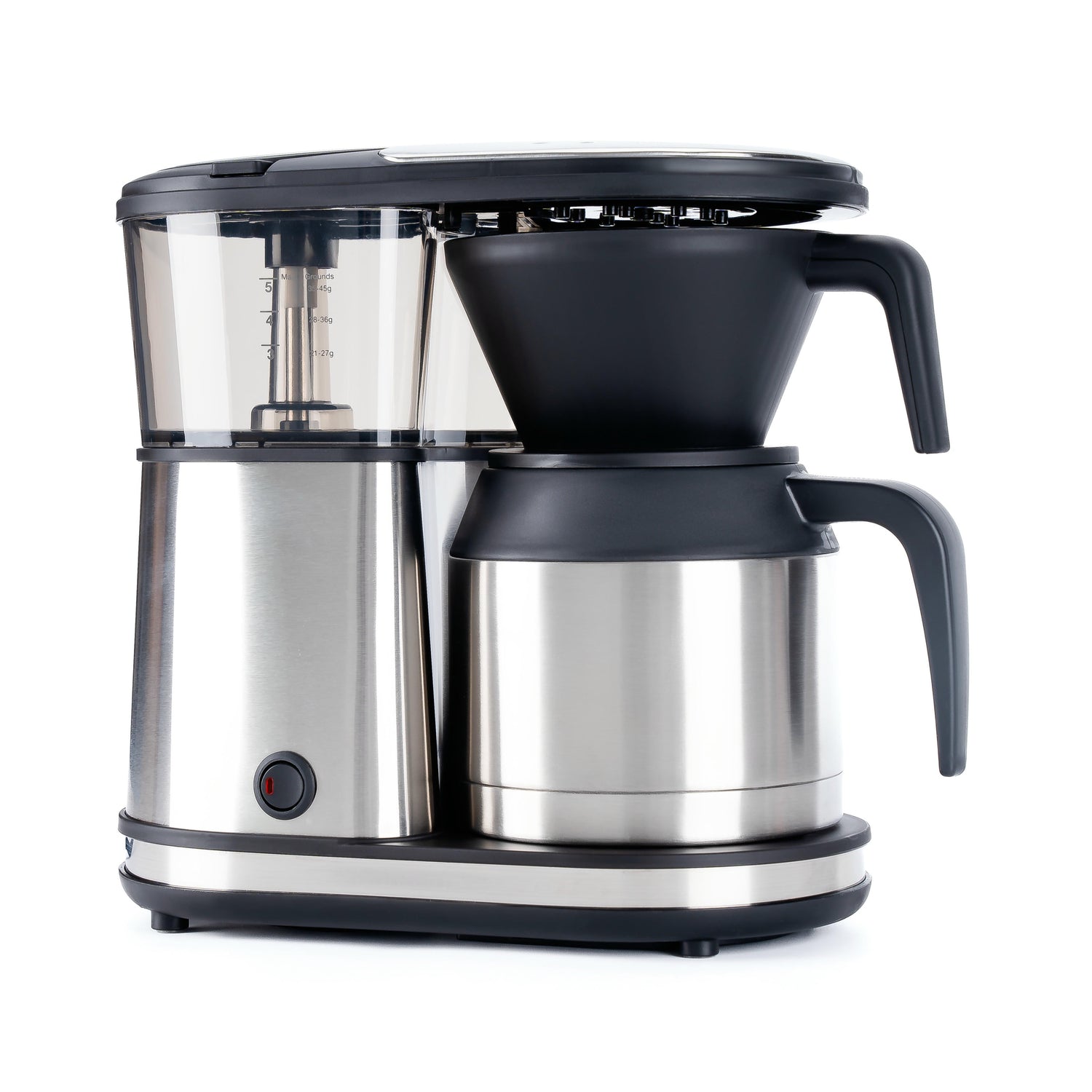
Why your coffee maker is not extracting flavor properly
Many things can rob your brew of flavor. Common culprits include old beans, clogged filters or lines, the wrong grind size, poor water quality, and too-low brew temperature. Mechanical problems, like a failing pump or scale buildup, also reduce extraction.
Understanding these causes helps you see why a cup tastes weak or flat. When you learn how to fix coffee maker not extracting flavor properly, you stop guessing and start troubleshooting with purpose. Below I break down each cause and show clear fixes to restore flavor.
Step-by-step fixes you can try today
Follow these steps in order. Each one is quick and cheap to try. If one step solves it, you may not need the rest.
-
Check your beans and roast
- Use fresh, recently roasted whole beans. Grind right before brewing when possible.
- Old or stale beans lose oils and aroma. Switching beans often fixes weak extraction fast.
-
Confirm grind size and consistency
- For drip machines, use a medium grind; for espresso-style or Moka pots, use fine.
- A grind that’s too coarse causes under-extraction and thin coffee. Invest in a basic burr grinder for consistency.
-
Measure coffee and water precisely
- Use a scale or clear scoop. Start with a 1:15 to 1:17 coffee-to-water ratio by weight.
- Too little coffee or too much water dilutes flavor. Adjust the ratio in small steps.
-
Clean and descale the machine
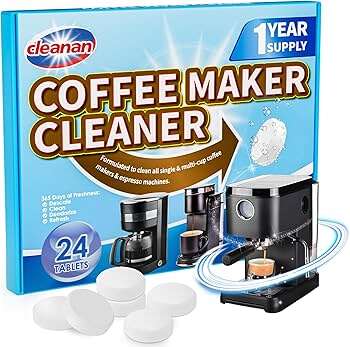
- Run a cleaning cycle with a manufacturer-safe descaler or a 1:1 white vinegar and water mix, then rinse thoroughly.
- Scale clogs brew paths and lowers temperature. Regular descaling restores flow and heat, which improves extraction.
-
Check brew temperature and time
- Ideal extraction uses water between 195°F and 205°F (90°C–96°C). If your machine never gets there, extraction will be weak.
- For drip machines, ensure brew time is long enough for full contact with grounds—usually several minutes.
-
Inspect filters, spray head, and shower screen
- Remove and rinse reusable filters. Clean the spray head and shower screen of trapped coffee oil and grounds.
- Blocked water distribution leads to uneven extraction and muted flavor.
-
Test water quality and mineral balance
- Use filtered water with balanced minerals. Pure distilled water can taste flat; very hard water creates scale.
- If your tap water is poor, try a filtered or bottled option to see if flavor improves.
-
Try a fresh brewing method test
- Brew the same coffee in a French press or pour-over. If those taste rich while your machine’s coffee is weak, the machine is the issue.
- This comparison narrows down whether beans or equipment are the problem.
I use this exact checklist when fixing a client’s machine. Most issues solve at steps 2 to 4. Small adjustments add up fast.

Grind, dose, and water: the extraction triangle
Extraction depends on three linked variables: grind size, dose (amount of coffee), and water contact time and temp. Change one and you affect the others.
-
Grind size
- Medium grind for standard drip machines. Coarser for longer contact times, finer for shorter times.
- Inconsistent grind causes uneven extraction and bitter or sour notes.
-
Dose and ratio
- Aim for 1 gram coffee to 15–17 grams water to start. Adjust by taste.
- More coffee per water intensifies flavor without changing grind.
-
Water quality and temperature
- Use water that tastes good on its own. Mineral content helps extraction.
- If your machine can’t heat to the right range, extraction will suffer even with correct grind and dose.
People also ask
Why does my coffee taste weak even with fresh beans?
Weak taste often means under-extraction from coarse grind, too-low water temp, or the wrong coffee-to-water ratio. Try a finer grind, hotter water, or a bit more coffee.
Can scale buildup cause weak coffee?
Yes. Scale restricts water flow and lowers brew temperature, which reduces extraction. Descaling usually improves flavor quickly.
Will changing grind fix extraction issues?
Often yes. Small grind changes change surface area and extraction speed and can fix both sour and bitter flavors.
Maintenance routine to keep flavor consistent
A simple schedule prevents most extraction problems. I follow this routine for my home machine and advise clients to do the same.
-
Daily
- Empty used grounds and rinse filter basket. Wipe the carafe and hot plate.
-
Weekly
- Wash removable parts in warm soapy water. Flush the machine with plain water to rinse oils.
-
Monthly
- Descale if you use hard water. Run a cleaning cycle with a recommended descaler.
-
Quarterly or as-needed
- Replace water filters and inspect valves, seals, and gaskets for wear.
Regular maintenance keeps extraction reliable. I’ve seen machines go from bland to vibrant with a single deep clean.

When to replace parts or call a pro
Not all problems are DIY. Look for these signs:
- The machine does not pump water or makes strange noises.
- Brew temperature stays low despite cleaning.
- Persistent clogs after descaling or leaks from seals.
If you see electrical faults, repeated failures, or worn mechanical parts, contact a repair technician or the manufacturer. Replacing a cheap machine is often cheaper than major repairs on older models. I once replaced a failing pump for a client and recommended upgrading when the repair cost approached half the price of a new unit.

Frequently Asked Questions of how to fix coffee maker not extracting flavor properly
What is the fastest way to improve extraction?
Clean the machine, use fresh beans, and check grind size. These three fixes quickly address most flavor problems.
How often should I descale to restore flavor?
Descale every 1–3 months depending on water hardness and use. Heavy mineral content means more frequent descaling.
Can I fix temperature issues myself?
You can try cleaning and descaling first, as scale often causes low temperature. If heat remains low, a professional check is the next step.
Does water type really affect extraction?
Yes. Water with the right mineral balance extracts flavor best. Filtered water is a good middle ground for home brewers.
Will switching grinders help?
Yes. A burr grinder gives consistent particles and better extraction than a blade grinder. Good grind consistency often transforms cup quality.
Conclusion
Fixing weak coffee is mostly about three things: clean equipment, correct grind and dose, and proper water and temperature. Apply the step-by-step checklist, set a simple maintenance routine, and test with a different brew method to isolate the issue. Try one change at a time, and you’ll quickly learn what improves your cup.
Take action today: clean your machine, measure your dose, and grind fresh. If this guide helped, subscribe for more practical coffee tips or leave a comment with your machine model and symptoms so I can help troubleshoot further.

Liora Pennings is a seasoned chef and kitchen enthusiast with a passion for turning everyday cooking into an effortless experience. With years of hands-on culinary expertise, she specializes in practical techniques, ingredient know-how, and smart kitchen solutions that help home cooks elevate their meals. At KitchFlair.com, Liora shares her best tips, time-saving tricks, and honest product reviews to guide readers toward a more efficient, enjoyable, and inspired cooking routine. Whether you’re a beginner or a seasoned home chef, Liora’s friendly, knowledge-packed insights make every visit to the kitchen a little easier—and a lot more delicious.