How To Choose Vacuum Cleaner Motor For Replacement: Tips
Choose a motor that matches your vacuum's voltage, size, airflow (CFM), and mounting style for reliable replacement.
I’ve spent years repairing vacuums and replacing motors for homes and small businesses. This guide shows you exactly how to choose vacuum cleaner motor for replacement with clear steps, practical checks, and real-world tips. I’ll walk you through specs, compatibility checks, types of motors, cost tradeoffs, and installation basics so you can make a confident, lasting choice.
Why replace the motor and when it makes sense
A failing motor is the most common reason a vacuum stops pulling. Motors wear out, overheat, or suffer electrical faults. Replacing the motor can restore suction and extend the life of a well-made vacuum.
Many people wonder whether to replace the motor or buy a new vacuum. If the vacuum is high-quality and the cost of a motor plus labor is less than half the price of a new unit, replacement often wins. If the model is cheap or parts are hard to find, a new vacuum may be smarter.

Key factors to consider when deciding how to choose vacuum cleaner motor for replacement
Choosing the right motor requires attention to specs and fit. Treat the motor like a heart. It must match the body and electrical system. Below are the key factors to check.
- Power rating and suction metrics
- Look for wattage and amperage. Compare CFM (cubic feet per minute) and sealed suction values if available.
- Voltage and frequency
- Match voltage (110–120V or 220–240V) and frequency (50/60Hz). Mismatches can damage the motor.
- Physical size and mounting
- Note the motor diameter, length, and mounting flange or plate. The motor must fit the housing.
- Shaft type and fan orientation
- Check shaft diameter, keyways, and which side the fan sits on. Direction of airflow is critical.
- Motor type: universal, induction, or brushless
- Each has pros and cons for life span, noise, and repairability.
- Thermal protection and bearings
- Motors with thermal cutouts or sealed bearings last longer and require less maintenance.
- Wiring and connector compatibility
- Ensure connectors match or can be safely adapted. Keep polarity and grounding intact.
- Noise and efficiency
- Higher RPM motors can be noisy. Consider energy-efficient designs for long-term cost savings.
How to choose vacuum cleaner motor for replacement depends on combining these checks. Match tech specs, then confirm fit and wiring. If you skip one check, the motor may not run or could fail quickly.

Types of vacuum motors and how they affect your choice
Knowing motor types helps you pick the best replacement. Each motor type behaves differently in real use.
- Universal motors
- High RPM, good suction, and compact. They use brushes and are common in portable vacuums.
- Induction motors
- Quiet and durable. They are heavier and used in full-size and commercial units.
- Brushless DC motors
- Efficient, long life, and low maintenance. Common in modern cordless vacuums.
- Single-stage vs. two-stage motors
- Two-stage motors deliver stronger suction for heavy-duty cleaning. Single-stage suits general home use.
When you ask how to choose vacuum cleaner motor for replacement, pick the type that matches the original and your cleaning needs. For lightweight home use, a universal motor often works. For commercial cleaning, choose a robust induction or two-stage motor.

Matching specs: power, RPM, airflow, and electrical ratings
Exact numbers matter. Use your vacuum’s label or manual to find the original motor specs.
- Wattage and amperage
- Wattage shows input power. Amperage helps match wiring and fuses.
- RPM and fan design
- RPM influences airflow. Match RPM range and fan blade type to maintain suction.
- Airflow (CFM) and waterlift (sealed suction)
- CFM measures volume of air moved. Waterlift shows vacuum strength. Choose similar values to keep performance consistent.
- Voltage and phase
- Match single-phase or three-phase systems. Never run a 120V motor on 240V supply.
- Thermal protection rating
- Motors with thermal cutouts or built-in reset switches protect against overloads.
How to choose vacuum cleaner motor for replacement means prioritizing airflow and sealed suction above raw wattage. Two motors with the same watts can feel different because of fan design.

Compatibility checks and a measurement checklist
Before you buy, measure and verify. Small mismatches cause big problems.
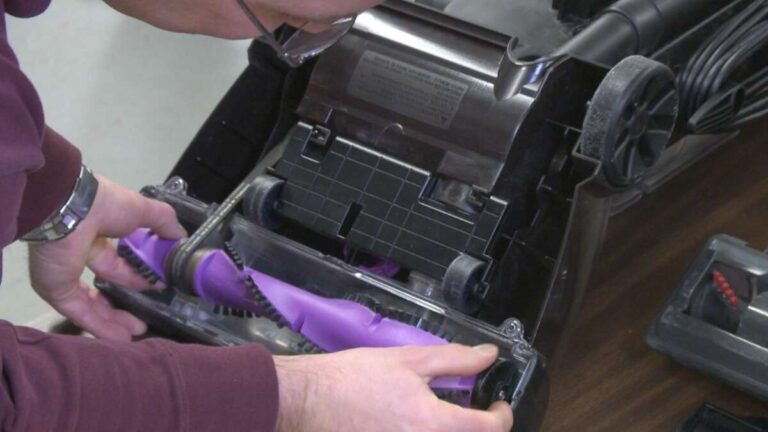
- Remove the old motor and take photos
- Capture wiring, mounting, and airflow paths.
- Measure physical dimensions
- Record motor length, diameter, shaft length, and mount hole spacing.
- Note shaft details
- Measure diameter in mm, check for flats, keys, or threads.
- Record electrical labels
- Write down volts, amps, watts, RPM, and part number.
- Confirm airflow direction
- Mark where air enters and exits on the housing.
- Check available adapters
- Some motors can be fit with custom brackets or adapters if close in size.
I always take at least three photos and a short video when I remove a motor. This saves time and avoids guesswork when ordering a replacement.

Installation, safety, and troubleshooting tips
Install carefully. A poor install can damage a new motor fast.
- Power off and unplug
- Work only with power disconnected.
- Grounding and insulation
- Ensure grounding is intact. Replace frayed wires and insulators.
- Secure mounting
- Tighten mount bolts evenly to avoid vibrations.
- Align the fan and filters
- Misaligned fans reduce airflow and cause noise.
- Test run and monitor
- Run the motor briefly with the vacuum open. Listen and feel for vibrations or hot spots.
- Common troubleshooting signs
- Burning smell: stop immediately. Excessive noise: check mounts and bearings. Low suction: inspect seals and filters.
How to choose vacuum cleaner motor for replacement also includes planning for safe installation. If you’re unsure, consult a repair tech.

Cost, warranty, and when to replace the whole vacuum
Budget matters. Compare costs and long-term value before buying.
- Cost of motor vs. cost of vacuum
- If motor plus labor is less than half the new vacuum price, replacement is often worth it.
- Labor and shipping
- Factor in repair shop time or your own time. Some specialty motors cost more to ship.
- Warranty and return policy
- Prefer motors with a warranty. It reduces long-term risk.
- Availability of parts
- If the vacuum is discontinued, future repairs may be hard.
Deciding how to choose vacuum cleaner motor for replacement is also a value decision. I assess repair cost, vacuum quality, and sentimental value before I commit.

Personal experience, mistakes to avoid, and practical tips
I’ve replaced dozens of motors. Here are lessons I learned the hard way.
- Don’t assume similar shape means compatibility
- I once installed a motor that fit but spun the wrong way. It damaged the fan blades.
- Keep original fasteners and labels
- They help during reassembly and when ordering parts.
- Use pictures and notes
- These saved me time when ordering a hard-to-find part for a vintage vacuum.
- Buy motors from reputable vendors
- Cheap, untested motors often fail early. A modestly priced OEM or well-reviewed aftermarket motor lasts longer.
- Test before final assembly
- Run the motor outside the housing to confirm basic operation.
These tips stem from years of shop work. They will help you avoid common pitfalls when thinking how to choose vacuum cleaner motor for replacement.

Frequently Asked Questions of how to choose vacuum cleaner motor for replacement
What information do I need from my old motor before buying a replacement?
Record voltage, amps, watts, RPM, physical dimensions, shaft diameter, mounting pattern, and airflow direction. Photos of labels and wiring help suppliers match parts.
Can I use a motor with higher wattage for better suction?
Higher wattage can mean more power, but airflow and fan design determine suction. Using a higher-watt motor may also increase heat and noise if the housing isn’t designed for it.
Are universal motors easy to replace myself?
Universal motors are common and often replaceable by hobbyists with basic tools. Make sure you can match the shaft, mounting, and wiring before attempting replacement.
How long should a replacement motor last?
Lifespan depends on motor type and use. Expect 3 to 10 years for most motors with proper care. Brushless and induction motors usually last longer than brushed motors.
What safety checks should I perform after installing a new motor?
Check grounding, insulation, secure mounting, and correct airflow direction. Run the motor briefly and listen for unusual noise or heat.
Conclusion
Choosing the right motor restores performance and extends your vacuum’s life. Match specs, measure carefully, and verify wiring and airflow before you buy. Use photos, labels, and a checklist to avoid mistakes. Take action now: gather your vacuum’s label info and measurements, then compare options with confidence. If you found this helpful, leave a comment or subscribe for more repair guides.

Liora Pennings is a seasoned chef and kitchen enthusiast with a passion for turning everyday cooking into an effortless experience. With years of hands-on culinary expertise, she specializes in practical techniques, ingredient know-how, and smart kitchen solutions that help home cooks elevate their meals. At KitchFlair.com, Liora shares her best tips, time-saving tricks, and honest product reviews to guide readers toward a more efficient, enjoyable, and inspired cooking routine. Whether you’re a beginner or a seasoned home chef, Liora’s friendly, knowledge-packed insights make every visit to the kitchen a little easier—and a lot more delicious.