How To Clean Vacuum Cleaner Cyclone Assembly Correctly: Pro
Clean the cyclone assembly with warm water, a soft brush, and gentle detergent; dry fully.
I’ve cleaned dozens of vacuums and taught repair techs how to clean vacuum cleaner cyclone assembly correctly. This guide lays out clear steps, tools, and safety tips so you can restore suction, reduce odors, and extend your vacuum’s life. Read on for a hands-on, expert method that avoids damage and saves you money.

Why cleaning the cyclone assembly matters
The cyclone assembly separates dust and air. When it clogs, suction drops and motors strain. Cleaning the cyclone assembly restores airflow and reduces wear.
Regular cleaning prevents odors and dust leaks. It also helps sensors and seals work right. If you want reliable performance, learn how to clean vacuum cleaner cyclone assembly correctly and do it regularly.

Tools and supplies you need
Use simple, safe items. Gather them before you start.
- Soft brush, like a toothbrush or small paintbrush
- Microfiber cloths or lint-free rags
- Mild dish soap
- Warm water in a basin
- Compressed air can or low-pressure air compressor (optional)
- Screwdrivers or release tools if your model needs disassembly
- Rubber gloves and eye protection
Having the right tools makes learning how to clean vacuum cleaner cyclone assembly correctly faster and safer. Keep parts organized during disassembly to avoid losing small pieces.
Step-by-step: how to clean vacuum cleaner cyclone assembly correctly
Follow these steps to avoid damage. Work slowly and use light force.
- Prepare and unplug
- Turn off and unplug the vacuum. Remove batteries if cordless. Empty the dust bin first.
- Remove the cyclone module
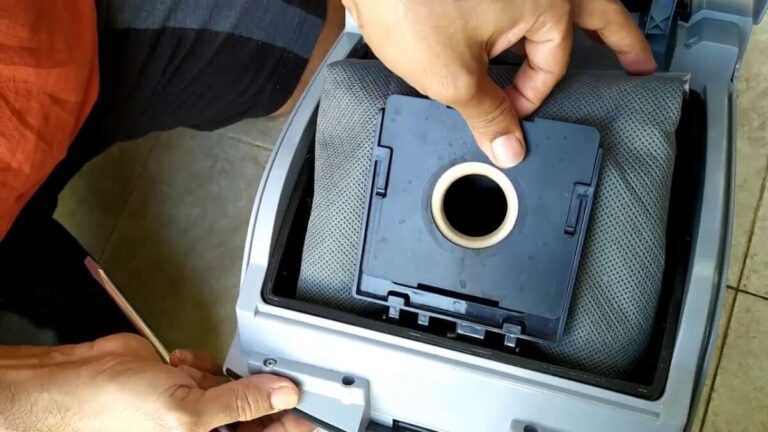
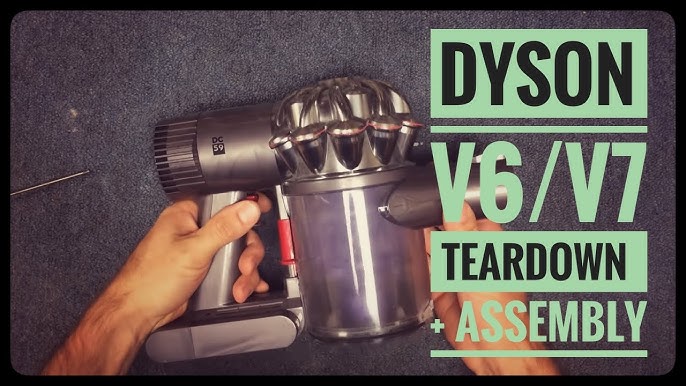
- Follow your manual for safe removal. Press latches or remove screws. Note the part orientation.
- Empty loose debris
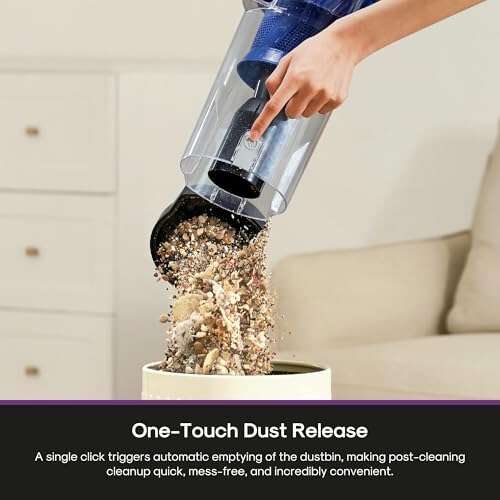
- Tap the cyclone gently over a trash can. Use short bursts of compressed air to dislodge stubborn dust.
- Inspect seals and screens
- Look for cracks, worn gaskets, or torn screens. Replace any damaged parts before reassembly.
- Wash washable parts
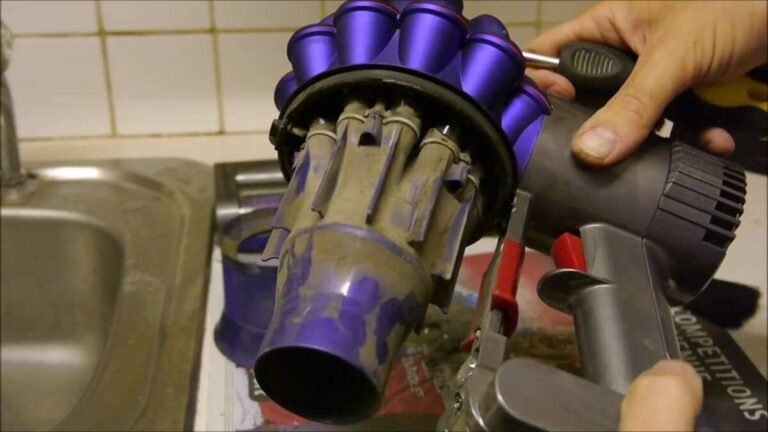
- Rinse plastic cyclone parts in warm, soapy water. Use a soft brush to clean grooves and fins. Do not soak motorized or electronic parts.
- Rinse and dry thoroughly
- Rinse until water runs clear. Shake off excess, then air dry for at least 12 hours. Ensure no moisture remains.
- Reassemble and test
- Reinstall seals and filters. Reattach the cyclone module and run the vacuum briefly to confirm airflow.
When you follow these steps, you’ll know how to clean vacuum cleaner cyclone assembly correctly without voiding warranties or harming components.

Deep cleaning tips and precautions
Some cyclones need extra care. Use these tips when cleaning tight spaces.
- Use a soft toothbrush to reach narrow fins. Brush gently along the airflow path.
- Avoid harsh solvents and alcohol that can warp plastic or damage seals.
- Never run the motor with the cyclone removed. Dust can enter the motor and cause failure.
- For UV or smoke odors, use a mild vinegar rinse on plastic parts, then rinse with water and dry fully.
If your vacuum has a permanent filter or sensor near the cyclone, follow manufacturer instructions. Proper technique ensures you clean the cyclone assembly right and maintain sensor accuracy.

Maintenance schedule and best practices
A routine keeps performance steady. Here’s a simple plan.
- After every use: empty the dust bin if full.
- Every 1–3 months: inspect the cyclone for buildup and clean lightly.
- Every 6–12 months: deep clean the cyclone assembly, seals, and washable filters.
- Replace filters and worn gaskets per manufacturer intervals.
Sticking to this schedule helps you master how to clean vacuum cleaner cyclone assembly correctly and keeps your vacuum working well longer.
Troubleshooting common issues after cleaning
Cleaning can solve many problems. If issues persist, try these checks.
- Reduced suction after cleaning: Check for a missed clog in the hose or brush roll.
- Weird noises: Ensure all parts are seated and no loose screws remain.
- Persistent odor: Replace foam or charcoal filters and rewash plastic parts; allow extra drying time.
- Sensor errors: Reinstall sensors and seals in the correct orientation and clean contact points.
If problems continue, consult a service manual or a certified technician. Sometimes parts like seals or cyclone housings need replacement.

Personal experience, mistakes to avoid, and pro tips
I’ve serviced dozens of models and learned the hard way. Here’s what I tell techs.
- Mistake: Using a dishwasher or hot water. High heat can warp plastics. Use warm water only.
- Mistake: Rushing reassembly. Missing a gasket causes leaks and poor suction.
- Pro tip: Take photos during disassembly. They save time when you reassemble.
- Pro tip: Label small screws and parts with tape. It prevents mix-ups between similar fasteners.
Learning how to clean vacuum cleaner cyclone assembly correctly comes from practice. Small care steps prevent costly repairs later.

Parts that commonly need replacement
Cleaning helps, but wear happens. Watch these parts.
- Rubber gaskets and seals
- Mesh screens and foam pre-filters
- Latches and plastic clips
- Cyclone housings if cracked
Replacing worn parts is part of proper maintenance. Use OEM or recommended parts to keep performance and warranty protection.

Environmental and safety notes
Be mindful of dust and waste. Follow these simple rules.
- Empty dust outdoors if possible to avoid indoor dust clouds.
- Dispose of heavily soiled filters responsibly.
- Wear a mask if you are sensitive to dust allergens.
- Never expose electrical parts to water.
These steps keep you safe while learning how to clean vacuum cleaner cyclone assembly correctly.
Frequently Asked Questions of how to clean vacuum cleaner cyclone assembly correctly
How often should I clean the cyclone assembly?
Clean the cyclone assembly every 6–12 months for regular home use. If you vacuum pet hair or heavy debris, clean it every 3 months.
Can I wash all cyclone parts with water?
Only wash plastic and washable filters marked by the manufacturer. Never wet motors, electronics, or permanent electronic sensors.
Will cleaning the cyclone improve suction?
Yes. Cleaning removes dust buildup that blocks airflow and restores suction quickly. If suction stays low, check filters and hoses.
Is it safe to use compressed air on the cyclone?
Low-pressure compressed air is safe to dislodge dust. Keep pressure moderate to avoid forcing dust into seals or electronics.
What if the cyclone smells after cleaning?
Allow parts to dry fully and clean any foam or charcoal filters. Replace persistent odor-causing filters if needed.
Conclusion
Regular, careful cleaning restores suction, protects parts, and extends your vacuum’s life. Use soft brushes, warm water, and the right tools. Take photos during disassembly, dry parts fully, and follow a simple schedule to stay on top of maintenance. Now that you know how to clean vacuum cleaner cyclone assembly correctly, try a gentle deep clean this month and see the difference in performance. Share your experience below or subscribe for more hands-on tips.

Liora Pennings is a seasoned chef and kitchen enthusiast with a passion for turning everyday cooking into an effortless experience. With years of hands-on culinary expertise, she specializes in practical techniques, ingredient know-how, and smart kitchen solutions that help home cooks elevate their meals. At KitchFlair.com, Liora shares her best tips, time-saving tricks, and honest product reviews to guide readers toward a more efficient, enjoyable, and inspired cooking routine. Whether you’re a beginner or a seasoned home chef, Liora’s friendly, knowledge-packed insights make every visit to the kitchen a little easier—and a lot more delicious.