How To Check Vacuum Cleaner Suction Loss Problem: Fix Fast
Check filters, hoses, and brushrolls to find where suction is leaking.
I’ve spent years repairing and testing vacuums for homes and rentals. I’ll walk you through clear steps for how to check vacuum cleaner suction loss problem so you can find the cause fast and fix it with confidence. This guide uses simple tests, safety tips, practical fixes, and pro advice from hands-on experience to help you restore strong suction.
Why suction drops: common causes and how to check vacuum cleaner suction loss problem
Suction loss is usually a sign of restricted airflow or mechanical wear. Common causes include clogged filters, blocked hoses, worn belts, dirty brushrolls, cracked seals, or a failing motor. Each problem changes how the vacuum sounds and feels. Learning how to check vacuum cleaner suction loss problem helps you narrow the issue quickly and avoid unnecessary repairs.

Tools and safety before you start checking
Have these simple tools and safety steps ready:
- Soft brush or toothbrush for cleaning filters and crevices.
- Flashlight to inspect hoses and brush chambers.
- Screwdriver set for basic disassembly.
- Disposable gloves and a dust mask if filters are very dirty.
- Optional handheld suction gauge or a tissue for quick tests.
Safety steps:
- Unplug the vacuum before opening filters or housings.
- Let hot motors cool before inspecting.
- Keep small parts in a tray so you don’t lose them.
Step-by-step diagnostic checklist for how to check vacuum cleaner suction loss problem
Follow these steps in order. Each test is quick and reveals common faults.
- Quick feel test
- Turn the vacuum on and briefly hold your hand over the hose or wand end.
- Note the strength and steady flow of air. Weak or pulsing flow shows restricted airflow.
- This basic step starts how to check vacuum cleaner suction loss problem fast.
- Tissue or paper test
- Hold a tissue near the hose end. A strong vacuum pulls the tissue firm against the opening.
- If the tissue flutters or barely sticks, suction is weak.
- Check the dust bin and bags
- Empty the dust cup or replace the bag. A full bin is the most common cause of reduced suction.
- Inspect the bag for damage; a torn bag reduces airflow even if not full.
- Inspect and clean filters
- Wash or replace pre-motor and HEPA filters per manufacturer guidance.
- Clogged filters can cut suction by more than half. This is a critical step in how to check vacuum cleaner suction loss problem.
- Examine the brushroll and airway
- Remove hair and fibers from the brushroll. Check the airway behind the brushroll for clogs.
- A jammed brush can slow the motor or block airflow and mimic suction loss.
- Check hoses and attachments
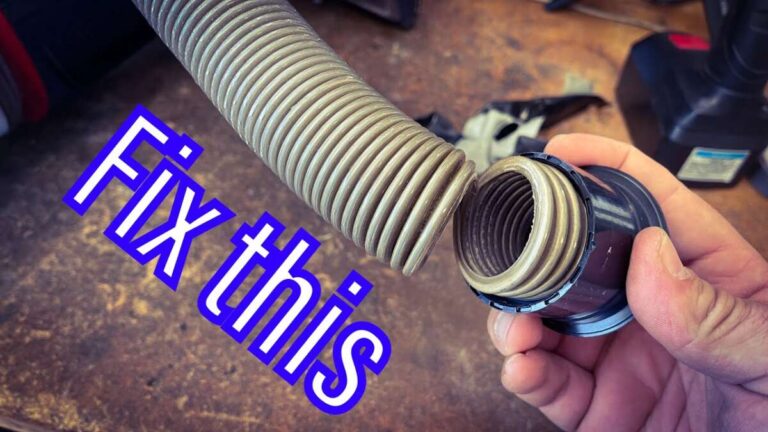
- Detach hoses and look through with a flashlight. Push a flexible rod or use compressed air to clear blockages.
- Cracks or holes in the hose cause major suction loss. Patch or replace as needed.
- Inspect seals, gaskets, and connections
- Check the seals where the tank, hose, and motor housing meet.
- A loose or damaged seal allows air in and reduces suction.
- Test the belt and motor sounds
- Look at the belt for slack or wear. Replace if stretched or cracked.
- Listen: a struggling motor, odd rattles, or loss of RPMs can mean mechanical failure rather than airflow block.
- Use a suction gauge (optional)
- A gauge gives a numeric reading and helps confirm results after cleaning.
- Track readings before and after maintenance to see improvement.
- Re-test after each fix
- Run the vacuum after each repair step. If suction improves, you likely found the culprit.
- This iterative approach is the core of how to check vacuum cleaner suction loss problem.

Common fixes, parts, and when replacement is best for how to check vacuum cleaner suction loss problem
Match fixes to causes for best results.
-
Full dust bin or bag
- Fix: Empty or replace immediately.
- Why: Restores airflow instantly.
-
Dirty or clogged filters
- Fix: Wash reusable filters and let dry fully; replace disposable filters.
- Tip: Replace HEPA filters yearly in heavy-use homes.
-
Blocked hose or wand
- Fix: Remove the blockage with a rod or use compressed air. Replace cracked hoses.
- Cost: Hoses are typically inexpensive to replace.
-
Worn belt or brushroll
- Fix: Replace belt and clean or replace brushroll if bristles are worn.
- Note: A slipping belt reduces brushroll speed and cleaning performance.
-
Broken seals and loose fittings
- Fix: Tighten clamps, replace gaskets, or use foam seal tape for small gaps.
-
Motor or fan damage
- Fix: If the motor hums but airflow is gone, the fan or motor may be damaged. Repair or replace motor assembly.
- When to replace: If the motor makes grinding noises, overheats, or shows little improvement after cleaning, a professional repair or replacement is often needed.
Real-world tip from experience: I once fixed a rental vacuum that felt dead. The hose had a folded seam inside that was invisible until I pushed a flexible pole. Replacing the hose restored full suction. Small, hidden blockages are common.
Routine maintenance to prevent suction loss
Keep suction strong with a few simple habits:
- Empty the bin after each use in high-debris homes.
- Clean pre-motor filters every 1–3 months; replace HEPA as recommended.
- Check brushroll monthly for hair and fibers.
- Inspect hoses and seals twice a year.
- Replace belts once per year or when showing wear.
These steps reduce the frequency of how to check vacuum cleaner suction loss problem and extend machine life.

People also ask (quick PAA-style answers)
Q: How long does it take to check suction loss?
- A basic check takes 10–20 minutes and fixes like emptying the bin or cleaning the filter can restore suction quickly.
Q: Can a clogged filter permanently damage the vacuum?
- A clogged filter won’t usually cause permanent damage if addressed quickly, but running a vacuum with poor airflow can overheat the motor over time.
Q: Is low suction always a sign of a bad motor?
- No. Most suction loss comes from blockages, filters, or belts. Motor failure is less common but possible if other checks show no improvement.

Frequently Asked Questions of how to check vacuum cleaner suction loss problem
What is the first thing I should check when suction drops?
Always start with the dust bin or bag and the filters. These are the easiest fixes and the most common causes of suction loss.
How can I tell if the hose is blocked?
Detach the hose and look through it with a flashlight. Push a soft rod through or listen for airflow while the motor runs to confirm.
Can a dirty brushroll cause suction loss?
Yes. A clogged brushroll can jam the brush and block the airway behind it. Cleaning it often fixes the problem.
When should I replace filters instead of washing them?
Replace disposable filters and HEPA filters per the manufacturer when washing isn’t recommended. If a washable filter still won’t clear after cleaning, replace it.
How do I know if the motor needs professional repair?
If you hear grinding, burning smells, or the motor hums but airflow stays weak after all checks, seek professional repair or a motor replacement estimate.
Will using the vacuum without a bag or filter damage it?
Running without a bag or filter lets debris into the motor and fan area. This can cause damage quickly. Always operate with required filters in place.
Conclusion
You can solve most problems with how to check vacuum cleaner suction loss problem by following simple steps: test airflow, empty the bin, clean or replace filters, clear hoses, and inspect belts and seals. Make a short maintenance routine and re-test after each fix to confirm improvement. Try these checks today, note what worked, and share your results or questions below to learn more about keeping your vacuum working at peak suction.

Liora Pennings is a seasoned chef and kitchen enthusiast with a passion for turning everyday cooking into an effortless experience. With years of hands-on culinary expertise, she specializes in practical techniques, ingredient know-how, and smart kitchen solutions that help home cooks elevate their meals. At KitchFlair.com, Liora shares her best tips, time-saving tricks, and honest product reviews to guide readers toward a more efficient, enjoyable, and inspired cooking routine. Whether you’re a beginner or a seasoned home chef, Liora’s friendly, knowledge-packed insights make every visit to the kitchen a little easier—and a lot more delicious.