How To Troubleshoot Coffee Maker Stopping Early: Fixes
Check water, filters, and reset the machine; clean scale and test the pump.
I have fixed dozens of coffee makers that stopped mid-brew. I will walk you through exactly how to troubleshoot coffee maker brewing cycle stopping early. You will get clear steps, simple checks, and tips from real experience so you can fix it fast and avoid repeat problems.
Why coffee makers stop brewing early
Coffee makers stop before finishing for many simple reasons. Some are small fixes. Others need parts or service.
Common causes
- Low or uneven water level that trips sensors.
- Clogged water line, spray head, or brew basket.
- Mineral scale buildup in heater or tubing.
- Faulty pump or weak pump pressure.
- Thermal fuse or thermostat shutting off the heater.
- Faulty float, valve, or moisture sensor.
- Software, timer, or programmable settings that cut the cycle.
- Power dips or worn power cords.
- Coffee grounds packed too tight and blocking flow.
Understanding the likely cause helps you pick the right test. If you follow a plan, you will quickly find the problem and fix it.

Quick checklist to try first
Use this list as your fast triage. Each item takes a minute or less.
- Check water level and refill the reservoir.
- Make sure the carafe and filter basket are seated correctly.
- Reset the machine by unplugging for 60 seconds.
- Run a hot water-only cycle to clear lines.
- Clean or replace the water filter if fitted.
- Inspect power cord and outlet for damage.
- Descale if you can’t remember the last cleaning.
These quick checks solve about half of early-stop issues. Try them before you dig deeper.

Step-by-step troubleshooting guide
Follow these steps in order. Work top to bottom. Stop when the problem is fixed.
Step 1 — Safety first
- Unplug the machine before you open parts.
- Let hot parts cool a few minutes.
- Use gloves if you work on heaters or sharp parts.
Step 2 — Test basic function
- Fill the reservoir with clear water.
- Leave the filter basket empty and secure the carafe.
- Start a brew cycle. Watch for full run time.
If it finishes, the issue is likely coffee grounds or the filter.
Step 3 — Check the pump and flow
- Listen for pump noise during brew.
- If the pump sounds weak or stops early, run a water-only cycle.
- If flow is poor, remove scale and debris from the spray head and tubing.
Step 4 — Inspect the spray head and basket
- Remove the spray head or brew cone.
- Clean holes with a toothpick or small brush.
- Rinse the basket and check the paper filter fit.
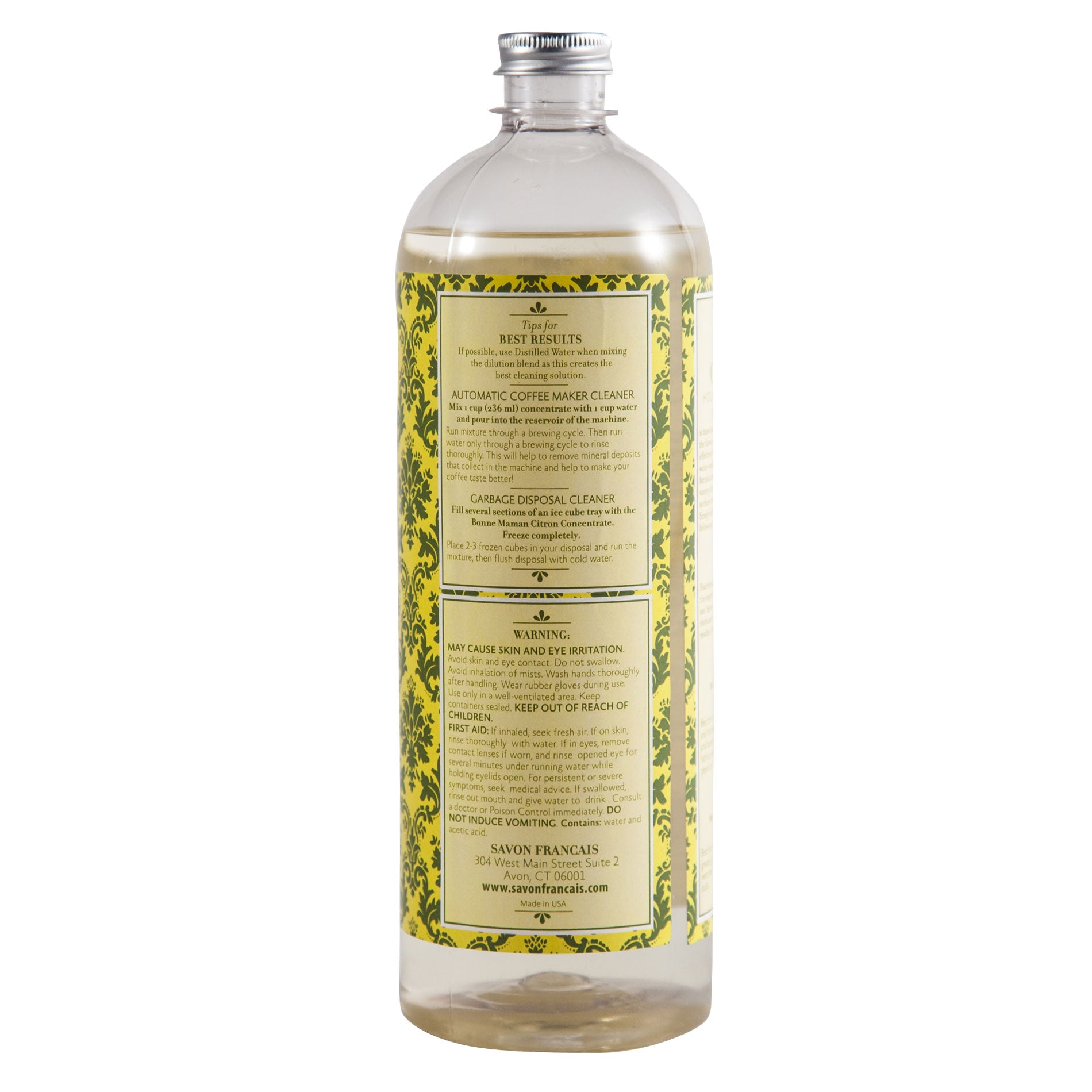
Step 5 — Descale thoroughly
- Use a commercial descaler or vinegar solution per manufacturer rules.
- Run a descaling cycle, then flush with two full reservoirs of clean water.
- Repeat if scale was severe.
Step 6 — Check sensors and floats
- Find the water level float or sensor in the reservoir.
- Make sure it moves freely and is not stuck.
- Clean contacts with a cloth if dirty.
Step 7 — Check thermal cutoffs and wiring
- If the machine shuts off with no pump noise, a thermostat or thermal fuse may trip.
- Thermostats can be tested with a multimeter for continuity.
- If you are not comfortable, seek a technician.
Step 8 — Software and settings
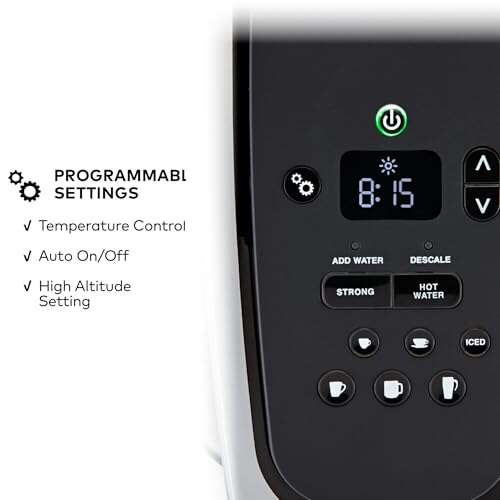
- Reset the programmable clock and auto-off features.
- Disable any auto-brew or auto-off timers and test a manual cycle.
Step 9 — Final tests
- Brew with a clean filter and medium grind coffee.
- Note brew time and total brew volume.
- If it still stops early, record sounds and symptoms to share with a repair tech.
These steps cover most devices from drip brewers to single-serve machines. If you hit a point you can’t fix, call a pro.

Maintenance and prevention tips
Simple care keeps your coffee maker reliable. Small habits prevent most early stops.
Daily care
- Rinse the carafe and filter basket after each use.
- Empty and dry the reservoir lid.
Weekly care
- Clean the spray head and wipe the exterior.
- Run a water-only cycle to flush residue.
Monthly care
- Descale if you use hard water.
- Replace charcoal water filters per the maker’s schedule.
Practical tips
- Use filtered water to reduce scale.
- Use the right grind size for your brewer.
- Don’t overfill paper filters with too much coffee.
- Keep the machine on a stable surface to ensure sensors work.
Routine care saves time and repair costs. Good habits stop most brewing interruptions.
When to repair or replace
Some faults are best fixed by a service tech. Other times replacement is smarter.
Signs to repair
- Pump runs but there is no hot water.
- The machine smells of burned wiring.
- The thermostat or heating element fails tests.
Signs to replace
- Repair cost approaches or exceeds half the price of a new machine.
- Multiple failures occur in one unit repeatedly.
- The model is old and parts are unavailable.
Warranty and parts
- Check your warranty first. Service may be free.
- For complex electrical fixes, use an authorized repair shop.
I once repaired an older drip brewer by replacing a cracked heating element. The part cost less than a new unit. If the machine is newer, repair often saves money and waste.
Common mistakes and things to avoid
I have made these mistakes. Avoid them to save time.
Mistake 1 — Skipping the reset
- I once chased wiring on a pump that only needed a reset. Always unplug and wait 60 seconds.
Mistake 2 — Overusing vinegar
- Vinegar can harm seals in some models. Use a manufacturer-approved descaler if possible.
Mistake 3 — Ignoring water hardness
- Hard water builds scale fast. Use filtered water or add a regular descaling schedule.
Mistake 4 — Forcing parts
- Forcing stuck floats or snapped clips causes new faults. Clean gently and use light force.
These errors cost extra repairs and time. Learn from them and act calmly.
Frequently Asked Questions of how to troubleshoot coffee maker brewing cycle stopping early
Why does my coffee maker stop brewing halfway through?
Most often it is low water, a clogged spray head, or scale in the heating path. Run a water-only cycle and descale to test these common causes.
Can descaling fix a machine that stops early?
Yes. Scale can block flow and cause overheating. Descaling often restores normal flow and solves early stops.
How do I test if the pump is failing?
Listen for a steady pump sound during brewing and check water flow rate. A weak or silent pump often means pump wear or clogged lines.
Is it safe to open the coffee maker to check wiring?
Only if you unplug the device and let it cool first. If you are unsure, get a professional to avoid electric shock or damage.
How often should I descale to prevent early stops?
Descend monthly with hard water and every three months with soft water. Adjust based on how quickly scale builds in your area.
Could coffee grind size cause early stops?
Yes. Too fine a grind can clog the filter and restrict flow. Use a medium grind for most drip machines.
Conclusion
You now have a clear plan for how to troubleshoot coffee maker brewing cycle stopping early. Start with quick checks, then move to pump, spray head, and descaling steps. Keep a simple care routine to prevent future stops. Try the steps today and note what changes; small fixes often restore full brewing. If the issue persists, contact a repair pro or check your warranty. Share your results, subscribe for more tips, or leave a comment with your machine model and symptoms.

Liora Pennings is a seasoned chef and kitchen enthusiast with a passion for turning everyday cooking into an effortless experience. With years of hands-on culinary expertise, she specializes in practical techniques, ingredient know-how, and smart kitchen solutions that help home cooks elevate their meals. At KitchFlair.com, Liora shares her best tips, time-saving tricks, and honest product reviews to guide readers toward a more efficient, enjoyable, and inspired cooking routine. Whether you’re a beginner or a seasoned home chef, Liora’s friendly, knowledge-packed insights make every visit to the kitchen a little easier—and a lot more delicious.