How To Unclog Coffee Maker Water Line At Home: Quick Fix
Run a vinegar cycle, flush thoroughly, and clear the line with a soft brush or pipe cleaner.
I’ve spent years fixing small kitchen appliances and teaching friends how to keep gear running like new. This guide walks you through how to unclog coffee maker water line at home with safe tools, clear steps, and practical tips. You’ll learn why clogs form, how to remove them step-by-step, and how to prevent future buildup so your coffee tastes right every morning. Read on for easy, reliable methods backed by experience and simple troubleshooting advice.
Why coffee maker water lines clog
Clogs form when minerals, coffee oils, and sediment build up inside the water line and valves. Hard water minerals like calcium and magnesium leave scale that narrows the tube over time. Coffee grounds and oils can collect in small bends, filters, and the pump area, causing reduced flow or no flow at all. Knowing the cause helps you pick the right cleaning method to unclog coffee maker water line at home without damaging parts.

Tools and safety you need
You do not need fancy gear to unclog a coffee maker water line at home. Gather vinegar, distilled water, a soft pipe cleaner or thin bottle brush, a syringe or turkey baster, mild dish soap, and a small bowl. Wear gloves and unplug the machine before you start. Follow any manufacturer guidelines to avoid voiding warranties or harming delicate parts.

Step-by-step: how to unclog coffee maker water line at home
Follow these steps in order to clear most water line blockages safely.
-
Inspect and unplug the machine.
- Remove the water reservoir and check for scale or debris.
- Look into the fill opening and tubing area for visible blockages.
-
Run a vinegar flush.
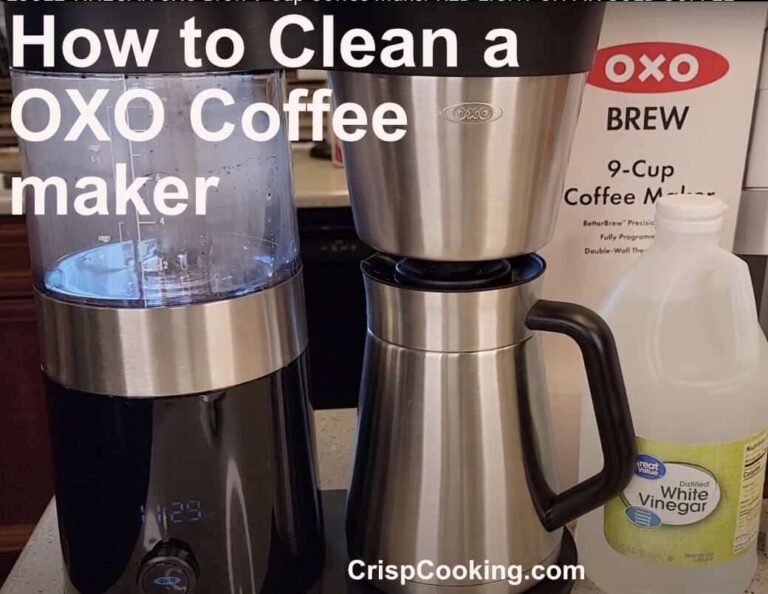
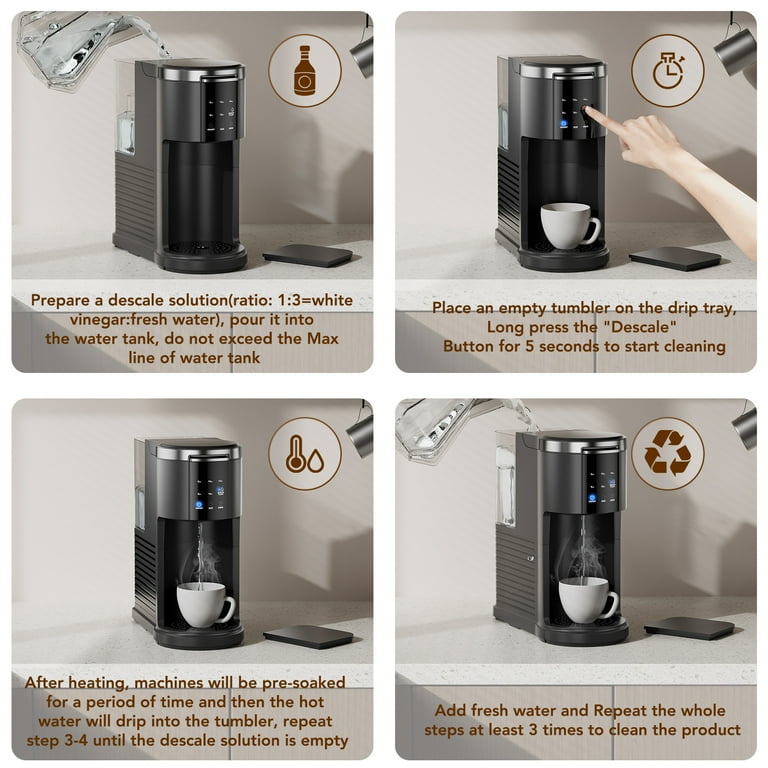
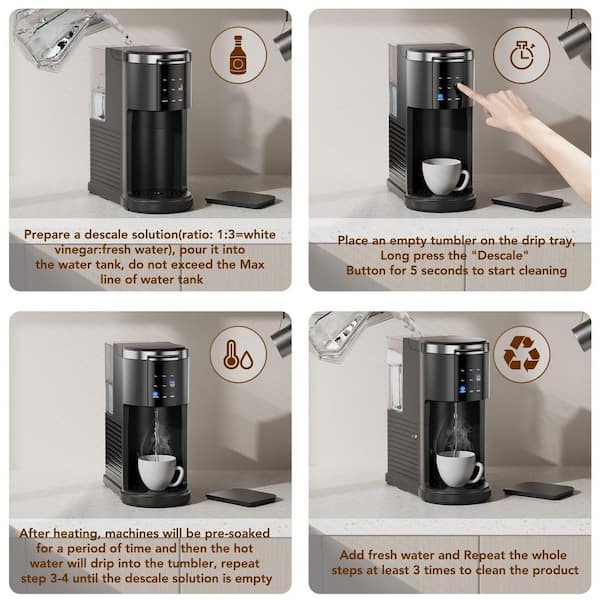
- Mix equal parts white vinegar and water and fill the reservoir.
- Run a brew cycle without coffee to let the solution move through the line.
- Turn the machine off halfway and let the vinegar soak for 15–30 minutes for stubborn scale.
-
Use a syringe or turkey baster to push liquid through tight spots.
- Disconnect any removable tubing if your model allows.
- Push vinegar or water through the line to dislodge trapped debris.
-
Clear the line with a soft pipe cleaner or thin brush.
- Gently feed the cleaner into accessible tubing.
- Rotate and pull to collect trapped gunk; avoid sharp tools that can puncture the line.
-
Rinse thoroughly with distilled water.
- Run 2–3 full cycles of plain distilled water to remove vinegar odor and loosened scale.
- Test flow and repeat vinegar flush if water still runs slowly.
These steps show how to unclog coffee maker water line at home with safe, common supplies. If you have a pump-driven espresso machine, be more cautious and consult the manual before disassembling pump components.

Deep cleaning and descaling for heavy buildup
When simple flushing does not work, a deeper clean helps. Use a commercial descaler or a stronger vinegar solution for heavy mineral scale. Soak removable parts like the reservoir, filter basket, and any detachable tubing in warm soapy water, then scrub with a soft brush. For machines with internal heaters and pumps, follow the manufacturer’s descaling cycle recommendations to prevent damage and preserve warranty.
Maintenance and prevention tips
Regular upkeep prevents future clogs and keeps coffee tasting fresh. Use filtered or distilled water to reduce mineral buildup. Run a mixture of vinegar and water through the machine monthly if you have hard water. Clean removable parts weekly and replace paper filters frequently to cut down on oils and grounds in the water line. These steps make it easier to maintain and reduce how often you need to unclog coffee maker water line at home.
Troubleshooting common problems
If flow is still blocked after cleaning, check these points. The pump may be failing if you hear the motor but no water moves; a broken pump needs professional repair or replacement. Blocked check valves or a clogged shower head (on drip machines) may require partial disassembly following the manual. If the machine leaks after reassembly, re-check seals and filter placement to ensure proper fit. Repeating the vinegar flush and brushing often resolves persistent slow flow before you consider replacing parts.

Personal tips from experience
From my repairs, patience matters more than force. I once tried to force a metal wire into a line and made a tiny tear that caused leaks; I learned to use soft tools. A monthly vinegar flush and filtered water cut my own machine’s clog issues by over half. When in doubt, stop and consult the manual—small parts and pumps are easy to damage and sometimes cheaper to replace than to repair badly.

Frequently Asked Questions of how to unclog coffee maker water line at home
How often should I clean my coffee maker to avoid clogs?
Clean the reservoir and removable parts weekly and run a vinegar flush monthly if you use hard water. Regular cleaning prevents mineral and oil buildup that leads to clogs.
Can I use lemon juice instead of vinegar to unclog the water line?
Lemon juice is mildly acidic and can help with light scale, but white vinegar is more effective and affordable for dissolving mineral buildup. Rinse thoroughly after using any acidic cleaner.
Is it safe to disassemble my coffee maker to clear the water line?
Only disassemble parts designed to be removed and follow the manufacturer’s instructions; avoid opening sealed pump or electrical areas. If you must access internal pumps, consider professional service.
What if the water still runs slowly after cleaning?
Repeat the vinegar flush and use a syringe or soft brush to push out stubborn deposits. If slow flow persists, the pump or internal valve may be failing and might need inspection or replacement.
Will using filtered water stop clogs completely?
Filtered or distilled water greatly reduces mineral scale but won’t stop oils and grounds from accumulating. Combine filtered water with regular cleaning for best results.
Conclusion
Clearing a blocked water line is usually simple: inspect, flush with vinegar, gently brush or syringe the line, and rinse thoroughly. With regular maintenance, filtered water, and a monthly descaling cycle, you can prevent most clogs and keep your coffee tasting great. Try these steps the next time your machine slows down, and leave a comment about what worked for you or any tricks you’ve learned—subscribe for more easy appliance care tips.

Liora Pennings is a seasoned chef and kitchen enthusiast with a passion for turning everyday cooking into an effortless experience. With years of hands-on culinary expertise, she specializes in practical techniques, ingredient know-how, and smart kitchen solutions that help home cooks elevate their meals. At KitchFlair.com, Liora shares her best tips, time-saving tricks, and honest product reviews to guide readers toward a more efficient, enjoyable, and inspired cooking routine. Whether you’re a beginner or a seasoned home chef, Liora’s friendly, knowledge-packed insights make every visit to the kitchen a little easier—and a lot more delicious.