How To Stop Coffee Maker From Overflowing: Quick Fixes
Check for clogs, use the right filter and grind size, measure water and grounds precisely.
I’ve fixed overflowing coffee makers for years as a home barista and tech-savvy coffee lover. This guide will show how to stop coffee maker from overflowing during brewing with clear steps, real fixes, and things to avoid. Read on for simple tests, routine care, and quick fixes that work for drip machines and single-serve brewers alike.
Why coffee makers overflow during brewing
Overflow happens when water and foam have nowhere to go. Small clogs, too-fine grounds, or a misaligned carafe force liquid up and out. Scale and oils build up over time and narrow flow paths. Paper or permanent filters that sit wrong can channel water the wrong way. Mechanical faults like a stuck valve or cracked basket also cause spills.
Common causes
- Clogged spray head from mineral buildup or old grounds.
- Too much coffee or very fine grind creating dense slurry.
- Incorrect filter type or poorly seated paper filter.
- Misaligned or cracked carafe that blocks the drip path.
- Faulty brew basket, valve, or overflow sensor.
Why each matters
- Clogs slow flow and create pressure. Pressure leads to overflow.
- Fine grinds hold water like mud. They block filters fast.
- Filters must let water pass while holding grounds. Wrong fit fails at that job.
Understanding these simple parts helps you prevent and fix overflows.
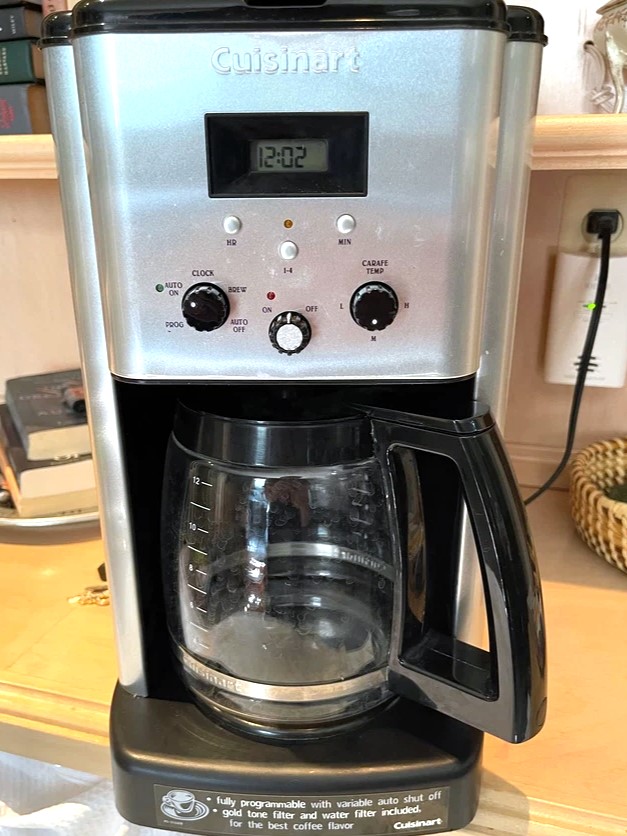
How to stop coffee maker from overflowing during brewing
Follow these steps every time you brew. They are simple, fast, and proven.
Step 1 — Check and clean the spray head
- Turn off and unplug the maker.
- Remove the top and inspect the shower screen.
- Clean holes with a soft brush or toothpick to clear scale and grounds.
Step 2 — Use the right grind and amount
- Use medium grind for drip machines. Fine grind for espresso only.
- Measure coffee with a scoop or scale. Typical ratio is 1 to 2 tablespoons per 6 ounces of water.
- Avoid heaping scoops that compress in the filter.
Step 3 — Choose and seat the correct filter
- Use a flat-bottom or basket filter for basket-style machines.
- Ensure paper filters lie flat and the rim seals around the basket.
- If you use a permanent filter, rinse it after each brew to remove trapped oils.
Step 4 — Align the carafe and check the flow path
- Set the carafe squarely under the drip area.
- Replace cracked or warped carafes.
- Check the drip stop or valve for debris and test it manually.
Step 5 — Descale and deep clean regularly
- Descale monthly with a mild acid solution or citric cleaner if you have hard water.
- Run a cycle with water only after descaling.
- Clean removable parts weekly with warm, soapy water.
Step 6 — Test a small brew after fixes
- Run a half-pot with water to check flow.
- Watch for slow drip or pooling under the basket.
- Repeat cleaning if flow is uneven.
These routine actions address most overflow causes. They are easy to do and reduce stress at the counter.
src="https://cdn.thewirecutter.com/wp-content/media/2025/03/BEST-DRIP-COFFEE-MAKER-2048px-9576-2×1-1.jpg?width=2048&quality=75&crop=2:1&auto=webp"
alt="Preventive maintenance schedule”
style=”max-width: 100%; height: auto; border: 2px solid black; border-radius: 10px; display: block; margin: 0 auto;”
loading=”lazy”
/>
Preventive maintenance schedule
A little maintenance goes a long way. Use this simple timeline.
Daily
- Empty used grounds and rinse the filter basket.
- Wipe spills and dry the carafe.
Weekly
- Wash the carafe, filter basket, and lid in warm, soapy water.
- Check the spray head and wipe any visible scale.
Monthly
- Descale the machine if you use hard water.
- Inspect the valve and drip stop for wear or blockages.
Every 6–12 months
- Replace any worn gaskets or the permanent filter if it shows damage.
- Consider professional service for older machines with repeated problems.
Sticking to a schedule prevents buildup. It makes it easier to stop coffee maker from overflowing during brewing before it starts.
:max_bytes(150000):strip_icc()/oxo-drip-coffee-maker-review-6d5d9754a16746efa846468f1941adaa.jpg)
Troubleshooting by symptom
If you see a specific pattern, match it to the likely cause and try the fix.
Symptom: Overflow at the start of the brew
- Likely a clogged shower head or misaligned filter.
- Clean the shower head and reseat the filter before testing.
Symptom: Overflow mid-brew
- Could be too-fine grounds packing the filter or a failing valve.
- Use a coarser grind and clean or replace the valve.
Symptom: Foam and grounds in the carafe
- This often means the wrong filter or damaged permanent filter.
- Swap to a paper filter and see if the problem stops.
Symptom: Drips from around the lid or base
- Check for cracks or worn seals.
- Tighten or replace parts that do not fit snugly.
Symptom: Machine overflows only with certain beans
- Some fresh beans foam more due to trapped CO2.
- Let beans degas 24–48 hours or use a coarser grind.
Match actions to symptoms to save time. These focused fixes often solve overflow fast.

My experience and real-life tips
I once fixed a machine that poured coffee all over the counter. The culprit was a cheap paper filter that bunched up. After switching filters and descaling, the problem was gone. That taught me to always test a new bag of filters and inspect how they sit.
Lessons learned
- Always measure. Guessing invites overflow.
- Use a scale for precise ratios when troubleshooting.
- Rinse reusable filters after each use. Oils collect fast.
- If a machine repeatedly overflows, it may need a new brew basket or valve.
Real-world trick
- If you are in a rush, brew a half-pot first. It’s a fast test and avoids a big mess if something is wrong.
These tips come from hands-on fixes and many test brews. They work, and they save time.
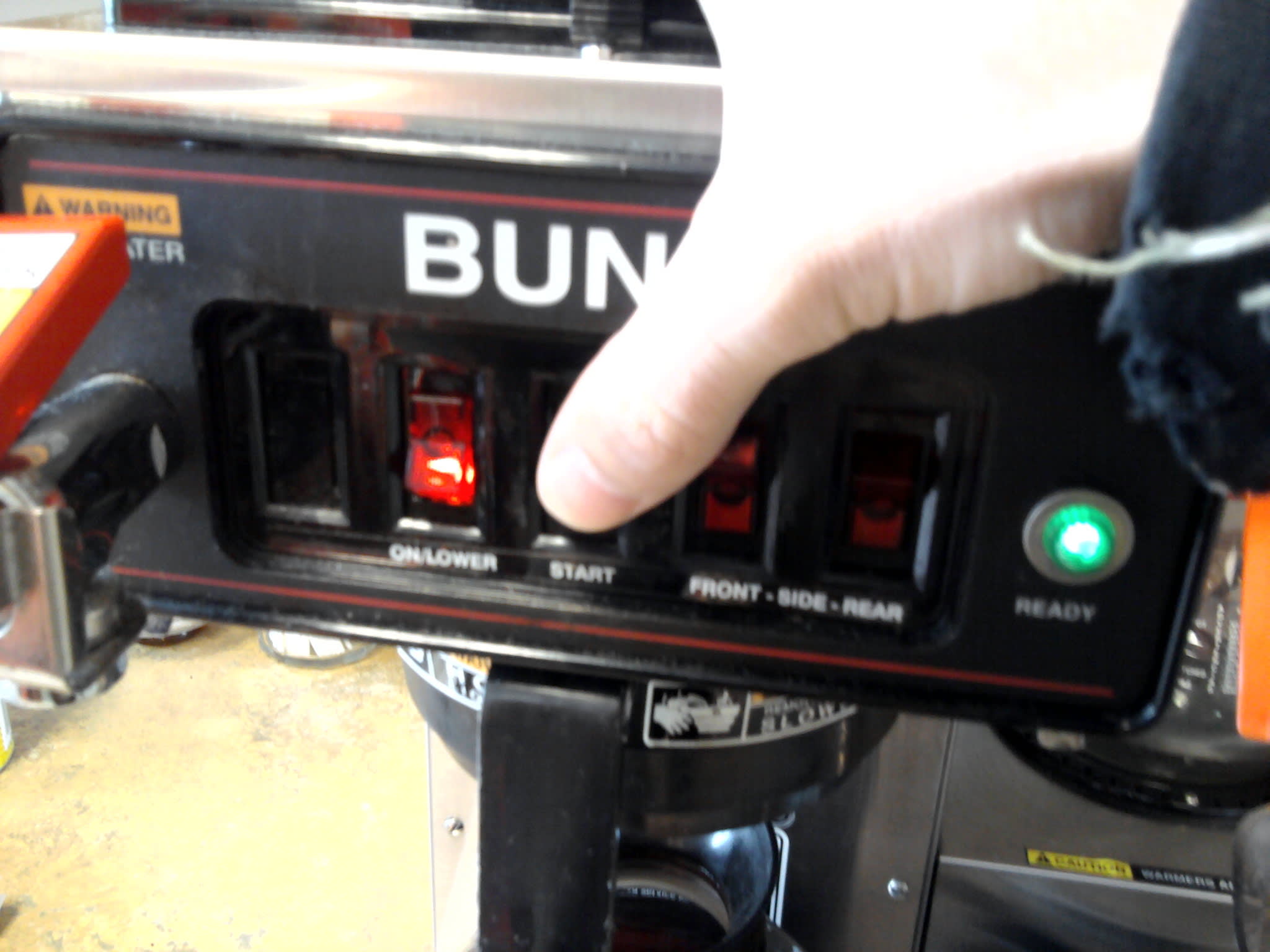
Additional tips and tricks
Small habits prevent big spills.
Quick checks before each brew
- Look inside the basket for grounds or paper bits.
- Make sure the carafe is empty and clean.
- Use fresh water and measure it with a cup or marked reservoir.
Smart choices
- Use filtered water to reduce scale.
- Avoid oily dark roasts in permanent filters if you see oil buildup.
- Replace worn parts proactively rather than reactively.
When to call a pro
- If descaling and cleaning do not stop overflow.
- If you hear unusual noises or see steam leaking.
- If the valve or electronics seem faulty.
These extra steps help make overflow rare. They also extend machine life and improve flavor.

Frequently Asked Questions of how to stop coffee maker from overflowing during brewing
Why does my coffee maker overflow only when I use paper filters?
Paper filters can wrinkle or fold. A folded filter blocks water flow and causes overflow. Make sure the filter lies flat and fits your basket.
Can using too-fine coffee grounds cause overflow?
Yes. Fine grounds compact and slow water flow. Use a medium grind for drip machines to keep flow steady.
How often should I descale to prevent overflow?
Descale every 1 to 3 months depending on water hardness. Regular descaling keeps flow paths clear and prevents pressure build-up.
Will replacing the carafe stop overflow?
If the carafe is cracked or warped, replacing it can fix overflow. A misaligned carafe often blocks the drip path and causes spills.
Is the brew basket repairable if it causes overflow?
Some baskets are serviceable; others need replacement. Clean and test the basket first, and replace it if holes or the valve are damaged.
What if my single-serve machine overflows during brewing?
Check the pod or capsule fit and clean the needle or puncture plate. Scale and coffee build-up in the needle area often cause overflow.
Conclusion
Stopping overflow starts with simple checks: the right grind, the correct filter, a clean spray head, and a well-seated carafe. Small habits like measuring, rinsing reusable filters, and descaling on schedule keep the machine stable and brew after brew reliable. Try the steps here, test a half-pot after fixes, and keep a short maintenance routine to avoid mess and wasted coffee. Share your results or a photo of your setup, subscribe for more coffee care tips, or leave a comment with your model and symptoms so I can help further.

Liora Pennings is a seasoned chef and kitchen enthusiast with a passion for turning everyday cooking into an effortless experience. With years of hands-on culinary expertise, she specializes in practical techniques, ingredient know-how, and smart kitchen solutions that help home cooks elevate their meals. At KitchFlair.com, Liora shares her best tips, time-saving tricks, and honest product reviews to guide readers toward a more efficient, enjoyable, and inspired cooking routine. Whether you’re a beginner or a seasoned home chef, Liora’s friendly, knowledge-packed insights make every visit to the kitchen a little easier—and a lot more delicious.