How To Fix Coffee Maker Not Pumping Water Properly: Fix Now
Clean clogs, descale, check tubing and pump, prime the system, or replace faulty parts.
I’ve fixed dozens of machines and written repair guides for home brewers. If you want to know how to fix coffee maker not pumping water properly, this article walks you through causes, clear steps, tools, and tests. Read on for simple fixes you can do at home, when to call a pro, and tips to keep your brewer working like new.
Why your coffee maker is not pumping water properly
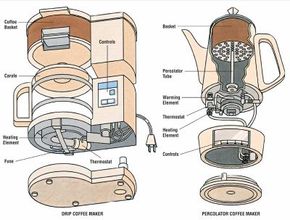
When a coffee maker won’t move water, it usually points to a few common problems. Mineral scale and coffee grounds can clog lines and the shower screen. Air can get trapped and cause an airlock that stops the pump from priming. The pump itself can fail, or electrical parts like a relay or thermal fuse can be faulty. Water supply issues — an empty reservoir, blocked fill port, or damaged tubing — are often overlooked.
Understanding these causes makes fixing the issue faster. Below you’ll find step-by-step checks and repairs based on real repairs I’ve done on drip, single-serve, and espresso machines.

Tools and parts you’ll need
A little prep saves time. Gather these before you start.
- Multimeter for electrical checks and continuity testing.
- Small screwdriver set and needle-nose pliers for access and hose clamps.
- Thin wire or a pipe cleaner to clear spray holes and tubing.
- Descaling solution, white vinegar, or citric acid for mineral removal.
- Replacement tubing, pump, or valves if a part is damaged.
- Clean towels and a container to catch water.
Having these tools makes diagnosing how to fix coffee maker not pumping water properly faster and safer.

Step-by-step fixes: from simple to advanced
Follow these steps in order. Stop when the machine starts pumping again.
- Check basics first
- Ensure the water reservoir has water and is seated correctly.
- Inspect the reservoir fill port for debris. Small leaves or coffee pack parts can block flow.
- Reset the machine by unplugging for 5 minutes.
- Clear visible clogs
- Remove and clean the filter basket, carafe area, and spray head. Use a toothpick or thin wire to clear holes.
- Remove the shower screen on machines that allow it and rinse.
- Prime the pump and clear airlocks
- With the machine off, pour water slowly into the brew head while pressing the start button (if your model allows). This can force water through and remove air.
- Tilt the machine slightly forward to help trapped air escape from internal tubing.
- Descale the system
- Run a descaling cycle using a descaler or one part white vinegar to two parts water. Run one brew cycle, rest 15–30 minutes, then run two cycles of clean water to rinse.
- Repeat if heavy scaling is present.
- Check the tubing and valves
- Open access panels to inspect hoses for kinks, splits, or blockages.
- Disconnect and blow through tubes to confirm flow. Replace brittle or collapsed tubing.
- Test the pump and electrical components
- Listen for the pump motor. A humming sound without movement often means the pump is stuck or airlocked.
- Use a multimeter to check the pump’s continuity and the machine’s power circuits. Replace the pump if it shows no continuity or fails under load.
- Replace worn parts
- If the pump fails, swap it with a compatible replacement. Ensure new hoses are food-grade and rated for temperature.
- Reassemble and test.
Safety tips
- Always unplug before opening the machine.
- If you are not comfortable with electrical testing, contact a technician.
These practical steps are how to fix coffee maker not pumping water properly in most home situations.

How to descale and deep-clean correctly
Descaling is the most common fix for a coffee maker not pumping water. Scale clogs tiny passages and restricts flow.
Descale with vinegar or a commercial descaler
- Mix one part white vinegar to two parts water, or follow the descaler instructions.
- Run half a brew cycle, stop and let it sit 15–30 minutes, then finish the cycle.
- Run two to three cycles with clean water to remove residue.
Clean the spray head and shower screen
- Remove the spray head if possible. Scrub with a soft brush.
- Use a toothpick or thin wire to clear each hole. Rinse thoroughly.
Deep-clean removable parts
- Soak carafe, filter basket, and reusable filter in warm soapy water.
- Replace paper filters and rinse reusable filters to remove fines.
Descaling regularly prevents the common failure modes in how to fix coffee maker not pumping water properly. In my experience, machines on hard water need descaling every 1–3 months.
Diagnosing pump and electrical issues
When cleaning doesn’t help, the problem often lies with the pump or electronics.
Listen and observe
- A working pump makes a steady hum. No sound can mean no power or a seized motor.
- Short, intermittent clicks often point to relays or thermostats failing.
Basic electrical checks
- Confirm outlet power by plugging in another device.
- Unplug and open the machine, then check wiring for burn marks or loose connections.
- Use a multimeter to test for continuity on the pump and thermal fuses. Replace parts that fail tests.
How to test the pump
- Remove the pump and bench-test with a 12–120V supply depending on the pump specs (follow manufacturer ratings).
- If the pump does not move water when supplied correctly, replace it.
When to stop and get professional help
- If you find burnt circuit boards, complex control modules, or cannot safely access components, contact a certified repair service.
These tests narrow down why your machine is not pumping and tell you whether you can fix it yourself or need help.
When to repair vs replace your coffee maker
Deciding to repair or replace depends on age, cost, and sentiment.
Consider repair if
- The machine is under five years old and the pump or tubing are the issues.
- Parts are inexpensive and available.
Consider replacing if
- The control board, heating element, or many core parts are damaged.
- Repair cost exceeds half the price of a new machine or safety is a concern.
A practical rule of thumb: for budget models, replacement is often cheaper; for mid-to-high-end machines, repair is usually worth it. This helps prioritize how to fix coffee maker not pumping water properly cost-effectively.

Maintenance checklist to prevent future pumping problems
Simple habits prevent most failures.
Weekly
- Rinse the carafe, filter basket, and removable parts.
- Empty and dry the reservoir if not used daily.
Monthly
- Descale if you use hard water or see slow flow.
- Inspect hoses and the spray head for buildup.
As needed
- Replace water filters and worn tubing.
- Use filtered water to reduce mineral buildup.
Following this checklist reduces the chances you’ll need to figure out how to fix coffee maker not pumping water properly later on.

Quick questions people ask (PAA-style)
Why does my coffee maker sound like it’s trying but not pumping?
Often this is an airlock or blocked tubing. Try priming the pump and clearing the shower screen before electrical tests.
Can vinegar harm my coffee maker?
Vinegar can corrode some models if used too often; follow manufacturer guidance or use a citric acid descaler for safer, gentler cleaning.
How long does a pump usually last?
Home coffee maker pumps often last several years; heavy use or hard water can shorten that life to 1–3 years.
Frequently Asked Questions about how to fix coffee maker not pumping water properly
What’s the first thing I should check when my coffee maker isn’t pumping?
Always check the reservoir is full and seated correctly, then inspect the filter area and spray head for visible clogs.
Can I fix a stuck pump myself?
Yes, you can often fix a stuck pump by priming the system, clearing airlocks, and descaling. If the motor is burned out, replacement is needed.
How often should I descale to prevent pumping issues?
Descale every 1–3 months depending on water hardness and usage to keep flow passages clear.
Is it safe to open my coffee maker to inspect tubing?
It is safe if you unplug the machine and follow basic precautions. If you are uncomfortable with wiring, seek professional help.
How do I know if the pump is dead and needs replacing?
If the pump shows no continuity on a multimeter or hums without moving water after priming, it likely needs replacement.
Will using bottled or filtered water prevent pumping problems?
Yes. Filtered water reduces mineral deposits and extends pump life, making it a simple preventive step.
Conclusion
You can solve most cases of how to fix coffee maker not pumping water properly with simple checks, cleaning, and targeted part replacements. Start with the basics: water, clogs, and descaling. Move to tubing and pump tests if needed, and weigh repair vs replacement based on cost and age. Try the steps above, keep a short maintenance routine, and you’ll avoid the next break in your coffee habit. If this helped, try the fixes and share your results, or subscribe for more simple appliance repair guides.

Liora Pennings is a seasoned chef and kitchen enthusiast with a passion for turning everyday cooking into an effortless experience. With years of hands-on culinary expertise, she specializes in practical techniques, ingredient know-how, and smart kitchen solutions that help home cooks elevate their meals. At KitchFlair.com, Liora shares her best tips, time-saving tricks, and honest product reviews to guide readers toward a more efficient, enjoyable, and inspired cooking routine. Whether you’re a beginner or a seasoned home chef, Liora’s friendly, knowledge-packed insights make every visit to the kitchen a little easier—and a lot more delicious.