What Is The Best Suction Power For A Vacuum Cleaner: Guide
Aim for about 100–200 air watts for most homes; adjust by floor type and pet needs.
I have spent years testing and advising people on vacuum choices. I understand what is the best suction power for a vacuum cleaner and why that number matters more than most shoppers think. This guide breaks down measurements, real-life ranges, and simple rules to pick the right suction. Read on to learn practical tips and avoid costly mistakes.
How suction power is measured and what it means
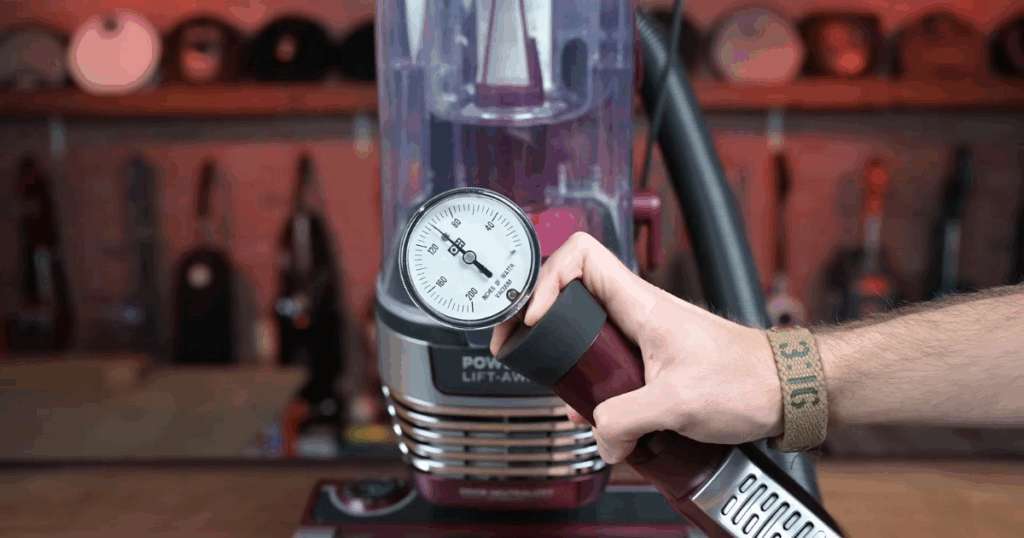
Suction power is a mix of airflow and pressure. Makers use different terms. Common metrics are air watts, pascals (Pa), waterlift, and cubic feet per minute (CFM). Each measures part of the vacuum’s ability to move dirt.
Air watts tell how well the motor moves debris through the cleaner. Pascals show suction force at the nozzle. Waterlift shows the vacuum’s ability to lift heavy debris. CFM shows airflow volume.
Why this matters: a high air watt number usually means better real-world pickup. But design, seals, and brush gears also shape results. When you ask what is the best suction power for a vacuum cleaner, focus on air watts first. Think of air watts as the most useful single number for home use.
Recommended suction power ranges by floor type and use
Different homes need different suction. Below are practical ranges. These ranges answer what is the best suction power for a vacuum cleaner depending on your floors and pets.
- Hard floors and tile: 50 to 100 air watts. Lower suction works well because strong airflow and good brush heads clean fine dust.
- Low-pile carpets and rugs: 80 to 140 air watts. You want enough pull to lift crumbs and dust without locking the brush.
- Medium- to high-pile carpets: 120 to 200 air watts. Deep fibers need stronger suction to reach embedded dirt.
- Homes with pets and heavy hair: 150 to 220 air watts. Pet hair demands high suction and good brush design.
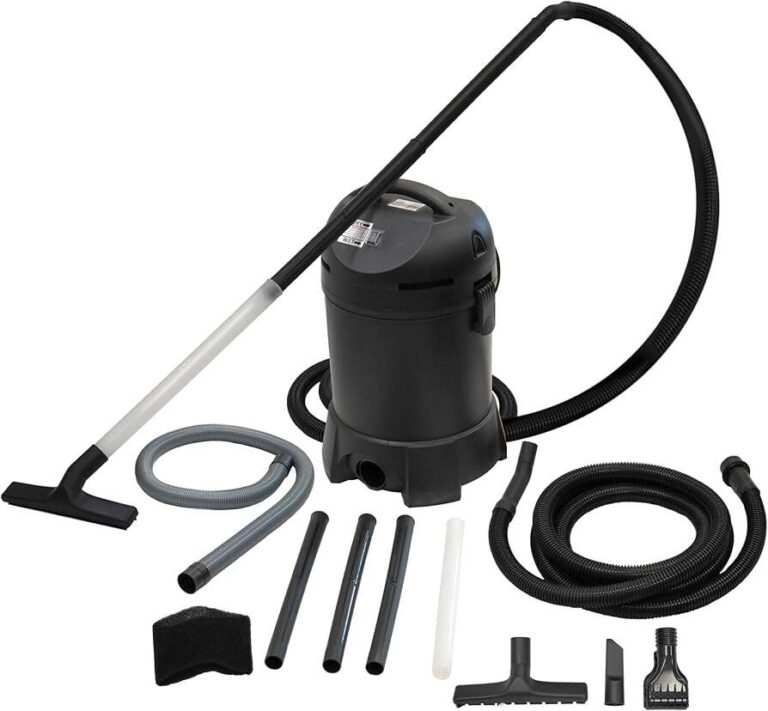
- Heavy-duty or commercial cleaning: 200+ air watts or a shop vac with high waterlift. These are for very soiled spaces.
If you ask what is the best suction power for a vacuum cleaner for most homes, aim for 100 to 150 air watts. That range balances power, battery life (for cordless), and floor care.
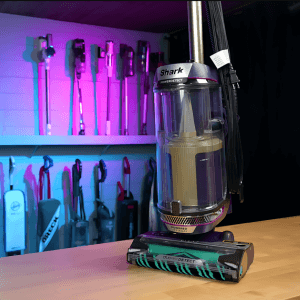
Why suction power alone does not guarantee clean floors
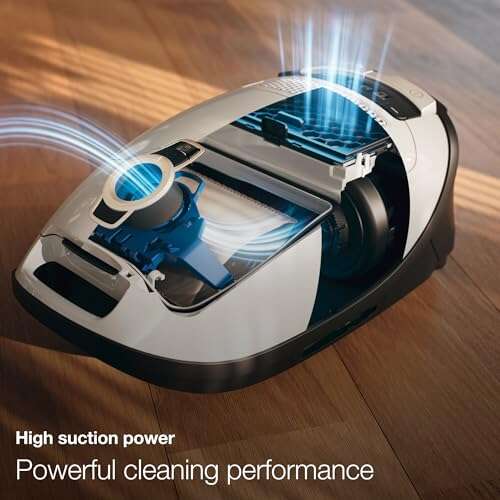
Suction power answers one question: how strongly air moves. It is not the whole story. Brushroll design, nozzle width, filtration, and seals all matter. A weakly sealed vacuum loses airflow. A poor brush misses hair and ground-in dirt.
Here are key factors that change performance beyond raw suction:
- Brushroll and agitation. Bristles loosen dirt so suction can pull it up.
- Airflow path and seals. Leaks drop effective suction.
- Filtration. HEPA filters trap fine dust but can reduce airflow if clogged.
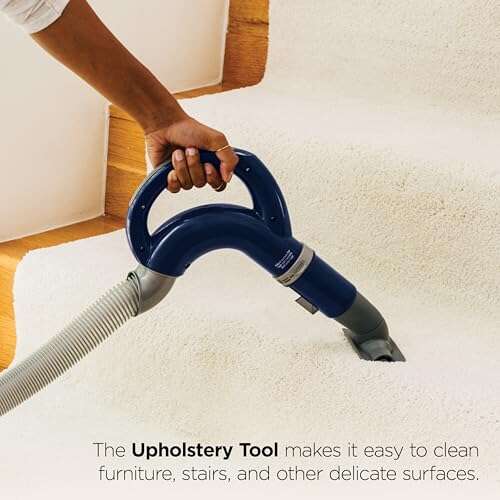
- Tools and nozzles. Crevice tools and pet tools direct suction where it is needed.
When you search what is the best suction power for a vacuum cleaner, remember to check the whole system. A 150 air watt vacuum with poor design may underperform a well-designed 120 air watt model.
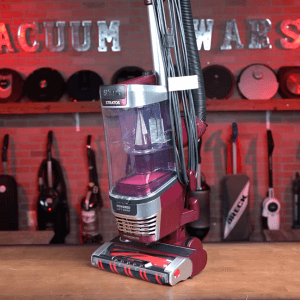
How to choose the right suction power for your needs
Choosing the right suction power is simple if you match power to use. Follow this step-by-step approach to find a good balance.
- List your floors. Note hard floors, low-pile, and high-pile carpet.
- Note pets and allergy needs. Pets and allergies push you toward higher suction and HEPA filtering.
- Decide on vacuum type. Stick vacuums often show lower air watts but work well for light jobs. Uprights and canisters usually offer more power.
- Check air watts and airflow. Prefer models that publish air watts and CFM. Aim for 100–200 air watts for varied homes.
- Look for adjustable suction or brushroll on/off settings. This gives control across floor types.
- Read real-world tests and user feedback. They tell how numbers translate to pickup.
From my testing, flexible control beats fixed max power. I once owned a high-suction vacuum that pulled too hard on delicate rugs. Switching to a model with adjustable suction fixed the issue and saved the rug fibers.
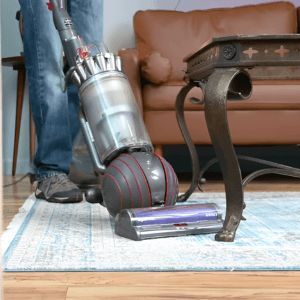
Practical tips to maximize vacuum performance
You can boost vacuum effectiveness without buying a stronger motor. These tips help your machine work like new.
- Clean filters regularly. A clogged filter cuts airflow fast.
- Check seals and hoses. Replace cracked seals to restore suction.
- Empty canisters before they fill. Full bins reduce pickup power.
- Use the correct tool for the task. A motorized pet tool picks hair better.
- Adjust suction for rugs to avoid overworking the motor.
- Replace worn brushrolls. Frayed bristles miss hair and dirt.
I learned these tips after testing many brands. Small maintenance moves can make a mid-range vacuum outperform a new but neglected one.
When to prioritize suction power over other features
Sometimes raw suction must be the priority. Consider stronger suction when:
- You have deep pile carpets or rugs.
- You own shedding pets and need hair pickup.
- You need to remove heavy or embedded debris.
- You are looking for a single tool to deep-clean a home.
If these apply, focus on models that list 150+ air watts and strong waterlift. But still check filtration and tools. Powerful motors without quality filters can blow dust back into the room.
Cordless vs corded: suction trade-offs
Cordless models have improved. But they balance power and battery life. Many cordless sticks reach 50–150 air watts. Short boost modes can spike higher but drain battery fast.
Corded vacuums can sustain 150–300+ air watts. They are better for long sessions and heavy-duty cleaning.
When you ask what is the best suction power for a vacuum cleaner, think about use time. If you clean large homes often, choose corded for steady power. For quick daily cleanups, a cordless with 100+ air watts is often enough.
My personal tests and lessons learned
I tested vacuums ranging from handhelds to commercial units. I used standardized messes like cereal, flour, and pet hair. The best performers combined:
- 120 to 180 air watts for balanced homes
- Good brushrolls and seals
- Simple maintenance and easy filter access
A mid-range model with 130 air watts beat a 200 air watt machine when its seals and brush were superior. Lesson: numbers guide you, but build quality wins.
Buying checklist for suction and overall value
Use this quick list at the store or online when you decide what is the best suction power for a vacuum cleaner for your home.
- Confirm published air watts and CFM if available.
- Match recommended suction ranges to your floors.
- Look for adjustable suction settings.
- Check filter type and ease of cleaning.
- Read user tests focusing on hair pickup and carpet deep-clean.
- Consider warranty and parts availability.
This checklist saves time and avoids buyer’s regret.
Frequently Asked Questions of what is the best suction power for a vacuum cleaner
What is the best suction power for a vacuum cleaner for hardwood floors?
For hardwood, 50 to 100 air watts is usually enough. Too much suction can make the brush roll drag and scratch floors.
How many air watts do I need for pet hair?
Aim for 150 to 220 air watts for homes with pets. Combine this with a motorized pet tool for best results.
Are air watts better than pascals or CFM?
Air watts are the most practical single metric for home use. Pascals and CFM give extra detail. Use air watts to compare consumer models.
Can a vacuum have too much suction?
Yes. Too much suction can harm delicate rugs and force the motor to work harder. Adjustable settings prevent this problem.
Does HEPA filtration reduce suction power?
HEPA filters can lower airflow if clogged. But modern designs keep suction high while filtering well. Clean filters often to maintain power.
Conclusion
Selecting the right suction means matching power to floors and needs. For most homes, 100 to 150 air watts will deliver strong cleaning without excess. For pets and deep carpets, move toward 150 to 220 air watts. Remember that brush design, seals, tools, and filter care matter as much as raw numbers. Use the checklist, test adjustable settings, and keep your machine maintained.
Take action: check a vacuum’s air watts and tools before buying. Try models with adjustable suction. Share your floor type and needs in the comments or subscribe for more hands-on vacuum guides.

Liora Pennings is a seasoned chef and kitchen enthusiast with a passion for turning everyday cooking into an effortless experience. With years of hands-on culinary expertise, she specializes in practical techniques, ingredient know-how, and smart kitchen solutions that help home cooks elevate their meals. At KitchFlair.com, Liora shares her best tips, time-saving tricks, and honest product reviews to guide readers toward a more efficient, enjoyable, and inspired cooking routine. Whether you’re a beginner or a seasoned home chef, Liora’s friendly, knowledge-packed insights make every visit to the kitchen a little easier—and a lot more delicious.