Where Can I Recycle A Vacuum Cleaner: Local Drop-Offs & Tips
You can recycle a vacuum cleaner at retailers, municipal drop-off sites, or manufacturer take back programs.
I’ve helped people sort and recycle dozens of appliances over the years, and I know the best routes to avoid landfill fees and keep useful parts out of the trash. This guide explains where can i recycle a vacuum cleaner, how to prepare your unit, what gets recycled, and practical tips to find local options quickly and safely. Read on to learn clear steps and insider tips that save time and help the planet.
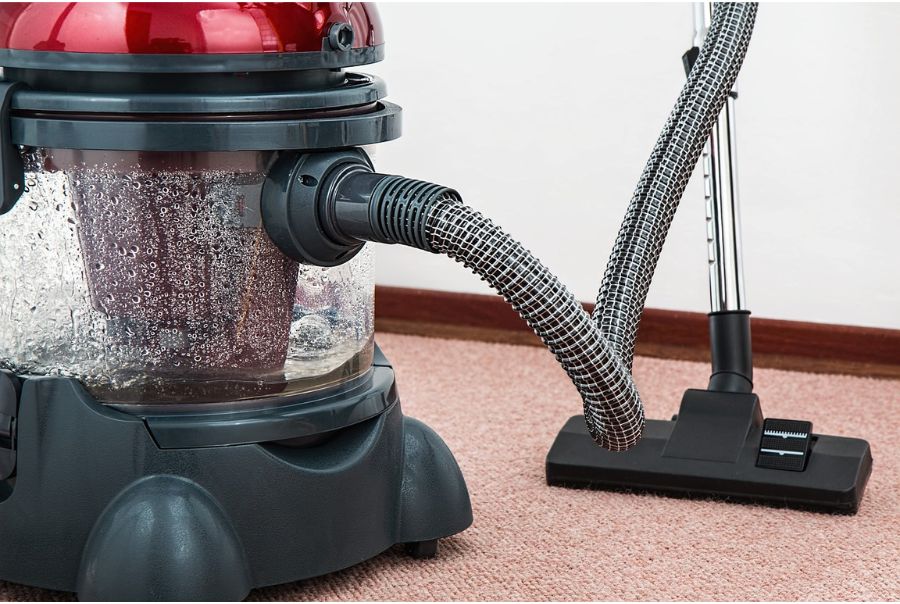
Why recycle your vacuum cleaner?
Recycling a vacuum cleaner keeps metals, plastics, and electronics out of landfills. It returns valuable materials like copper and steel to the supply chain. It also reduces pollution and energy use compared to making new parts from raw materials. Knowing where can i recycle a vacuum cleaner helps you make a greener choice and may save you money on disposal.
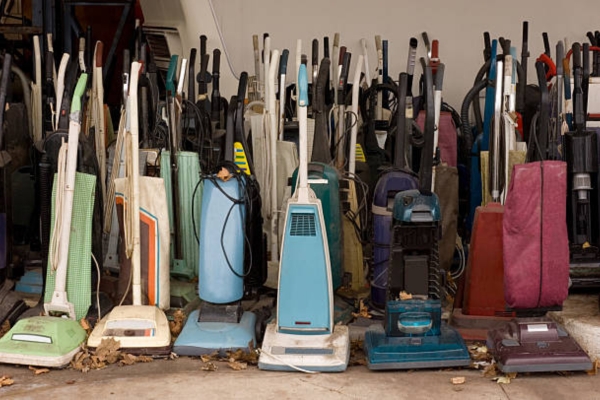
Where can i recycle a vacuum cleaner: practical options
If you ask where can i recycle a vacuum cleaner, check these main options first. Each has pros and cons depending on condition, size, and whether batteries are involved.
- Manufacturer take back programs: Many brands run recycling or trade-in programs for old units. Contact the maker to learn shipping or drop-off steps and any fees.
- Retailer recycling: Big-box stores and appliance retailers often accept small appliances for recycling. Call ahead to confirm size and condition rules.
- Local recycling centers: Municipal or county recycling centers often accept household appliances or can point you to e-waste events that do. Bring proof of residency if required.
- E-waste collection events: Towns and nonprofits host events for electronics and small appliances. These events usually accept vacuums for safe processing.
- Scrap metal recyclers: If the vacuum is mostly metal, a scrap yard may accept it. Remove plastic parts and batteries first, as those may not be accepted.
- Donation or resale: If it still works, consider donating to a thrift store, shelter, or repair café. Working vacuums extend useful life and help the community.
- Bulky item pickup: Some cities offer curbside pickup for large items. Check local guidelines for scheduling and fees.
- Battery drop-off programs: Cordless vacuums have lithium or nickel batteries that must be recycled at battery drop-off points or hazardous waste sites.
When you search for where can i recycle a vacuum cleaner, start with the manufacturer and local waste authority. That often gives the quickest, most compliant option.

How to prepare your vacuum cleaner for recycling
Preparing your vacuum helps recyclers process it faster and reduces contamination.
- Empty dust and bags: Remove and empty any bag or bin into the trash before recycling. A clean unit is easier to handle.
- Remove batteries: Take out batteries and recycle them at a battery drop-off. Do not leave lithium batteries inside a unit.
- Detach cords and plastic parts if required: Some centers want cords removed. Coil cords neatly and tape them to the body.
- Check for hazardous parts: If your vacuum has a sealed motor or mercury switch (rare), note it and inform the recycler.
- Document model and condition: Take a photo and note model number. This helps manufacturers and donation centers decide acceptance.
I once drove an old vacuum to a recycling center without checking the battery. They rejected it, and I had to return. Now I always remove batteries first. Short prep saves time and avoids rejection fees.

What parts of a vacuum cleaner get recycled?
Knowing what gets recycled helps you separate items before drop-off.
- Motors and copper windings: These are high-value items that recyclers extract and reuse.
- Steel and aluminum frames: Metal parts are commonly melted down and remade.
- Plastic housings: Many facilities can process durable plastics for recycling or energy recovery.
- Filters and bags: Usually not recyclable; throw disposable bags and used filters in the trash unless the facility explicitly accepts them.
- Batteries and electronics: Batteries need special battery recycling. Circuit boards and electronic controls go to e-waste processors.
Whenever you search where can i recycle a vacuum cleaner, ask the recycler which parts they accept. Each facility’s equipment and rules differ.
Costs, pickup, and refunds
Costs vary by route. Some options are free, and others charge a small fee.
- Free drop-off: Many municipal centers and retailer programs accept small appliances for free.
- Fees and bulky pickup: Curbside bulky pickup often has a fee or requires a permit.
- Scrap value: Scrap yards may pay a small amount for metal-heavy units, but fees for processing plastics can offset this.
- Donation tax credit: Donating a working vacuum may qualify for a tax deduction if you itemize, and the charity provides a receipt.
If you ask where can i recycle a vacuum cleaner and you want to avoid fees, start with manufacturer take back and municipal programs. Check whether your area charges for bulky item pickup before scheduling a pickup.
How to find local recycling options quickly
Use these simple steps to answer where can i recycle a vacuum cleaner in your area.
- Call the manufacturer: Ask about mail-back or local drop-off partners.
- Visit municipal waste website: Search your city or county site for appliance recycling rules.
- Use a search engine: Type where can i recycle a vacuum cleaner plus your ZIP code for nearby options.
- Check retailer policies: Call local stores like big appliance or electronics retailers to confirm acceptance.
- Look for community events: Search for e-waste events and charity drives in your town calendar.
I often type where can i recycle a vacuum cleaner and my ZIP into a search engine to find nearby options fast. It usually points me to a local recycling center or store program within minutes.
Frequently Asked Questions of where can i recycle a vacuum cleaner
Where can i recycle a vacuum cleaner for free?
Many municipal recycling centers and some retailer programs accept small appliances for free. Check local rules and call ahead to confirm size limits and drop-off hours.
Can I recycle a cordless vacuum cleaner with the battery inside?
Do not leave batteries inside. Remove the battery and take it to a battery or hazardous waste drop-off before recycling the vacuum body.
Will a scrap yard accept a vacuum cleaner?
Some scrap yards accept vacuums, especially if they have metal parts. Call first to confirm they will take mixed plastic and metal appliances.
Can I donate a working vacuum cleaner instead of recycling it?
Yes. Thrift stores, shelters, and repair cafes often accept working vacuums and give them new life. Donating saves materials and helps people who need appliances.
How do I find where can i recycle a vacuum cleaner near me?
Search online using where can i recycle a vacuum cleaner plus your ZIP code, or call your city’s waste management office for local guidance. Manufacturer and retailer programs are also good leads.
Do I need to clean the vacuum before recycling?
Yes. Empty dust bins and remove bags and filters. Clean units are safer for handlers and reduce contamination at recycling centers.
Conclusion
Recycling a vacuum cleaner is a practical way to reduce waste and recover useful materials. Start by asking where can i recycle a vacuum cleaner from the manufacturer, local recycling center, or retailer, and be sure to remove batteries and empty dust first. Take action today: check your local waste site, call a retailer, or donate a working unit. Share this guide or leave a comment about your local recycling tips to help others make the right choice.

Liora Pennings is a seasoned chef and kitchen enthusiast with a passion for turning everyday cooking into an effortless experience. With years of hands-on culinary expertise, she specializes in practical techniques, ingredient know-how, and smart kitchen solutions that help home cooks elevate their meals. At KitchFlair.com, Liora shares her best tips, time-saving tricks, and honest product reviews to guide readers toward a more efficient, enjoyable, and inspired cooking routine. Whether you’re a beginner or a seasoned home chef, Liora’s friendly, knowledge-packed insights make every visit to the kitchen a little easier—and a lot more delicious.