How To Drain A Bunn Coffee Maker: Quick Step Guide
Drain a Bunn coffee maker by turning off power, emptying the tank, and flushing water lines.
I’ve repaired and maintained dozens of coffee machines, so I know exactly how to drain a Bunn coffee maker safely and efficiently. This guide shows step-by-step instructions, safety checks, common mistakes, and easy maintenance tips so you can drain your machine like a pro. Read on to learn practical steps and real-world tips I use when I service Bunn machines for homes and small cafes.
Why you should know how to drain a Bunn coffee maker
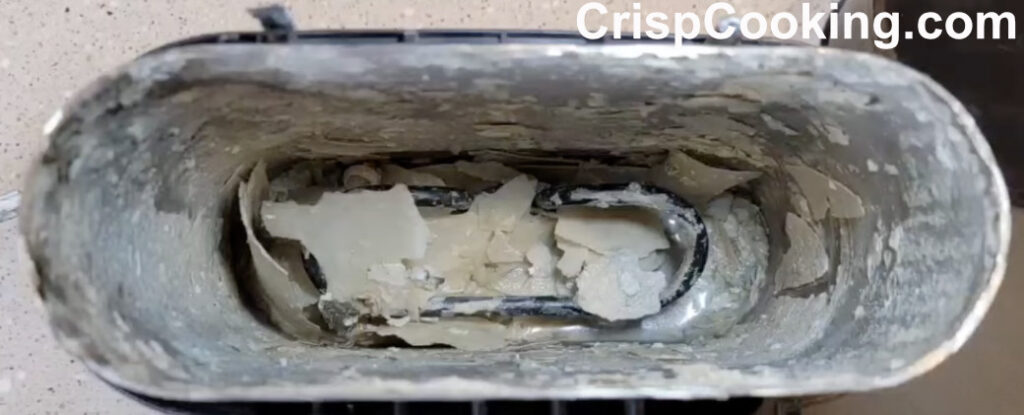
Draining a machine protects it from freezing, mineral buildup, and stale water. Knowing how to drain a Bunn coffee maker also helps when you move the unit or store it long term. I’ve seen units ruined by neglected water in the tank. Drain first, clean second, and you’ll avoid expensive repairs.
When to drain your Bunn coffee maker
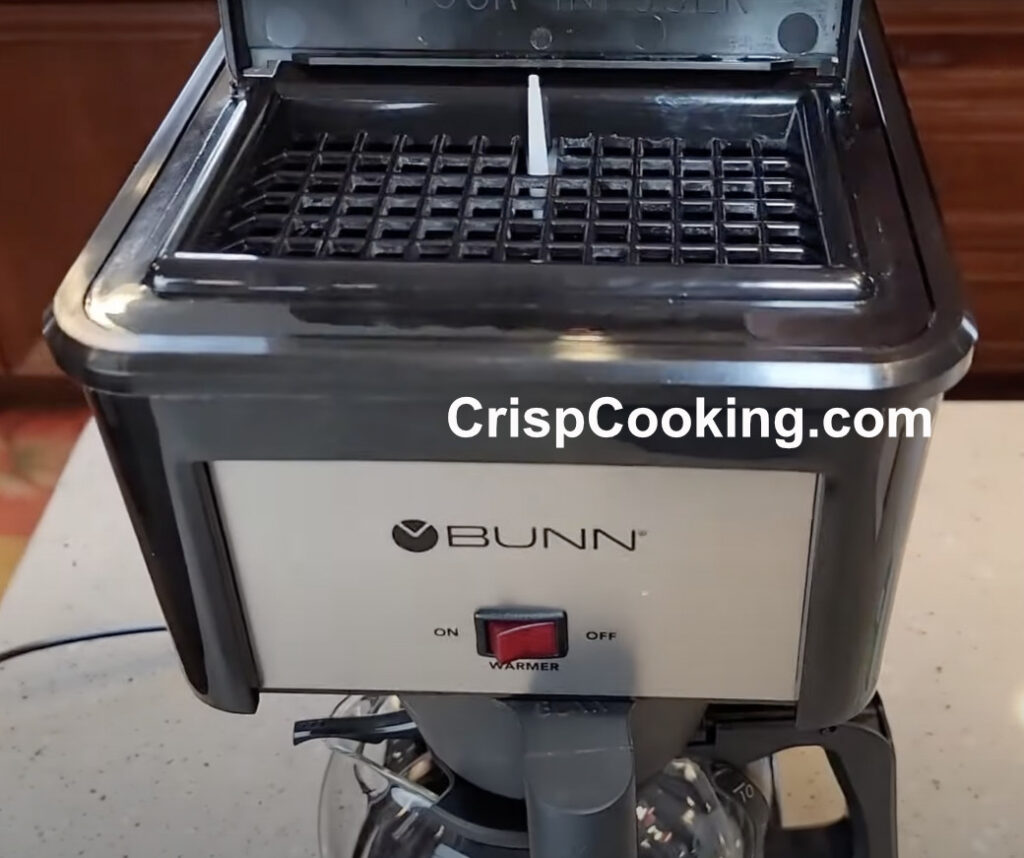
Drain before winter if the machine will be in an unheated space. Drain after extended storage or when the machine will sit unused for more than two weeks. Drain when you notice odd tastes or visible sediment in the water. These simple cues save time and money.

Safety and tools you need before you drain a Bunn coffee maker
Safety first. Turn off power and unplug the machine. Allow the boiler and water to cool before you touch plumbing or the tank.
Tools you’ll want:
- A bucket or large container to catch water.
- Towels to protect counters and floors.
- Pliers or wrench if you need to loosen fittings.
- A small cup to draw water from the hot water faucet if present.
Plan for spills and wear gloves if your model used cleaning chemicals recently. These steps make draining safe and neat.

Step-by-step: how to drain a Bunn coffee maker
These steps walk you through how to drain a Bunn coffee maker for most home and commercial Bunn models. Follow them slowly and check each connection.
- Power off and unplug
- Turn the power switch off. Unplug the machine from the outlet. This prevents accidents while you work.
- Cool down the machine
- Wait 20–30 minutes for the boiler and water to cool. Touch the tank carefully to confirm it is safe.
- Locate drains and valves
- Identify the drain valve under the machine or the tank petcock. Some Bunn models have a drain port in the back or bottom.
- Prepare to catch water
- Place your bucket under the drain valve. Lay towels around the area to catch splashes.
- Open the drain valve slowly
- Turn the valve slowly to let water flow out. This helps avoid steam surges. If your Bunn model lacks a drain, remove the relief valve or use the hot water faucet to release water into a cup.
- Flush the lines
- After the tank empties, close the valve briefly and add a small amount of clean water, then open again to flush sediments. Repeat until water runs clear.
- Remove residual water
- Tilt the machine carefully if needed to drain pockets of water from corners. For countertop models, remove the spray head or funnel to allow air in and help drainage.
- Reassemble and dry
- Close valves, wipe down inside the reservoir with a towel, and leave the lid open to air-dry. Store with the tank open if you expect long-term storage.
I learned a reliable tip while servicing a café: always flush twice. The second flush often removes grime the first pass leaves behind. Doing this is part of how to drain a Bunn coffee maker thoroughly.

Flushing, descaling, and cleaning after draining
Draining is the first step; cleaning prevents scale and flavor issues. Use a descaling cycle when calcium build-up is present.
Simple cleaning steps:
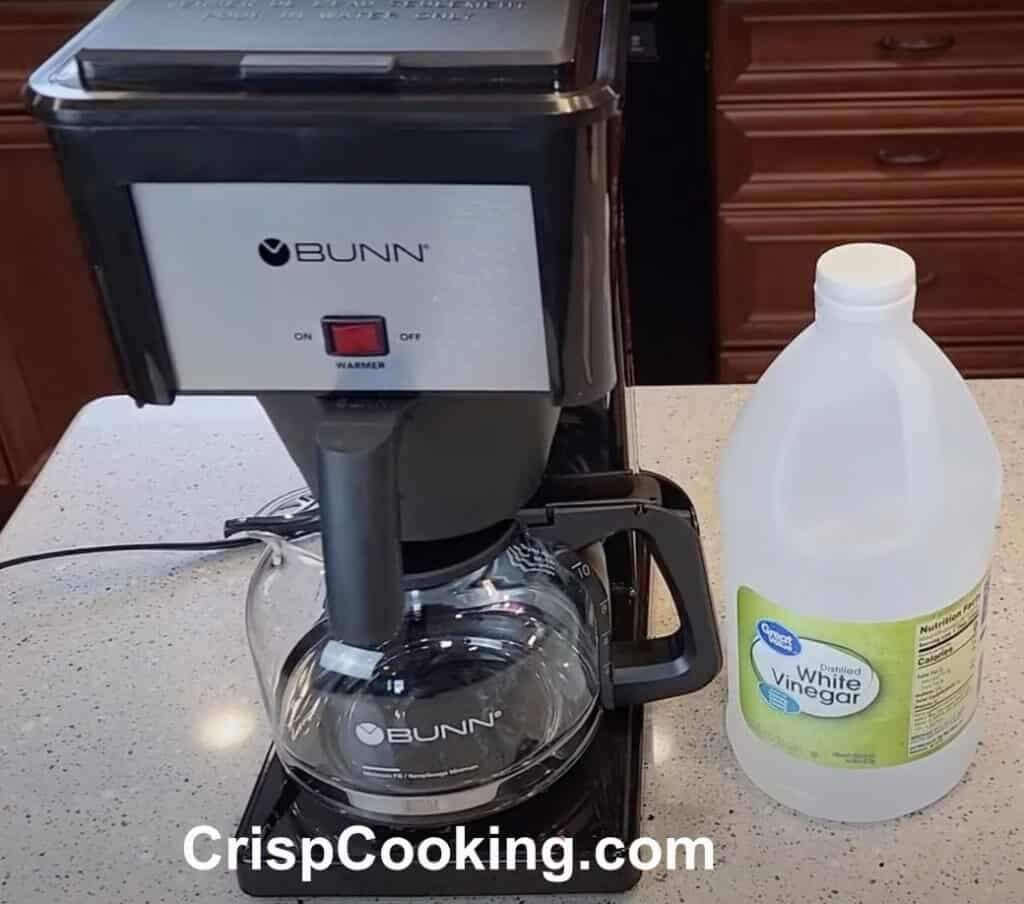
- Mix a mild descaler or vinegar solution with water.
- Pour into the tank and run a complete hot water flush through the brewer.
- Rinse with fresh water until no vinegar or cleaner smell remains.
Use the same flushing steps to remove any lingering particles after you finish how to drain a Bunn coffee maker. Proper cleaning keeps coffee tasting right and pumps working smoothly.
Troubleshooting common issues after you drain
Sometimes draining reveals problems. If the boiler won’t refill, check the inlet valve and float assembly. If you hear gurgling after you learn how to drain a Bunn coffee maker, air could be trapped in the lines; run hot water through the faucet until steady flow returns.
If valves leak after reassembly, tighten fittings gently and check seals. If problems persist, contact a certified repair technician to avoid voiding warranties.
Maintenance tips to avoid frequent draining
A little routine care reduces how often you need to drain a Bunn coffee maker. Follow these simple habits.
Regular habits to adopt:
- Run a weekly rinse cycle with fresh water.
- Descale every 3–6 months, depending on water hardness.
- Replace water filters per manufacturer guidance.
- Keep the top cover and spray head clean to prevent blockages.
I keep a log for each machine I service. Note the last drain and descaling date. This record helps me plan service before issues arise.
Frequently Asked Questions of how to drain a bunn coffee maker
How long does it take to drain a Bunn coffee maker?
Draining usually takes 5–15 minutes depending on the model and tank size. Allow extra time if you plan to flush and descale after draining.
Can I drain a Bunn coffee maker without tools?
Yes, many models let you drain using the built-in drain valve or hot water faucet and a cup. A bucket and towels make the job easier and cleaner.
Will draining remove scale from the boiler?
Draining removes water and loose sediment but not built-up scale. Use a descaler or professional service to remove hard mineral deposits.
Is it safe to drain when the machine is hot?
No. Wait until the boiler cools to avoid burns and steam hazards. Always unplug before you begin draining.
How often should I drain my Bunn coffee maker for storage?
If storing for over two weeks or in freezing conditions, drain completely and air-dry the reservoir and lines. Proper draining prevents freeze damage and mold.
Conclusion
You now have clear, practical steps for how to drain a Bunn coffee maker safely and thoroughly. Drain first, flush next, and clean to prevent scale and bad flavors. Try these steps on your machine this week and add draining to your maintenance routine. If this guide helped, leave a comment, share your experience, or subscribe for more coffee machine care tips.

Liora Pennings is a seasoned chef and kitchen enthusiast with a passion for turning everyday cooking into an effortless experience. With years of hands-on culinary expertise, she specializes in practical techniques, ingredient know-how, and smart kitchen solutions that help home cooks elevate their meals. At KitchFlair.com, Liora shares her best tips, time-saving tricks, and honest product reviews to guide readers toward a more efficient, enjoyable, and inspired cooking routine. Whether you’re a beginner or a seasoned home chef, Liora’s friendly, knowledge-packed insights make every visit to the kitchen a little easier—and a lot more delicious.