
How To Dismantle A Keurig Coffee Maker: Step-By-Step Guide
To dismantle a Keurig: unplug, drain, remove pod holder, unscrew panels, disconnect water lines.
I have taken apart many Keurig machines for repair and deep cleaning. This guide on how to dismantle a Keurig coffee maker explains each safe, tested step. I’ll show tools, clear steps, common mistakes, and reassembly tips so you can confidently take your Keurig apart and put it back together.
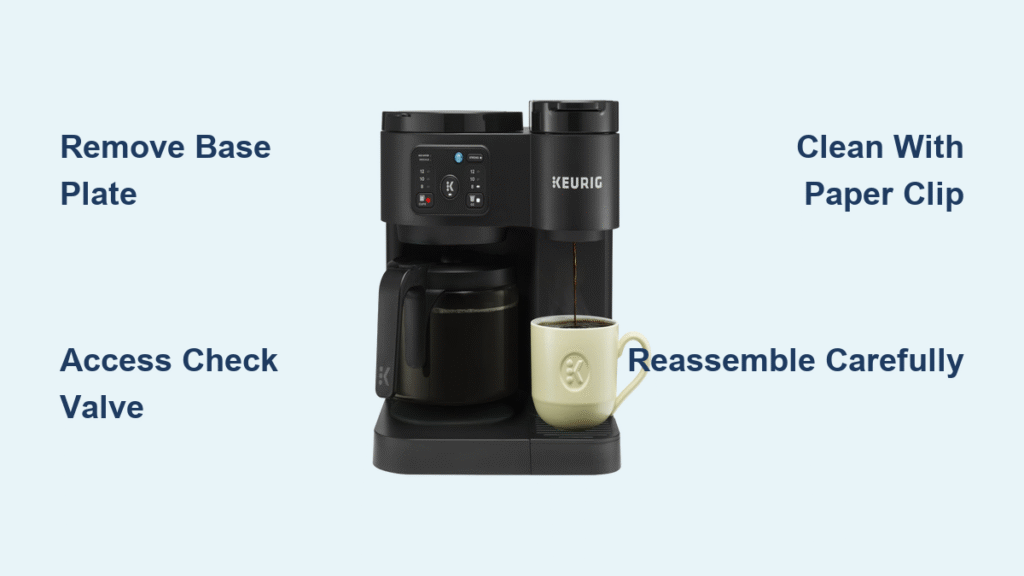
Tools and safety checklist
Before you start learning how to dismantle a Keurig coffee maker, gather the right tools and follow safety rules. Working on a plugged-in machine or a hot machine is risky. Use these items and checks to keep the job simple and safe.
- Tools to have ready
- Flathead screwdriver for prying snap clips.
- Phillips screwdriver for screws.
- Nut driver or small socket set for bolts.
- Needle-nose pliers for hose clamps and small parts.
- Soft cloth and tray to store screws and parts.
- Safety steps
- Unplug the machine and let it cool for at least 30 minutes.
- Empty the water reservoir and brew a cycle to purge hot water.
- Wear gloves and eye protection if descaling or cleaning with vinegar.
- Work on a stable surface with good light.
- Prep tips from experience
- Take a photo of the machine before you start. It helps for reassembly.
- Use small containers or tape to label screws and parts by where they came from.
How to dismantle a Keurig coffee maker — step-by-step
Below is a clear, step-by-step method for how to dismantle a Keurig coffee maker. Read each step fully before acting. Move slowly and keep parts organized.
- Power down and empty
- Unplug the Keurig and remove the water reservoir.
- Empty remaining water and dry the reservoir.
- Remove any K-Cup or pod to avoid spills.
- Remove external parts
- Lift off the drip tray and wash it or set it aside.
- Pull out the pod holder assembly; on many models it lifts up and out.
- Remove the water filter if present.
- Open the case
- Turn the machine so you can access the bottom and back.
- Unscrew visible screws on back and bottom using a Phillips or nut driver.
- Keep screws labeled by location; some models use different lengths.
- Separate the housing
- Gently pry snap clips with a flathead screwdriver if needed.
- Lift the outer shell away to expose the internal components.
- Watch for wires that connect the shell to the control panel.
- Disconnect internal assemblies
- Locate the pod needle assembly and unscrew any mount screws.
- Unclip the brew head and pull out the water line connections.
- Use pliers to release spring clamps or squeeze-fit hose ends.
- Remove pump and boiler components
- Unscrew the pump bracket and disconnect electrical connectors carefully.
- Detach the heater/boiler assembly by removing its screws and hoses.
- Note the orientation of the check valve and pressure switch for reassembly.
- Inspect and clean parts
- Check tubing for scale, cracks, or blockages and replace if needed.
- Soak removable parts in a vinegar solution for scale removal.
- Replace rubber seals or O-rings if worn or brittle.
Tips from experience:
- Label wires with masking tape and a marker. I once reassembled wrong and had lights that didn’t match functions.
- Keep small screws in a tray in the order you remove them. This makes reassembly fast and correct.
Cleaning, parts replacement, and maintenance
Learning how to dismantle a Keurig coffee maker also helps you service it properly. Clean parts and swap worn items to extend the machine’s life.
- Cleaning steps
- Soak the pod holder, drip tray, and reservoir in warm soapy water.
- Use a soft brush to clean the needle assembly; be careful of sharp edges.
- Run white vinegar through the machine before and after reassembly to descale small scale.
- Parts commonly replaced
- Water lines and small rubber tubing may harden and crack.
- O-rings and seals lose elasticity and cause leaks.
- Pump or boiler elements fail after heavy use and may need replacement.
- Long-term maintenance tips
- Descale every 3–6 months depending on water hardness.
- Use filtered water to reduce scale.
- Replace the water filter as recommended by the manufacturer.
Troubleshooting and reassembly tips
After you learn how to dismantle a Keurig coffee maker, putting it back right is the final and most important step. Follow these tips for a smooth reassembly and test.
- Reassembly order
- Reinstall the boiler and pump first, then reconnect hoses and electrical connectors.
- Reattach the internal assemblies and secure the housing panels.
- Reinstall external parts like the pod holder, drip tray, and reservoir last.
- Test before full closure
- With the case loosely attached, plug in the machine and run a water-only cycle.
- Check for leaks, odd noises, or error lights before tightening all screws.
- Common problems and fixes
- Leaks: tighten hose clamps and replace worn O-rings.
- No power: verify connectors and fuses; check that the control panel cable is seated.
- Low pressure: inspect pump for blockages or wear.
- Final checks from my experience
- Always double-check hose routing; incorrect routing may cause water to flow to the wrong place.
- If you hear the pump run but no water moves, check the check valve and inlet tube for blockages.
Frequently Asked Questions of how to dismantle a keurig coffee maker
Is it safe to dismantle a Keurig at home?
Yes, it is safe if you unplug the machine, let it cool, and follow the steps above. Avoid working on the boiler or electrical parts when the unit is plugged in.
How long does it take to dismantle a Keurig?
A careful dismantle for cleaning takes about 30 to 90 minutes, depending on your experience and the model. Reassembly and testing add another 30 minutes.
Will dismantling void the warranty?
Often yes. Opening the casing or removing sealed components can void the manufacturer warranty. Check your warranty terms before you start.
What parts should I replace when I dismantle the machine?
Replace worn O-rings, hard or cracked tubing, and a failing water pump. Filters and disposable parts should be swapped per routine maintenance.
Can I fix a Keurig if it won’t pump water after dismantling?
Often you can. Check for blocked tubing, a stuck check valve, or an airlock. Replacing the pump or seals will fix many common pump problems.
Conclusion
Taking a Keurig apart is a practical skill that saves money and extends the life of your machine. Follow the step-by-step guidance on how to dismantle a Keurig coffee maker, take photos, label parts, and test carefully during reassembly. If a repair looks beyond your comfort level, consult a professional or consider part replacement. Try a small maintenance task today and build confidence—then share your results or ask questions below to keep learning.

Liora Pennings is a seasoned chef and kitchen enthusiast with a passion for turning everyday cooking into an effortless experience. With years of hands-on culinary expertise, she specializes in practical techniques, ingredient know-how, and smart kitchen solutions that help home cooks elevate their meals. At KitchFlair.com, Liora shares her best tips, time-saving tricks, and honest product reviews to guide readers toward a more efficient, enjoyable, and inspired cooking routine. Whether you’re a beginner or a seasoned home chef, Liora’s friendly, knowledge-packed insights make every visit to the kitchen a little easier—and a lot more delicious.