How To Descale Smeg Coffee Maker: Quick Step-By-Step Guide
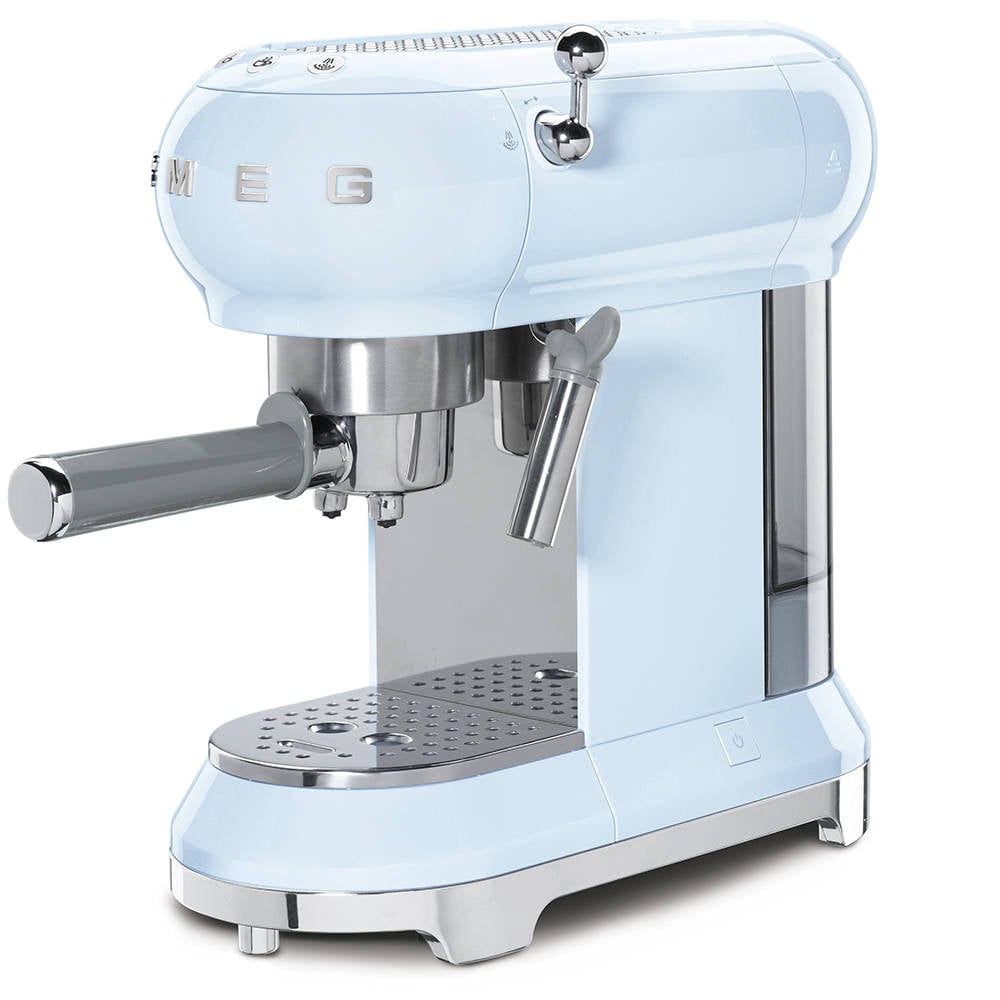
Descale your Smeg coffee maker by running a descaling solution through its brewing and steam circuits.
I’ve spent years fixing and caring for coffee gear, and I know exactly how to descale Smeg coffee maker safely and effectively. This guide walks you through why descaling matters, what to use, step-by-step instructions for both drip and espresso-style Smeg machines, troubleshooting tips, and simple upkeep to keep your machine brewing like new. You’ll get clear, tested steps and real-world tips I learned the hard way so you can finish this task with confidence.

Why descaling matters for your Smeg coffee maker
Limescale forms when hard water evaporates in the boiler and pipes. Scale cuts heating efficiency. That leads to weak coffee and higher energy use. Limescale can also block water flow and harm pumps. Regular descaling protects taste and parts. It extends the life of your Smeg coffee maker and keeps drinks tasting right.

How often to descale Smeg coffee maker
Aim to descale every 2 to 3 months for medium use. If you use hard water, do it monthly. If you use filtered water, you can stretch to every 4 months. Heavy users or shared kitchens may need weekly descaling. The best cue is slow pours, odd noises, or lower steam pressure—these are signs your Smeg needs descaling now.

What you need before you start
Gather these items first. This saves time and lowers risk of errors.
- Clean cloths to wipe spills and the exterior.
- A jug or large container to catch water from the machine.
- A soft brush or cloth to clean the portafilter and filter basket.
- Descaling agent: commercial descaler or white vinegar (see pros and cons).
- Fresh water for rinses.
- Rubber gloves to protect skin from descaler.
If your Smeg coffee maker has a removable water tank, remove it and empty any leftover water before starting. Read your model’s quick guide. It may list special steps or safety notices.

Step-by-step: how to descale Smeg coffee maker (espresso and drip)
This step-by-step method covers most Smeg models. Follow each step and keep rinsing until no residue remains.
- Prepare the machine
- Turn the machine off and let it cool if it’s hot.
- Empty the drip tray and grounds container.
- Remove and rinse the water tank.
- Mix the descaling solution
- For commercial descaler, follow product dilution instructions.
- For vinegar, mix one part white vinegar with one part water. Use only if the manual allows vinegar.
- Add solution to the water tank
- Pour the descaling mix into the water tank.
- Return the tank to the machine.
- Run the descaling cycle
- For machines with a descaling program, activate it.
- For manual machines, run a brew cycle without coffee. Use the hot water or steam functions until the tank is half-empty.
- Pause and let the solution sit in the boiler for 15 to 20 minutes to soften scale.
- Complete the flush cycles
- Run the rest of the solution through the machine.
- Empty the tank and refill with fresh water.
- Run at least two full tanks of clean water through the machine to rinse all descaler or vinegar taste.
- Clean removable parts
- Rinse the portafilter, filter basket, drip tray, and water tank.
- Wipe the steam wand and run steam for a few seconds to clear internal residue.
- Final checks
- Run a short brew with no coffee to confirm water flow is normal.
- Taste the water. If it has a chemical or vinegar flavor, rinse again.
I once skipped the long soak step and only ran the solution through. The next week the pump sputtered. Letting the solution sit solved the issue. That taught me not to rush the soak.
Commercial descaler vs vinegar: which to use
Both work, but there are trade-offs.
- Commercial descaler: Safer for seals and electronics. Made for coffee machines. Neutralizes scale quickly and rinses cleanly.
- White vinegar: Cheap and widely available. Effective on light scale. Can leave odor or taste if not rinsed well. Some manufacturers advise against vinegar.
If you have a newer or high-end Smeg coffee maker, I recommend a purpose-made descaler. It’s gentler on parts and gives predictable results.
Troubleshooting and common mistakes
Spot problems early to avoid damage.
- Mistake: Skipping rinses. Rinse thoroughly to avoid residue or taste.
- Mistake: Using too-strong vinegar. This may harm seals. Follow dilution rules.
- Problem: Slow flow after descaling. Run extra rinse cycles and let the machine sit between cycles.
- Problem: Persistent taste of vinegar or descaler. Run two or three additional full tanks of water.
- Tip: If steam pressure stays low, check the steam wand tip for blocked holes and clean with a pin while the machine is cold.
Years ago I used undiluted vinegar. It left a lingering scent and worried me. Extra rinses fixed it. Now I always dilute and choose commercial descaler for expensive machines.
Maintenance habits to reduce how often you need to descale Smeg coffee maker
Good habits cut scale buildup and save time.
- Use filtered or soft water when possible. This lowers mineral load.
- Empty and dry the water tank if you won’t use the machine for days.
- Wipe and purge the steam wand after every use to avoid milk deposits.
- Run a quick hot-water flush daily to keep lines clear.
- Keep a descaling schedule. Mark the next date on your calendar after each descaling.
These small actions reduce the frequency of heavy descaling and keep your Smeg coffee maker running smoothly.
Frequently Asked Questions of how to descale smeg coffee maker
Will descaling void my Smeg warranty?
Descaling per the manual does not void the warranty. Using strong acids or improper chemicals might. Always follow Smeg’s care guidelines to stay covered.
Can I use bleach to descale my Smeg coffee maker?
No. Bleach is too harsh for coffee machines and can damage seals and metal parts. It may also leave toxic residues.
How long does a descaling cycle take on a Smeg machine?
Expect 30 to 60 minutes including soaking and rinses. Manual rinse cycles add time. Plan for an hour to be safe.
Is vinegar safe for all Smeg models?
Not always. Some Smeg manuals advise against vinegar. Check your model’s manual before using vinegar. Use a commercial descaler when in doubt.
What signs show my Smeg needs descaling now?
Look for slow water flow, weaker coffee, longer time to reach brewing temp, or odd noises. These are clear signs your machine needs a descaling.
Conclusion
Descaling keeps your Smeg coffee maker tasting great and working longer. Follow the step-by-step method above, choose the right descaler, and rinse well. Small maintenance habits cut down how often you must do deep descales. Try these steps on your next cleaning. If you liked this guide, leave a comment, share your experience, or subscribe for more hands-on coffee care tips.

Liora Pennings is a seasoned chef and kitchen enthusiast with a passion for turning everyday cooking into an effortless experience. With years of hands-on culinary expertise, she specializes in practical techniques, ingredient know-how, and smart kitchen solutions that help home cooks elevate their meals. At KitchFlair.com, Liora shares her best tips, time-saving tricks, and honest product reviews to guide readers toward a more efficient, enjoyable, and inspired cooking routine. Whether you’re a beginner or a seasoned home chef, Liora’s friendly, knowledge-packed insights make every visit to the kitchen a little easier—and a lot more delicious.