How To Descale A Bunn Coffee Maker: Easy Step Guide
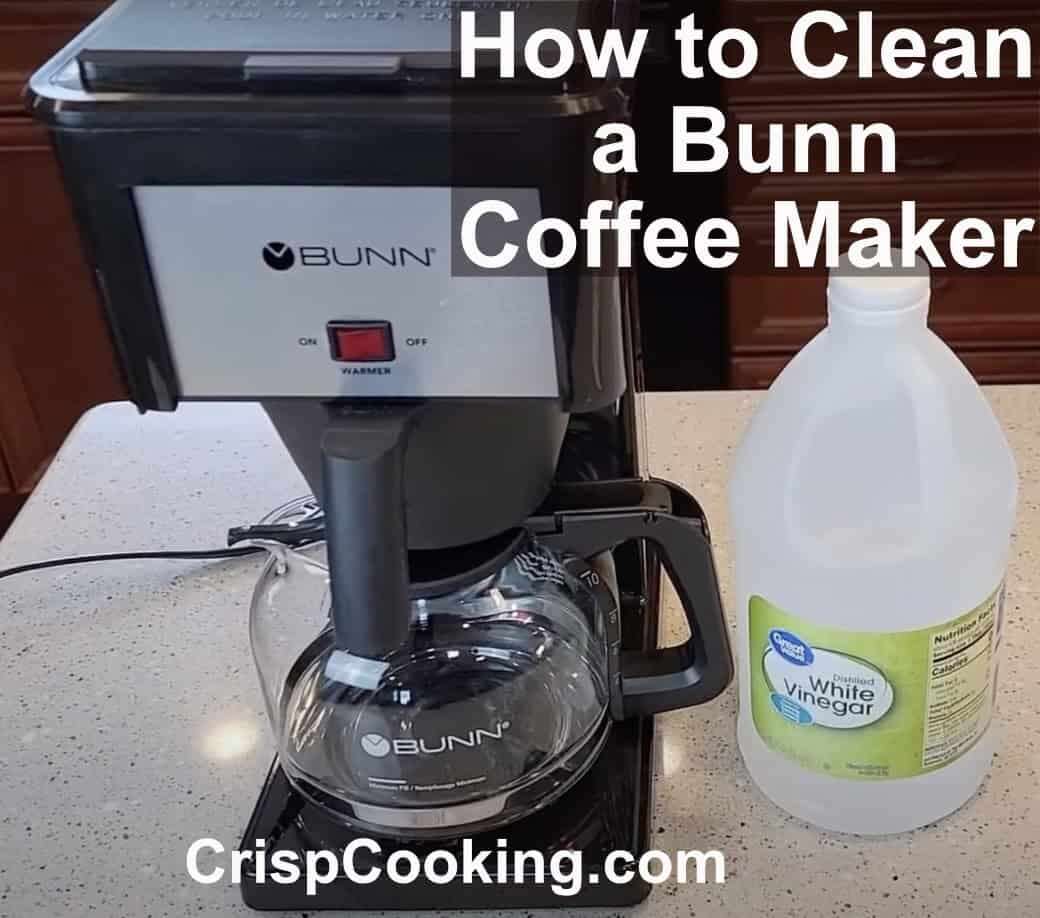
Descale a Bunn coffee maker by running a vinegar or commercial descaler through the tank.
I’ve cleaned dozens of machines and helped cafes keep Bunn brewers running like new. This guide shows exactly how to descale a Bunn coffee maker safely, step by step, with tools, tips, and mistakes to avoid. I’ll share real-world tips from hands-on experience so you can finish fast and get better tasting coffee.
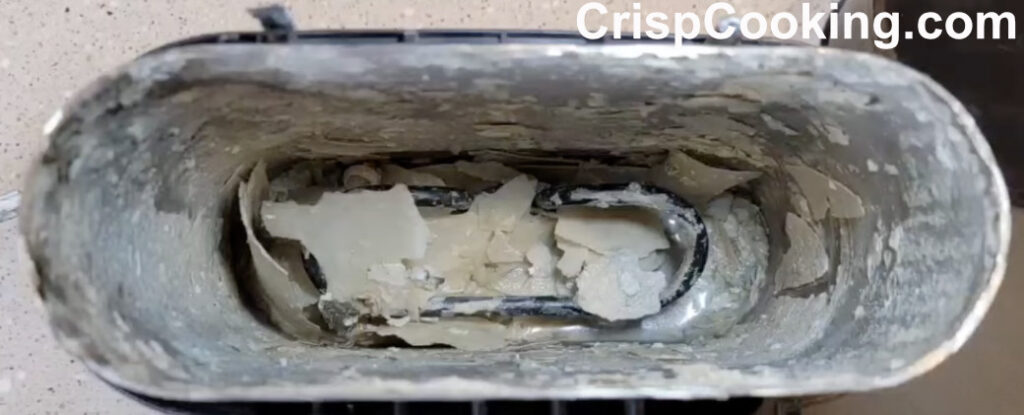
Why descaling matters for your Bunn coffee maker
Mineral scale builds inside hot water lines and tanks. Scale lowers flow, raises brew time, and ruins flavor. Descaling restores heat transfer and water flow. Learning how to descale a Bunn coffee maker helps you keep coffee consistent and the machine reliable.
I once let scale grow for months in a home Bunn. The brew slowed and glass pots splattered. After descaling, the machine ran like new and the coffee tasted cleaner.

What you'll need before you descale a Bunn coffee maker
Plan ahead. Use these simple items.
- White distilled vinegar or a commercial descaler suitable for coffee equipment.
- Clean water for rinsing.
- A clean container to catch water from the spray head or drain.
- Soft cloth and small brush for exterior and spray head cleaning.
- Gloves and eye protection if using strong descaler.
Using the right cleaner matters. Vinegar works well for light scale. A commercial descaler works faster on heavy buildup. Knowing how to descale a Bunn coffee maker means choosing the right product for how hard your water is.
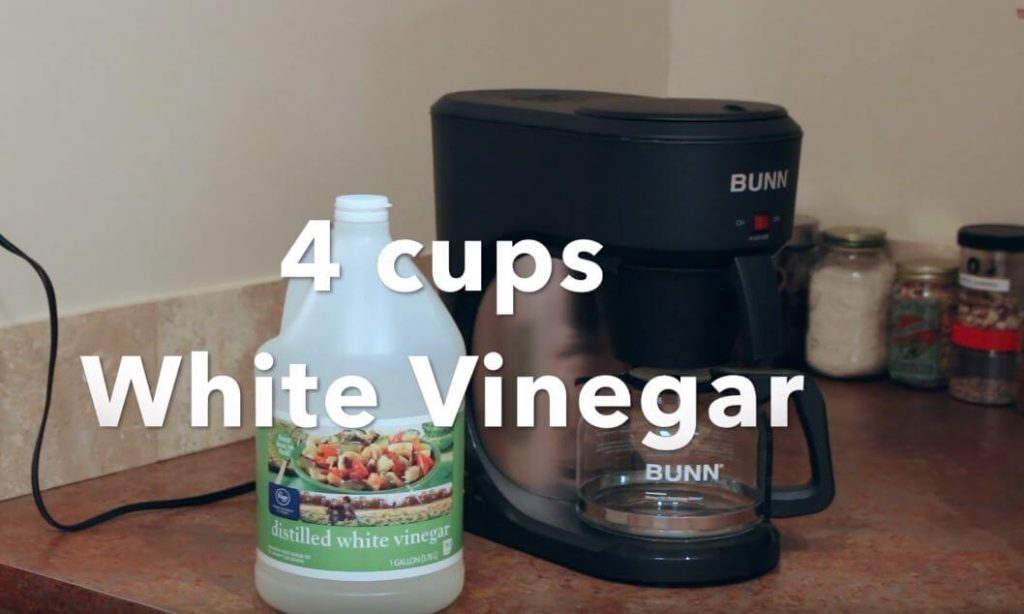
Step-by-step guide to how to descale a Bunn coffee maker
Follow these steps for most Bunn models. Read your manual first for model specifics.
- Turn the machine off and unplug it. Let it cool for safety.
- Empty brew basket and remove any filters or coffee grounds.
- Drain any water from the water tank or reservoir into a safe container.
- Mix descaling solution. For vinegar: use one part white vinegar to one part water. For commercial descaler: follow label directions.
- Fill the water tank with the solution. Do not overfill.
- Turn the machine on and run a full brew cycle without coffee grounds. Catch the liquid in a container.
- Let the solution sit in the machine for 15 to 30 minutes to loosen scale.
- Run one or two more brew cycles with the solution until the tank is empty.
- Rinse thoroughly. Fill the tank with clean water and run three to five full cycles to remove residue.
- Wipe the exterior and spray head with a damp cloth. Reassemble and test brew.
Repeat the process if buildup is heavy. Doing this regularly prevents big jobs later. Knowing how to descale a Bunn coffee maker by using short cycles and good rinses keeps the machine safe and tasting great.
Deep clean options and commercial descalers for Bunn machines
If vinegar doesn’t cut it, try a commercial descaler made for coffee equipment. They are stronger and leave less odor. Use the product instructions. Rinse more times if the smell lingers.
For very clogged lines, remove and soak small parts if your model allows. Use a small brush for spray heads. When I worked in a small cafe, a commercial descaler cut cleaning time in half and kept peak flow steady.

Common mistakes and tips when you descale a Bunn coffee maker
Avoid these common errors.
- Skipping rinses. Residue can affect flavor.
- Using undiluted vinegar or descaler. That can damage seals.
- Not checking your manual. Some models have unique steps.
- Ignoring the grinder and spray head. They need cleaning too.
Tip: Mark the date after you descale. A sticker on the machine helps track maintenance. Regular care makes the process quick and easy. Learning how to descale a Bunn coffee maker once pays off many times.
Recommended maintenance schedule for your Bunn brewer
A simple plan keeps your machine healthy.
- Soft water areas: descale every 6 to 12 months.
- Hard water areas: descale every 2 to 3 months.
- Wipe and rinse spray head weekly.
- Empty and clean grounds and filters daily.
Adjust based on taste and flow. If coffee slows or tastes off, run a descaling cycle. This schedule helps you avoid big repairs and shows why how to descale a Bunn coffee maker is an essential skill.
Frequently Asked Questions of how to descale a bunn coffee maker
How often should I descale my Bunn coffee maker?
Descend frequency depends on water hardness. For hard water, descale every 2 to 3 months; for soft water, every 6 to 12 months.
Can I use vinegar to descale a Bunn coffee maker?
Yes. A 1:1 mix of white vinegar and water works for light to moderate scale. Rinse thoroughly to remove any vinegar taste.
Is commercial descaler better than vinegar for Bunn machines?
Commercial descalers work faster and leave less odor. They are better for heavy scale or frequent use.
Will descaling void my Bunn warranty?
Follow the manufacturer’s instructions to avoid issues. Using recommended cleaners and proper methods typically keeps your warranty intact.
How long does a Bunn descaling cycle take?
A full descaling session with soak and rinses takes 30 to 60 minutes. Time varies with model and scale severity.
Can I run descaler through the grinder or only the brewer?
Run descaler only through water lines and the tank. Clean grinders by following grinder-specific guides to avoid damage.
Conclusion
Keeping your Bunn in top shape is simple. Use the right cleaner, follow clear steps, and rinse well. Regular descaling improves taste and cuts repair costs. Try a descaling cycle this month and note the difference in flow and flavor. If this guide helped, leave a comment or subscribe for more hands-on coffee care tips.

Liora Pennings is a seasoned chef and kitchen enthusiast with a passion for turning everyday cooking into an effortless experience. With years of hands-on culinary expertise, she specializes in practical techniques, ingredient know-how, and smart kitchen solutions that help home cooks elevate their meals. At KitchFlair.com, Liora shares her best tips, time-saving tricks, and honest product reviews to guide readers toward a more efficient, enjoyable, and inspired cooking routine. Whether you’re a beginner or a seasoned home chef, Liora’s friendly, knowledge-packed insights make every visit to the kitchen a little easier—and a lot more delicious.